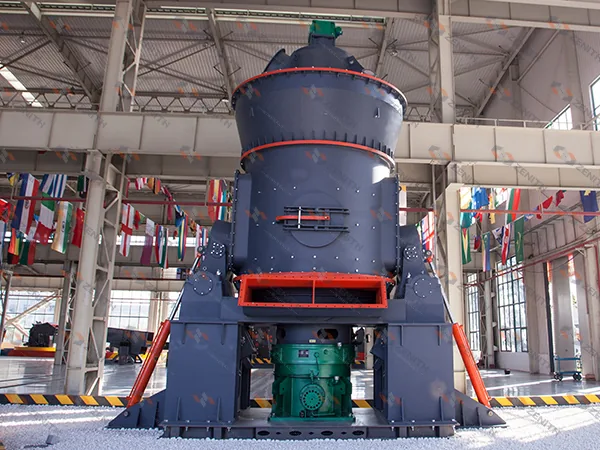
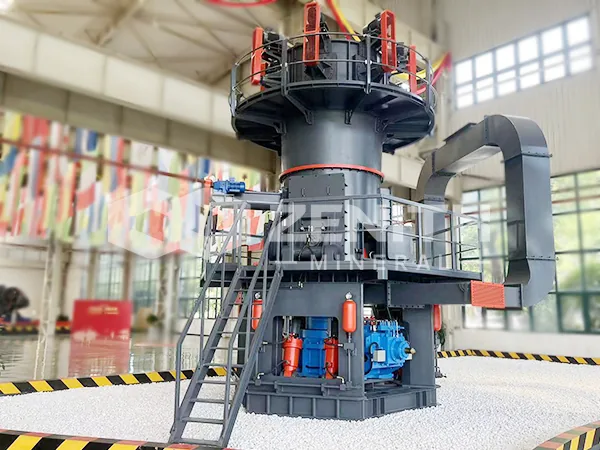
Lm vertical roller mill for a 200,000-ton-per-year bentonite grinding production line in russia
2025-12-31 00:53:57
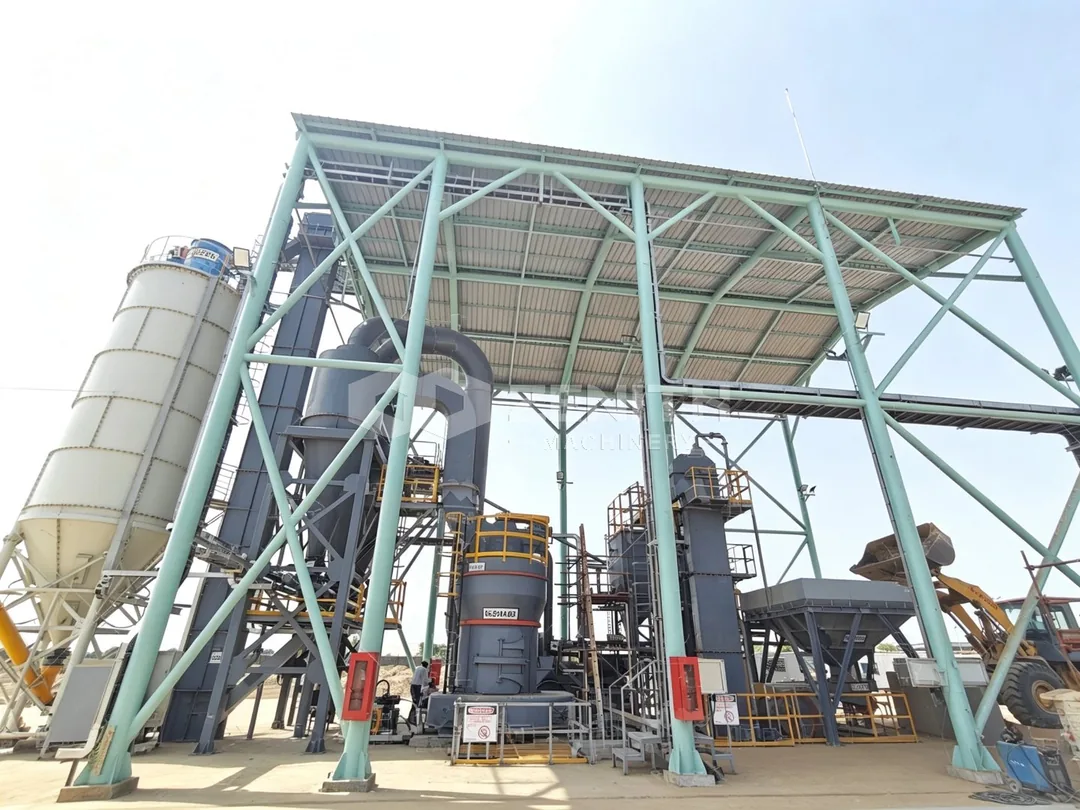
In the vast and resource-rich landscapes of Russia, where industrial demands meet stringent operational and environmental standards, the selection of processing equipment is a critical decision. For a major project involving a 200,000-ton-per-year bentonite grinding production line, the choice fell decisively on Zenith's LM Series Vertical Roller Mill (VRM). This decision wasn't made lightly; it was the culmination of evaluating performance, reliability, automation, and total cost of ownership against the specific challenges of processing bentonite—a clay mineral requiring consistent fineness and high purity for applications in foundry, drilling fluids, and civil engineering.
Zenith, as a hi-tech engineering group specializing in industrial powder grinding, has developed the LM Vertical Grinding Mill as a cornerstone of its portfolio. Designed for large-scale, continuous operation, the LM mill embodies the principle of doing more with less: less energy, less space, and less manual intervention, while delivering more throughput, more consistency, and more control. For the Russian bentonite project, the model selected offers a capacity perfectly aligned with the 200,000-ton annual target, handling input sizes up to 70mm and producing fine powder within the 80-400 mesh range.
_1767113637201.jpg)
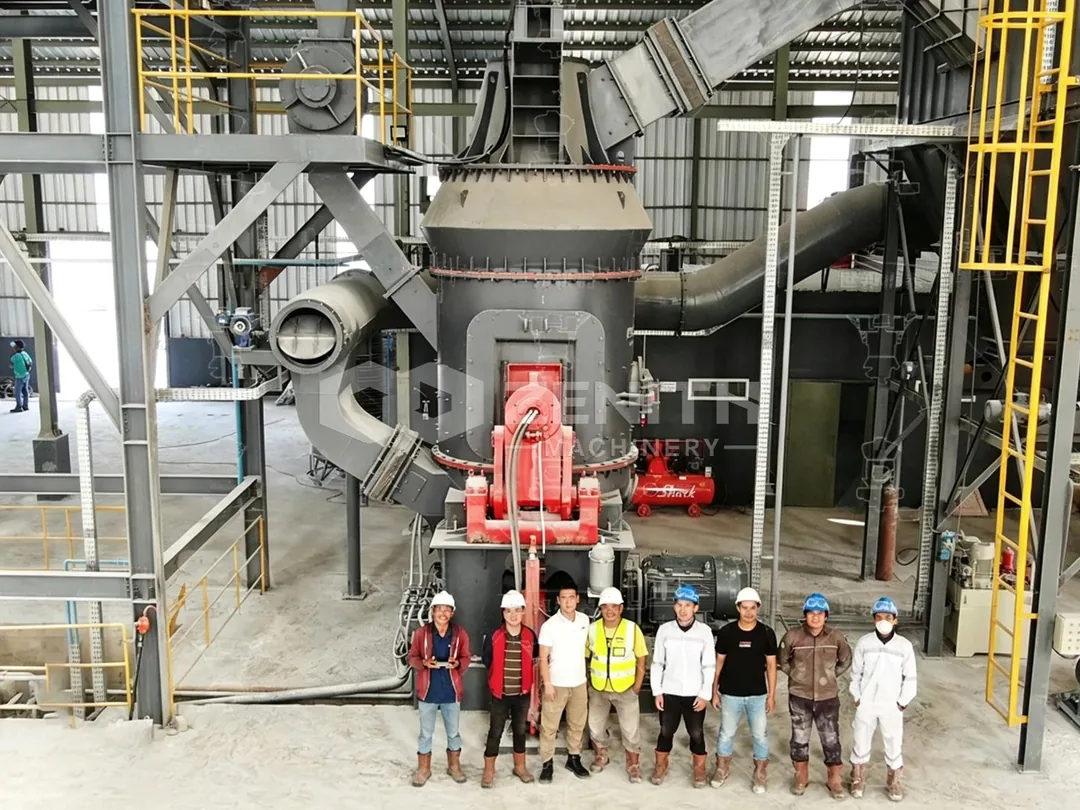
The core advantage driving this selection is the mill's remarkable energy efficiency. Operating on the principle of material bed comminution, the LM VRM applies pressure through grinding rollers onto a bed of material on a rotating disc, a method far more efficient than the impact and attrition of traditional ball mills. In practical terms, this translates to energy savings of over 60% compared to a ball mill of equivalent output. For a high-volume operation in Russia, where energy costs and sustainability are paramount, this efficiency is a direct contributor to a competitive bottom line.
Furthermore, the compact and integrated design of the LM mill significantly reduces the project's footprint and civil engineering costs. Occupying approximately 50% of the space required by a ball mill system, it allows for a more streamlined plant layout. This design philosophy extends to its foundation, which is simpler and less massive, leading to lower initial investment—a crucial factor in large-scale industrial projects.
_1767113637203.jpg)
Operational stability and product quality are non-negotiable for bentonite processing. The LM Vertical Mill excels here through its high degree of automation. Equipped with an advanced automatic control system, it allows for seamless switching between remote and local control. Parameters like grinding pressure, feed rate, and classifier speed are precisely managed, ensuring a stable material bed and consistent product fineness (80-400 mesh) with minimal operator intervention. This automation directly results in lower labor costs and eliminates human error, guaranteeing the batch-to-batch consistency required by end-users.
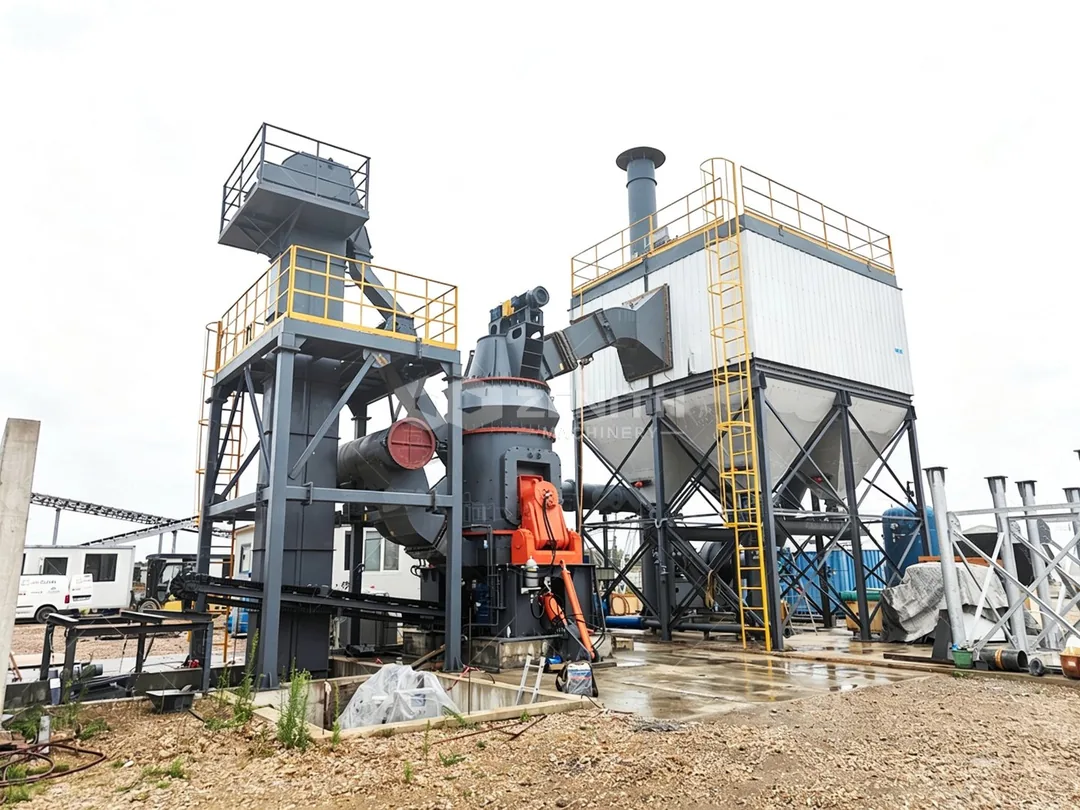
Environmental compliance was another critical mandate for the Russian facility. The LM mill operates under a fully sealed, negative-pressure system. This design ensures there is no dust spillage during grinding, classifying, or transporting. Combined with an integrated high-efficiency pulse dust collector, the entire production line meets strict international environmental standards, creating a clean and safe workplace—a growing expectation in modern industrial operations.
_1767113637205.jpg)
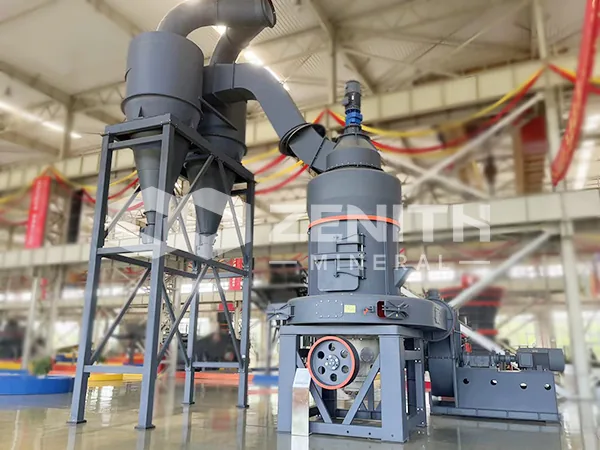
The working principle of the LM mill is elegantly efficient. The main motor drives the grinding disc via a reducer. Material fed to the center of the disc is flung outward by centrifugal force, passing under the grinding rollers where it is crushed. The ground material is then carried by a hot air stream (which can also assist in drying slightly moist bentonite) to a built-in dynamic classifier. Here, coarse particles are rejected and returned for regrinding, while fine, qualified powder is carried into the cyclone collector for final product separation. This closed-loop system ensures optimal particle size distribution and maximizes yield.
For this 200,000-ton-per-year bentonite line, the LM Vertical Roller Mill is not just a piece of machinery; it is the production heart. It delivers the necessary capacity and fineness with unparalleled energy thrift, automated reliability, and environmental stewardship. By choosing Zenith's LM technology, the project secures a future-proof operation capable of meeting both current production targets and evolving market demands with efficiency and grace.
Frequently Asked Questions (FAQs)
- What is the primary advantage of an LM Vertical Roller Mill over a traditional ball mill for bentonite grinding?
The primary advantage is significantly higher energy efficiency, typically over 60% lower energy consumption for the same output. The LM mill's material-bed grinding principle is far more efficient than the ball mill's impact and attrition method. - Can the LM Mill handle variations in bentonite moisture content?
Yes. The system can be equipped with a hot air generator. The hot air entering the grinding chamber can effectively dry moisture in the feed material, allowing it to handle bentonite with a certain range of inherent moisture, ensuring smooth grinding and preventing clogging. - How is the fineness of the final bentonite powder controlled?
Fineness is precisely controlled by the integrated dynamic classifier. By adjusting the speed of the classifier rotor (often via a frequency converter), the cut point can be changed to produce powder from 80 mesh up to 400 mesh, ensuring the product meets exact customer specifications. - What makes the LM Mill environmentally friendly?
It operates under a fully sealed, negative-pressure system. This prevents any dust from escaping during operation. All process air is cleaned through a high-efficiency pulse jet bag dust collector before release, ensuring emissions are well below regulatory limits. - How does the automation system reduce operational costs?
The advanced PLC-based control system allows for continuous, stable operation with minimal manual intervention. It optimizes parameters in real-time, reduces the need for constant operator supervision, lowers labor costs, and prevents costly deviations in product quality. - What is the expected maintenance schedule for the grinding rollers and table liner?
Due to their high-quality wear-resistant materials, the grinding components have a long service life. Maintenance intervals depend on material abrasiveness and throughput but are significantly longer than many other systems. The hydraulic system also allows the roller to be swung out for easier inspection and maintenance. - Is the LM Vertical Mill suitable for 24/7 continuous operation?
Absolutely. The LM series is specifically designed for continuous, round-the-clock operation. Its robust construction, stable grinding principle, and automated controls make it the ideal choice for large-capacity production lines like the 200,000-ton-per-year bentonite plant.