Dry grinding process of attapulgite clay grinding mill
2025-12-30 17:58:09
Attapulgite clay, a unique magnesium aluminum phyllosilicate prized for its colloidal, absorbent, and rheological properties, presents distinct challenges in mineral processing. Its fibrous structure and often variable moisture content demand a grinding approach that preserves its crystal integrity while achieving the precise fineness required for applications in drilling fluids, absorbents, paints, and agricultural products. The dry grinding process, when executed with precision-engineered equipment, offers a superior method for producing high-purity, consistently graded attapulgite powders. As a leader in industrial comminution technology, we at Shanghai Zenith have dedicated decades to refining grinding solutions that meet these exacting demands.
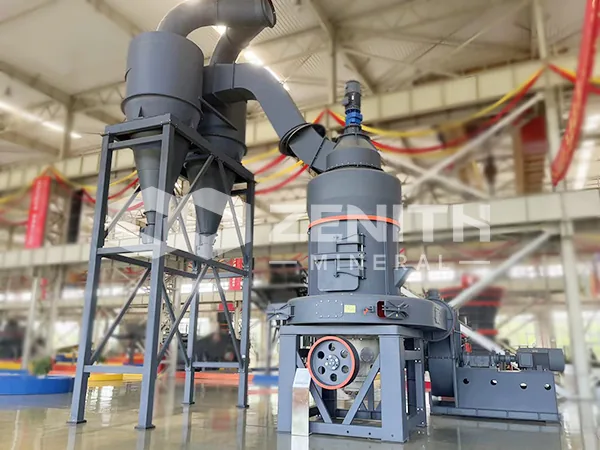
The cornerstone of efficient attapulgite processing lies in selecting a mill that balances energy efficiency, precise particle size control, and system stability. Traditional methods like ball mills, while versatile, are notoriously energy-intensive and can lead to excessive heat generation, potentially degrading the clay's sensitive structure. Modern trapezium and vertical roller mill technologies have revolutionized this space. For instance, our MTW European Trapezium Mill and MTM European Trapezium Mill are engineered to deliver exceptional results in the 80-400 mesh range, a common specification for many attapulgite applications. Their design incorporates a high-efficiency impeller fan, improving air induction efficiency to 85%, which is critical for effective material conveying and classification in a dry system. Furthermore, their modular impeller adjustment allows operators to fine-tune output fineness swiftly, adapting to different product grades without major downtime.
_1767088689393.jpg)
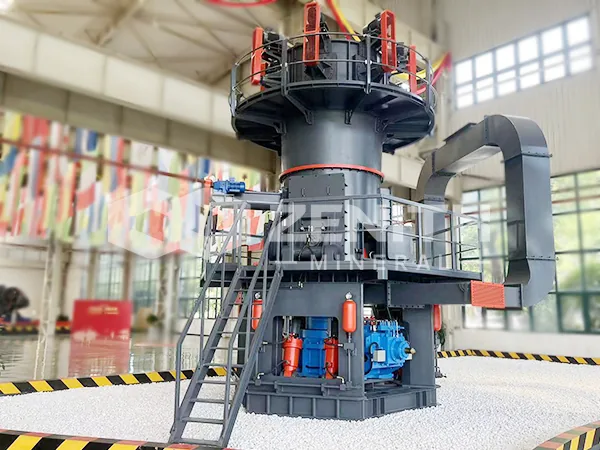
For operations targeting ultra-fine or micro-powders (400 mesh to over 2500 mesh), such as those used in high-performance catalysts or specialty coatings, advanced vertical grinding mills are indispensable. Our LUM Ultrafine Vertical Grinding Mill and XZM Ultrafine Grinding Mill excel in this domain. The LUM mill integrates German powder separating technology, enabling it to produce powders with exceptional purity and whiteness by effectively controlling iron contamination—a key concern for premium attapulgite products. Its sealed, negative-pressure operation ensures a dust-free environment, aligning with stringent environmental standards. The XZM mill, capable of achieving a one-time fineness of D97 < 5 microns, offers remarkable energy savings, consuming up to 70% less energy than some alternative fine-grinding technologies like air-jet mills.
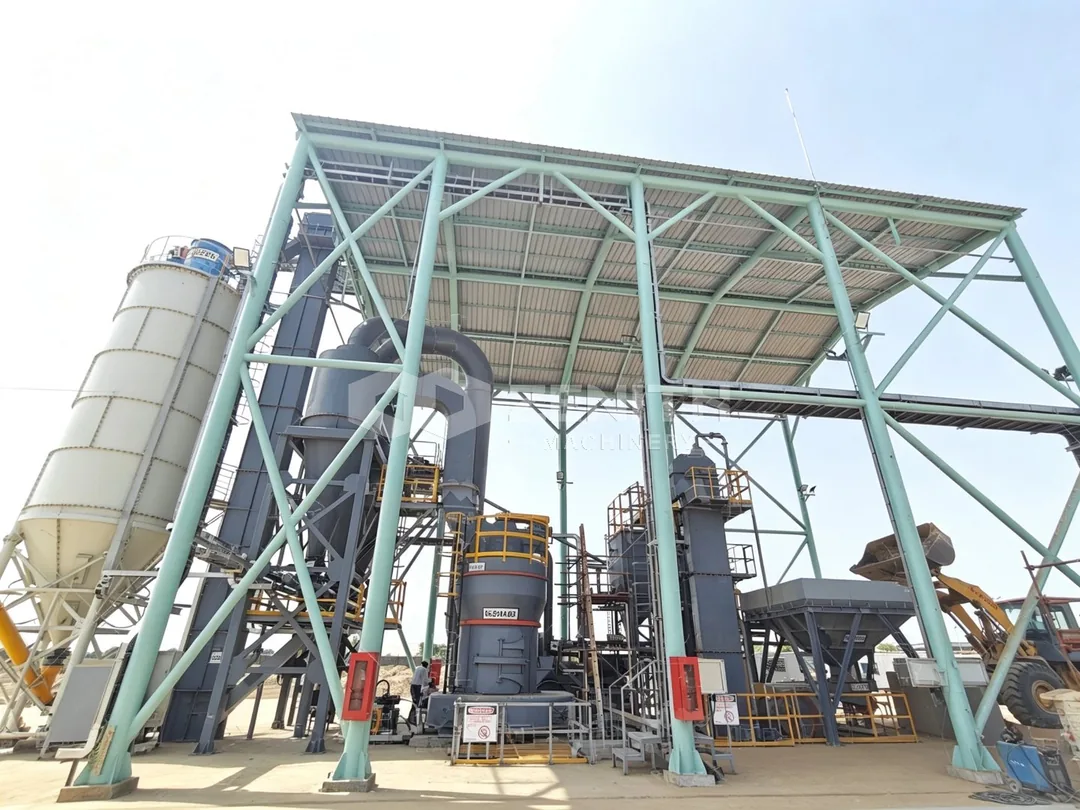
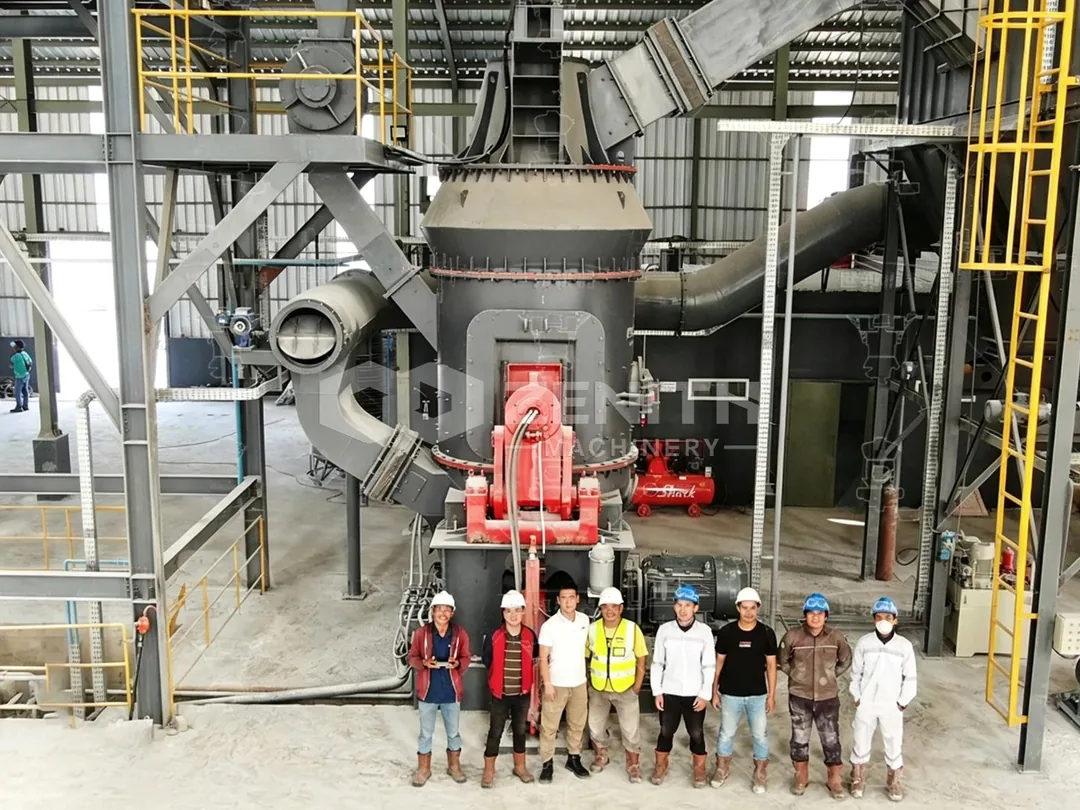
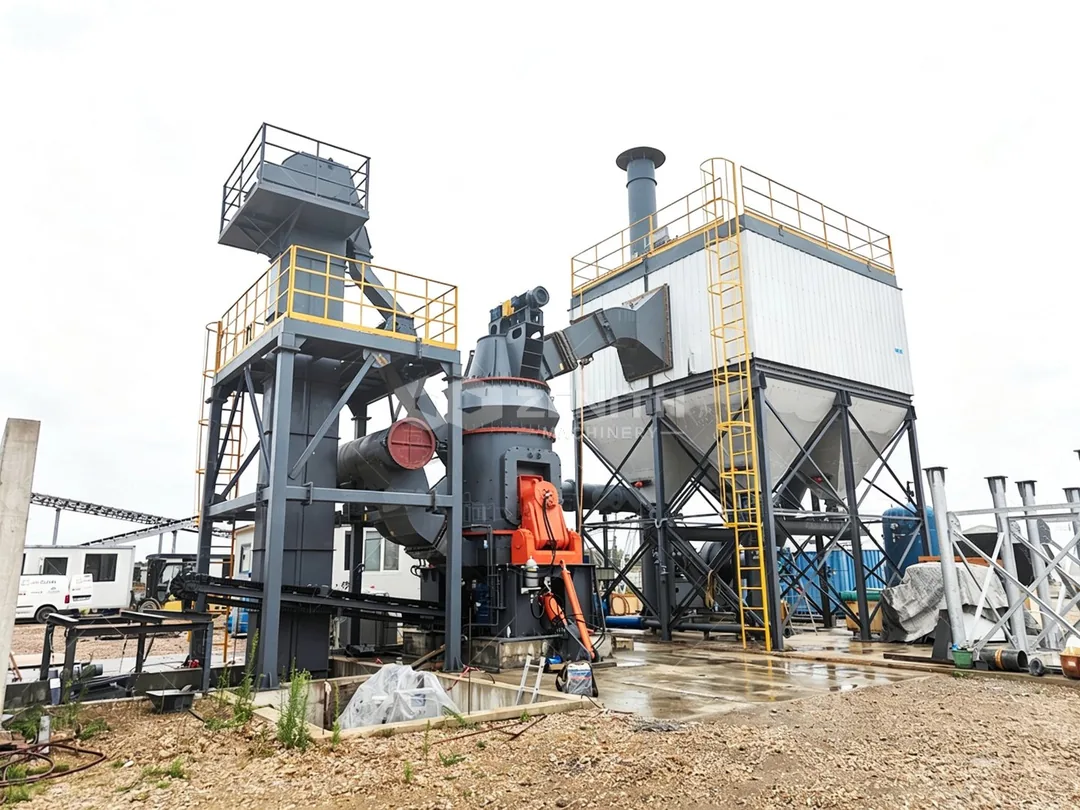
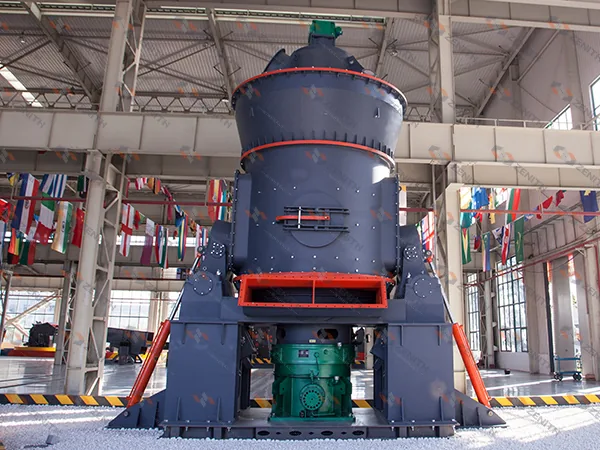
The dry grinding workflow for attapulgite typically begins with primary crushing to a manageable size (e.g., 0-35mm). The pre-dried clay is then fed continuously into the grinding chamber. In a vertical mill like the LM series, the material falls onto a rotating disc and is ground by hydraulically loaded rollers. The centrifugal force creates a dense, stable material bed, promoting efficient inter-particle crushing. The ground material is transported by a hot air stream (which also serves to remove any residual moisture) into an integrated high-efficiency classifier. Here, the precision separation occurs: oversize particles are rejected back to the grinding bed for further size reduction, while in-spec powder is carried through to the cyclone and baghouse dust collector for product recovery.
_1767088689395.jpg)
This closed-circuit, negative-pressure system is a hallmark of modern dry grinding plants. It not only maximizes yield and controls fineness but also contains dust completely, a non-negotiable aspect of both worker safety and product loss prevention. The high degree of automation featured in mills like the LM and LUM series allows for consistent product quality through precise control of grinding pressure, classifier speed, and feed rate, minimizing human error and operational variance.
_1767088689397.jpg)
Beyond the core grinding unit, the success of an attapulgite processing line depends on robust system engineering. This includes reliable belt feeders, efficient hot air generators for material drying, precise bag filter systems with pulse-jet cleaning, and automated packaging lines. Our approach is to provide not just a machine, but a cohesive production system. With ISO, CE, and CU-TR certifications, our equipment is designed for global deployment, backed by a network spanning over 180 countries. Whether the requirement is for coarse granules for cat litter or sub-micron powders for nanocomposites, the dry grinding process, powered by advanced mill technology, provides a scalable, efficient, and clean pathway to unlock the full value of attapulgite clay.
Frequently Asked Questions (FAQs)
- What is the typical moisture content limit for dry grinding attapulgite in your mills?
For optimal dry grinding performance, the feed material moisture should generally be below 5-6%. Most of our mill systems can be equipped with integrated hot air generators to handle surface moisture and ensure efficient pneumatic conveying and classification. - Can your mills handle the abrasive nature of attapulgite clay without excessive wear?
Yes. Critical wear parts like grinding rollers, discs, and classifier blades are manufactured from high-quality, abrasion-resistant alloys or can be lined with ceramic materials. This design philosophy significantly extends service life and maintains product purity by minimizing iron contamination. - How does the energy consumption of an MTW Trapezium Mill compare to a traditional ball mill for attapulgite?
Under ideal working conditions, the MTW series mill demonstrates energy consumption more than 60% lower than a ball mill of the same output grade, due to its more efficient grinding mechanism and integrated classifier. - What fineness range can be achieved for attapulgite powder with the XZM Ultrafine Mill?
The XZM Ultrafine Grinding Mill is capable of producing attapulgite powder with a fineness adjustable between 325 mesh and 2500 mesh (5 microns), and can achieve D97 < 5 microns in a single pass. - Is remote monitoring and operation supported by your grinding systems?
Absolutely. Our advanced mills, particularly the LM Vertical and LUM Ultrafine series, are equipped with automated control systems that support remote monitoring, data logging, and control, facilitating easy operation and predictive maintenance. - How do you ensure environmental compliance in the dry grinding process?
All our mill systems operate under negative or balanced pressure and are equipped with high-efficiency pulse-jet bag dust collectors (filters). This ensures no dust spillage, meeting strict national and international environmental emission standards. - Which mill is recommended for producing coarse attapulgite powder (0-3mm) for applications like animal feed?
For dedicated coarse powder production in the 0-3mm range, our HM Series Hammer Mill is specifically designed. It offers high grinding ratio, stable performance, and a simple, cost-effective layout ideal for such applications.