Flowchart of lignite dry grinding process for producing humic acid fertilizer
2025-12-30 00:56:42
In the modern agricultural sector, the demand for high-efficiency, sustainable, and soil-enhancing fertilizers is rapidly growing. Humic acid, a key component derived from natural sources like lignite (brown coal), plays a vital role in improving soil structure, nutrient retention, and plant growth. The production of high-quality humic acid fertilizer hinges on a precise and efficient dry grinding process to transform raw lignite into a fine, bioactive powder. This article outlines a professional flowchart for this process, leveraging advanced grinding technology from Zenith Machinery to ensure optimal yield, purity, and operational efficiency.
The journey begins with raw lignite feedstock, typically with a moisture content below 12% for optimal dry processing. The first stage involves primary crushing using a Hammer Mill (HM Series). This equipment is specifically designed for coarse powder production (0-3mm), efficiently breaking down large lignite chunks into smaller, uniform particles. Its high grinding ratio and stable performance ensure a consistent feed for the subsequent fine grinding stage, while its compact design minimizes the plant footprint and initial investment.
_1767027402783.jpg)
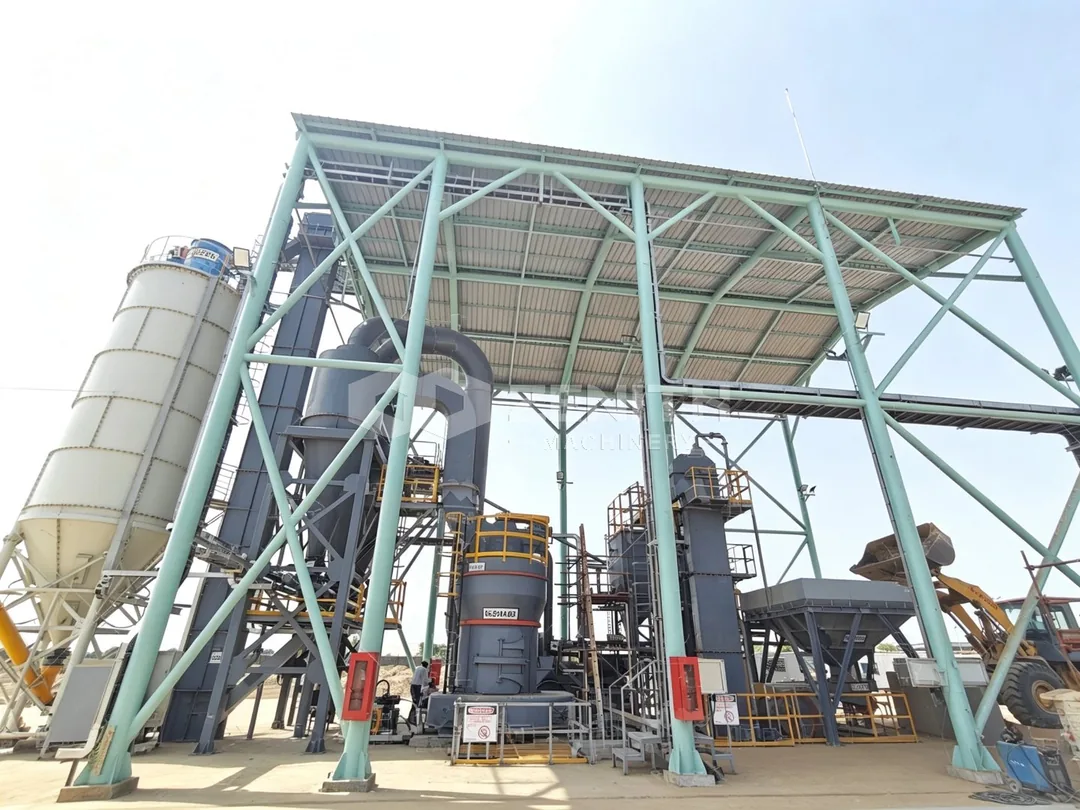
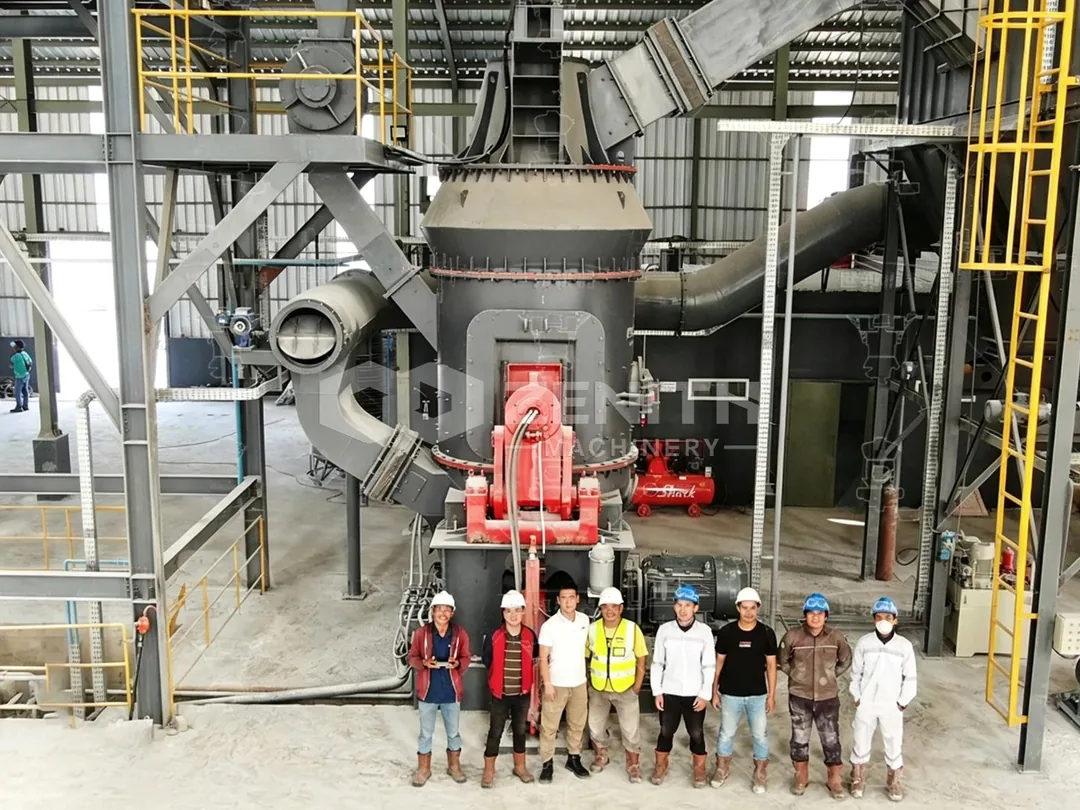
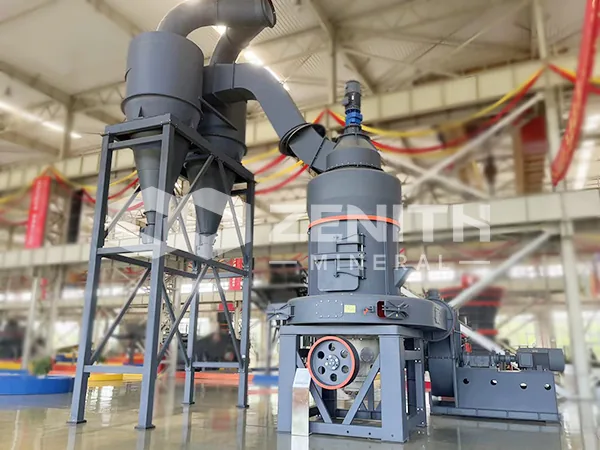
The coarsely crushed lignite is then conveyed to the core of the process: the fine grinding mill. For producing humic acid powder, achieving a specific fineness (typically between 80-400 mesh) is critical to maximize the surface area and biological activity. Here, Zenith's MTW European Trapezium Mill or MTM European Trapezium Mill are exemplary choices. These mills are workhorses for producing fine mineral powders. They operate with an energy consumption over 60% lower than traditional ball mills, a significant cost-saving factor. Their modular impeller adjustment device allows operators to easily tweak the output fineness—a crucial flexibility when catering to different humic acid formulation requirements.
The ground material is pneumatically transported to an integrated powder classifier. This high-efficiency separator, powered by a high-efficiency impeller fan (with air induction efficiency up to 85%), precisely divides the powder stream. Qualified fine powder proceeds, while oversized particles are rejected and returned to the grinding chamber for re-grinding. This closed-loop classification ensures a tightly controlled particle size distribution.
_1767027402785.jpg)
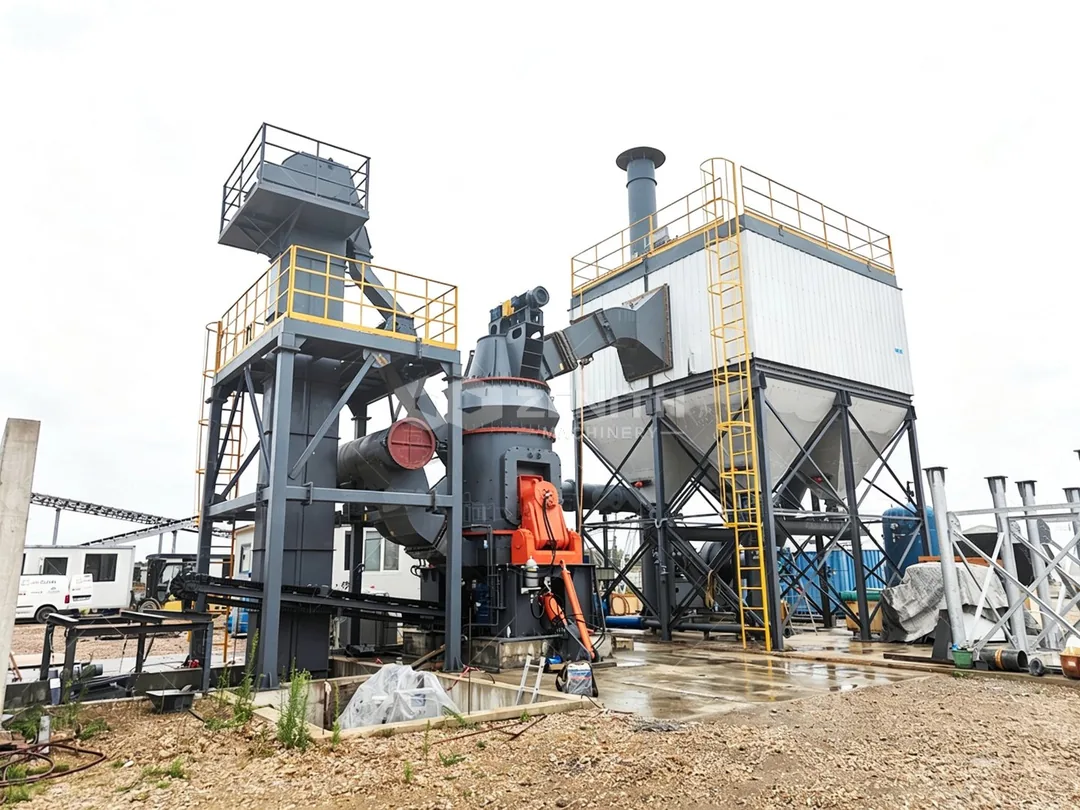
The classified fine powder, now the nascent humic acid product, enters the collection phase. A cyclone powder collector separates the bulk of the product from the air flow under negative pressure. To achieve near-zero dust emission and meet stringent environmental standards, the system is finalized with a pulse jet bag filter. This dust collector captures any residual ultrafine particles, ensuring a clean working environment and maximizing product yield. The collected, high-purity humic acid powder is then ready for storage, packaging, or further blending with other nutrients to create compound fertilizers.
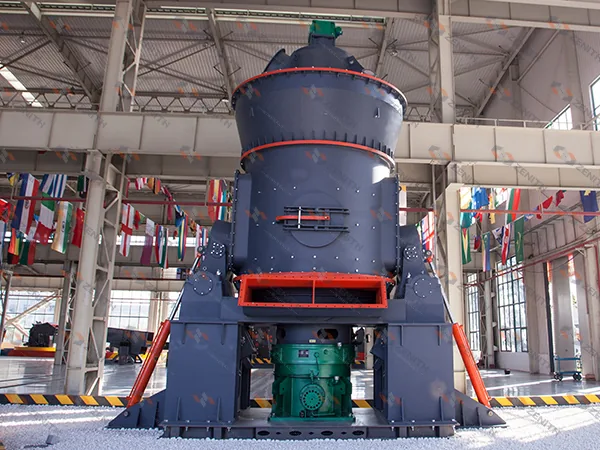
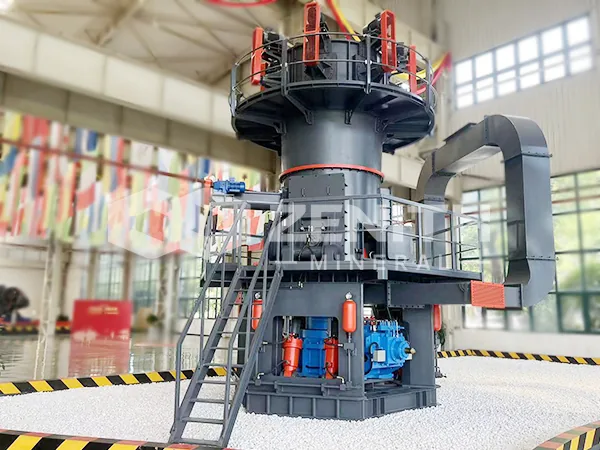
For producers aiming at ultra-fine humic acid products (325-2500 mesh) for specialized foliar applications or high-end formulations, the flowchart can integrate an additional stage using the LUM Ultrafine Vertical Grinding Mill or XZM Ultrafine Grinding Mill. These mills can be placed downstream of the trapezium mill for secondary grinding, offering exceptional control over final fineness (adjustable arbitrarily on the control panel) and superior energy efficiency for ultrafine processing.
_1767027402787.jpg)
A key advantage of this dry grinding flowchart is its systemic design. From the MTW/MTM mill's integrated production system to the fully enclosed negative-pressure operation of the LUM mill, the process minimizes dust spillage, reduces vibration and noise, and aligns with eco-friendly production principles. Furthermore, the high degree of automation in Zenith's grinding solutions—featuring intelligent control systems—allows for remote monitoring, labor-free operation in the main workshop, and consistent product quality, which is paramount for fertilizer efficacy.
In summary, the dry grinding process for humic acid fertilizer from lignite is a seamless integration of crushing, precision grinding, efficient classification, and environmentally sound collection. By selecting equipment like Zenith's MTW/MTM series for core grinding and complementing it with hammer mills for pre-crushing and ultrafine mills for specialty grades, producers can establish a flexible, low-consumption, and high-yield production line. This process not only unlocks the agronomic value locked within lignite but does so in a way that is economically viable and environmentally responsible for global agricultural markets.
Frequently Asked Questions (FAQs)
- What is the typical input size of raw lignite for this dry grinding process?
The process is designed to handle raw lignite with a feed size of 0-35mm. Primary crushing using a Hammer Mill is recommended for larger feedstock to achieve this optimal size range for the fine grinding mills. - Why choose dry grinding over wet grinding for humic acid production?
Dry grinding is generally more energy-efficient for lignite, eliminates the need for drying steps later, produces a powder directly suitable for dry fertilizer blending, and, with modern enclosed systems, effectively controls dust, making it a more straightforward and cost-effective process. - How is the fineness of the final humic acid powder controlled?
The fineness is precisely controlled by the integrated powder classifier within the grinding mill (e.g., MTW/MTM). By adjusting the speed of the classifier rotor (often via a VFD on the control panel) or changing modular impellers, the output can be reliably tuned between 80 mesh and 400 mesh, or even finer for ultrafine mills. - What are the key advantages of using the MTW series mill in this application?
The MTW European Trapezium Mill offers high capacity (up to 50tph), energy savings of over 60% compared to ball mills, adjustable fineness, high collection efficiency (85% induced air efficiency), and a complete system that reduces plant layout and foundation costs. - Is the process environmentally friendly?
Yes. The entire system operates under negative pressure, and is equipped with high-efficiency cyclone collectors and pulse jet bag filters. This configuration ensures no dust spillage, low noise, and compliance with national and international environmental protection standards. - Can the same production line produce different grades of humic acid powder?
Absolutely. The adjustable output fineness feature of the grinding mills allows a single production line to switch between manufacturing different mesh sizes (e.g., 100 mesh for soil amendment, 200 mesh for fertilizer blending, or 800+ mesh for foliar sprays) with minimal downtime, simply by adjusting the classifier settings. - What is the recommended moisture content for the input lignite?
For optimal dry grinding performance and to prevent clogging, the moisture content of the input lignite should be controlled, typically below 12%. If moisture is higher, a pre-drying stage may be necessary before crushing. - How does the energy consumption compare to traditional ball mills?
Zenith's advanced grinding mills like the MTW, MTM, and LUM series are designed for high efficiency. Under ideal conditions, they can achieve energy consumption reductions of 30% to over 60% compared to ball mills of the same grade, significantly lowering operational costs.