Uses of lignite weathering coal mill finished products: humic acid fertilizer
2025-12-29 17:58:10
In the quest for sustainable and high-efficiency agriculture, humic acid fertilizers have emerged as a cornerstone of modern soil health management. Derived primarily from weathered lignite (leonardite), these organic amendments enhance soil structure, increase nutrient availability, and stimulate plant growth. However, the efficacy of the final humic acid product is intrinsically linked to a critical upstream process: the precise and efficient grinding of the raw lignite ore. This is where specialized industrial grinding technology, such as that developed by Shanghai Zenith Machinery, becomes indispensable.
Weathered lignite, rich in humic substances, is a challenging material to process. Its variable moisture content, fibrous structure, and the need for specific particle size distributions to maximize humic acid extraction and bioavailability demand grinding solutions that are both robust and precise. A one-size-fits-all approach simply won't suffice. The transformation from raw, bulky lignite chunks into a reactive, fine powder suitable for fertilizer formulation requires a carefully selected mill that balances capacity, fineness control, energy efficiency, and operational stability.

For coarse preliminary size reduction of raw lignite, the Hammer Mill (HM Series) plays a vital role. Capable of processing feed sizes up to 50mm and producing a consistent 0-3mm coarse powder, it sets the stage for further refinement. Its high grinding ratio and stable performance ensure a uniform feed for downstream fine grinding mills, optimizing the entire production line's efficiency.
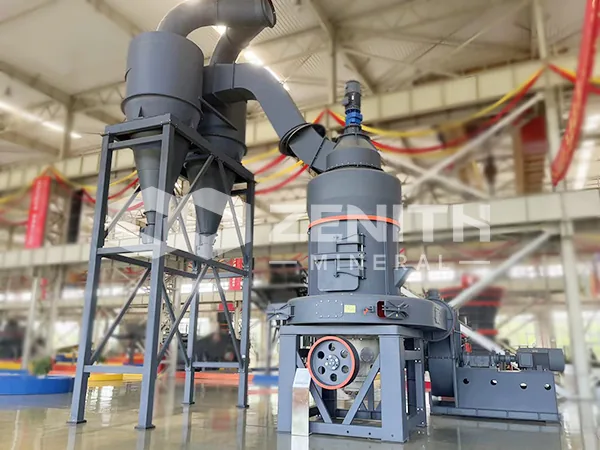
The core of humic acid fertilizer preparation often lies in fine grinding. Here, Zenith's MTW European Trapezium Mill and MTM European Trapezium Mill are industry favorites. Engineered to produce powders in the 80-400 mesh range—the sweet spot for many humic acid extraction processes—these mills offer exceptional adaptability. Their modular impeller adjustment device allows operators to fine-tune output fineness simply by changing impellers, providing the flexibility needed to cater to different lignite sources and final product specifications. Crucially, their design consumes over 60% less energy than traditional ball mills, a significant factor in reducing the carbon footprint and operational cost of fertilizer production.

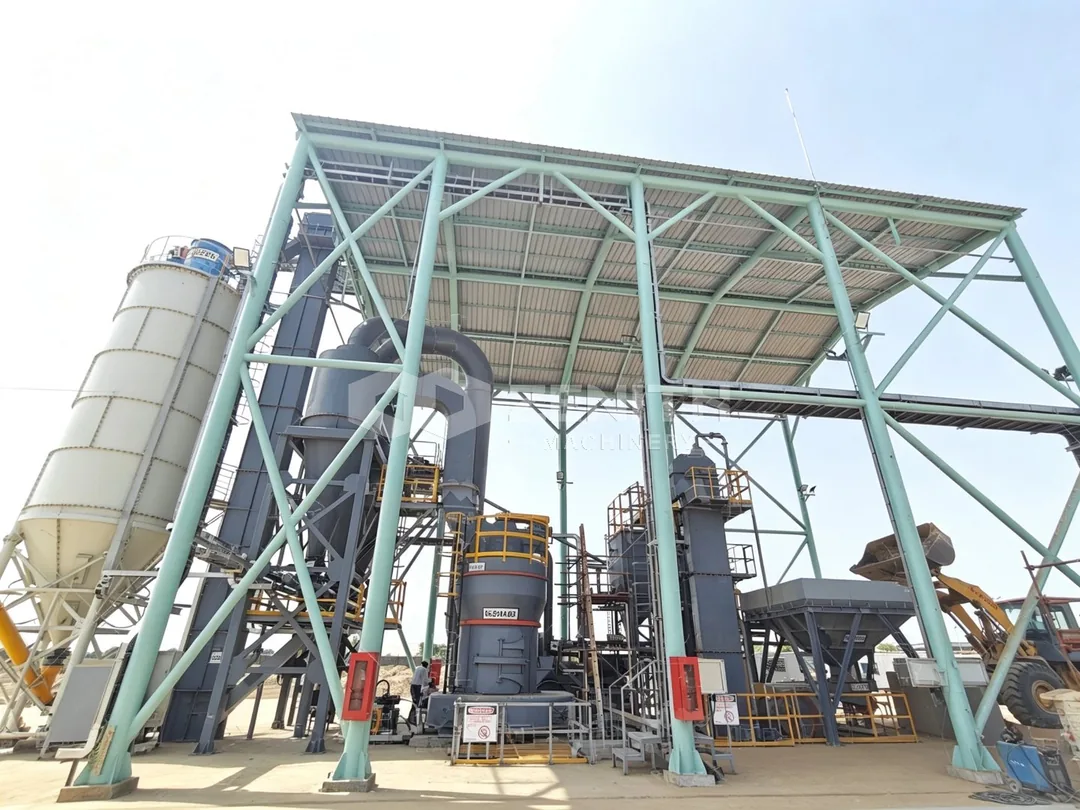
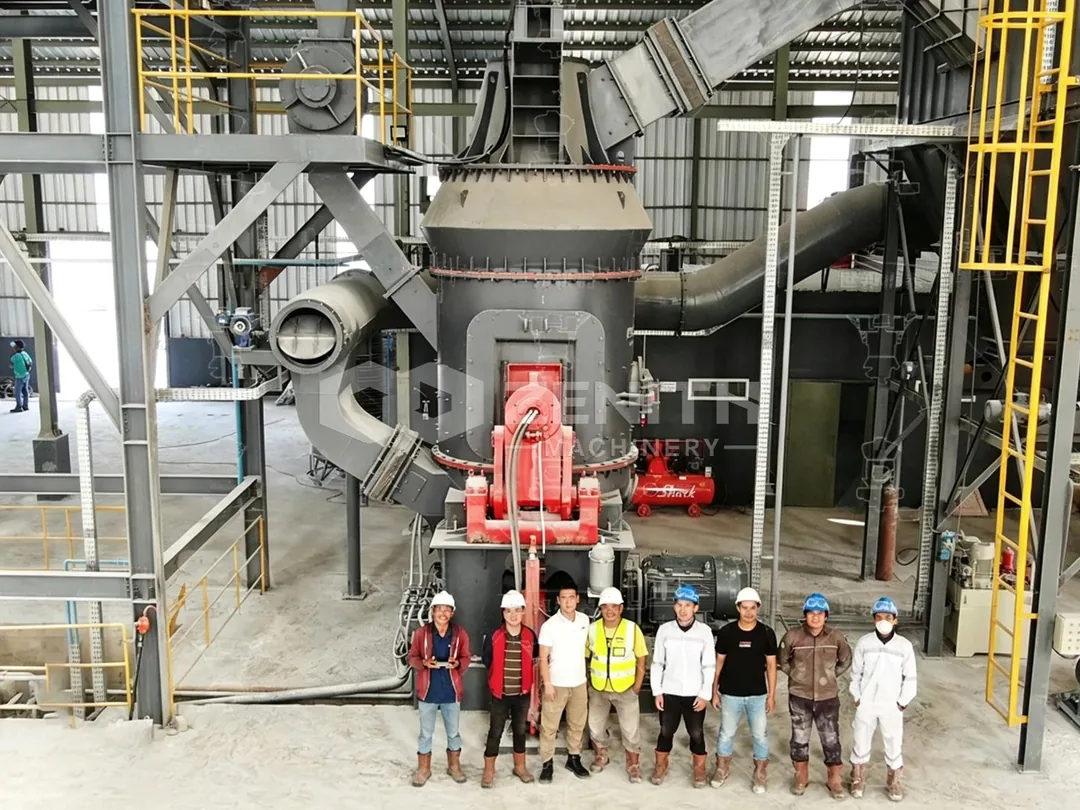
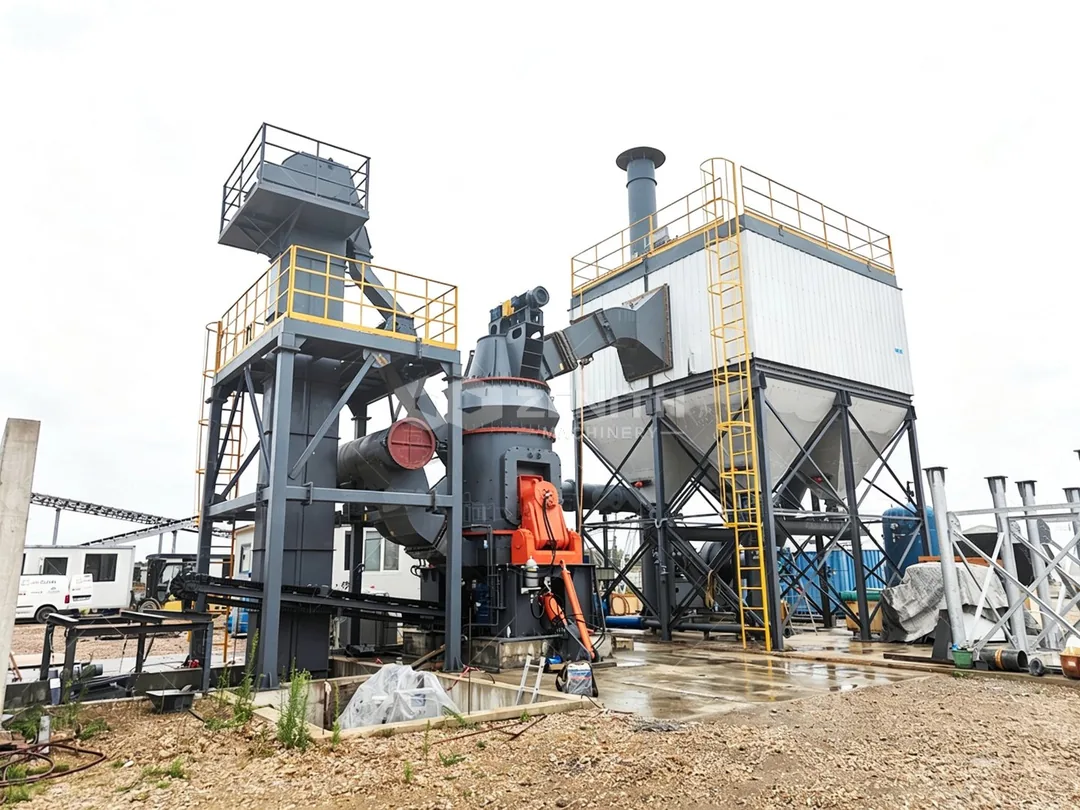
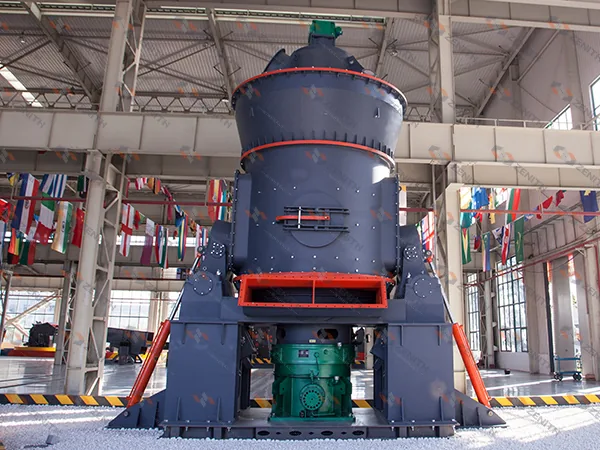
When production demands scale up to require 24/7 operation, high automation, and exceptional product purity, the LM Vertical Grinding Mill stands out. Its integrated design reduces the footprint by about 50% compared to ball mill systems and operates under negative pressure, ensuring a dust-free environment—a key consideration for product quality and worker safety. The ability to precisely control particle size and minimize iron contamination is paramount for producing high-grade, light-colored humic acid powders.
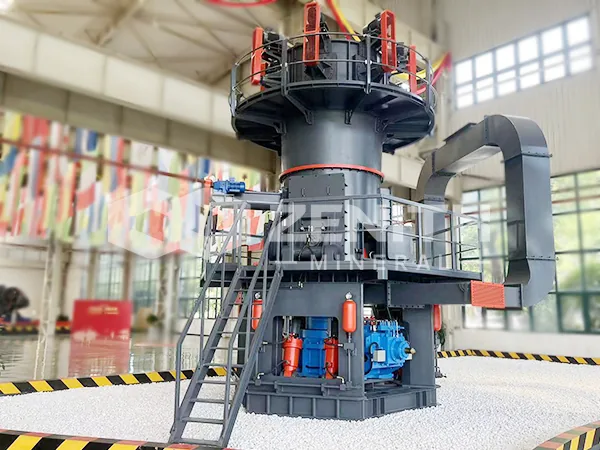
For premium-grade fertilizers requiring ultrafine humic acid powders to increase surface area and reactivity, Zenith's LUM Ultrafine Vertical Grinding Mill and XZM Ultrafine Grinding Mill are the technologies of choice. The LUM mill can achieve fineness up to 2500 mesh while reducing energy consumption by 30-50% compared to ordinary mills. The XZM series offers arbitrary fineness adjustment between 325 and 3250 mesh, capable of reaching D97 < 5 microns in a single pass. This ultrafine grinding maximizes the solubility and biological activity of the humic substances, creating a superior, highly effective fertilizer additive.
_1767002290682.jpg)
The working principle across Zenith's mill range—involving centrifugal force, precision classification, and closed-circuit grinding—ensures a consistent, narrowly graded final product. Whether it's the roller-and-ring crushing of the Raymond Mill for mid-range fineness or the grinding-disc-and-roller action of the vertical mills, the goal is the same: to liberate the valuable humic acids from the lignite matrix without degrading them, creating a uniform powder that can be easily blended, granulated, or applied directly.
In conclusion, the journey from weathered lignite to a potent humic acid fertilizer is a technological one. The selection of the appropriate grinding mill is not merely an equipment choice; it is a strategic decision that directly impacts product quality, extraction yield, production cost, and environmental compliance. By leveraging advanced grinding solutions like those from Zenith, producers can transform a raw geological resource into a consistent, high-performance agricultural input, fueling the future of sustainable farming.
Frequently Asked Questions (FAQs)
- What is the optimal fineness (mesh size) for grinding lignite to produce humic acid fertilizer?
The optimal range is typically between 80 and 400 mesh for standard extraction. However, for highly soluble or foliar application products, ultrafine grinding up to 2500 mesh may be required. The specific fineness depends on the extraction method and desired product characteristics. - Why is energy consumption a major concern in lignite grinding, and how do Zenith mills address it?
Grinding is inherently energy-intensive. Zenith's MTW/MTM Trapezium Mills and LM/LUM Vertical Mills incorporate advanced mechanical designs and efficient classifier systems that reduce energy consumption by 30% to over 60% compared to traditional ball mills, significantly lowering operational costs. - Can the same grinding mill handle lignite with different moisture contents?
Yes, but with considerations. Vertical roller mills like the LM series can integrate a drying function with hot air. For highly variable feed, it's crucial to discuss material specifics with the equipment provider to select a mill with appropriate airflow, heating, and material handling capabilities. - How does the grinding process affect the quality and biological activity of the humic acids?
Proper grinding increases surface area, enhancing extraction efficiency and solubility. However, excessive heat generation from friction can potentially degrade organic compounds. Zenith mills are designed for efficient grinding with controlled temperature rise, often through optimized airflow, preserving the bioactive components. - What are the key maintenance points for a mill processing abrasive materials like lignite?
Regular inspection and replacement of wear parts like grinding rollers, rings, or liners are essential. Zenith designs mills with easy-maintenance features, such as the reversible structure and hydraulic system of the LUM mill, allowing quick replacement of vulnerable parts to minimize downtime. - Is dust control important in humic acid powder production, and how is it achieved?
Absolutely. Dust represents product loss, a safety hazard, and an environmental issue. Zenith's grinding systems operate under negative or closed-circuit pressure and are equipped with high-efficiency pulse dust collectors (bag filters), ensuring clean operation and high powder recovery rates that meet strict environmental standards. - What factors should I consider when choosing between a trapezium mill and a vertical roller mill for my humic acid project?
Consider capacity, required fineness, capital investment, and plant layout. Trapezium mills (MTW/MTM) are excellent for fine powder (80-400 mesh) with lower initial cost. Vertical mills (LM/LUM) offer higher automation, larger capacity, better drying ability, and a smaller footprint, ideal for large-scale, continuous production.