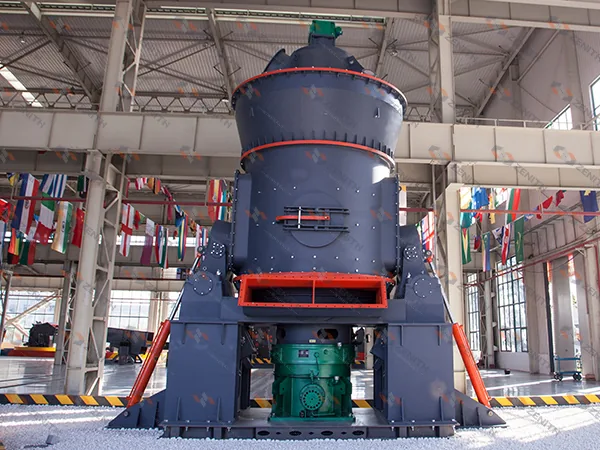
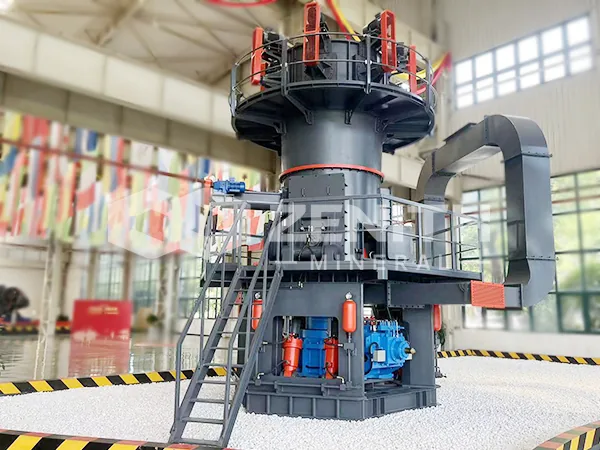
For grinding pyrophyllite into powder for fertilizer production, choose the mtw european-style grinding mill.
2025-12-29 00:56:28
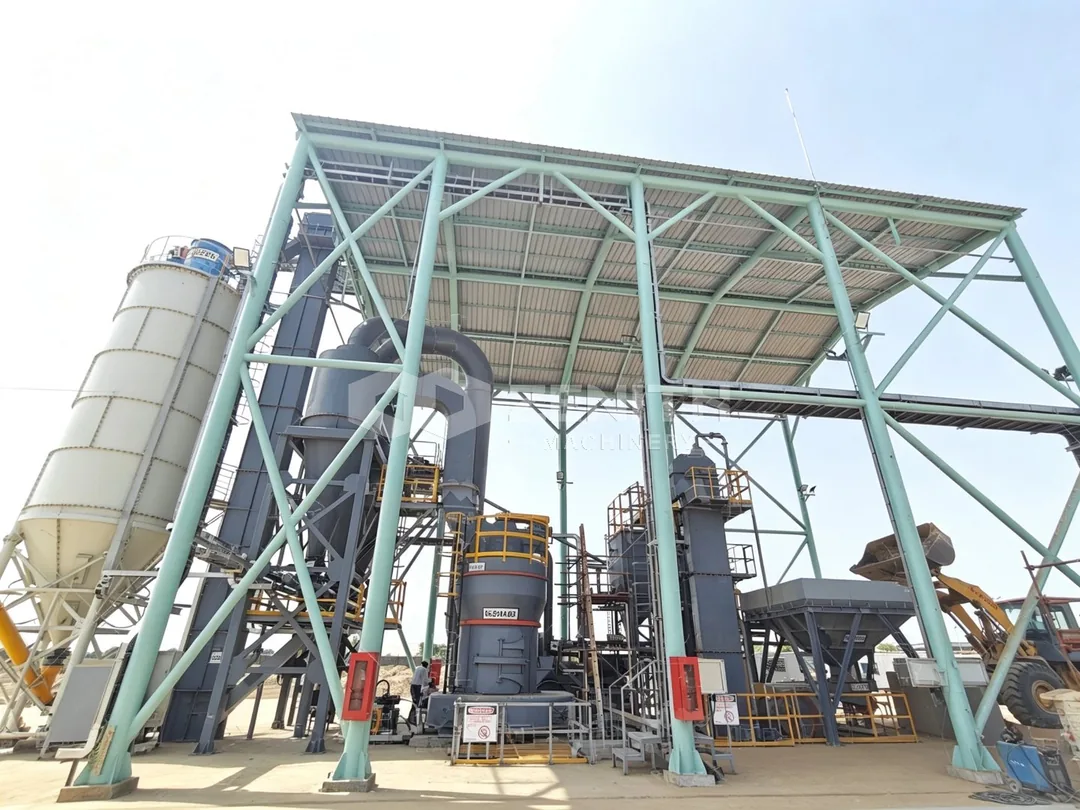
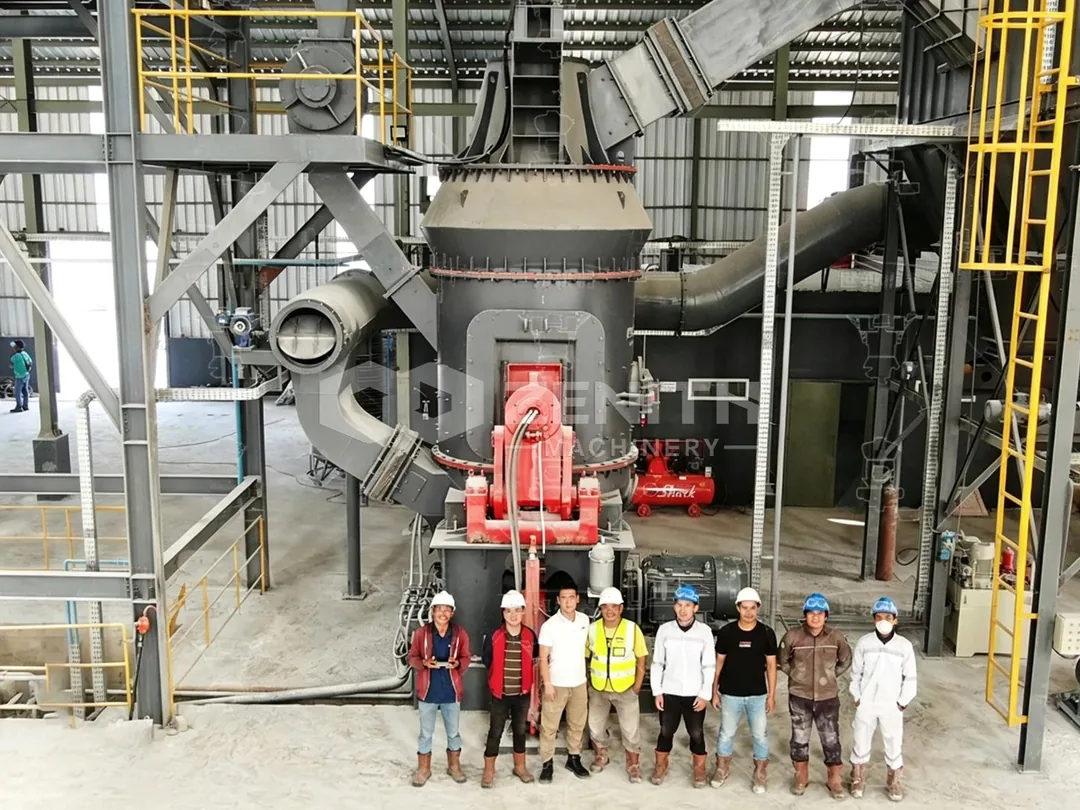
In the competitive landscape of modern fertilizer production, efficiency, consistency, and cost-effectiveness are paramount. The selection of grinding equipment is a critical decision that directly impacts product quality, operational costs, and overall plant profitability. For the specific task of processing pyrophyllite—a valuable aluminosilicate mineral known for its soil-conditioning properties and micronutrient carrier capabilities—the choice becomes even more specialized. After extensive research and field validation, the engineering consensus points clearly to one solution: the MTW European Trapezium Mill from Shanghai Zenith Machinery.
Shanghai Zenith Machinery Co., Ltd., a hi-tech engineering group, has dedicated itself to the research, development, and production of industrial powder grinding equipment. With certifications including ISO, EU CE, and CU-TR, and a global network spanning over 180 countries, Zenith's expertise is built on a foundation of international standards and practical application. For fertilizer producers aiming to transform raw pyrophyllite into a highly effective, uniform powder, the MTW series represents the pinnacle of this expertise.
_1766940988477.jpg)
Why Pyrophyllite, and Why Fine Grinding?
Pyrophyllite offers unique benefits in fertilizer formulations, including improved moisture retention, nutrient delivery, and soil structure. However, its efficacy is intrinsically linked to particle size. A coarse, uneven grind leads to inconsistent nutrient release and poor blend homogeneity. The goal is a fine, consistent powder within the 80-400 mesh range, which maximizes surface area for nutrient adhesion and ensures even distribution in composite fertilizers. This is precisely the performance window of the MTW Mill.
Technical Superiority of the MTW European Trapezium Mill
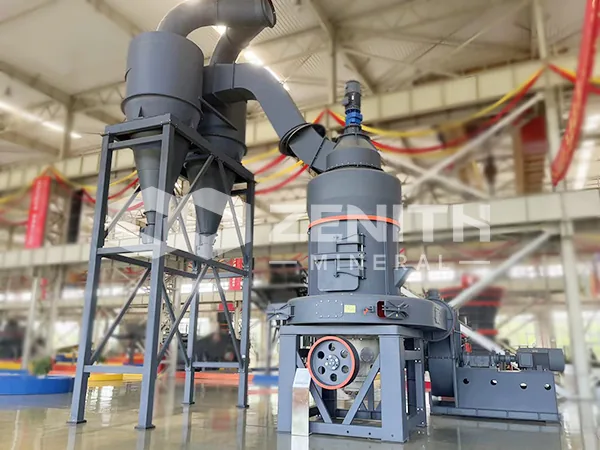
The MTW series is engineered not just as a grinder, but as an integrated powder production system. Its design philosophy centers on overcoming the traditional pain points of mineral processing.
Unmatched Efficiency & Cost Savings: The most compelling argument for the MTW mill is its dramatic reduction in energy consumption. Operating under ideal conditions, it consumes over 60% less energy than a traditional ball mill of the same grade. For a fertilizer plant running 24/7, this translates to massive operational cost savings and a significantly reduced carbon footprint, aligning with sustainable production goals.
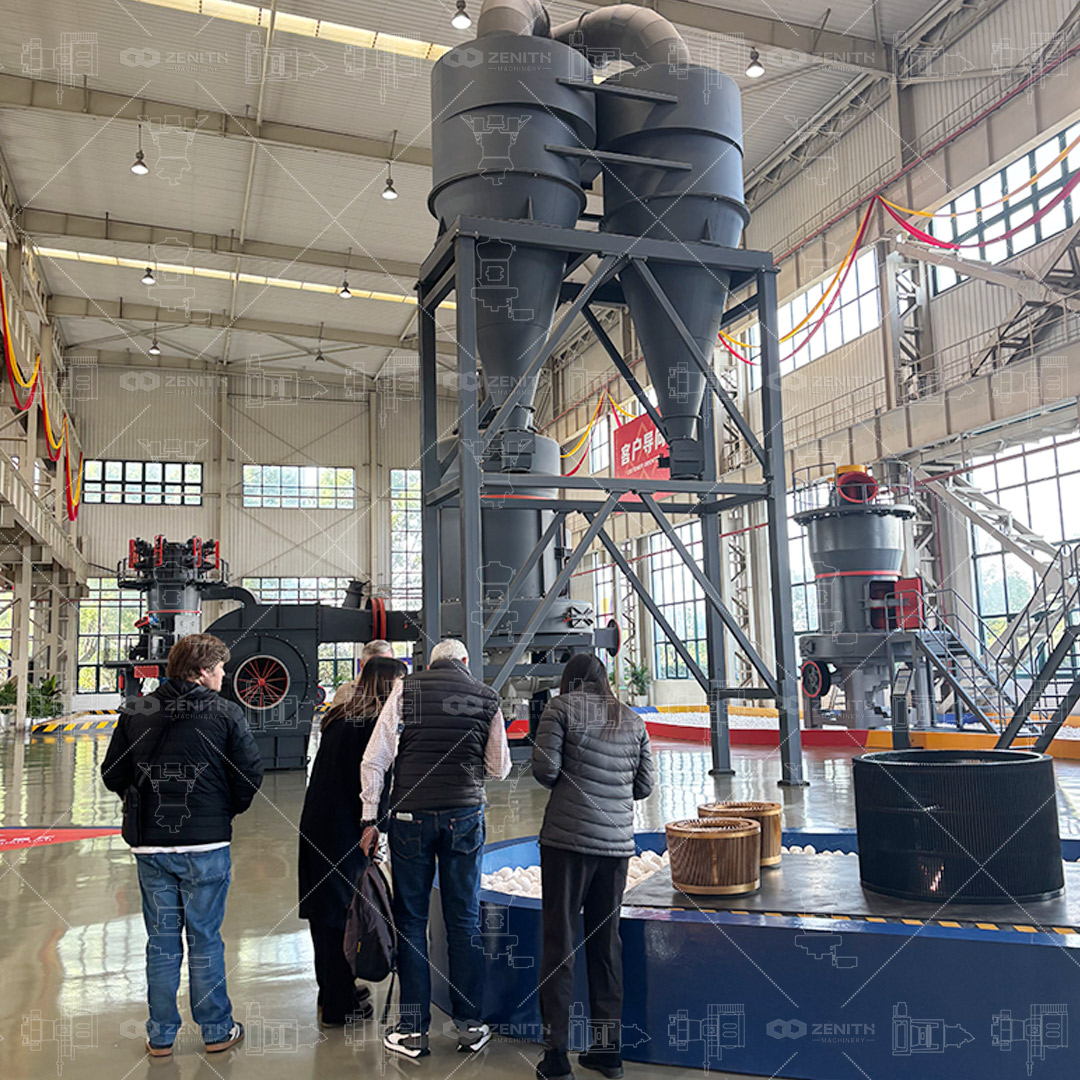
Precision and Flexibility: Fertilizer recipes vary, and so do fineness requirements. The MTW mill's modular impeller adjustment device allows operators to produce different product finenesses (from 30 to 325 mesh) simply by changing impellers. This flexibility ensures a single machine can meet diverse production specifications without costly downtime or reconfiguration.
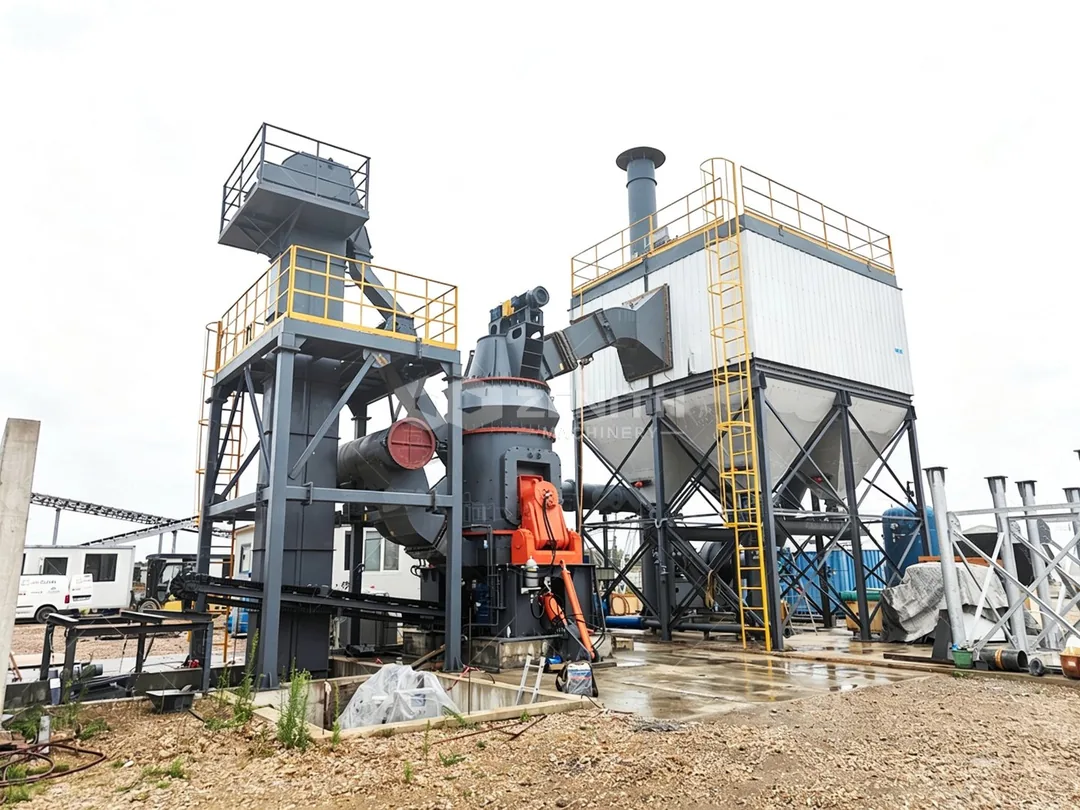
Compact Design & Stable Output: With its self-contained production system—from bulk material feeding to finished powder collection—the MTW mill requires less plant space and foundation investment. Its high-efficiency impeller fan boosts air induction efficiency to 85%, ensuring stable material circulation and consistent output quality. The system operates under sealed, negative-pressure conditions, integrated with a pulse dust collector for an environmentally clean workspace that meets stringent national standards.
The Grinding Process: From Rock to Refined Powder
The working principle of the MTW mill is a model of efficiency. Crushed pyrophyllite is fed into the grinding chamber via a variable frequency feeder. The rotating grinding rollers crush the material against the ring. The fan-driven airflow then carries the crushed particles to the integrated powder classifier. Here, the precision happens: qualified fine powder is separated and collected as the final product, while oversized particles are automatically returned for re-grinding. This closed-loop system guarantees that every particle meets specification, resulting in a uniform pyrophyllite powder perfect for blending into high-grade fertilizers.
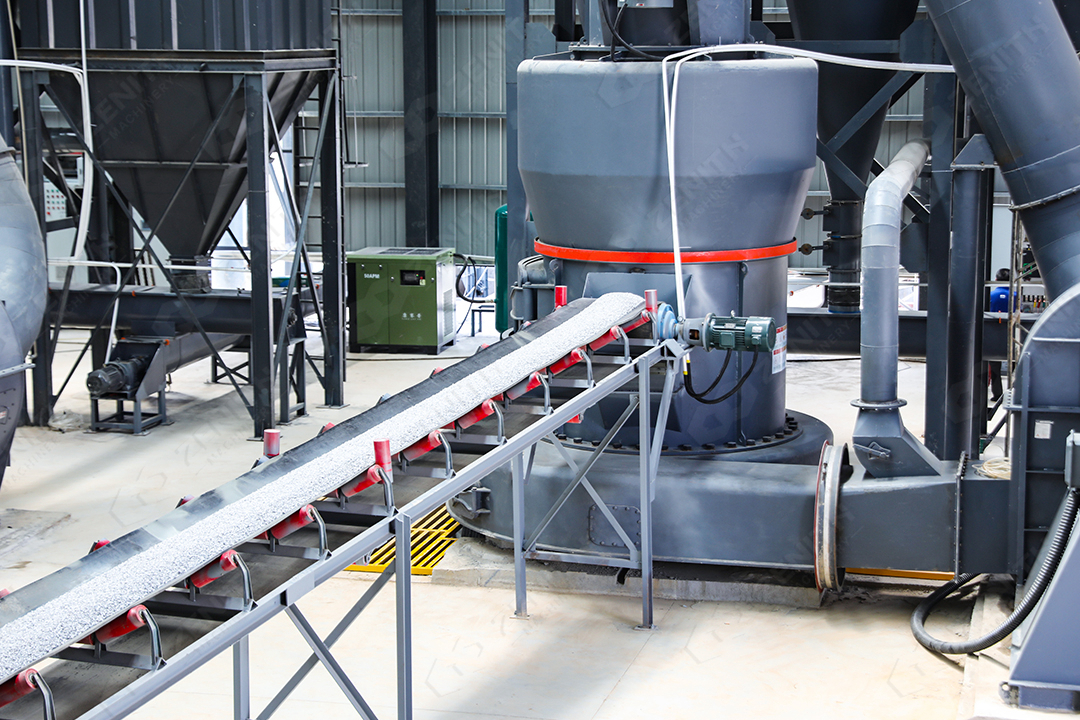
Compared to other grinding options like the Raymond Mill (better for coarser applications) or the ultra-fine LUM Vertical Mill (designed for 2500+ mesh), the MTW European Trapezium Mill occupies the ideal performance niche for agricultural mineral processing. It delivers the perfect balance of high capacity (up to 50 TPH on the largest model), targeted fineness, and operational economy.
For fertilizer producers seeking to enhance their product quality, reduce production costs, and invest in reliable, advanced technology, the MTW European Trapezium Mill is not just a choice—it's a strategic decision for long-term competitiveness. By partnering with Zenith, you gain more than a machine; you gain a global support network and engineering excellence dedicated to your success.
Frequently Asked Questions (FAQs)
- What is the optimal feed size for pyrophyllite into the MTW Mill?
The MTW European Trapezium Mill is designed to handle a feed size of 0-35mm. We recommend primary crushing of raw pyrophyllite to below 35mm for optimal grinding efficiency and to protect the mill's internal components. - Can the MTW Mill handle moist materials, or is drying required beforehand?
The standard MTW mill is designed for dry grinding. For materials with high moisture content, a separate drying stage is recommended prior to grinding. However, the system's high-temperature air intake can assist with removing a limited amount of surface moisture during the process. - How does the maintenance requirement of the MTW Mill compare to a traditional ball mill?
The MTW mill features a more streamlined design with fewer wearing parts in the grinding chamber compared to a ball mill's complex system of balls and liners. Its modular design allows for easier access and replacement of wear parts like grinding rollers and rings, leading to lower maintenance downtime and cost. - What is the typical lifespan of the grinding rollers and rings?
The lifespan depends on the abrasiveness of the processed material. For pyrophyllite, which is of moderate abrasiveness, the high-quality, wear-resistant alloy used in Zenith's grinding rollers and rings typically ensures several thousand hours of operation before replacement is needed. - Does Zenith provide installation and commissioning services globally?
Yes. With overseas offices in over 30 countries and a vast service network, Zenith provides comprehensive technical support, including foundation drawing supply, installation guidance, operator training, and commissioning assistance to ensure your MTW mill operates at peak performance from day one. - Can the MTW Mill produce coarser powders for other applications?
Absolutely. While ideal for 80-400 mesh fine powder, the adjustable classifier system allows the production of powders down to 30 mesh, making it versatile for other industrial applications where a slightly coarser mineral powder is required. - How is dust control managed in the MTW Mill system?
The entire grinding system operates under negative pressure. It is equipped with a high-efficiency pulse jet bag dust collector as standard, which captures over 99.9% of airborne particles. This ensures the production environment is clean and complies with international environmental protection standards.