Egyptian manufacturer of high-calcium carbonate stone mill
2025-12-28 17:56:32
In the heart of Egypt's industrial landscape, where the rich geological bounty of high-purity limestone and marble forms the backbone of numerous value-added sectors, the demand for precision grinding technology has never been greater. From the production of fillers for plastics and paints to the manufacturing of high-grade putty, adhesives, and construction materials, the quality of the final product is intrinsically linked to the performance of the milling equipment. For Egyptian manufacturers seeking to elevate their operations, the choice of grinding machinery is not merely a purchase; it is a strategic investment in consistency, efficiency, and market competitiveness.
Shanghai Zenith Machinery Co., Ltd., a global leader in industrial grinding technology, brings decades of engineering expertise to this critical challenge. Our philosophy is built on a deep understanding that no two mineral processing applications are identical. The quest for the perfect particle size distribution—from coarse aggregates to ultrafine powders—requires a portfolio of solutions, each engineered for specific stages of the size reduction journey. For producers of high-calcium carbonate, this means having access to technology that can handle the material's abrasiveness while preserving its chemical purity and brightness, a non-negotiable attribute for premium applications.
_1766915792971.jpg)
For coarse powder production in the 0-3mm range, essential for applications like dry-mix mortars or animal feed supplements, the HM Series Hammer Mill stands out. Its innovative design overcomes the traditional drawback of uneven particle size, delivering a consistent, coarse powder with high throughput. It represents the robust entry point into size reduction, where reliability and simple operation are paramount.
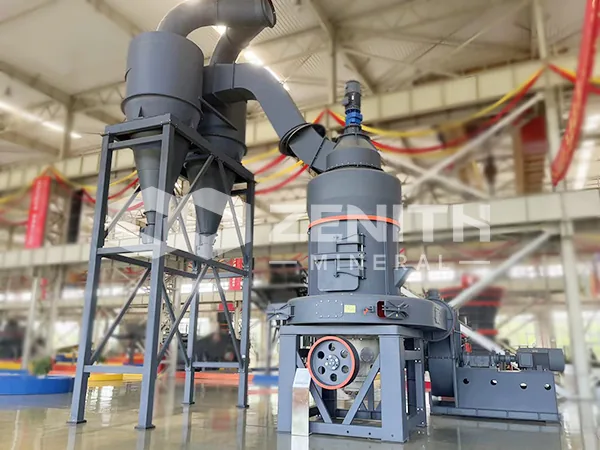
When the process demands fine powders between 80-400 mesh, the workhorses of the industry come into play: the MTW and MTM European Trapezium Mills. These mills are the culmination of over 30 years of practical refinement. Their genius lies in a perfect balance of performance and economy. They integrate the entire process from bulk material to finished powder in a compact footprint, dramatically reducing plant construction costs. Most notably, they achieve an energy consumption more than 60% lower than traditional ball mills of the same grade. For an Egyptian manufacturer, this translates directly into a significant reduction in operational costs, a crucial factor given energy price sensitivities. The adjustable fineness, achieved through a modular impeller system, offers the flexibility to produce different product grades without major downtime.
_1766915792973.jpg)
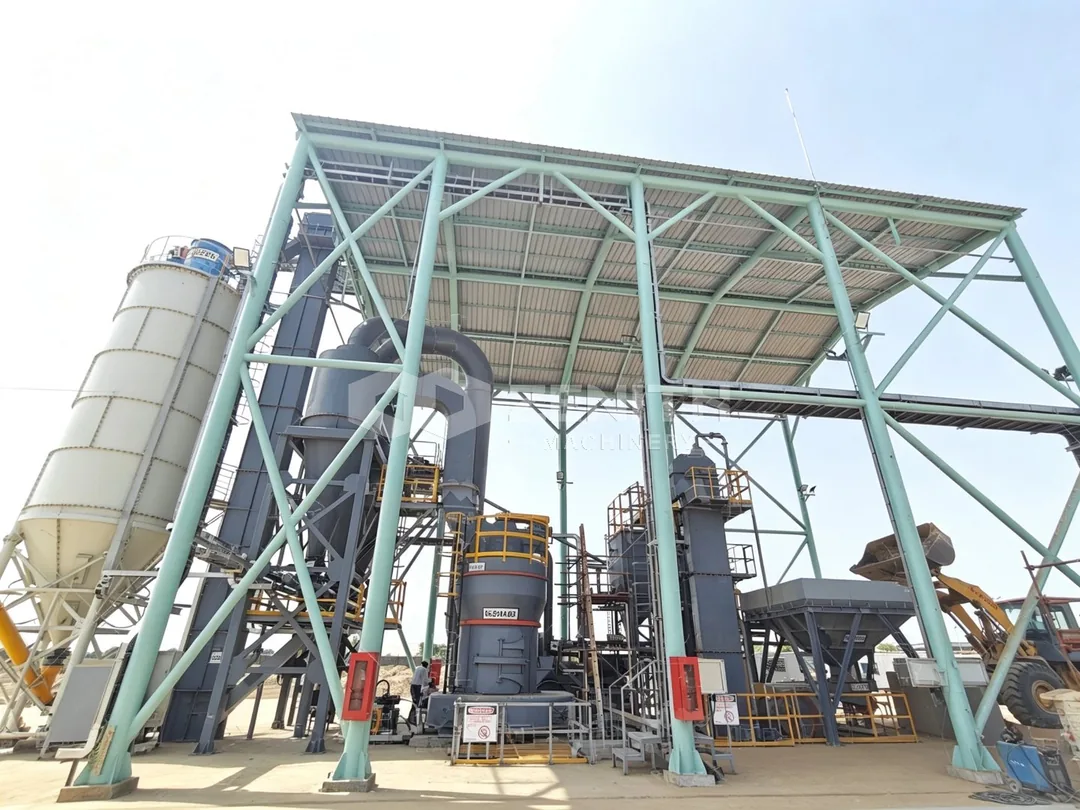
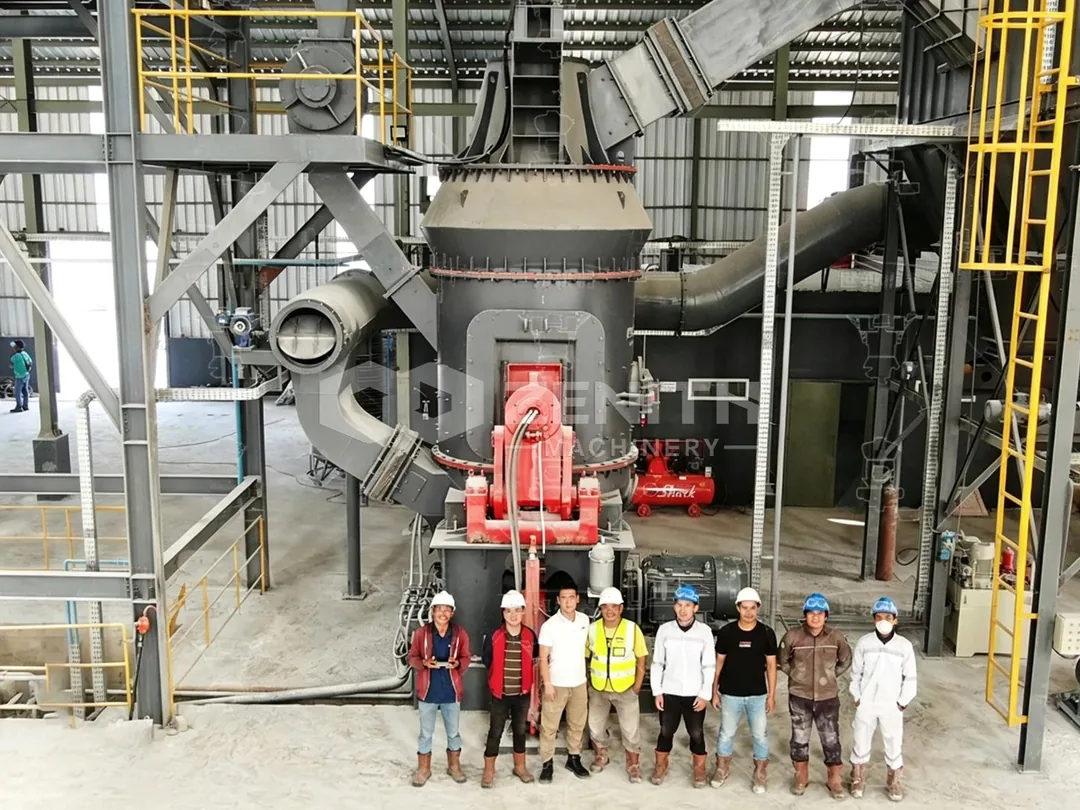
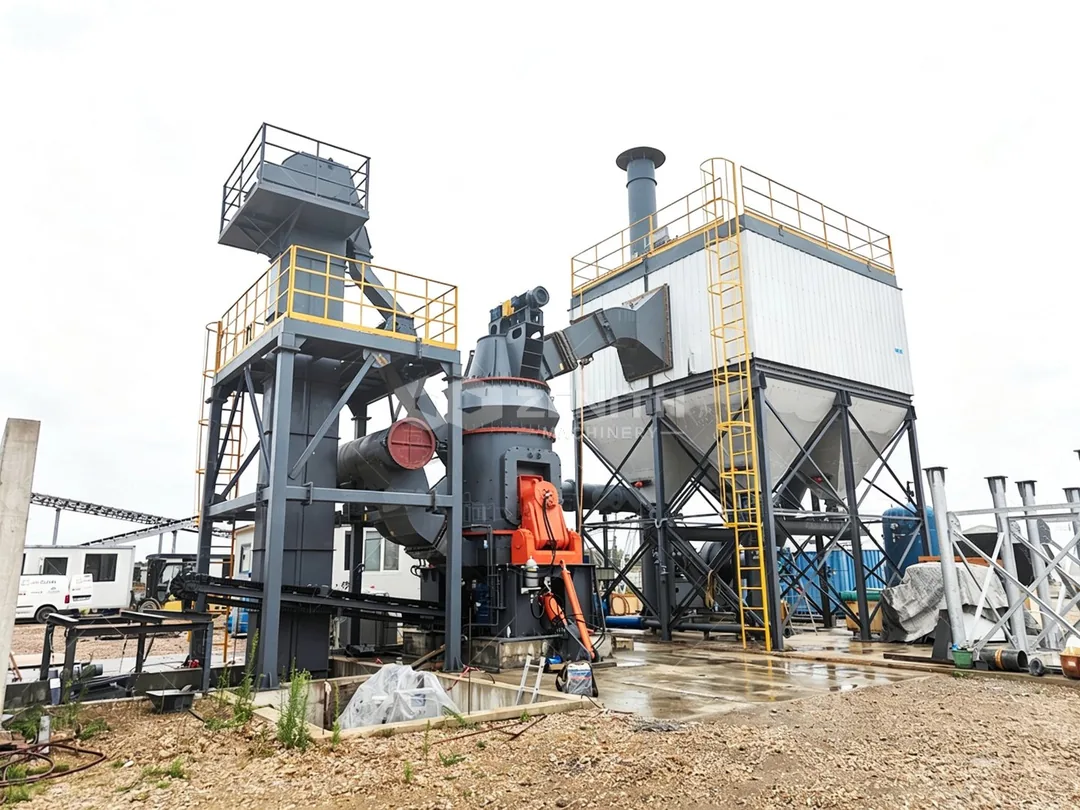
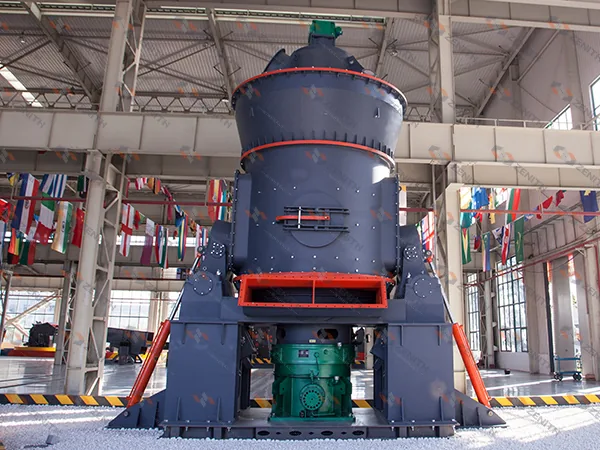
For large-scale, continuous operations requiring the utmost in automation and stability—such as a dedicated mineral powder plant—the LM Vertical Grinding Mill is the technology of choice. Its vertical roller mill design allows for 24-hour constant running with minimal supervision. The sealed, negative-pressure operation ensures a dust-free environment, aligning with increasingly stringent environmental standards. Its ability to control iron contamination is particularly valuable for high-calcium carbonate processing, where product whiteness is a key quality indicator.
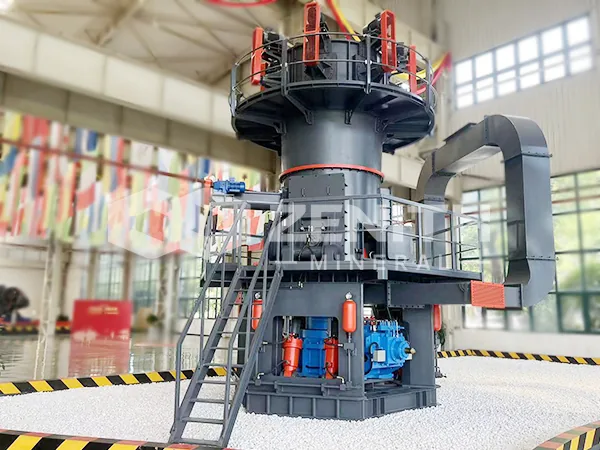
The true frontier for adding value, however, lies in the ultrafine and micro-powder domain (400-3250 mesh). This is where Zenith's most advanced technologies, the LUM Ultrafine Vertical Mill and the XZM Ultrafine Grinding Mill, demonstrate their prowess. The LUM mill, incorporating German powder separation technology, is engineered for high-end applications like plastic masterbatch, PVC, and artificial stone. It excels in producing powders with exceptional purity and controlled particle size distribution while reducing energy use by 30-50%. The XZM series, capable of reaching an astonishing D97 < 5 microns, is the ideal solution for producing ultrafine fillers for paints, coatings, and high-performance plastics. Its classifier with Variable Frequency Drive (VFD) allows for arbitrary fineness adjustment at the touch of a button, giving producers unparalleled control over their product specifications.
_1766915792975.jpg)
Beyond the machinery itself, Zenith provides a partnership backed by a global support network. With certifications including ISO, CE, and CU-TR, our equipment meets international quality and safety benchmarks. Our presence in over 180 countries, with offices in more than 30, ensures that Egyptian clients receive timely technical support, spare parts, and application expertise. We understand that your success depends on more than just a machine; it depends on a reliable, high-performance system that integrates seamlessly into your production line to unlock the full potential of Egypt's mineral wealth.
_1766915792976.jpg)
Frequently Asked Questions (FAQs)
- What is the primary advantage of a trapezium mill (MTW/MTM) over a traditional ball mill for grinding calcium carbonate?
The most significant advantage is energy efficiency. Under ideal conditions, MTW and MTM series mills consume over 60% less energy than a ball mill of the same grade, leading to substantially lower operating costs. They also offer a more compact design and integrated production system. - Which Zenith mill is most suitable for producing ultrafine calcium carbonate powder above 1250 mesh for premium plastics?
For ultrafine grinding above 1250 mesh, the LUM Ultrafine Vertical Grinding Mill or the XZM Ultrafine Grinding Mill are the recommended choices. The LUM mill is particularly effective for high-purity applications, while the XZM offers exceptional flexibility in fineness adjustment up to 3250 mesh. - How does the LM Vertical Mill contribute to a more environmentally friendly production site?
The LM Vertical Mill operates under a fully sealed, negative-pressure system. This design fundamentally prevents dust spillage during grinding. Combined with its integrated pulse dust collector, it ensures a clean workshop, minimal material loss, and compliance with strict environmental regulations. - Can your mills handle the varying hardness and moisture content sometimes found in Egyptian limestone feed?
Yes. Our mill portfolio is designed for material adaptability. For instance, the MTM and MTW series are known for their stable performance with various mineral feeds. The LM Vertical Mill and Hammer Mill are also robust options for materials with different characteristics. A detailed analysis of your specific feed material is recommended for optimal model selection. - What level of automation can we expect with your grinding systems?
Our advanced mills, like the LM and LUM series, feature high degrees of automation. They come equipped with automatic control systems enabling remote monitoring and control, free switching between operating modes, and automatic adjustment of parameters. This reduces labor costs and ensures consistent product quality. - Do you provide support for installation and maintenance in Egypt?
Absolutely. Zenith has a global service network. We provide comprehensive support including foundation drawing guidance, installation supervision, operator training, and a readily available supply chain for genuine spare parts through our international channels to ensure minimal downtime. - For a new plant focusing on both coarse (1-3mm) and fine (400 mesh) calcium carbonate products, what mill combination would you suggest?
A typical efficient setup would involve a Hammer Mill (HM Series) for the initial coarse grinding stage to produce 0-3mm powder. The output can then be fed into an MTW European Trapezium Mill or an LM Vertical Mill for fine grinding down to 400 mesh. This two-stage process optimizes efficiency and product quality for each range.