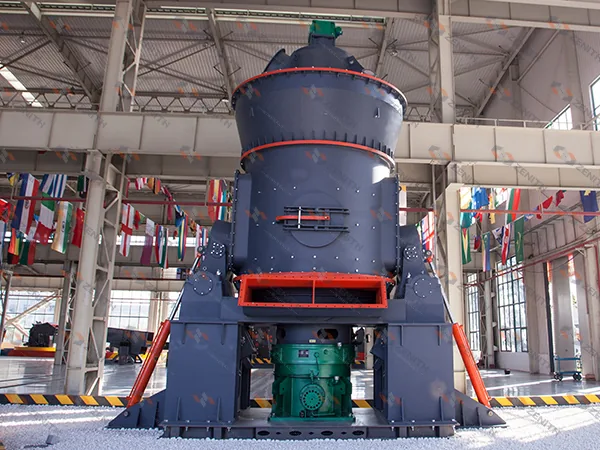
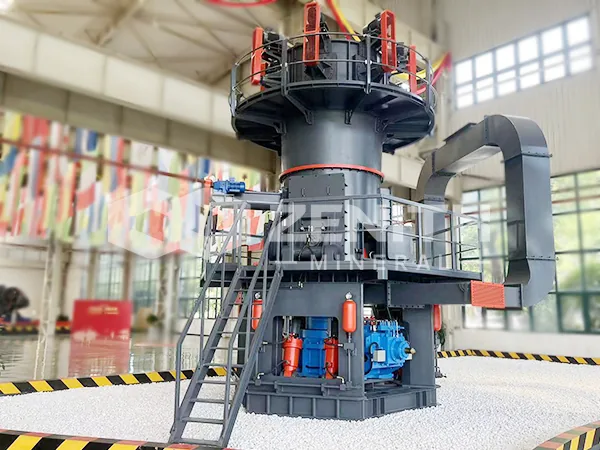
Purchase of a silica grinding mill with a capacity of 3.5 t/h and a finished particle size of 200 mesh (d90).
2025-12-28 00:54:34
In the demanding world of industrial mineral processing, achieving a consistent output of 3.5 tons per hour with a finished particle size of 200 mesh (d90) for silica is a common yet critical requirement. Silica, with its moderate to high hardness and abrasive nature, demands a grinding solution that balances robust construction, energy efficiency, and precise particle size control. For project engineers and plant managers, the selection of the right mill is not merely a purchase; it's a long-term strategic investment in production stability and operational cost.
Shanghai Zenith Machinery, with its decades of specialization in powder grinding technology, offers a suite of advanced mills capable of meeting this specification. The key lies in matching the specific characteristics of your silica feed material—such as moisture content, initial feed size, and desired product purity—with the operational strengths of our engineered systems. Let's explore the most suitable technological paths.
_1766854474328.jpg)
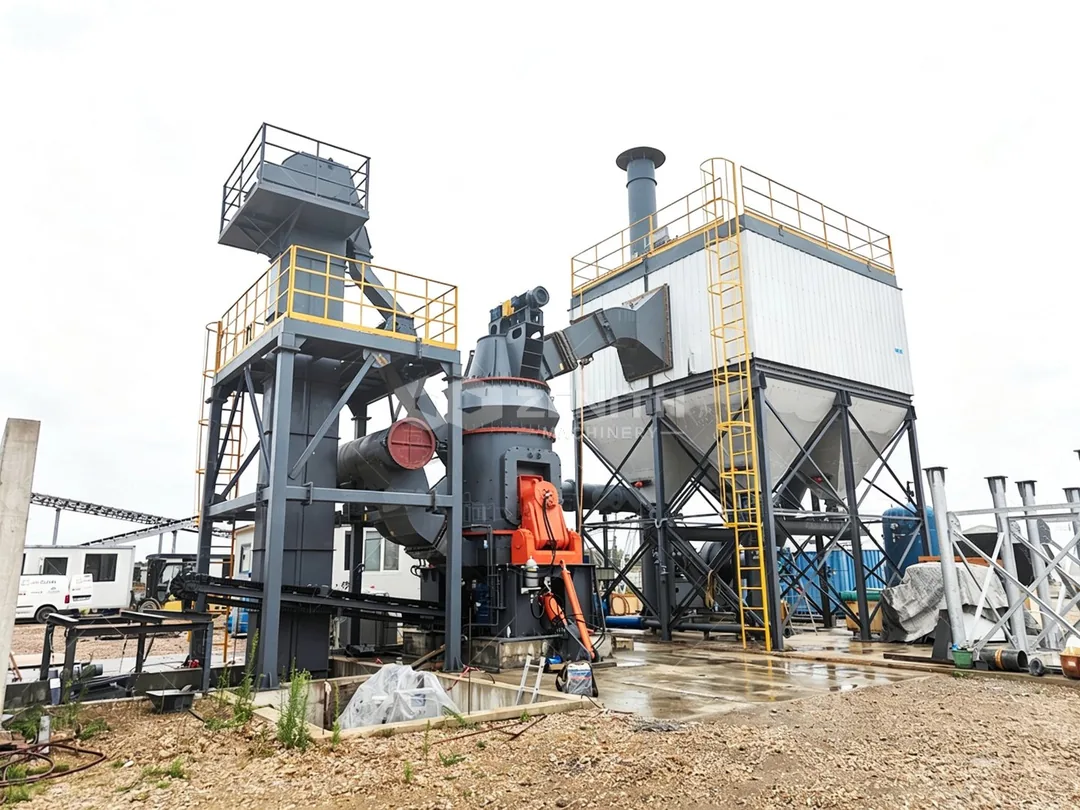
For this capacity and fineness range, our MTW European Trapezium Mill stands out as a premier choice. Designed to produce fine powder between 30 and 325 mesh, its 3-22 T/H capacity range comfortably encompasses your 3.5 t/h target. The MTW series excels in efficiency, consuming over 60% less energy than a traditional ball mill of equivalent output—a decisive factor for high-volume silica grinding. Its modular impeller adjustment device allows for precise tuning of the output fineness, ensuring the d90 of 200 mesh is consistently met and maintained. The high-efficiency induced air system (85% efficiency) ensures effective material circulation and classification, which is vital for achieving a tight particle size distribution.
An equally proven and reliable alternative is the MTM European Trapezium Mill. With over 30 years of practical application in producing 80-400 mesh mineral powder, it offers remarkable stability and material adaptability. Sharing similar benefits of lower investment, reduced footprint, and energy savings compared to ball mills, the MTM is a workhorse for consistent silica grinding. Its operational principle, where ground material is classified by an internal fan and selector, ensures that only particles meeting the fineness requirement are collected as final product, guaranteeing your 200 mesh specification.
_1766854474331.jpg)
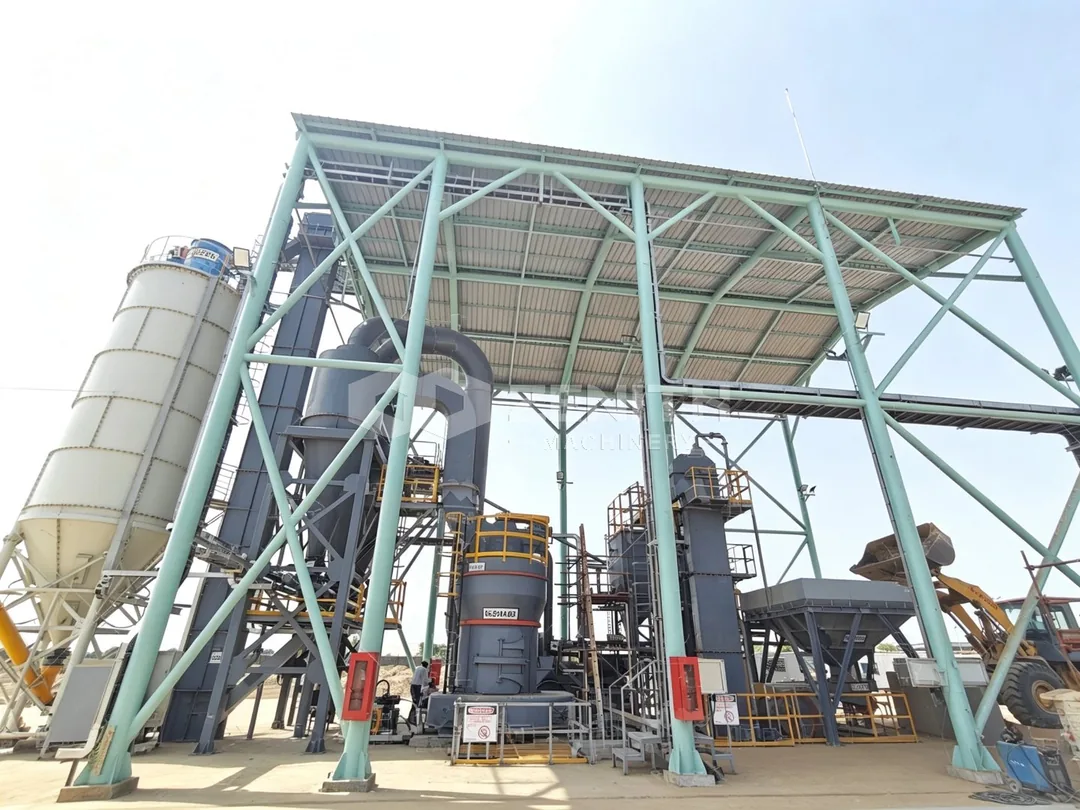
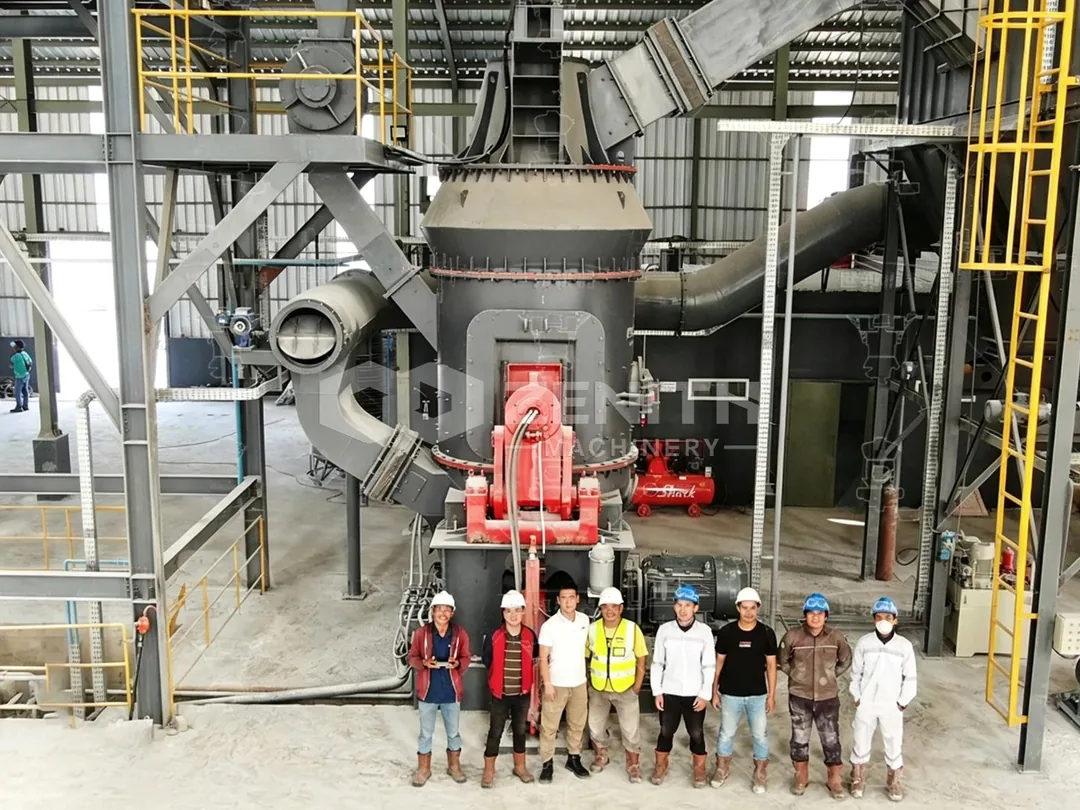
For operations prioritizing a high degree of automation, constant 24-hour running, and exceptional product purity, the LM Vertical Grinding Mill presents a compelling option. While its capacity range starts at a higher tier, its design principles are worth noting for future scalability. It offers excellent control over product size and iron contamination—a crucial factor for high-grade silica applications. Operating under negative pressure, it provides an entirely dust-free environment, aligning with stringent environmental and workplace safety standards.
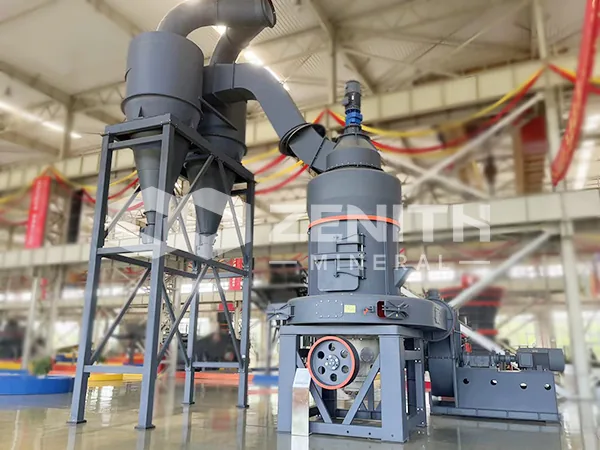
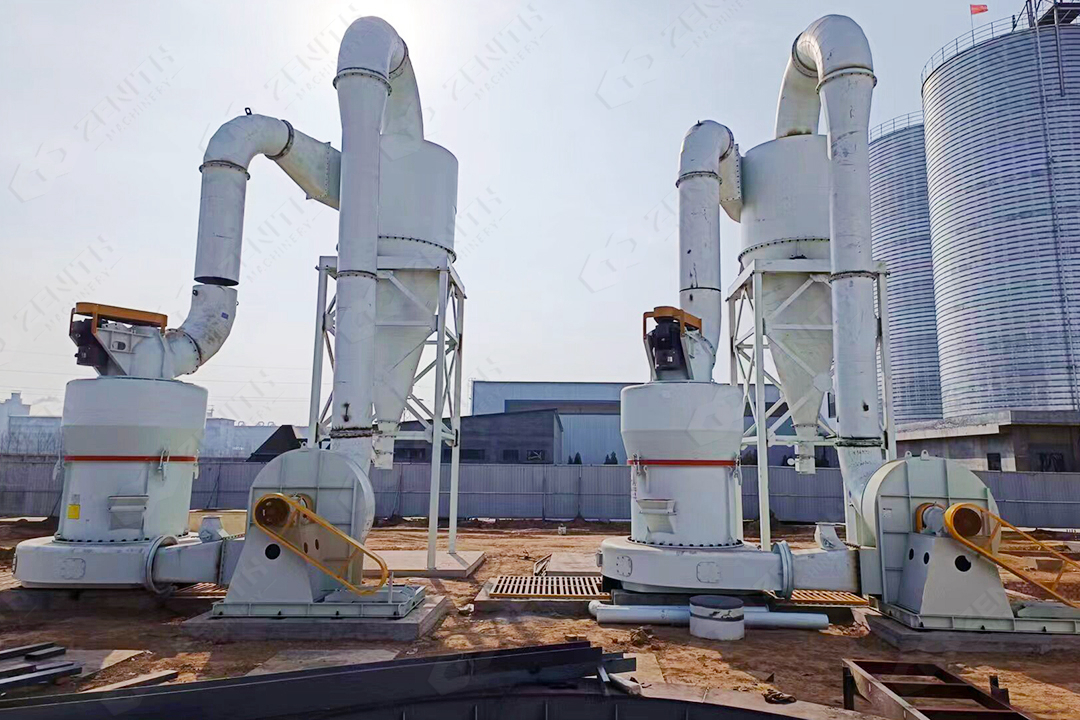
The classic Raymond Mill (High-pressure Grinding Mill) remains a viable and cost-effective solution. Our upgraded models offer intelligent control systems and boast a remarkable 99% screening efficiency. For a 3.5 t/h, 200 mesh silica output, its proven grinding roller and ring system provides reliable performance with lower initial investment. Its independent production system from raw material to final powder also means a simpler layout and installation process.
It is important to distinguish this requirement from needs for ultra-fine powder (e.g., >1250 mesh) or coarse powder (0-3mm). For your stated goal, trapezium mills (MTW/MTM) or high-pressure grinding mills offer the optimal blend of precision, efficiency, and economy. The final selection often hinges on a detailed analysis of your specific silica characteristics and plant configuration.
Zenith supports this decision with a global service network and certifications including ISO, CE, and CU-TR, ensuring the equipment meets international standards for quality and safety. We recommend a consultative approach where our engineers can review your material samples and plant parameters to specify the ideal model and configuration, ensuring your new silica grinding mill delivers peak performance from day one.
Frequently Asked Questions (FAQ)
- What is the typical power consumption for a mill producing 3.5 t/h of 200 mesh silica?
Power consumption varies by mill type. For example, our MTW/MTM series trapezium mills consume over 60% less energy than a traditional ball mill for the same output. A detailed energy assessment can be provided based on your specific feed material. - Can the mill handle variations in silica feed size or hardness?
Yes. Our grinding mills, particularly the MTM and MTW series, are designed for material adaptability. The grinding force and classifier speed can be adjusted to accommodate normal variations and maintain consistent product fineness. - How is the 200 mesh (d90) fineness precisely controlled and ensured?
Fineness is controlled primarily by the integrated powder classifier (selector). The speed of the classifier rotor is adjustable (often via VFD). By setting the appropriate speed, the system ensures that 90% of the output particles (d90) pass through a 200 mesh screen. Regular particle size analysis is recommended for quality assurance. - What are the key dust collection and environmental features?
Our milling systems operate under negative or balanced pressure and are equipped with high-efficiency pulse jet bag dust collectors (cyclone + bag filter). This ensures no dust spillage, meets national environmental emission standards, and creates a clean workshop. - What is the delivery lead time for such a mill?
Standard model lead times typically range from 30 to 60 days after order confirmation, depending on model complexity and current production schedule. Customized configurations may require additional time. - Do you offer installation supervision and operator training?
Yes. We provide comprehensive technical support packages that can include foundation drawing guidance, installation supervision by our engineers, commissioning, and thorough training for your operational and maintenance staff. - How does the wear rate of grinding parts affect maintenance cost for silica?
Silica is abrasive. Our mills use high-quality wear-resistant materials for vulnerable parts like grinding rollers, rings, and liners. The modular design of models like the MTW allows for easier inspection and replacement, minimizing downtime and long-term maintenance costs. - Can the system be automated for minimal manual intervention?
Absolutely. Our mills can be equipped with full PLC-based automatic control systems. This allows for remote monitoring, automatic feeding control based on mill load, and constant fineness regulation, enabling largely unmanned operation.