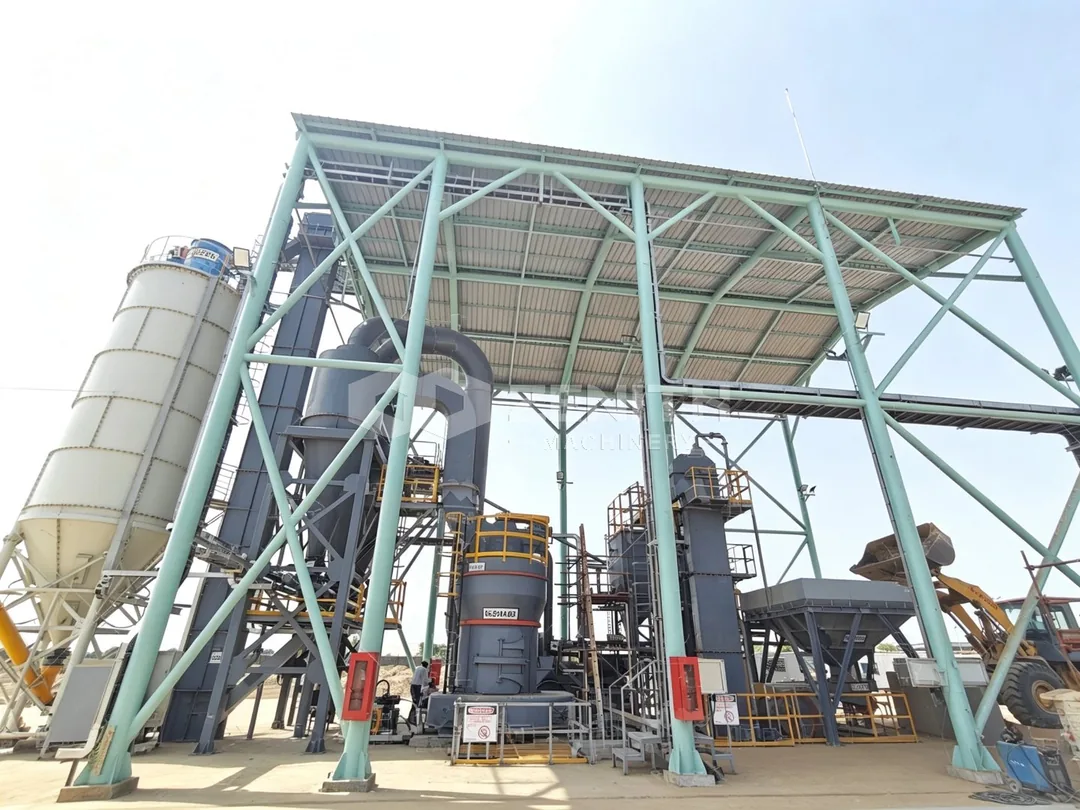
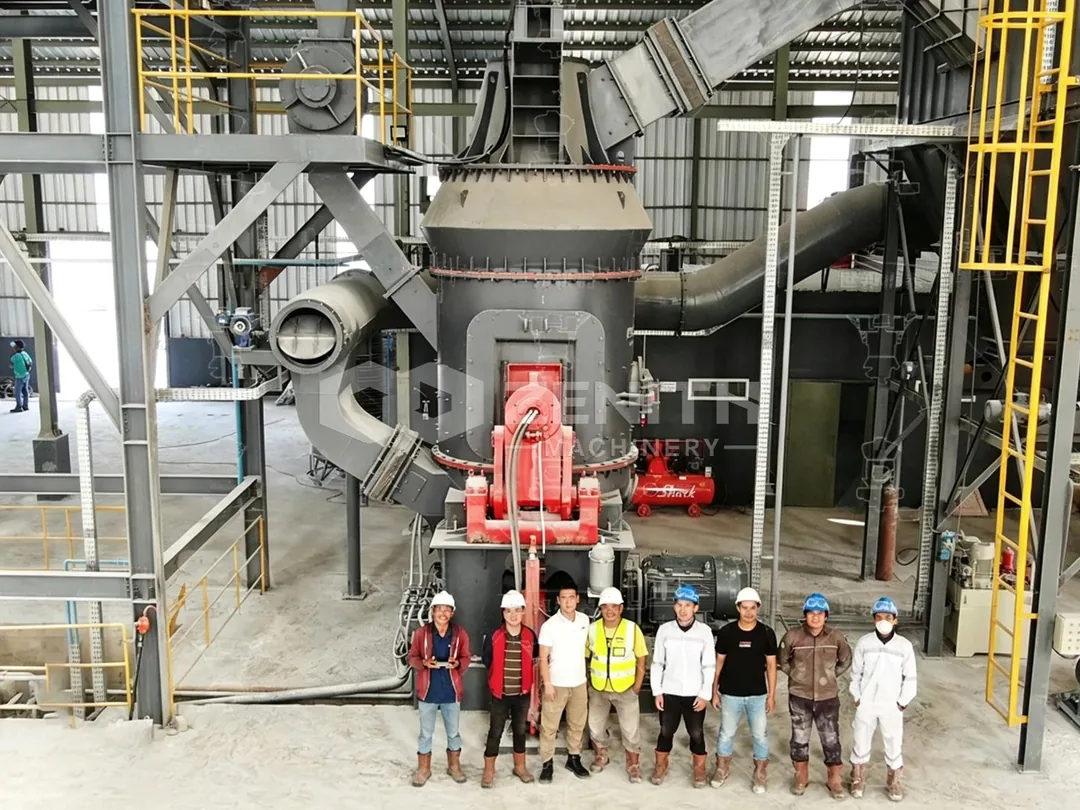
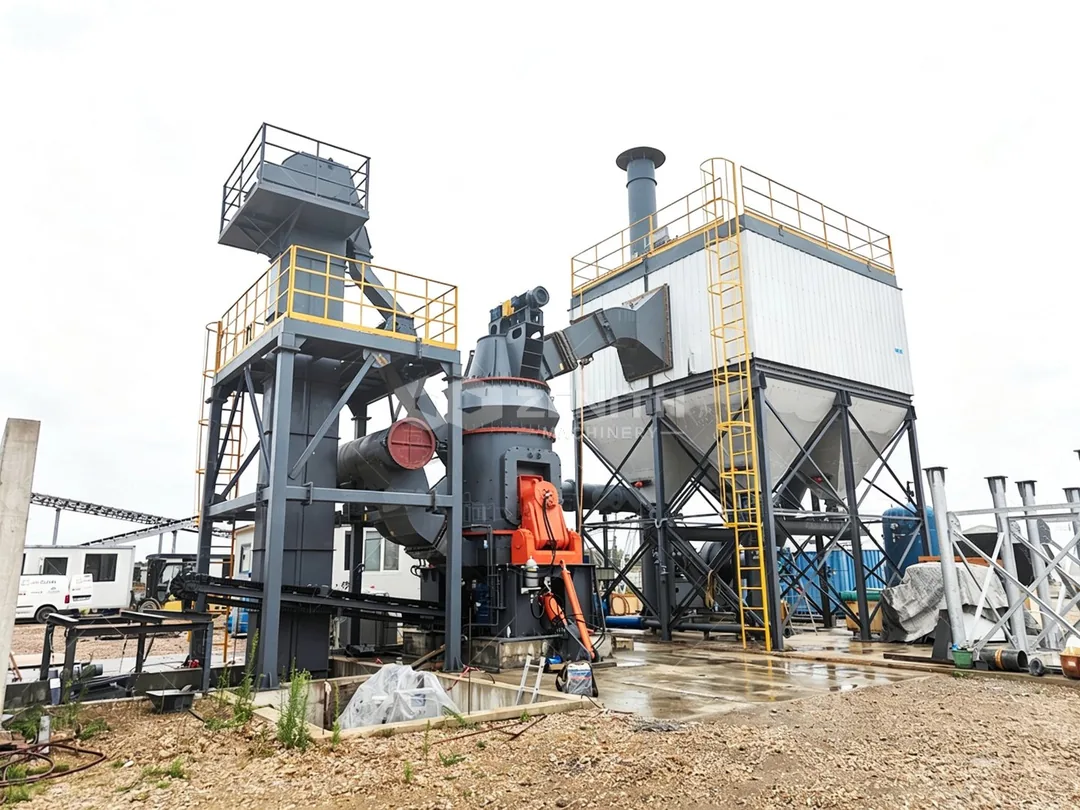
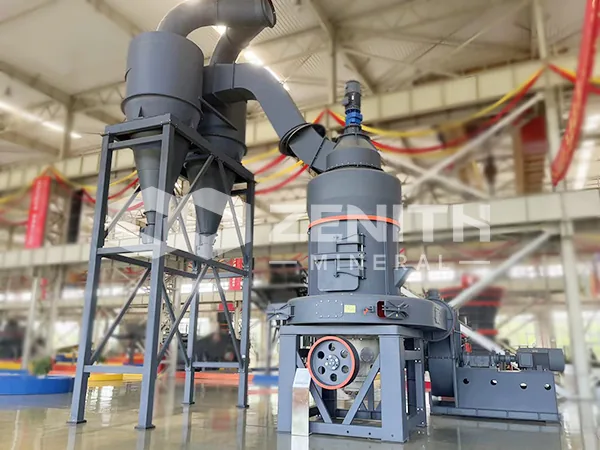
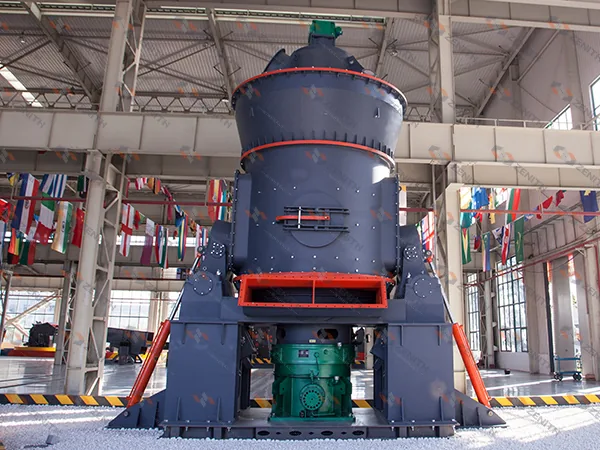
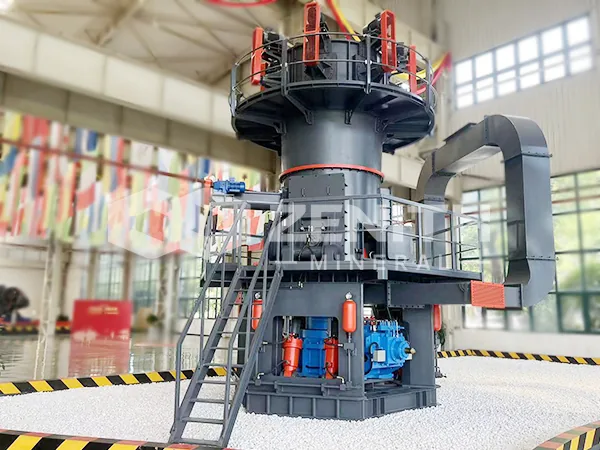
A chemical plant's mw880 ring roller micro powder mill produces zinc oxide with a fineness of 325 mesh, all passing through.
2025-12-27 17:54:34
In the demanding world of specialty chemical manufacturing, consistency is not just a goal—it's a non-negotiable requirement. For producers of high-purity zinc oxide, a critical additive in rubber, ceramics, pharmaceuticals, and sunscreens, achieving a uniform and precisely controlled fineness directly impacts product performance and downstream application success. A prominent chemical plant recently faced this exact challenge: producing zinc oxide with a guaranteed fineness of 325 mesh, with 100% of the product passing through. Their solution was the integration of a specialized MW880 Ring Roller Micro Powder Mill, a decision that transformed their production line's capability and reliability.
_1766829274647.jpg)
The plant's previous grinding setup struggled with product variability and energy inefficiency. Batches would often contain a fraction of coarser particles, leading to quality rejections and inconsistent performance in their clients' formulations. The shift to the MW880 mill, engineered with a deep understanding of mineral processing, was pivotal. This machine belongs to a generation of grinding technology that prioritizes precision classification and gentle, efficient particle-size reduction. Unlike traditional ball mills that can overgrind or produce a wide particle distribution, the ring roller design applies controlled compression and shear forces, effectively breaking down the zinc oxide agglomerates without introducing excessive heat or contamination.
The core of this success lies in the mill's integrated high-precision turbo air classifier. This component acts as the gatekeeper for fineness. As the ground material is carried by the airflow, the classifier's adjustable rotor speed creates a precise centrifugal cut point. Particles finer than 325 mesh (approximately 44 microns) pass through to collection, while any marginally coarser particles are rejected and returned to the grinding chamber for further processing. This continuous internal recirculation and classification loop is what enables the "all passing through" guarantee, ensuring not a single oversized particle contaminates the final batch.
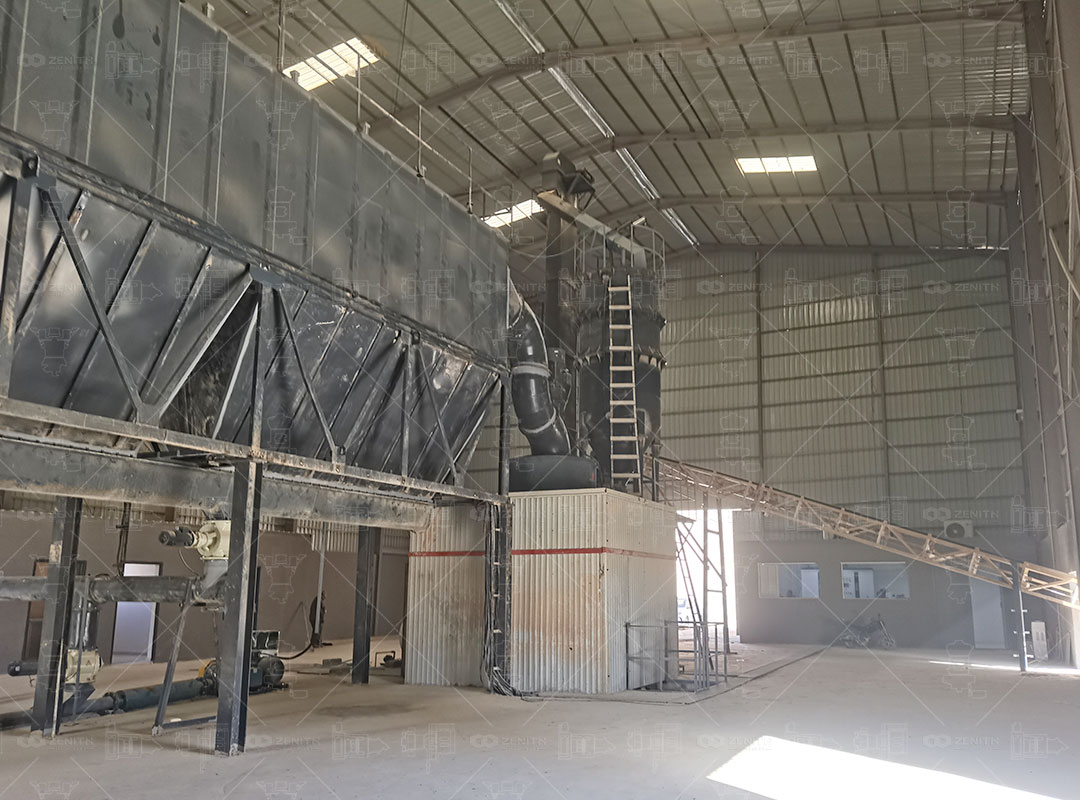
Beyond precision, the operational benefits have been substantial. The plant reported a dramatic reduction in specific energy consumption—a critical metric in cost-intensive powder production. The MW880's design minimizes friction and utilizes a high-efficiency impeller fan system, which significantly reduces the power required for airflow and grinding compared to their old system. Furthermore, the entire grinding and classification process occurs in a sealed, negative-pressure environment. This design is a cornerstone of modern, responsible manufacturing, containing all dust and ensuring the workshop environment meets stringent health and safety standards while also protecting product purity.
From a practical standpoint, the mill's footprint and automation features provided unexpected advantages. Its vertical structure and integrated system required less floor space than a traditional ball mill circuit. The control system allows operators to set and lock in parameters for 325-mesh output, making operation straightforward and minimizing human error. Maintenance downtime was also reduced thanks to the accessible design of grinding rollers and the classifier, which can be serviced without major disassembly.
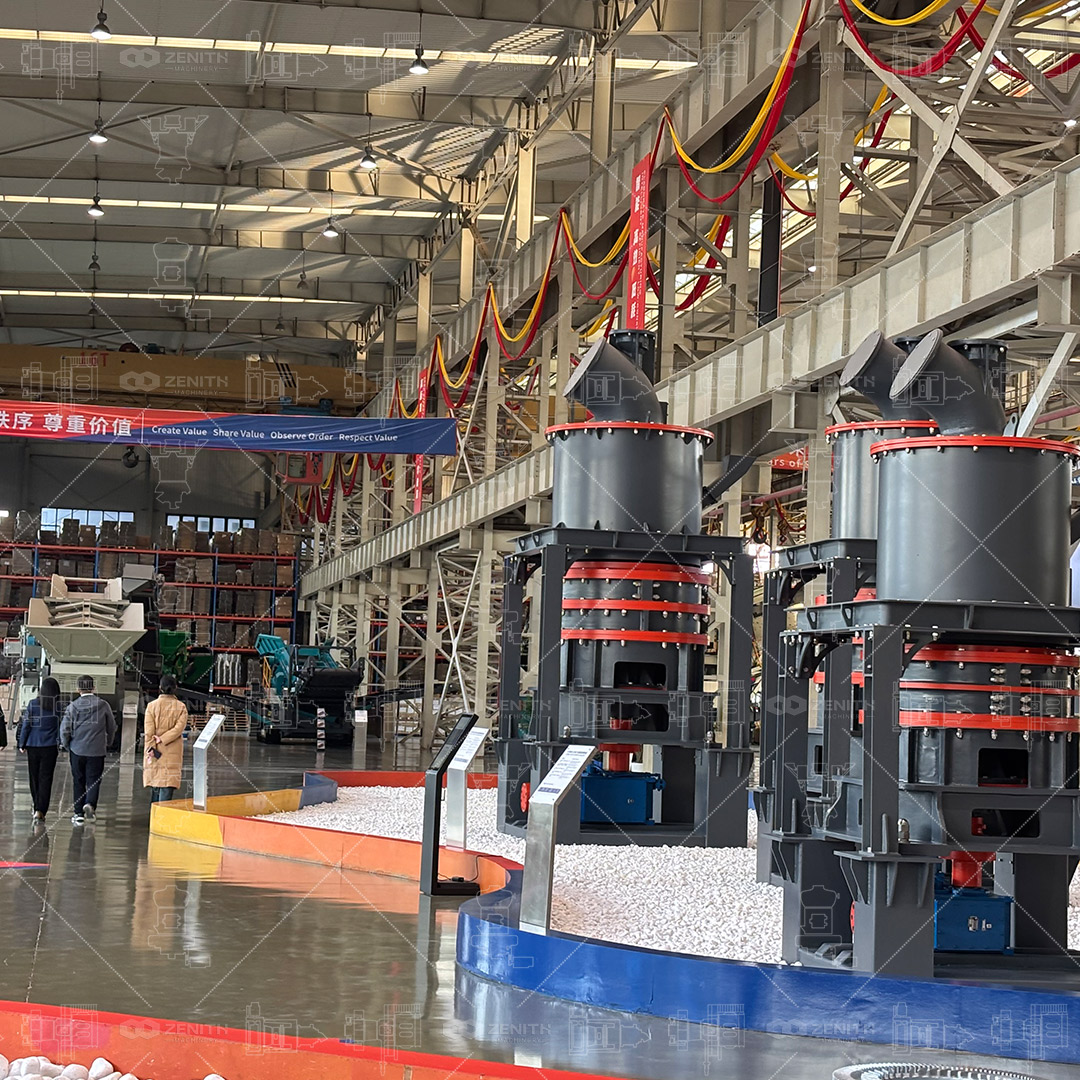
The outcome for the chemical plant has been transformative. They now reliably produce zinc oxide that meets the most stringent specifications, enhancing their reputation in the market. The consistency of their product has improved the performance of their clients' end products, particularly where UV dispersion or chemical reactivity is key. This case underscores a fundamental principle in industrial processing: selecting technology tailored to the specific material and fineness target is not an expense, but a strategic investment in quality, efficiency, and market competitiveness.
This application of the MW880 mill for zinc oxide is a testament to the evolution of powder grinding. It moves beyond mere size reduction to a holistic approach encompassing precise classification, energy management, and environmental control. For industries reliant on ultrafine and consistent powders—from minerals and chemicals to pharmaceuticals—such advanced ring roller mills are becoming the benchmark for modern, reliable production.
Frequently Asked Questions (FAQs)
- What is the primary advantage of a ring roller mill over a traditional ball mill for producing 325-mesh powder?
The key advantage is precision and efficiency. Ring roller mills combine grinding with integrated high-efficiency classification, ensuring a tight, consistent particle size distribution (like 100% passing 325 mesh) with significantly lower energy consumption and less over-grinding compared to ball mills. - Can the MW880 mill achieve fineness levels other than 325 mesh?
Yes. While optimized for targets like 325 mesh, the mill features an adjustable classifier rotor speed, allowing operators to produce a range of fine and ultrafine powders, typically from a few microns up to several hundred mesh, by modifying the operational parameters. - How does the mill ensure no dust escapes during operation?
The system operates under negative pressure and is fully sealed. The grinding chamber and all transfer points are airtight. A pulse-jet baghouse dust collector is integrated into the system, capturing any airborne particles and ensuring clean, environmentally compliant operation. - What kind of maintenance does the grinding roller assembly require?
The grinding rollers are designed for durability with wear-resistant materials. Maintenance involves periodic inspection of roller and ring wear. The design often allows for rollers to be turned over or replaced without dismantling the entire mill structure, reducing downtime. - Is the system automated, and what level of operator skill is required?
The mill is equipped with an intelligent control system that automates startup, shutdown, and steady-state operation. Key parameters like classifier speed and feeder rate are set via a control panel. Routine operation requires standard training, with deep technical knowledge needed mainly for setup and troubleshooting. - What is the typical capacity range for a mill like the MW880 for zinc oxide processing?
Capacity depends on material hardness and required fineness. For medium-hardness materials like zinc oxide ground to 325 mesh, such mills can offer throughputs ranging from several hundred kilograms to multiple tons per hour. A specific capacity analysis is recommended for each application. - Can the mill handle other non-metallic minerals besides zinc oxide?
Absolutely. This technology is versatile and suitable for a wide range of medium to soft non-metallic minerals, including calcite, marble, limestone, talc, barite, and gypsum, for similar fine powder production.