Indian bauxite ultrafine vertical mill: finished product fineness 1200 mesh, daily output 35 tons
2025-12-26 17:56:39
In the demanding landscape of modern mineral processing, achieving consistent, high-volume production of ultrafine powders presents a significant engineering challenge. This is particularly true for materials like bauxite, a critical aluminum ore, where downstream applications in advanced ceramics, refractories, and chemical catalysts demand precise particle size control. For a project targeting a finished product fineness of 1200 mesh (approximately 10-12 microns) with a robust daily output of 35 tons, conventional grinding systems often fall short on efficiency, energy consumption, or product purity. The solution lies in adopting a purpose-built, advanced vertical grinding technology.
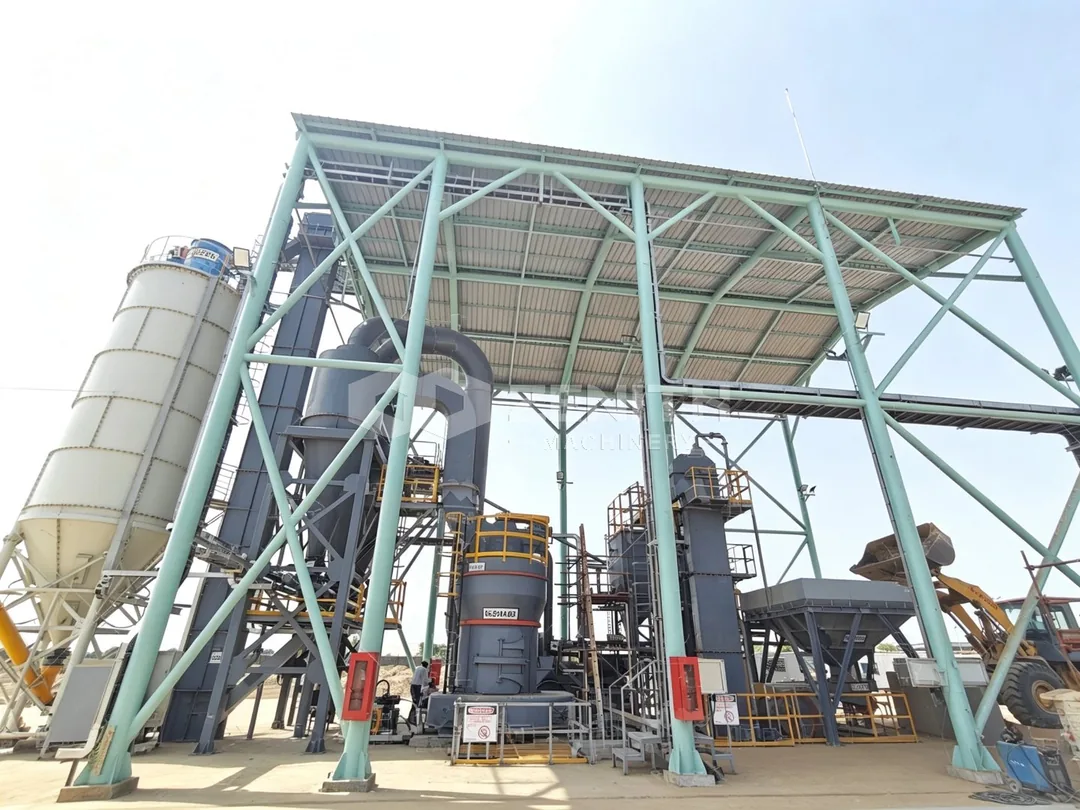
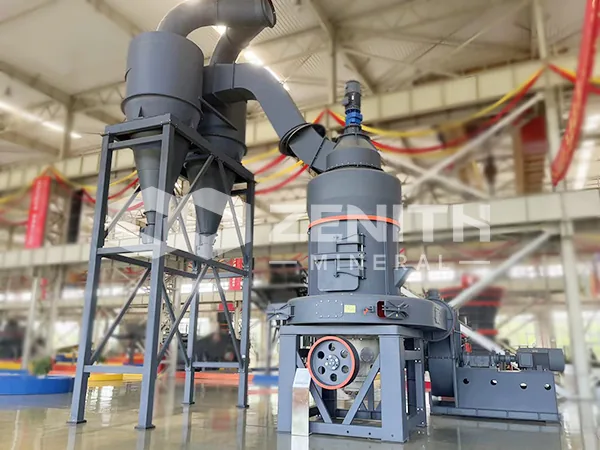
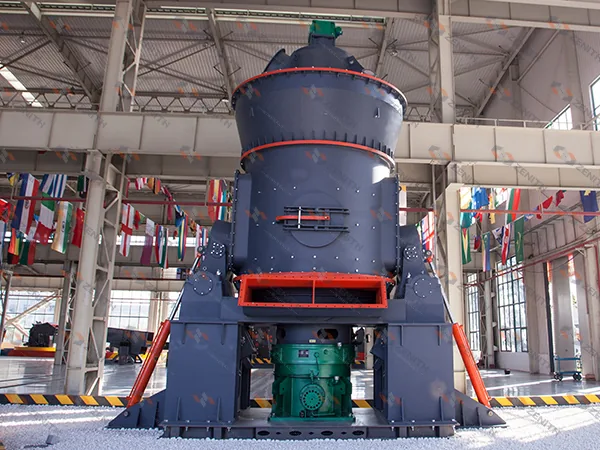
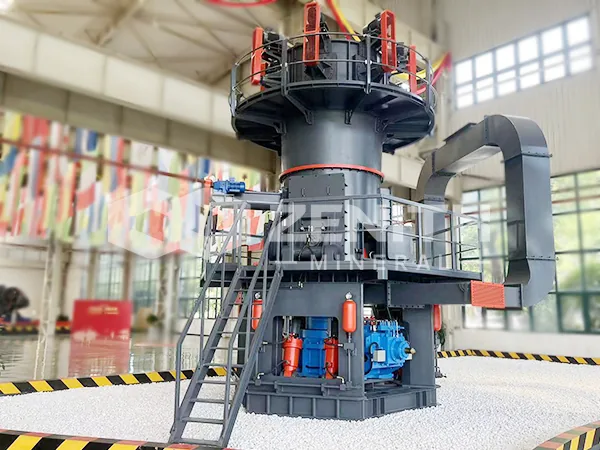
Shanghai Zenith Machinery, with its deep-rooted expertise in industrial powder processing, has engineered grinding systems that precisely meet such stringent specifications. Our focus extends beyond mere equipment supply to delivering integrated solutions that optimize the entire production chain. For the Indian bauxite application, the technological cornerstone is an advanced iteration of our LUM Ultrafine Vertical Grinding Mill, specifically configured for high-capacity, superfine grinding.
_1766742999539.jpg)
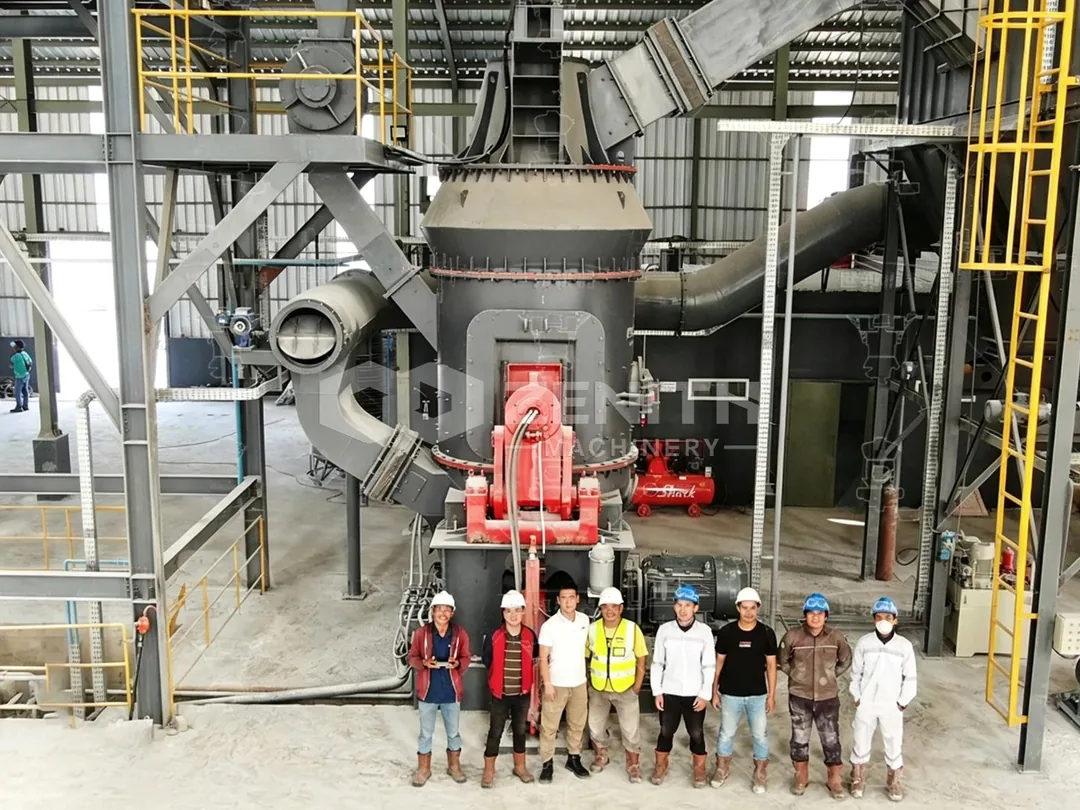
The core challenge in grinding bauxite to 1200 mesh is managing its abrasive nature and ensuring the chemical composition of the final product remains uncontaminated. Traditional ball mills, while robust, are notoriously energy-intensive and can introduce iron contamination from grinding media wear. Our vertical mill design eliminates this issue entirely. By utilizing a grinding disc and roller system where the rollers hydraulically press the material bed on the disc, we achieve inter-particle comminution. This method not only produces a more uniform particle size distribution but also minimizes metal-to-metal contact, drastically reducing iron pollution and preserving the material's inherent purity—a critical factor for high-value bauxite derivatives.
Reaching the 1200-mesh target consistently requires a highly precise classification system. Our mill integrates an advanced Taiwan-derived grinding roller technology coupled with a German powder separating technology. The dynamic classifier, often equipped with a Variable Frequency Drive (VFD), allows for real-time, arbitrary adjustment of the fineness from the control panel. This ensures that the product consistently meets the D97 < 15-micron requirement for 1200 mesh, with exceptional screening efficiency that guarantees over 99% of the output falls within the specified range.
Energy efficiency is paramount. Compared to an equivalent ball mill system, our vertical mill configuration for this project delivers energy savings of 40-50%. This is achieved through its efficient grinding principle, high-efficiency impeller fan system (with induced air efficiency up to 85%), and integrated design that minimizes power losses. The daily output of 35 tons (approximately 1.5-2 T/H depending on operational hours) is sustained reliably thanks to the mill's capacity for 24-hour continuous automatic operation, stable material bed formation, and low vibration.
Operational and maintenance advantages further solidify this choice. The mill's compact, integrated design reduces the plant's footprint by nearly 50% compared to a ball mill circuit. Its fully sealed system operates under negative pressure, ensuring a dust-free, environmentally friendly workspace that meets stringent international environmental standards. Furthermore, the hydraulic system allows the grinding roller to be flipped out of the mill housing for maintenance, enabling quick and easy replacement of wear parts, thereby minimizing downtime—a crucial factor for maintaining daily production targets.
_1766742999544.jpg)
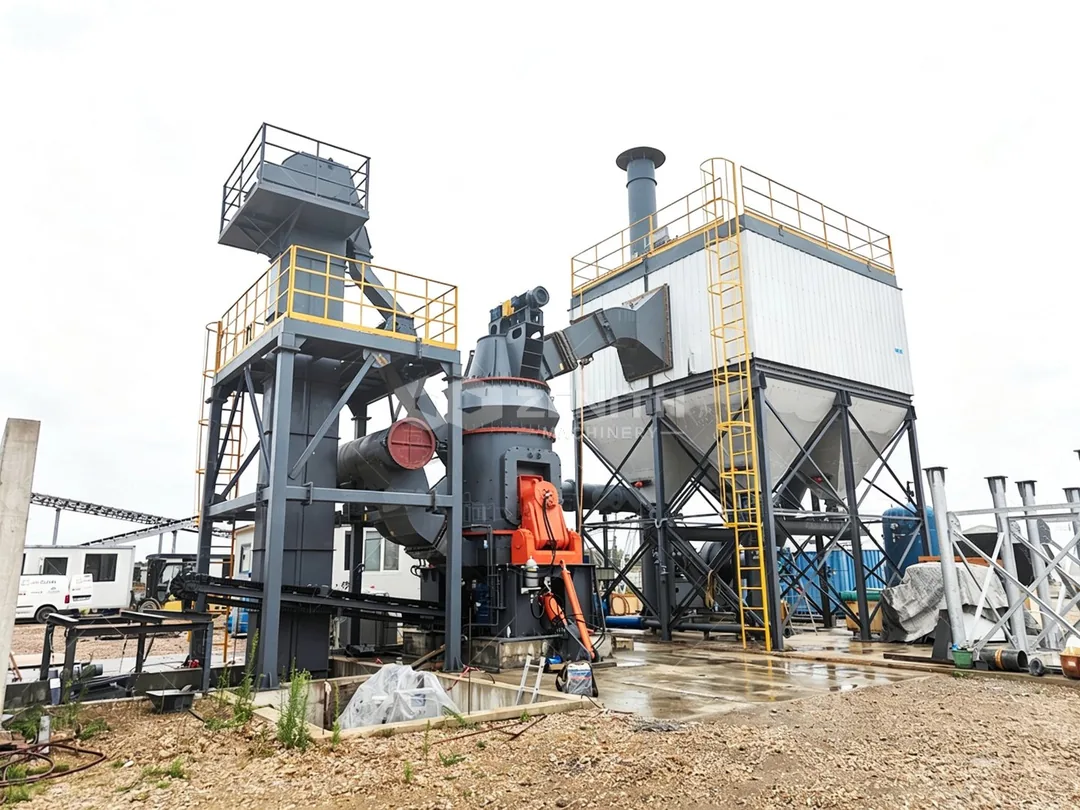
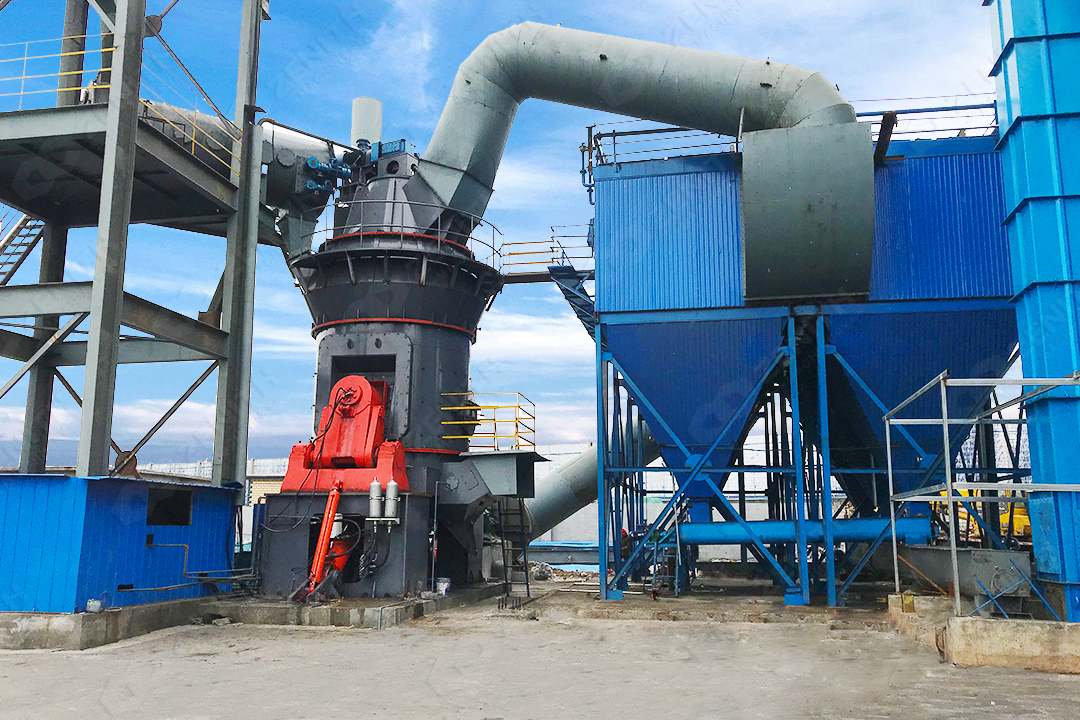
From raw bauxite with a feed size of 0-10mm to the final 1200-mesh ultrafine powder, the system operates as a closed-loop, automated production unit. The ground material is carried by airflow to the classifier; oversized particles are rejected and returned for regrinding, while the in-spec powder is collected by high-efficiency cyclone and pulse dust collectors. This seamless process, backed by Zenith's global support network and certifications like ISO, CE, and CU-TR, provides a turnkey solution for producers aiming to capitalize on the high-value ultrafine bauxite market.
Frequently Asked Questions (FAQs)
- What is the primary advantage of using a vertical mill over a traditional ball mill for this 1200-mesh bauxite application?
The vertical mill offers superior energy efficiency (40-50% savings), higher product purity due to minimal iron contamination, a more compact footprint, and easier maintenance, all while reliably achieving the required ultrafine fineness. - How is the fineness of the final product precisely controlled to 1200 mesh?
Fineness is controlled by an advanced dynamic classifier, often with a VFD. Adjusting the classifier's rotor speed from the central control panel allows for real-time, arbitrary fineness adjustment between 325-2500 mesh, ensuring consistent D97 quality. - Can this system handle variations in the moisture or hardness of the input bauxite?
Yes. The LUM Vertical Mill is designed with material bed grinding technology that provides good adaptability. For materials with higher moisture, an integrated hot air system can be incorporated to assist in drying during the grinding process. - What are the key maintenance points, and how is downtime managed?
Key wear parts are the grinding roller sleeves and disc liners. The mill's hydraulic system allows the roller to be swung out for external maintenance, enabling quick replacement and drastically reducing downtime compared to fixed-system mills. - Is the 35-ton daily output guaranteed under all conditions?
The output is dependent on specific material characteristics (e.g., Bond Work Index, moisture) and the desired size distribution curve. The system is engineered and configured based on comprehensive material testing to meet the 35-ton/day target under defined operating parameters. - How does the system ensure environmental compliance?
The entire milling circuit is sealed and operates under negative pressure. Coupled with high-efficiency pulse jet bag dust collectors, it ensures no dust spillage, low noise, and full compliance with international environmental protection standards. - What after-sales support and certification does Zenith provide with this equipment?
Zenith provides global installation guidance, commissioning, and operational training. The equipment carries ISO international quality system certification, European Union CE certification, and Customs Union CU-TR certification, ensuring quality and market access.