Recommended grinding mills capable of processing slag, steel slag, and coal slag to 400-600 mesh
2025-12-25 17:55:47
In the demanding world of industrial mineral processing, achieving a consistent and fine powder from challenging materials like slag, steel slag, and coal slag is a critical task. These by-products, known for their abrasive nature and variable composition, require robust, efficient, and precise grinding technology. For processors targeting the high-value 400-600 mesh range (approximately 15-38 microns), selecting the right mill is paramount to profitability, product quality, and operational stability. Based on extensive research and field-proven performance, several grinding solutions from our portfolio stand out as exceptional choices for this specific application.
The primary challenge with slag materials lies in their hardness and potential variability. A mill must not only deliver the required fineness but also do so with energy efficiency, low wear rates, and high system availability. Our engineering philosophy centers on providing tailored solutions that meet these exacting demands. With ISO, CE, and CU-TR certifications, our equipment is designed for global standards of performance and reliability, supported by a network spanning over 180 countries.
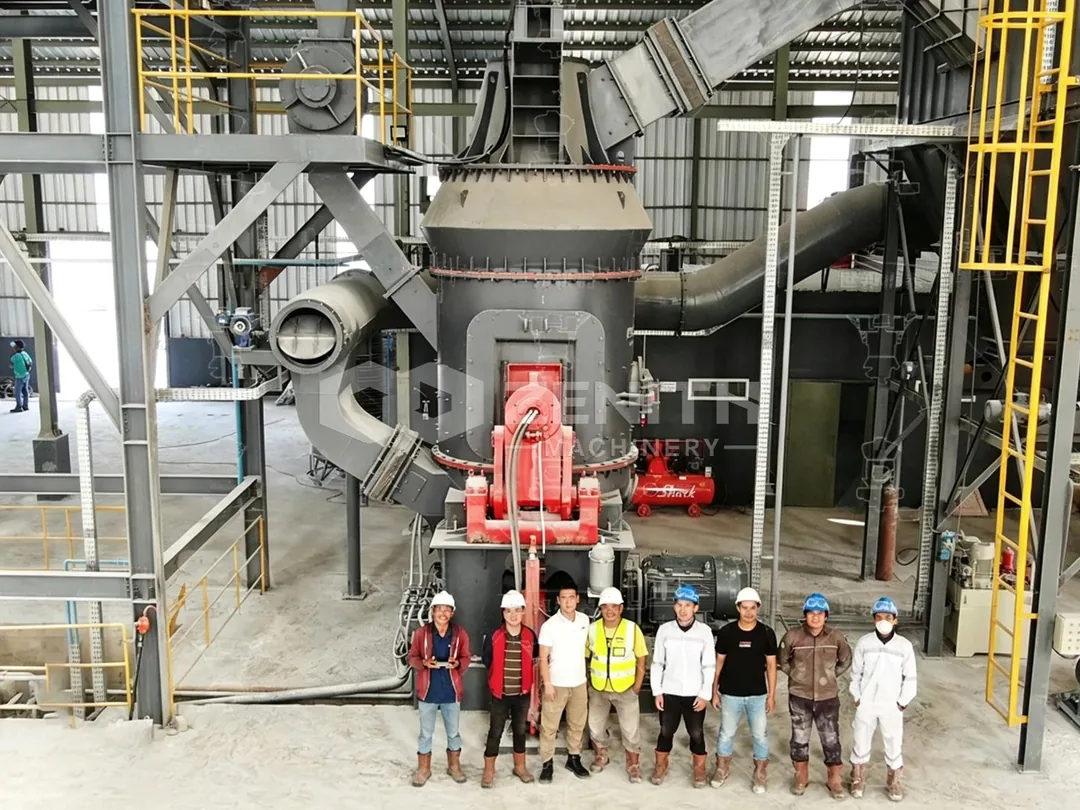
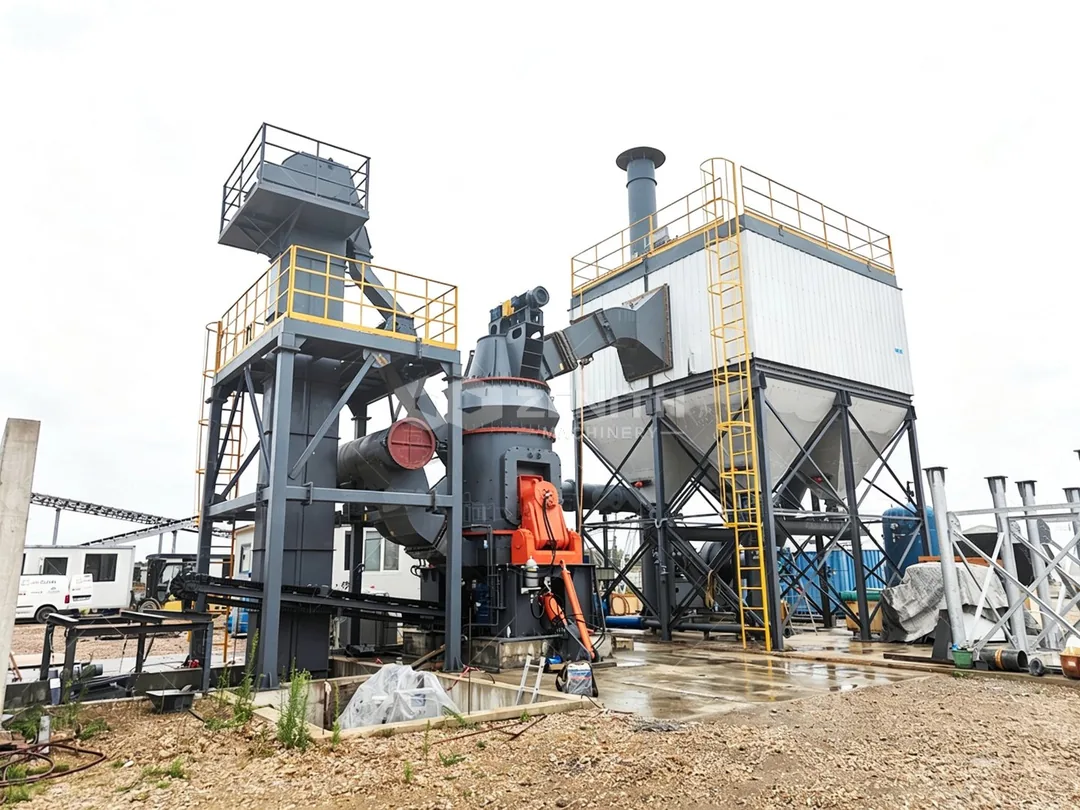
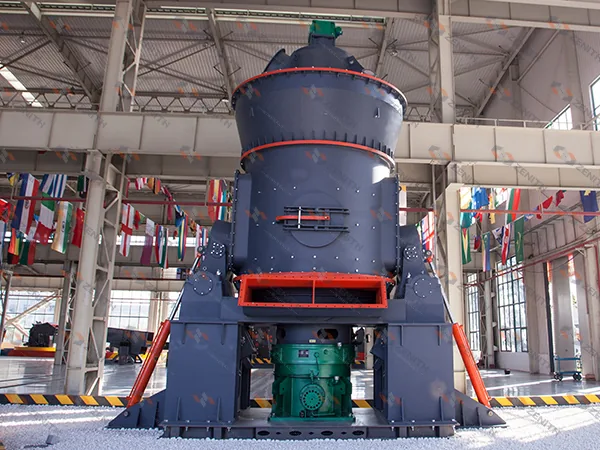
For the 400-600 mesh range, our LUM Ultrafine Vertical Grinding Mill and XZM Ultrafine Grinding Mill are particularly compelling. The LUM series represents the pinnacle of vertical roller mill technology, integrating advanced grinding, separation, and conveying principles. It is engineered to handle ultrafine grinding with remarkable precision. A key advantage for slag processing is its ability to effectively control product size, chemical composition, and iron content, ensuring the purity of the final powder. Operating under a fully sealed, negative-pressure system, it eliminates dust spillage, making it an environmentally sound choice for sensitive applications.
_1766656547566.jpg)
Specifically, the LUM mill can produce powder from 325 to 2500 mesh, comfortably encompassing the target range. Its energy-saving design reduces consumption by 30-50% compared to conventional mills, a significant factor in high-volume slag processing. The hydraulic adjustment system allows for easy maintenance and quick replacement of wear parts, minimizing downtime—a crucial consideration when processing abrasive slags.
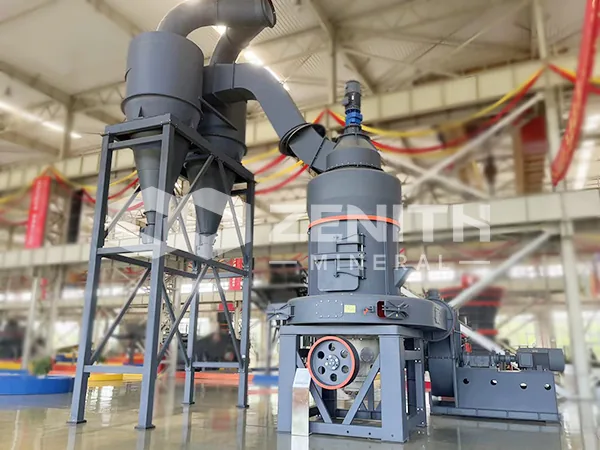
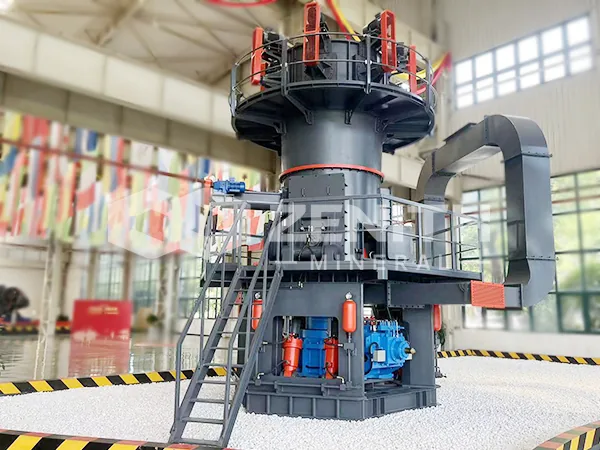
Equally capable is the XZM Ultrafine Grinding Mill. This mill is a technological workhorse designed for producing powders between 325 and 3250 mesh. Its standout feature is the arbitrary adjustment of fineness via a Variable Frequency Drive (VFD) on the classifier rotor. Operators can easily dial in the exact 400-600 mesh specification from the control panel, ensuring consistent product quality batch after batch. The simple internal structure, devoid of rolling bearings and screws in the grinding chamber, eliminates common failure points, leading to less downtime and easier maintenance.
_1766656547568.jpg)
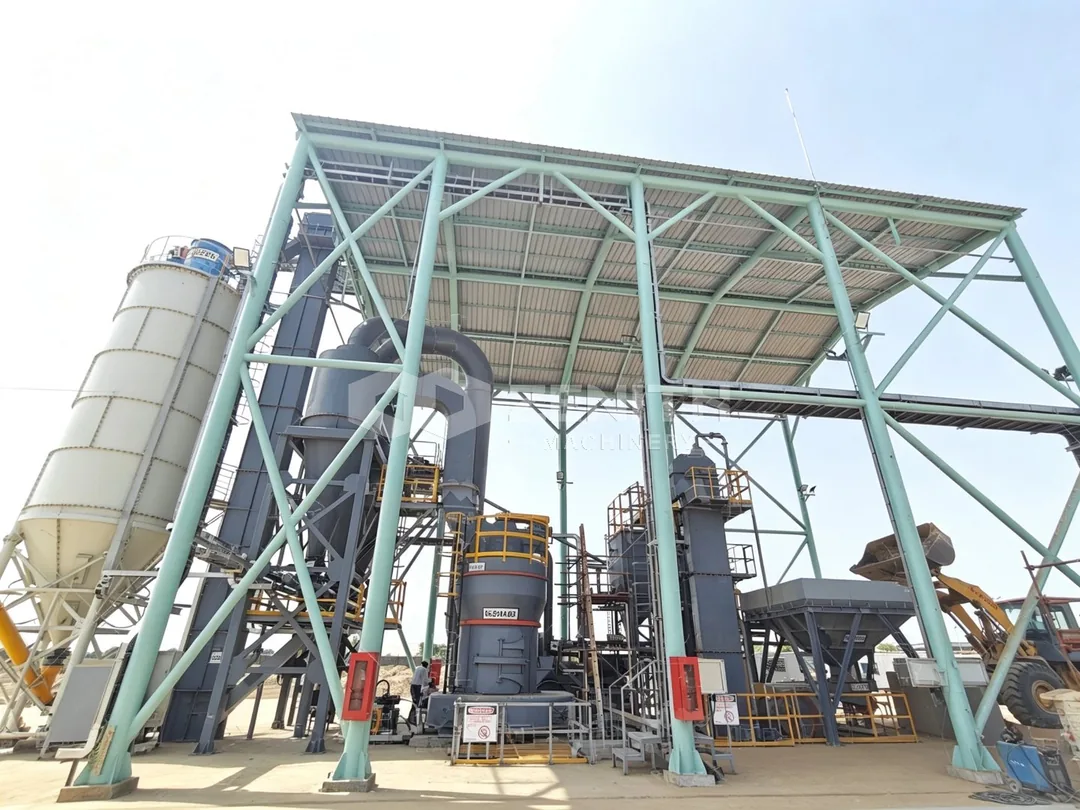
For operations that may also require coarser grinding or have a wider feed size distribution, our LM Vertical Grinding Mill offers tremendous versatility. With an output range of 80-400 mesh and the capacity for 24-hour constant running, it is a stalwart for large-scale mineral and slag powder plants. Its high degree of automation allows for remote monitoring and control, reducing labor costs and ensuring stable product quality. The compact integrated design reduces the footprint by about 50% compared to a traditional ball mill system, offering significant savings in plant construction.
While the aforementioned mills are optimal for the finest ranges, it's important to consider the entire process chain. For preliminary size reduction of large slag chunks, our Hammer Mill (HM Series) is ideal for producing 0-3mm coarse powder efficiently. This prepares the feed material optimally for the subsequent fine grinding stages, improving overall system efficiency and protecting the finer grinding mills from excessive wear.
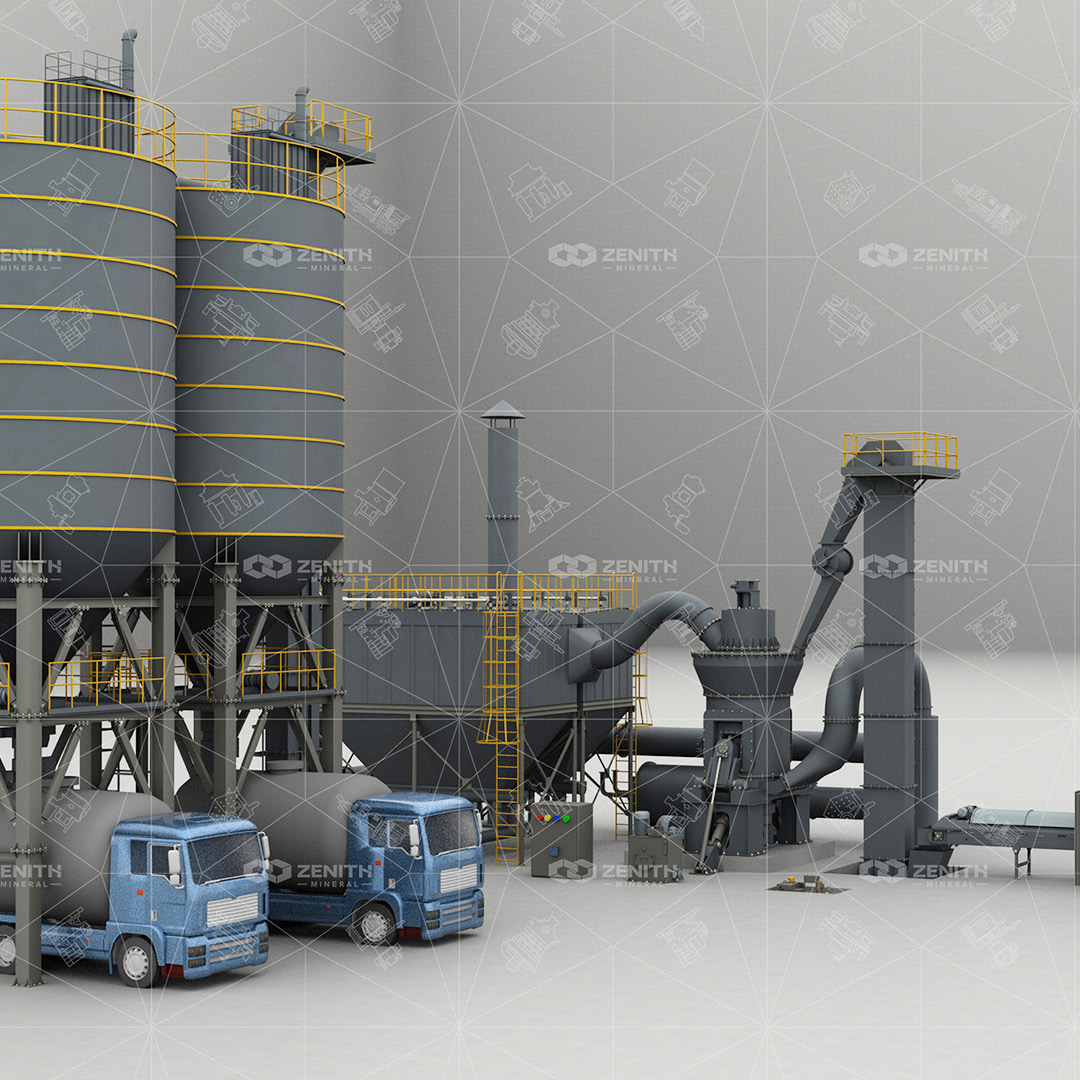
The selection ultimately depends on your specific capacity requirements, feed characteristics, and plant configuration. Our technical team is adept at analyzing these parameters to recommend the most efficient and cost-effective grinding circuit, whether it involves a single LUM or XZM mill or a combination of HM and LM mills for a complete size reduction solution. The goal is to transform challenging slag materials into a high-value, consistently fine powder that meets the most stringent market specifications.
Frequently Asked Questions (FAQs)
- What is the main advantage of using the LUM or XZM mill over a traditional ball mill for 400-600 mesh slag grinding?
The primary advantages are dramatically lower energy consumption (30-70% savings), higher efficiency, a smaller footprint, and superior control over final product fineness and purity. Ball mills, while robust, are generally less efficient for achieving consistent ultrafine powders. - Can these mills handle the variable hardness and composition found in different sources of steel slag?
Yes. Our vertical roller mills (LM, LUM) and the XZM mill are designed with adjustable grinding pressure and roller configurations. The use of high-quality, abrasion-resistant materials for wear parts also ensures they can withstand the abrasive nature of slag over extended periods. - How is the final fineness (e.g., 400 mesh vs. 600 mesh) controlled during operation?
In the XZM mill, fineness is precisely controlled by adjusting the rotational speed of the classifier rotor via a VFD on the control panel. In the LUM and LM mills, the integrated high-efficiency separator allows for fine-tuning of the cut point to achieve the desired mesh size consistently. - What are the typical capacity ranges for processing slag with these mills in the target fineness?
Capacities vary by model. The LUM series offers 5-18 T/H, the XZM series 0.5-25 T/H, and the LM series 3-340 T/H for producing powders within the 80-400 mesh spectrum. The exact output at 400-600 mesh depends on material hardness and system configuration. - Are these grinding systems environmentally friendly for slag processing?
Absolutely. Key models like the LUM, LM, and XZM operate under negative pressure with full sealing. They are equipped with high-efficiency pulse jet bag dust collectors, ensuring no dust spillage, low noise, and compliance with international environmental protection standards. - Is pre-crushing necessary before feeding slag into these fine grinding mills?
Yes, it is highly recommended. The feed size for mills like the LUM and XZM is typically 0-20mm. Using a primary crusher or our HM Series Hammer Mill to pre-process larger slag pieces into a smaller, consistent feed size maximizes the efficiency and lifespan of the fine grinding equipment. - How automated are these grinding systems?
They feature a high degree of automation. Our LM and LUM mills come with automatic control systems for remote/local operation. The XZM mill's intelligent control allows for labor-free operation in the workshop, significantly reducing operational costs and human error.