How much does a Kenyan coke and charcoal grinding mill cost?
2025-12-23 17:54:36
If you're operating in Kenya's dynamic industrial or agricultural sectors and are looking to process materials like petroleum coke (a common fuel in cement and lime kilns) or charcoal into fine powder, one of your most critical investments will be a reliable grinding mill. The question of cost, however, is not a simple one. The price for a grinding mill capable of handling coke or charcoal at any given capacity can vary dramatically, often ranging from tens of thousands to several hundred thousand US dollars. This wide range is dictated by the specific technology you choose, the required fineness of your end product, and the level of automation and environmental compliance needed.
At Zenith Machinery, with decades of experience serving markets across Africa, including a strong presence in Kenya, we understand that your investment is about total value, not just the initial price tag. A mill is a long-term productivity engine. Therefore, the "cost" must be evaluated through the lenses of capital expenditure (CAPEX), operational expenditure (OPEX), durability, and after-sales support.
_1766483676622.jpg)
Key Factors Determining the Cost of Your Grinding Mill
For processing coke and charcoal to a fine powder (typically between 80-400 mesh for most applications), several Zenith mill series are exceptionally suitable. The cost for a complete system will depend heavily on which model aligns with your precise needs.
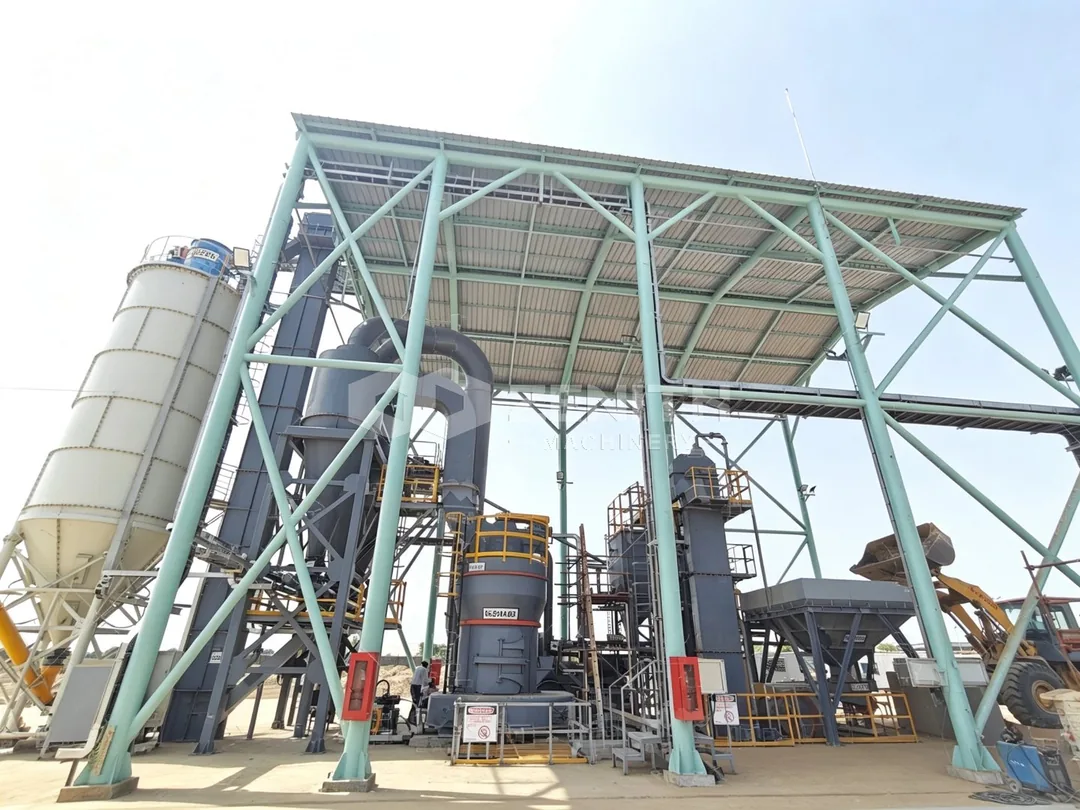
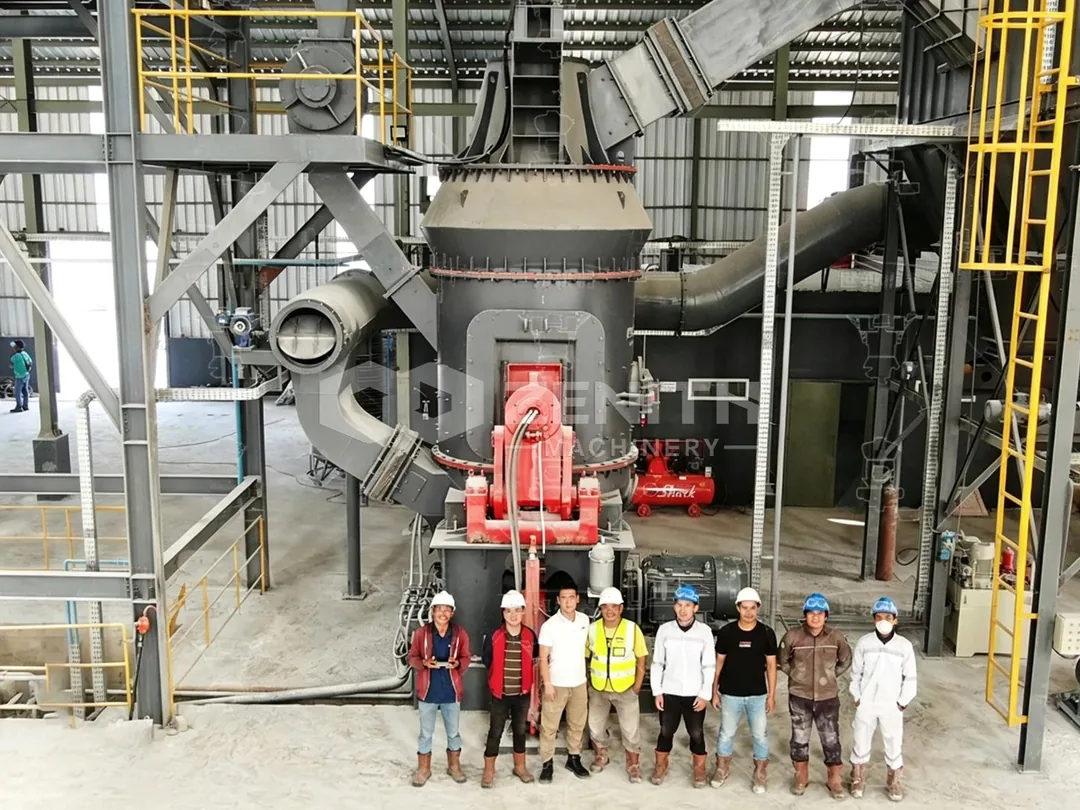
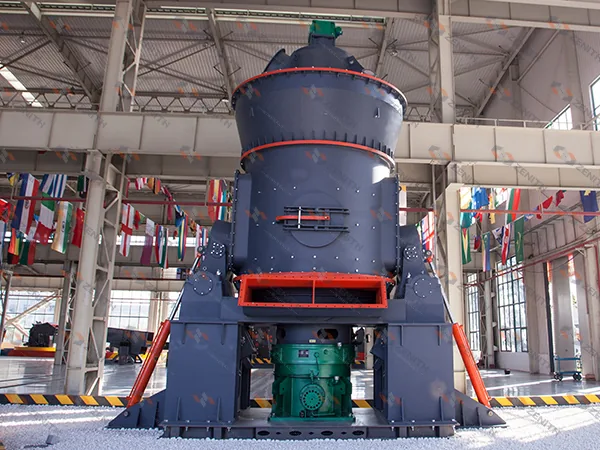
- Technology & Grinding Principle: A traditional Raymond Mill (High-pressure Grinding Mill) offers a robust and proven solution for 80-325 mesh powder at a competitive entry cost. For higher capacity and efficiency, the MTW or MTM European Trapezium Mill is a step up, offering energy savings of over 60% compared to a ball mill of the same grade. For the ultimate in efficiency and large-scale, continuous operation, the LM Vertical Grinding Mill is a premier choice, though it commands a higher initial investment.
- Required Fineness & Capacity: The capacity you specify is the starting point. However, if you require ultra-fine powder beyond 400 mesh (e.g., for specialized charcoal applications), you may need to consider the LUM Ultrafine Vertical Mill or XZM Ultrafine Grinding Mill, which incorporate advanced classifier technology, impacting the cost structure.
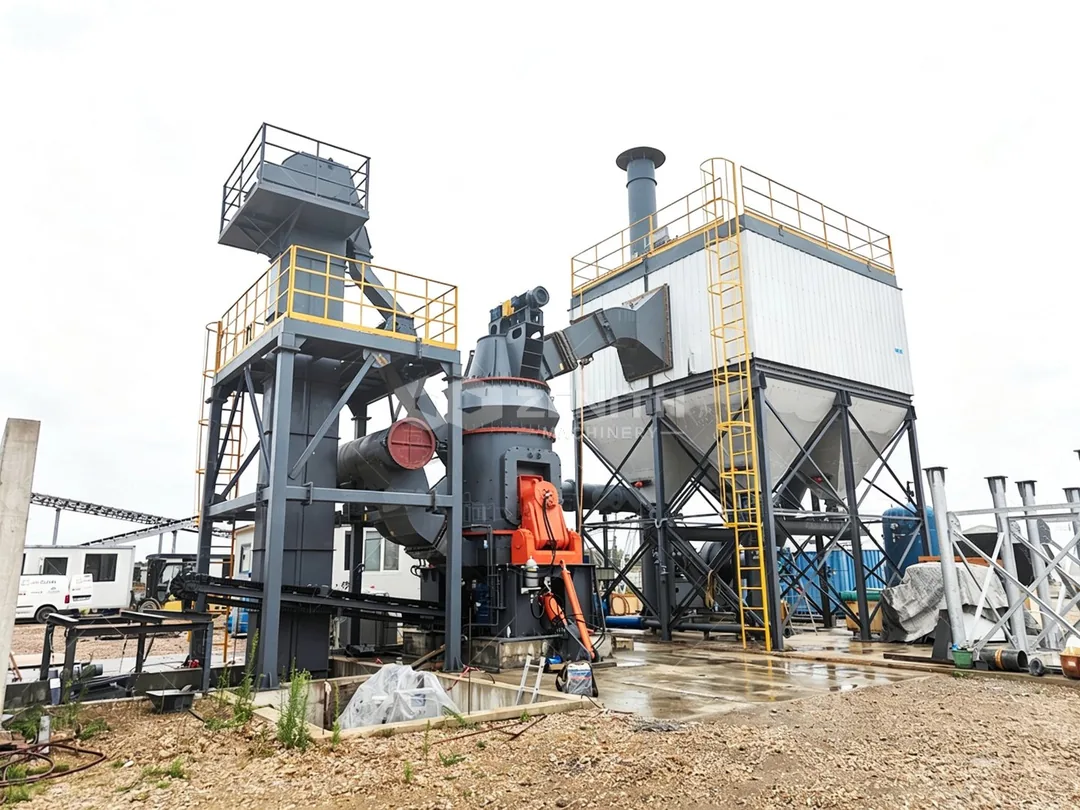
- System Configuration & Automation: Are you purchasing a standalone mill or a complete system including feeder, classifier, cyclone, dust collector, and electrical control panel? A full, turnkey system from Zenith, with automated controls for stable product quality and reduced labor, represents a higher initial cost but delivers lower long-term operating costs and superior consistency.
- Build Quality & Certifications: Zenith equipment is manufactured under ISO 9001 quality systems and carries CE certification, ensuring international standards of safety and performance. This built-in reliability, using high-quality steels and wear-resistant materials for vulnerable parts, contributes to the value and longevity of the mill, justifying the investment.
_1766483676624.jpg)
Zenith Solutions for Coke & Charcoal Grinding in Kenya
Based on your capacity target, here are two highly recommended pathways from the Zenith portfolio:
1. The High-Efficiency Workhorse: MTW/MTM European Trapezium Mill
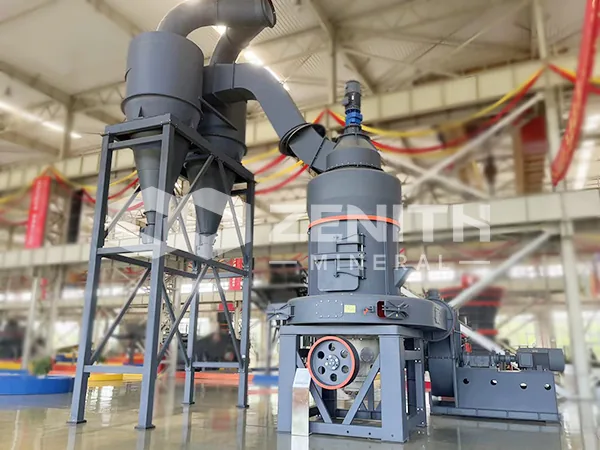
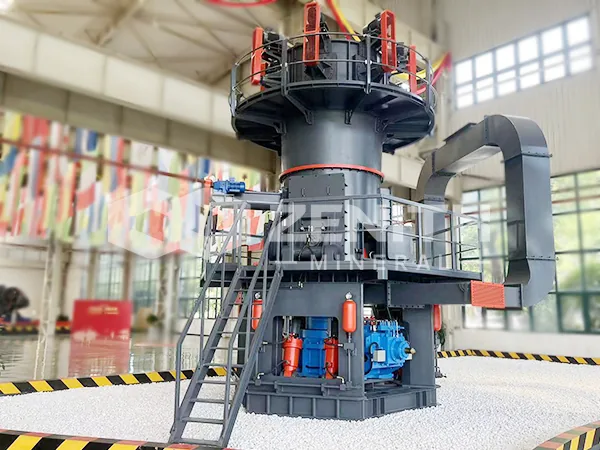
For a balance of performance, energy savings, and cost-effectiveness for producing 80-400 mesh powder, the MTW/MTM series is immensely popular. With a capacity range of 3-22 T/H (and models up to 50 TPH), it likely covers your capacity requirement. Its key cost-saving features include a 60% lower energy consumption than ball mills, a compact design that reduces foundation costs, and a modular impeller system for easy fineness adjustment. For a Kenyan business focused on operational efficiency, the rapid ROI from lower power bills makes this an astute choice.
2. The Large-Capacity Specialist: LM Vertical Grinding Mill
If your operation demands 24/7 running, maximum automation, and the lowest possible operating cost per ton at scale, the LM Vertical Mill is the industry benchmark. Its capacity range extends up to 340 T/H. It operates under negative pressure, making it completely dust-free—a critical consideration for environmental and worker safety compliance. While the capital cost is higher, its unparalleled energy efficiency, low wear rate, and automated operation make it the most economical solution for high-volume, continuous production plants.
_1766483676626.jpg)
Beyond the Machine: The Zenith Partnership in Kenya
Your cost calculation must include the value of partnership. Zenith is not just a supplier; we are a solution provider with over 30 years of expertise. Our cost proposal for your project includes:
- Professional System Design: Our engineers will analyze your raw material properties and desired output to recommend the optimal model and system layout.
- Comprehensive After-Sales Support: With a global network covering over 180 countries, including support channels accessible in Kenya, we provide installation guidance, commissioning, operator training, and ready availability of spare parts.
- Certified Quality & Reliability: The peace of mind that comes with ISO, CE, and CU-TR certified equipment minimizes downtime risk—a hidden cost that can far exceed the price of the mill itself.
To receive a detailed, customized quotation for a coke and charcoal grinding mill with your required capacity, please contact our sales team with your specific material details and fineness requirements. We will provide a transparent breakdown, helping you make the most informed and profitable investment for your Kenyan operation.
_1766483676627.jpg)
Frequently Asked Questions (FAQs)
- What is the lead time for delivering and installing a grinding mill in Kenya?
Lead times vary based on the model and system complexity. Typically, for standard models, delivery can be arranged within 8-12 weeks after order confirmation, subject to shipping and customs clearance. Our project team will provide a detailed timeline. - Do you provide installation supervision and operator training in Kenya?
Yes, absolutely. We offer comprehensive technical support, which can include sending our engineers to your site for installation supervision, commissioning, and thorough hands-on training for your operational staff. - How does the energy consumption of an MTW Mill compare to a traditional ball mill for charcoal grinding?
Under ideal working conditions, the MTW European Trapezium Mill consumes more than 60% less energy than a ball mill of the same grade and output capacity, leading to substantial savings on electricity costs. - Can your mills handle the abrasive nature of certain types of charcoal or coke?
Yes. Our mills are designed with material adaptability in mind. For highly abrasive materials, we can recommend specific models and configure them with enhanced wear-resistant linings and grinding elements to ensure a long service life. - What kind of after-sales service and spare parts availability can I expect in Kenya?
Zenith has a dedicated international service network. We maintain strategic spare parts inventories and have established channels to ensure prompt technical support and parts supply for our clients in Kenya and across Africa. - Is the grinding system environmentally friendly, particularly regarding dust emission?
All our advanced grinding systems, especially the LM Vertical Mill and MTW/MTM series, operate under negative or closed-loop pressure and are equipped with high-efficiency pulse dust collectors (bag filters). This ensures near-zero dust spillage, meeting stringent environmental protection standards. - Can the fineness of the final powder be adjusted easily after installation?
Yes. Mills like the MTW, MTM, and XZM series feature adjustable classifiers (e.g., modular impellers or variable frequency drive classifiers). The fineness can be easily adjusted without stopping the machine, allowing for flexible production of different product grades.