Introduction to the tanzania high-calcium stone powder production line project
2025-12-23 00:54:53
In the heart of East Africa, Tanzania's rich mineral resources present a significant opportunity for industrial development. Among these, high-calcium limestone and marble deposits stand out as prime materials for producing high-value stone powders used in agriculture, construction, paints, plastics, and more. Establishing a modern, efficient, and environmentally sound production line for this purpose is not just a business venture; it's a step toward value-added industrialization. This article outlines a professional approach to such a project, leveraging advanced grinding technology to transform raw mineral wealth into premium powder products.
The cornerstone of any successful powder production line is the selection of appropriate grinding equipment. The requirements are stringent: high efficiency, consistent product quality, energy savings, and operational reliability. For the Tanzania high-calcium stone project, which targets a range of powder fineness from coarse aggregates to ultrafine fillers, a multi-stage milling system is often the optimal solution. A typical configuration might begin with a coarse crushing stage, followed by precise grinding mills tailored to specific product grades.
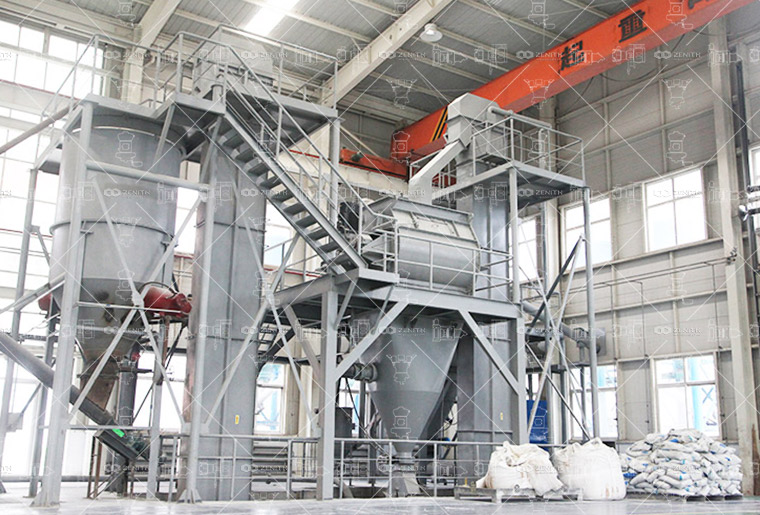
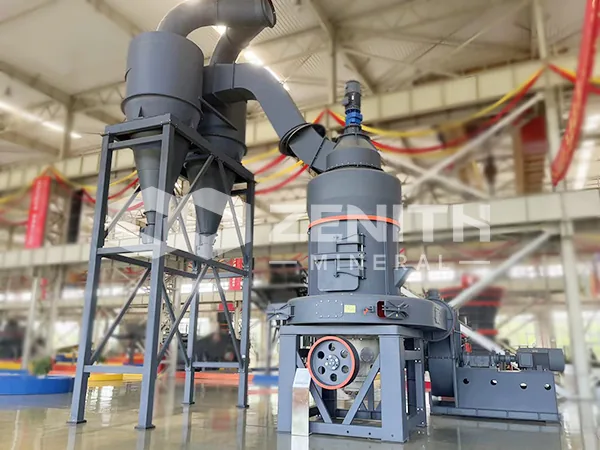
For producing fine powders in the 80-400 mesh range, ideal for agricultural lime, wall putty, or chemical fillers, the MTW European Trapezium Mill or the MTM European Trapezium Mill are exemplary choices. These mills are renowned for their stability and practicality. A key advantage for a project in Tanzania is their 60% lower energy consumption compared to traditional ball mills, directly translating to reduced operational costs. Their integrated design, from bulk material handling to finished powder collection, minimizes the plant's footprint and foundational investment—a crucial factor in new project development.
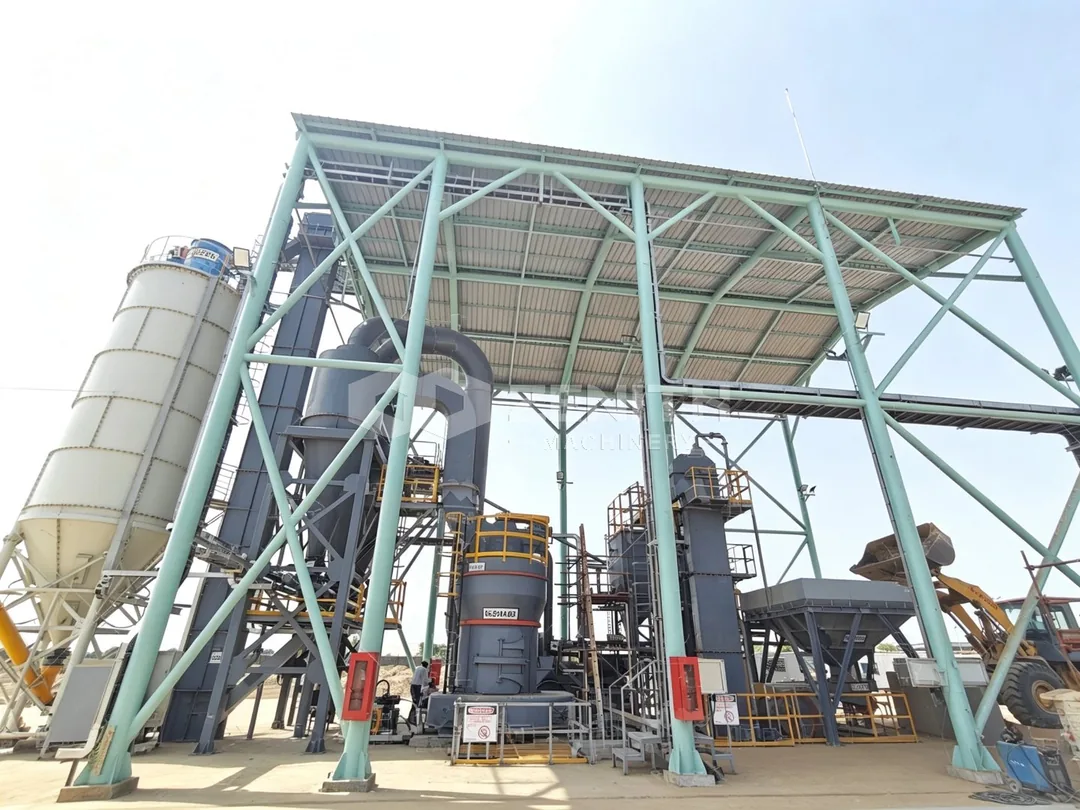
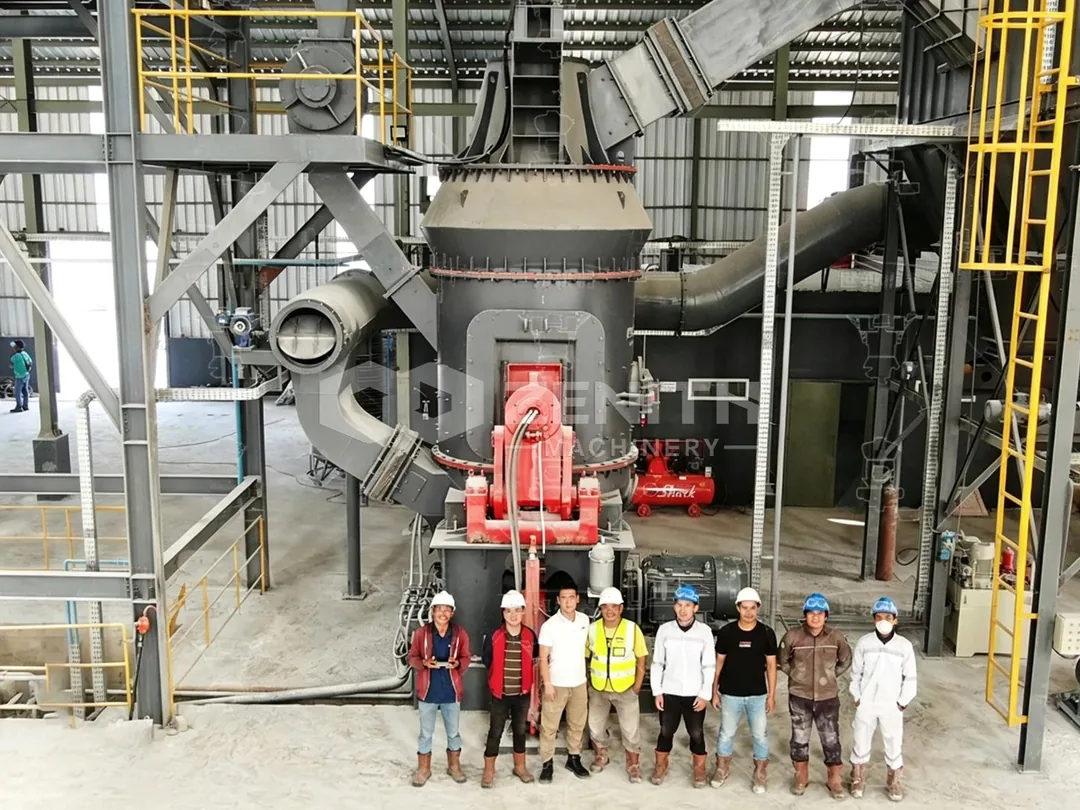
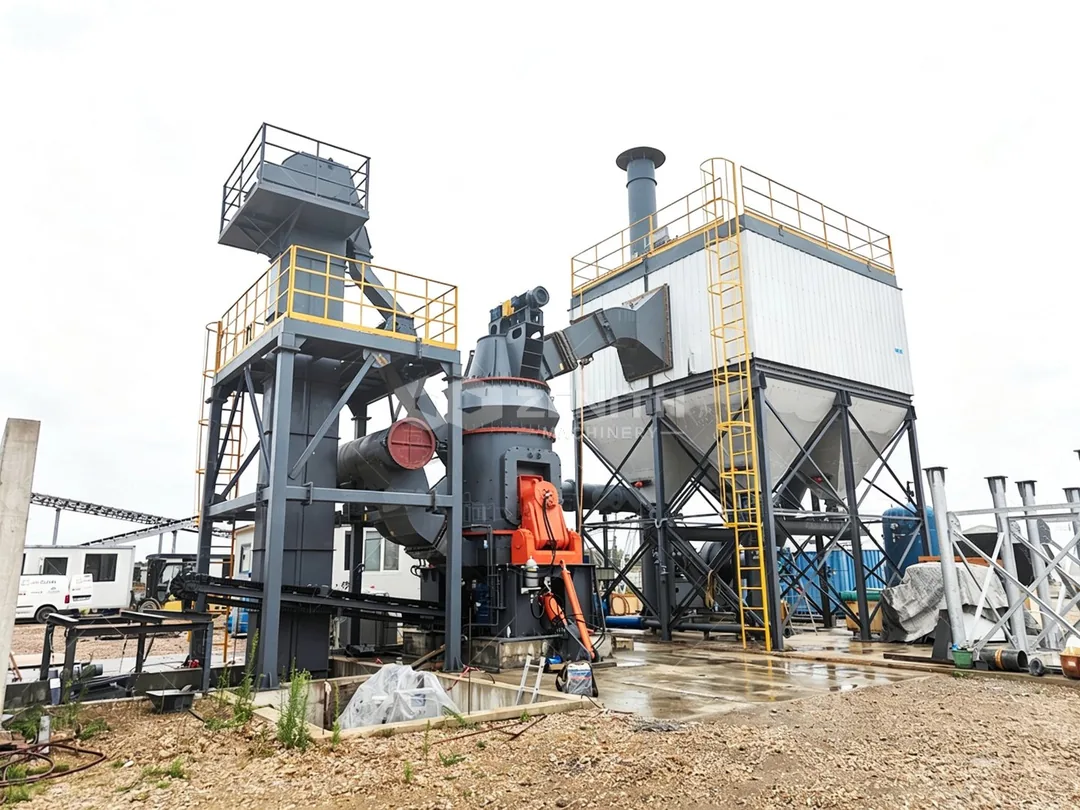
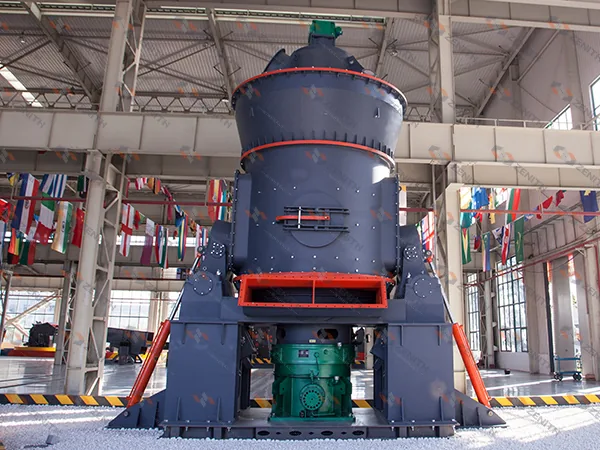
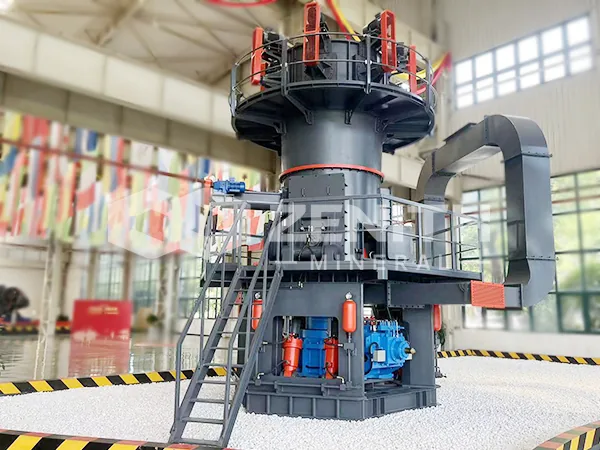
When the project scope demands higher capacity, 24-hour continuous operation, and superior automation for products like cementitious materials or ground calcium carbonate (GCC), the LM Vertical Grinding Mill is a superior option. Its compact, integrated design reduces the occupied area by approximately 50% compared to ball mill systems. Operating under negative pressure, it ensures a dust-free environment, aligning with stringent environmental standards. The high degree of automation allows for easy monitoring and low labor costs, which is beneficial for ensuring consistent product quality in large-scale, continuous production scenarios common in mineral processing plants.
_1766422493579.jpg)
The true value-add in the market often lies in ultrafine and micro powders (400-3250 mesh), used in high-end applications like premium paints, plastics, PVC, and artificial stone. Here, technology like the LUM Ultrafine Vertical Grinding Mill and the XZM Ultrafine Grinding Mill comes to the fore. The LUM mill, integrating German separating technology, excels in producing high-purity powders with precise particle size control and 30-50% lower energy consumption. The XZM series is remarkable for its ability to achieve fineness up to 2500 mesh (D97 < 5μm) in a single classification step, with a simple structure that ensures less downtime and easy maintenance. For the initial size reduction of raw stone to 0-3mm coarse powder, a Hammer Mill provides an efficient and stable solution with a high grinding ratio.
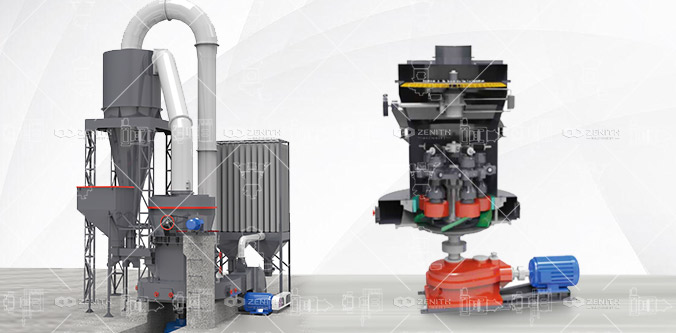
Beyond the core grinding units, a complete production line encompasses several critical subsystems: a raw material feeding and pre-crushing system, a powder conveying and classification system, a finished product storage and packaging system, and a comprehensive dust collection system. The latter is paramount. All recommended Zenith mills operate under negative or balanced pressure and are equipped with high-efficiency pulse dust collectors, ensuring the entire production process meets international environmental protection standards—a non-negotiable aspect of modern industrial projects in Tanzania and globally.
Partnering with an experienced equipment supplier is vital for project success. Shanghai Zenith Machinery, with its hi-tech engineering focus and global network spanning over 180 countries, offers not just ISO, CE, and CU-TR certified equipment but also comprehensive project support. From initial site assessment and process design to installation guidance, operator training, and after-sales service, such partnership de-risks the project. The proven performance of Zenith's grinding mills in similar applications worldwide provides a reliable blueprint for establishing a competitive, profitable, and sustainable high-calcium stone powder production line in Tanzania, contributing to local industry and economic growth.
Frequently Asked Questions (FAQs)
- What is the typical range of powder fineness your production lines can achieve for high-calcium stone?
Our configured lines can produce a full spectrum, from 0-3mm coarse powder using Hammer Mills, 20-400 mesh fine powder with MTW/MTM or LM Mills, 400-1250 mesh ultrafine powder with LUM Mills, and up to 1250-3250 mesh micro powder using the XZM Ultrafine Grinding Mill. - How does the energy consumption of your trapezium mills compare to traditional ball mills?
Both the MTW and MTM European Trapezium Mills consume over 60% less energy than ball mills of the same grade under ideal working conditions, significantly reducing long-term operational costs. - Can the production line be adjusted to produce different powder sizes without major downtime?
Yes. Many of our mills, like the MTW/MTM series, feature a modular impeller adjustment device. Changing the impellers allows for producing different fineness levels. The XZM mill's classifier also allows arbitrary fineness adjustment via a Variable Frequency Drive (VFD) on the control panel. - What measures are in place to ensure the production line meets environmental standards?
The entire system is designed to operate under negative or balanced pressure. All grinding mills are sealed and paired with high-efficiency pulse jet dust collectors, ensuring no dust spillage, low noise, and emissions that comply with national and international environmental regulations. - What level of automation can we expect?
Our lines, particularly those centered on the LM Vertical Mill or systems with intelligent control panels, offer a high degree of automation. This includes remote/local control switching, automatic monitoring of operational parameters, and systems that can significantly reduce labor requirements for monitoring and basic operation. - How is the purity and whiteness of the high-calcium powder maintained during grinding?
Mills like the LM Vertical Grinding Mill and LUM Ultrafine Mill are designed to effectively control iron content and contamination. Their working principles and use of high-quality, wear-resistant materials in grinding zones minimize iron pollution, ensuring the high purity and whiteness of the final product. - What kind of after-sales support and service is available for a project in Tanzania?
With overseas offices in over 30 countries and a vast global service network, we provide comprehensive support including detailed installation drawings, foundation guidance, online/onsite commissioning supervision, operator training, and a reliable supply of genuine spare parts to ensure minimal downtime.