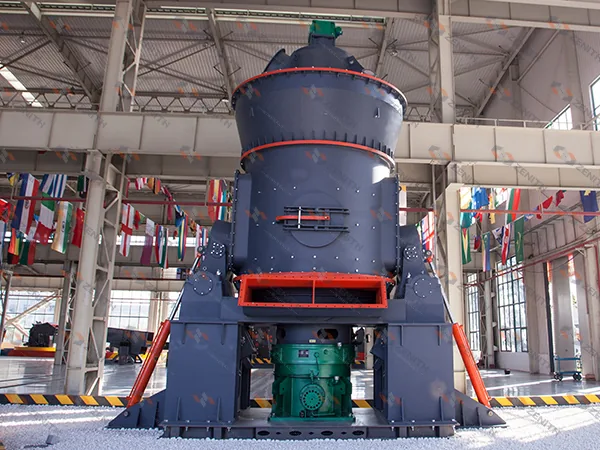
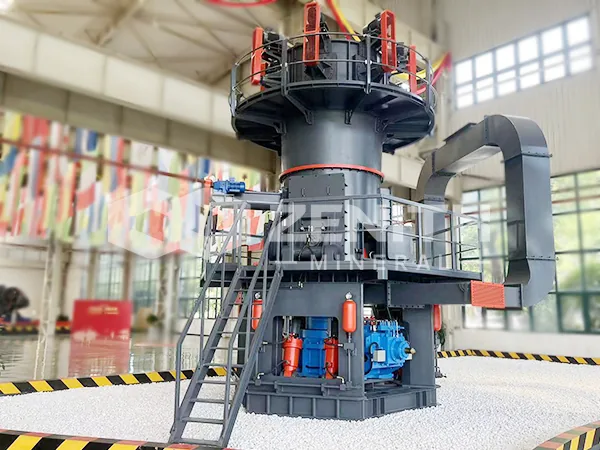
Mtw european-style grinding mill processing barite powder at customer site
2025-12-22 17:54:31
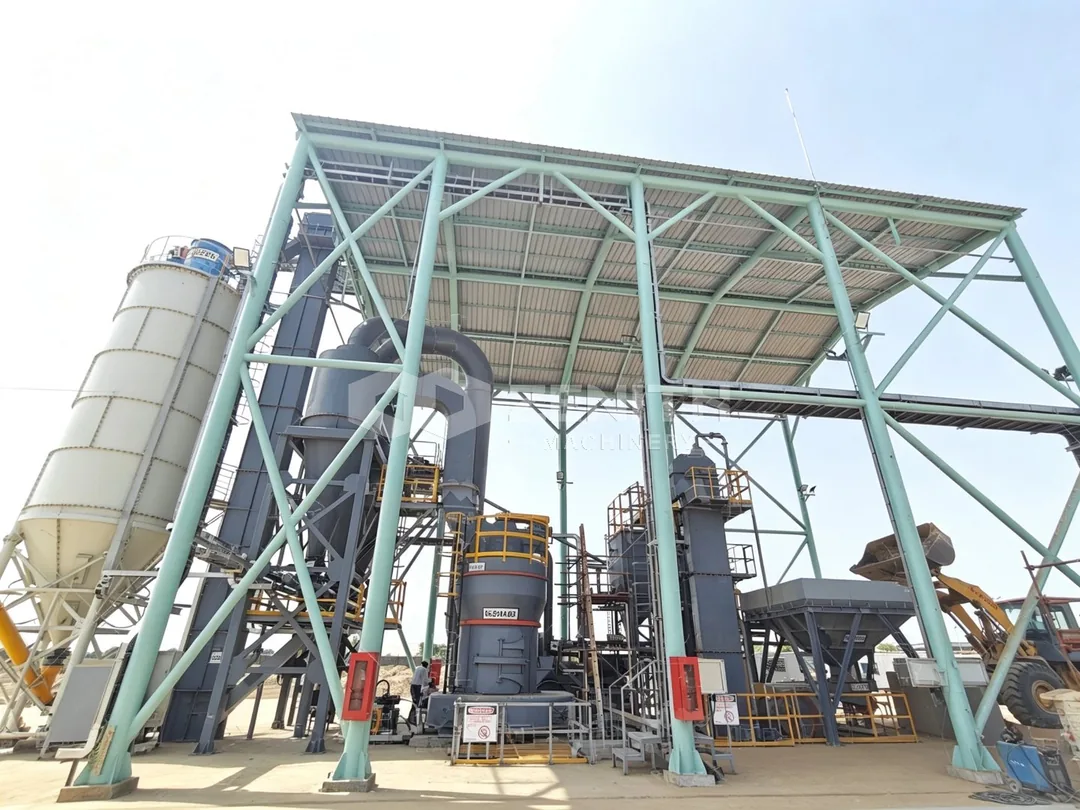
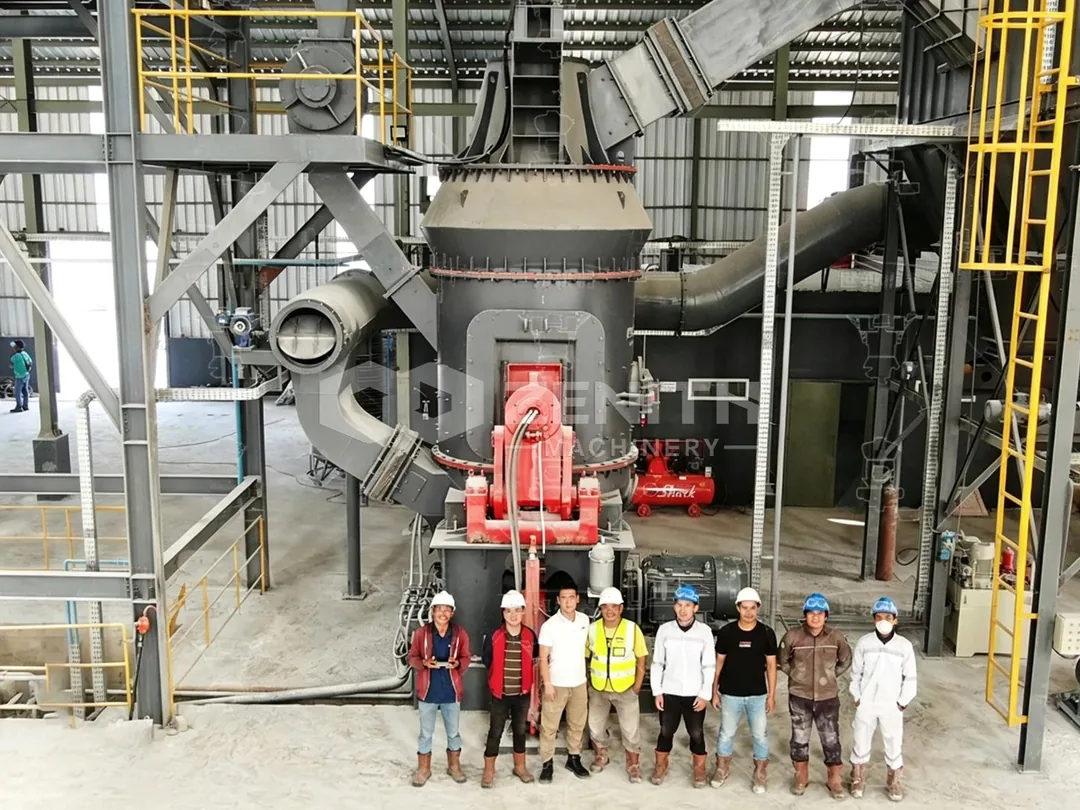
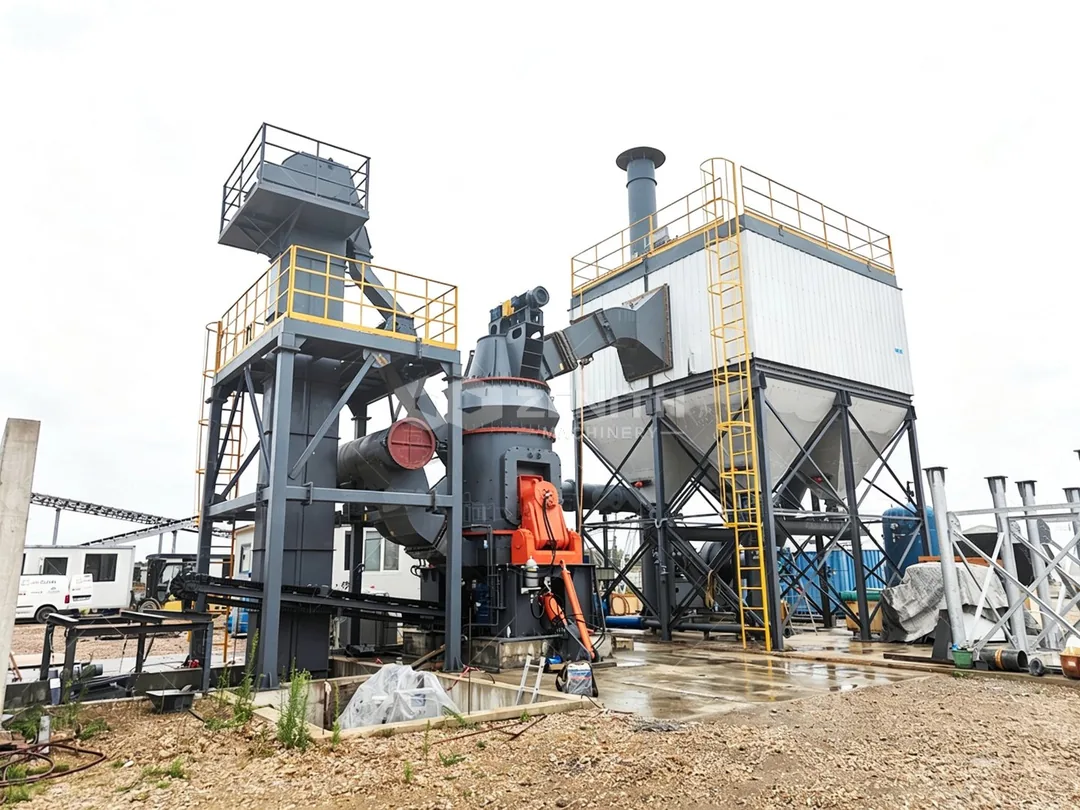
At a bustling industrial site, the consistent hum of a Zenith MTW European Trapezium Mill is more than just background noise; it's the sound of precision, efficiency, and profitability in action. This scene is replicated globally, where operations processing non-metallic minerals like barite demand equipment that delivers not just on promise, but on performance. The MTW series stands as a testament to Zenith's commitment to engineering grinding solutions that meet the rigorous, real-world demands of modern mineral processing.
Barite, or baryte, a mineral primarily composed of barium sulfate, is critical in industries ranging from oil and gas drilling (as a weighting agent for mud) to paints, plastics, and medical applications. Its value is intrinsically linked to its purity and fineness, making the grinding process a pivotal stage. This is where the design philosophy of the MTW mill shines. Engineered for producing fine powders in the 80-400 mesh range, its capability to handle up to 50 TPH in its largest configuration makes it a powerhouse for high-volume barite processing plants. The machine's stability ensures a uniform product grade, which is non-negotiable for barite used in high-specification applications.
_1766397271673.jpg)
One of the most compelling arguments for the MTW mill, voiced repeatedly by plant managers, is its dramatic reduction in operational costs. The claim of consuming over 60% less energy than a traditional ball mill of equivalent output is not merely a datasheet figure. On-site, this translates directly to lower electricity bills, a significant factor given the energy-intensive nature of grinding. Furthermore, its integrated production system—from bulk material feeding to finished powder collection—minimizes the need for extensive auxiliary equipment and plant footprint. This less occupied area principle means lower initial investment in infrastructure and simpler, more cost-effective facility layouts.
Operational flexibility is another cornerstone of the MTW design. Barite markets can demand different product specifications. The mill's modular impeller adjustment device allows operators to change output fineness relatively swiftly by swapping impellers, rather than undergoing a major mechanical overhaul. This adaptability minimizes downtime and enables producers to respond agilely to customer requirements or shift between producing, for instance, a coarse 80-mesh drilling-grade barite and a finer 325-mesh paint-grade powder.
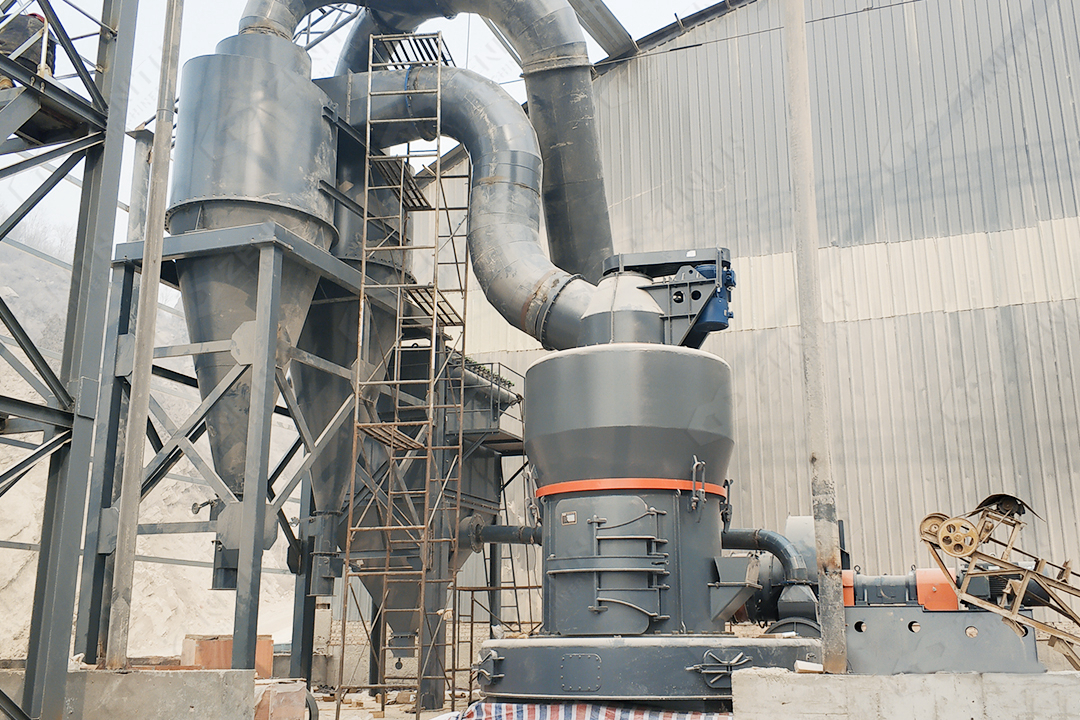
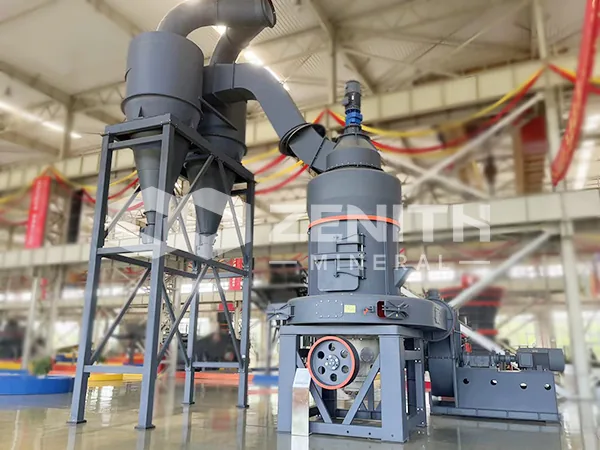
The working principle of the MTW mill is a model of efficient, closed-loop processing. Crushed barite is fed into the grinding chamber and pulverized by the rollers. The critical separation happens in the high-efficiency powder selector, powered by an impeller fan with an induced air efficiency of up to 85%. This superior airflow ensures precise classification: only perfectly sized particles proceed as finished product to the cyclone collector, while coarse particles are efficiently returned for re-grinding. The entire system operates under controlled negative pressure, and when coupled with the integrated pulse dust collector, it ensures the site remains clean and compliant with stringent environmental standards—a critical consideration for any modern operation.
_1766397271679.jpg)
Beyond the machine itself, choosing Zenith means tapping into a global support network. With a presence in over 180 countries and regional offices in more than 30, technical support, genuine parts, and operational expertise are never far away. The MTW mill carries international certifications like ISO, CE, and CU-TR, providing assurance of its quality and safety standards worldwide. For a site manager overseeing barite production, the combination of the MTW's proven performance, economic operation, and the backing of a global engineering group like Zenith creates a partnership geared for long-term, sustainable success.
The transition from raw barite ore to a valuable, consistent powder is a complex alchemy of physics and engineering. The Zenith MTW European Trapezium Mill has proven itself as a reliable and intelligent catalyst in this process, turning industrial challenges into profitable outcomes, one precise micron at a time.
Frequently Asked Questions (FAQs)
- What is the typical output fineness range for barite processed by the MTW Mill?
The Zenith MTW European Trapezium Mill is optimally designed to produce barite powder in the range of 80 to 400 mesh (approximately 180 to 37 microns). The fineness can be precisely adjusted within this spectrum using the modular impeller system. - How does the energy consumption of the MTW Mill compare to a traditional ball mill?
Under ideal working conditions, the MTW series mill demonstrates energy savings of more than 60% compared to a ball mill of the same grade and output capacity, leading to significantly lower operational costs. - Can the MTW Mill handle moist or sticky barite feedstock?
The MTW mill is primarily designed for grinding dry materials. For barite with high moisture content, a pre-drying system is recommended before feeding into the mill to ensure optimal grinding efficiency and prevent material clogging. - What kind of after-sales support does Zenith provide for the MTW Mill?
Zenith provides comprehensive support including installation guidance, operator training, a global supply chain for genuine wear parts, and access to technical service teams through its network of over 30 overseas offices. - Is the MTW Mill suitable for producing ultrafine barite powder (e.g., above 1250 mesh)?
For ultrafine barite powder requirements (e.g., 1250-3250 mesh), Zenith recommends its LUM Ultrafine Vertical Mill or XZM Ultrafine Grinding Mill, which are specifically engineered for higher fineness and precision in the micron and sub-micron ranges. - How is dust control managed during operation?
The MTW mill system operates under negative pressure and is equipped with a high-efficiency pulse jet bag dust collector as standard. This ensures that dust emission is effectively controlled, meeting international environmental and workplace safety standards. - What is the expected maintenance schedule for the grinding rollers and rings?
Maintenance intervals depend on material abrasiveness and operating hours. For barite (a medium-hardness mineral), key wear parts like grinding rollers and rings have a long service life. Zenith provides wear-resistant materials and offers clear maintenance guidelines based on operational data.