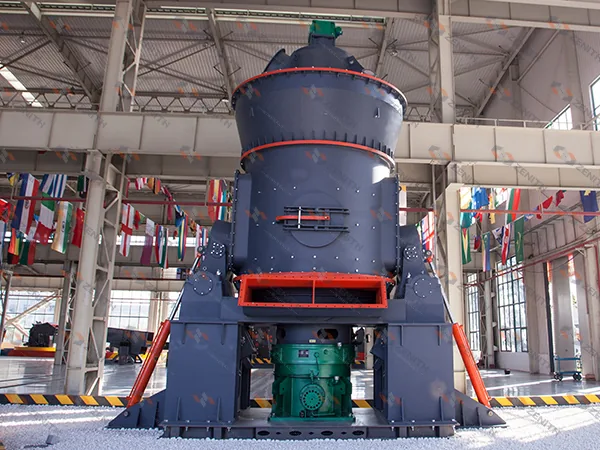
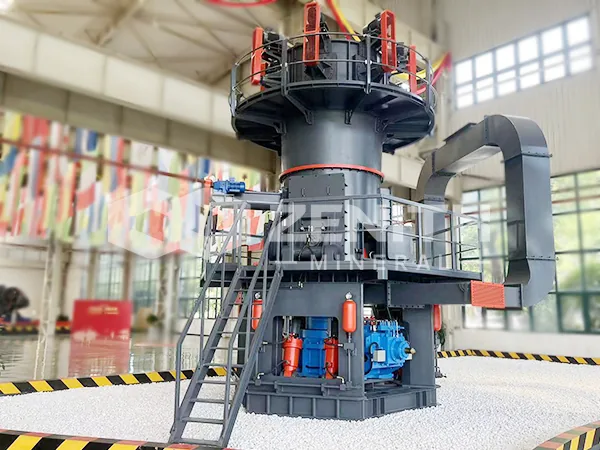
Limestone quarry purchases stone grinding machine
2025-12-22 14:36:57
In the competitive landscape of mineral extraction and processing, operational efficiency is not merely an advantage—it is a necessity for survival and growth. For a mid-sized limestone quarry operating in the Midwest, the decision to upgrade its grinding circuit marked a pivotal shift towards sustainable, high-yield production. Faced with aging equipment, rising energy costs, and stringent environmental regulations, the quarry's management embarked on a meticulous search for a grinding solution that would deliver not just incremental improvements, but a transformative leap in performance. Their journey led them to the advanced engineering and proven reliability of grinding machinery from Zenith.
The quarry's primary product lines ranged from coarse aggregates for construction to finely ground calcium carbonate powders for industrial fillers and agricultural lime. Their existing setup, reliant on older ball mill technology, was struggling with inconsistent product fineness, high maintenance downtime, and energy consumption that was eroding profit margins. The need was clear: a machine capable of handling a feed size of 0-35mm, producing a consistent output between 80-400 mesh for their premium powder line, and doing so with significantly greater energy efficiency.
_1766385417629.jpg)
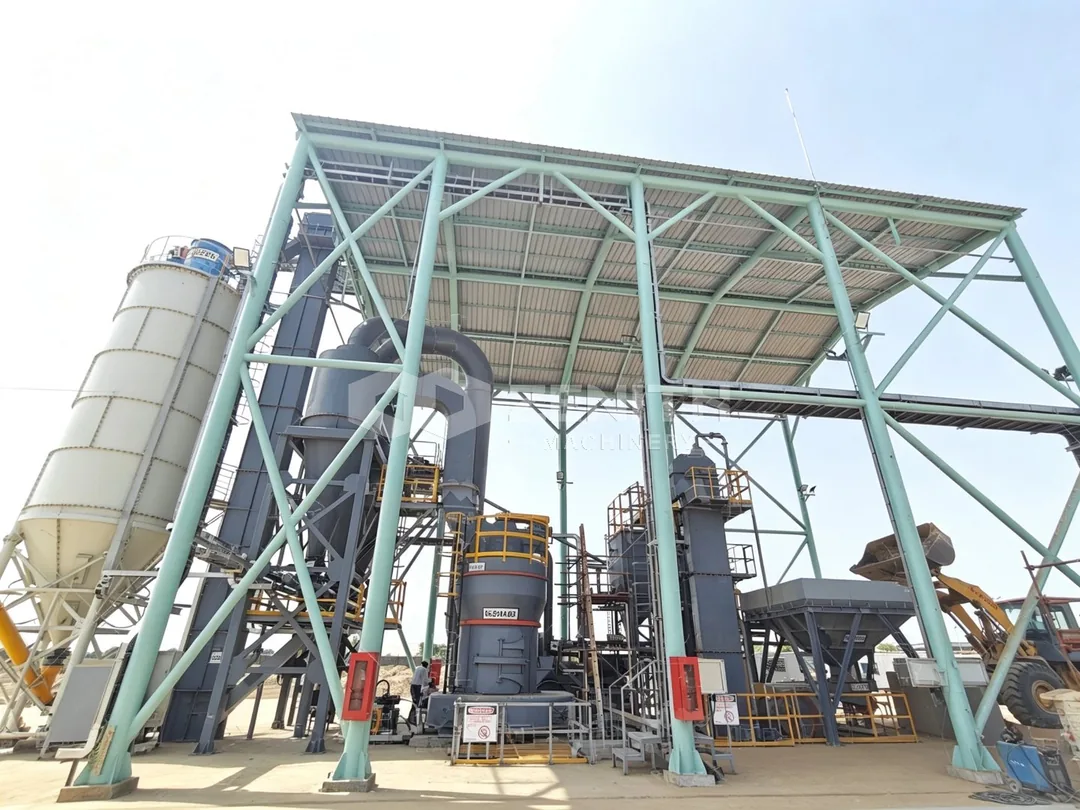
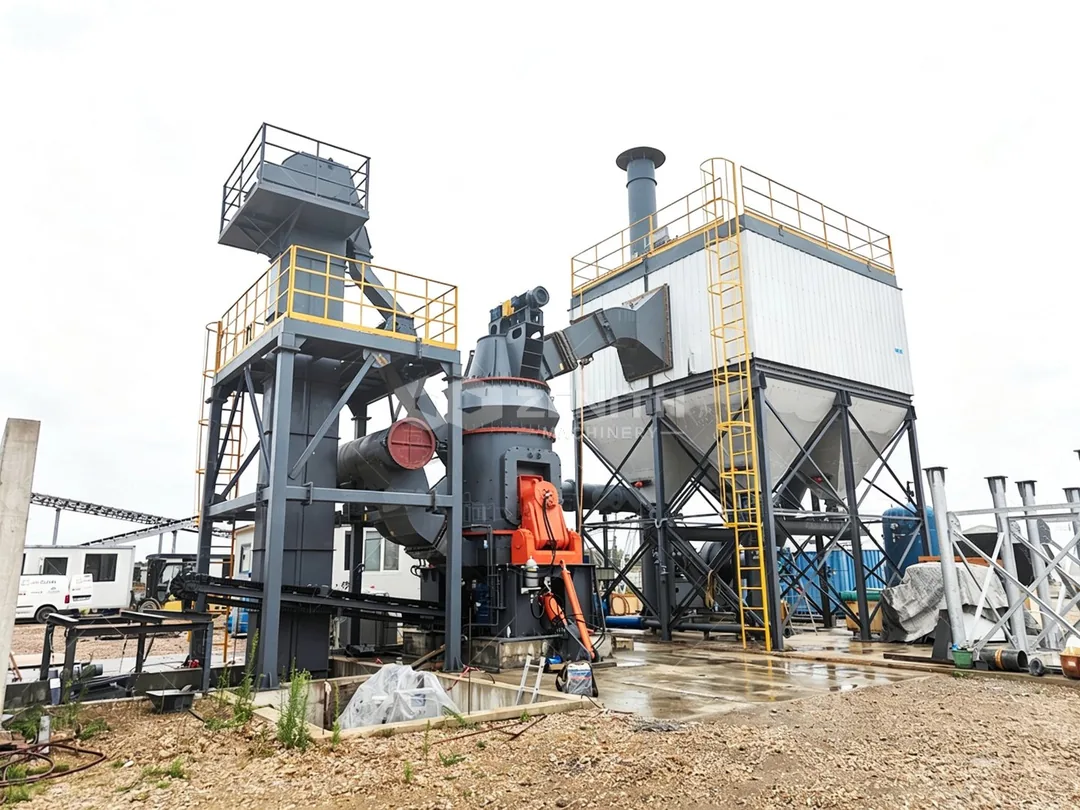
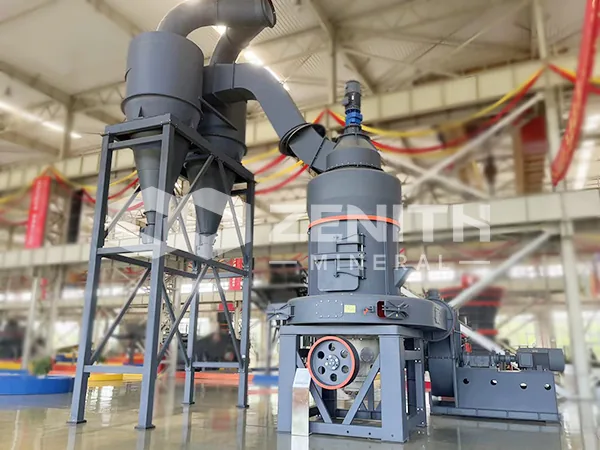
After evaluating several options, the quarry selected Zenith's MTW European Trapezium Mill. The decision was driven by a compelling combination of features outlined in Zenith's technical documentation. The promise of over 60% lower energy consumption compared to their traditional ball mill presented an immediate and calculable return on investment. Furthermore, the MTW series' integrated production system—from bulk material to finished powder—meant less investment in auxiliary plant structures and a smaller physical footprint, a crucial factor for the quarry's constrained site layout.
"The modular impeller adjustment system was a game-changer for us," noted the quarry's production manager. "In our business, customer specifications for fineness can vary weekly. The ability to reliably adjust our output from 30 to 325 mesh simply by changing impellers gives us incredible flexibility without compromising throughput." This adjustable output fineness allowed the quarry to swiftly cater to diverse market demands, from paint manufacturers requiring ultra-fine powder to steel plants needing specific mesh sizes for desulfurization.
The installation and commissioning phase highlighted the machine's sophisticated yet user-friendly design. The high-efficiency impeller fan, which boosts air induction efficiency to 85%, ensured optimal material flow and classification within the closed system. The working principle, where crushed limestone is classified by a powder selector and coarse particles are automatically returned for re-grinding, created a seamless, automated loop. This system, operating under negative pressure and equipped with a pulse dust collector, finally allowed the quarry to meet environmental standards without resorting to expensive external filtration add-ons.
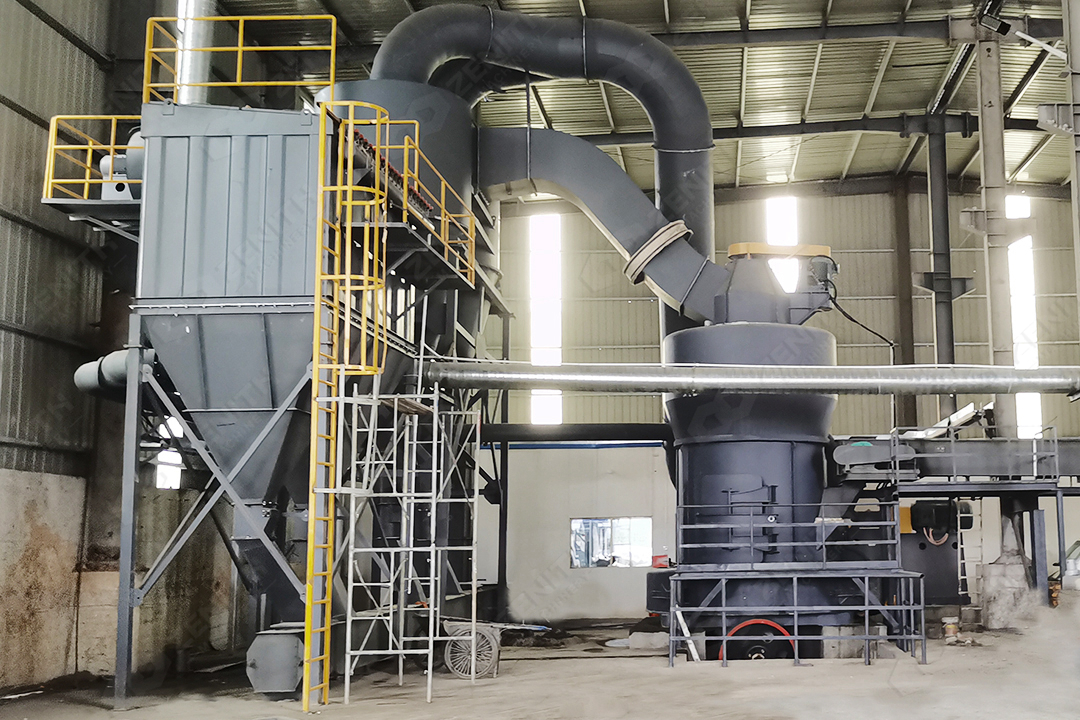
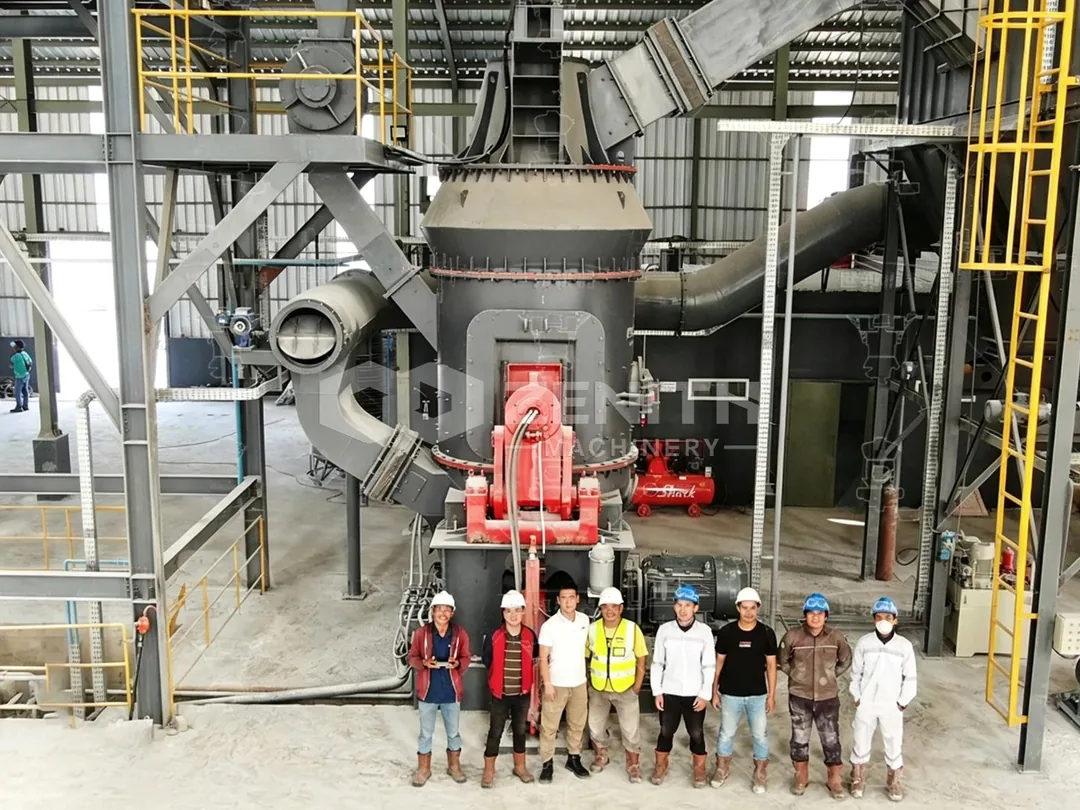
Within the first quarter of operation, the results were tangible. The MTW mill achieved its rated capacity of 22 T/H with remarkable stability. Energy consumption metrics confirmed the projected savings, directly boosting the bottom line. The consistency of the final product's particle size distribution improved dramatically, leading to higher customer satisfaction and opening doors to more lucrative industrial powder contracts. The quarry's story is a testament to how targeted technological investment, backed by robust engineering from partners like Zenith, can redefine a business's operational and commercial trajectory.
For operations considering a similar upgrade, Zenith's portfolio offers tailored solutions. The LM Vertical Grinding Mill, for instance, is an excellent choice for quarries aiming for 24/7 automated operation with capacities up to 340 T/H, ideal for massive cement or mineral powder plants. For those targeting the ultra-fine powder market (up to 3250 mesh), the LUM Ultrafine Vertical Grinding Mill or the XZM Ultrafine Grinding Mill provide unparalleled precision and energy savings of 30-50% over conventional mills. For initial coarse crushing of 0-3mm aggregate, the HM Series Hammer Mill offers high grinding ratio and stable performance.
_1766385417635.jpg)
Frequently Asked Questions (FAQs)
- What is the primary advantage of the MTW/MTM Trapezium Mill over a traditional ball mill for limestone grinding?
The most significant advantage is energy efficiency, consuming over 60% less power than a ball mill of the same grade. Additionally, it offers a fully integrated system with a smaller footprint, adjustable fineness, and superior airflow efficiency for better classification. - Can Zenith grinding mills handle moist limestone feedstock?
While designed for dry grinding, certain models like the LM Vertical Mill can integrate with hot air systems for grinding and drying simultaneously. It's crucial to consult with Zenith engineers to configure the system (open or closed circuit) based on the material's moisture content. - How does the adjustable fineness feature work on the MTW Mill?
It utilizes a modular impeller adjustment device on the powder classifier. By changing the impeller configuration or adjusting its speed (often via a VFD), the centrifugal force for particle separation is altered, allowing precise control over the final product mesh size without stopping production. - What kind of after-sales support and certification does Zenith provide?
Zenith equipment holds ISO, EU CE, and CU-TR certifications, ensuring international quality and safety standards. With offices in over 30 countries, they provide comprehensive support including installation guidance, operational training, and readily available spare parts. - Is the grinding process environmentally friendly?
Yes. Systems like the MTW, LM, and LUM mills operate under negative or sealed pressure conditions with integrated pulse dust collectors. This design contains dust effectively, minimizes spillage, reduces noise, and ensures emissions comply with strict environmental regulations. - What is the typical installation and commissioning timeline for a mill like the MTW series?
The timeline varies based on model size and site preparation. However, due to their integrated system design, installation is generally faster than for piecemeal systems. Zenith's technical teams work closely with clients to plan and execute commissioning efficiently, aiming to minimize operational downtime. - Which mill is recommended for producing very coarse limestone powder (0-3mm)?
For dedicated coarse powder production in the 0-3mm range, the HM Series Hammer Mill is specifically designed for high output and a good grinding ratio, making it ideal for applications in dry mortar, agriculture, and construction materials.