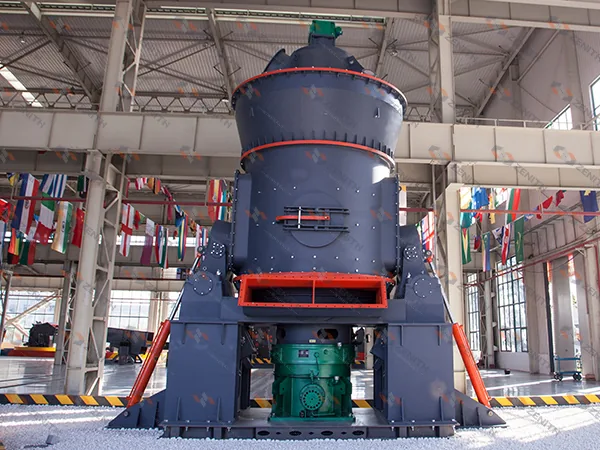
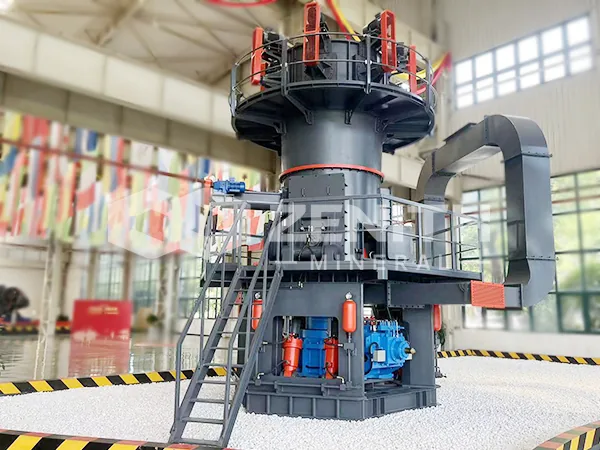
Coal gangue powder, ground to 50-100 mesh, is used for underground shotcrete filling.
2025-12-18 17:55:28
The utilization of industrial by-products in construction represents a significant stride towards sustainable and cost-effective engineering. Among these materials, coal gangue, a solid waste generated during coal mining and washing, has emerged as a valuable resource, particularly for underground shotcrete filling. When processed to a specific fineness of 50-100 mesh, coal gangue powder transforms from an environmental liability into a high-performance supplementary cementitious material. This article explores the application and the critical role of advanced grinding technology in unlocking its full potential.
Shotcrete, or sprayed concrete, is a fundamental support method in underground mining and tunneling. Its success hinges on the mix design, where the inclusion of finely ground coal gangue powder offers multiple advantages. At 50-100 mesh (approximately 150-300 microns), the powder exhibits optimal particle packing. It fills voids between cement grains, enhancing the density and reducing the permeability of the final shotcrete layer. This leads to improved durability against water ingress and chemical attack in harsh underground environments. Furthermore, the pozzolanic activity of certain components within the gangue can contribute to long-term strength development, while its use significantly reduces the cement clinker factor, lowering both material costs and the carbon footprint of the operation.
_1766051728696.jpg)
The bridge between raw coal gangue rock and this high-value powder is efficient, reliable grinding equipment. The target fineness of 50-100 mesh sits within the fine powder range, a domain where selecting the right mill is paramount for profitability and product consistency. Not all grinding systems are created equal for this task. The ideal solution must handle the sometimes-abrasive and variable nature of gangue, deliver a tightly controlled particle size distribution, and do so with minimal energy consumption and operational footprint.
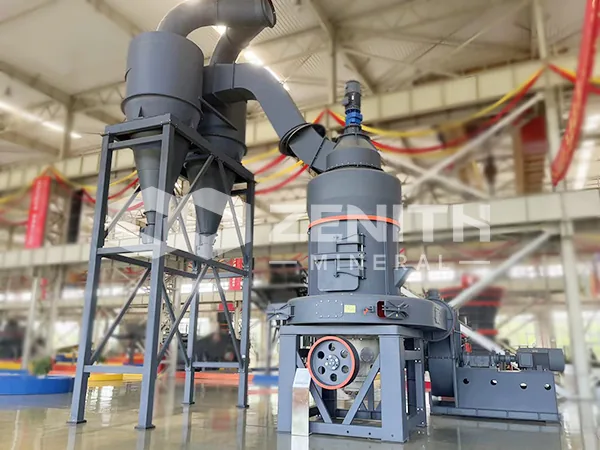
For this specific application, several mills from our portfolio stand out. The MTW European Trapezium Mill is a premier choice for producing 80-400 mesh powder with large capacity. Its modular design allows for precise adjustment of output fineness—crucial for dialing in the exact 50-100 mesh specification. A key benefit is its energy consumption, which is over 60% lower than a traditional ball mill of the same grade. For operations prioritizing proven, long-term stability, the MTM European Trapezium Mill offers similar advantages, backed by decades of practical use in mineral powder production.
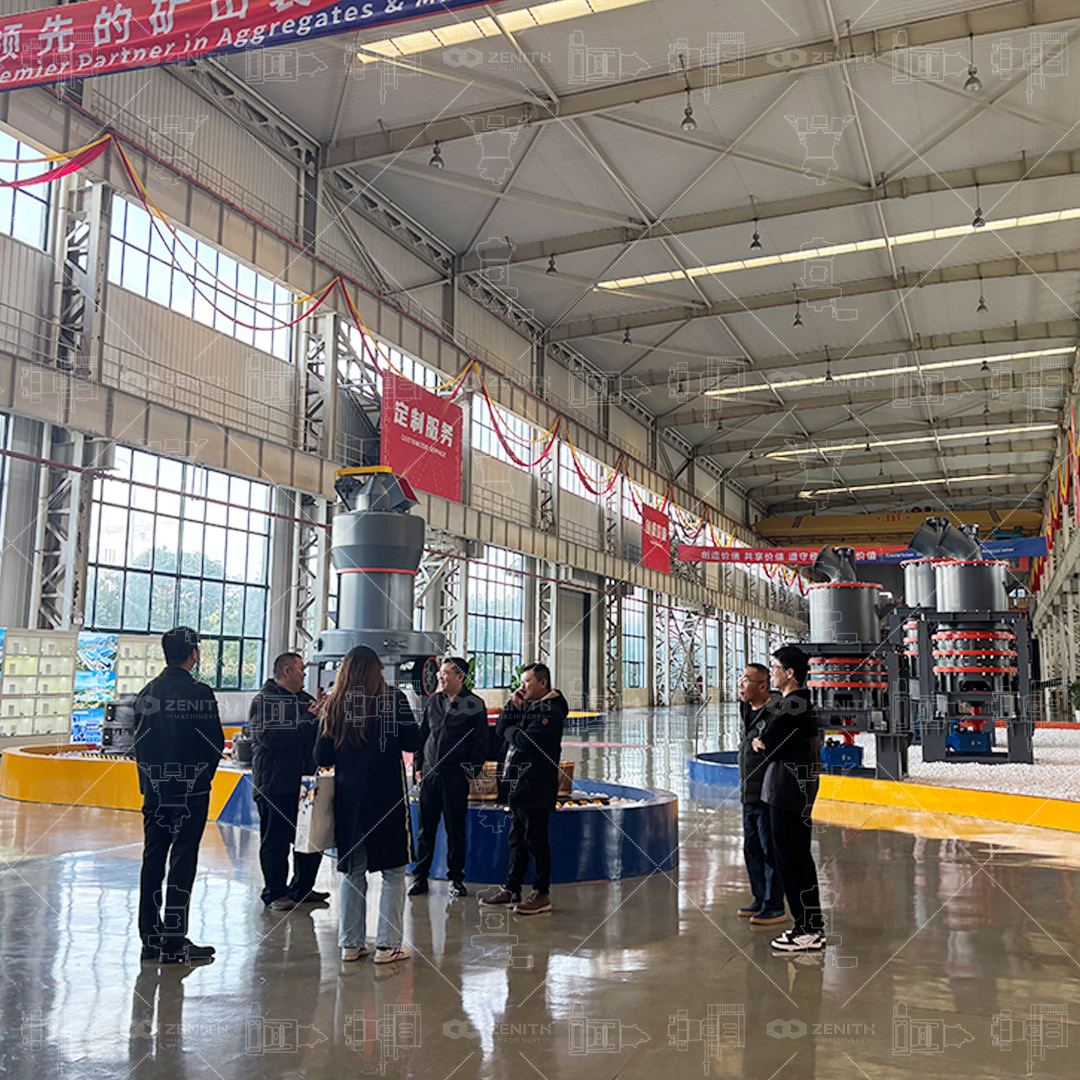
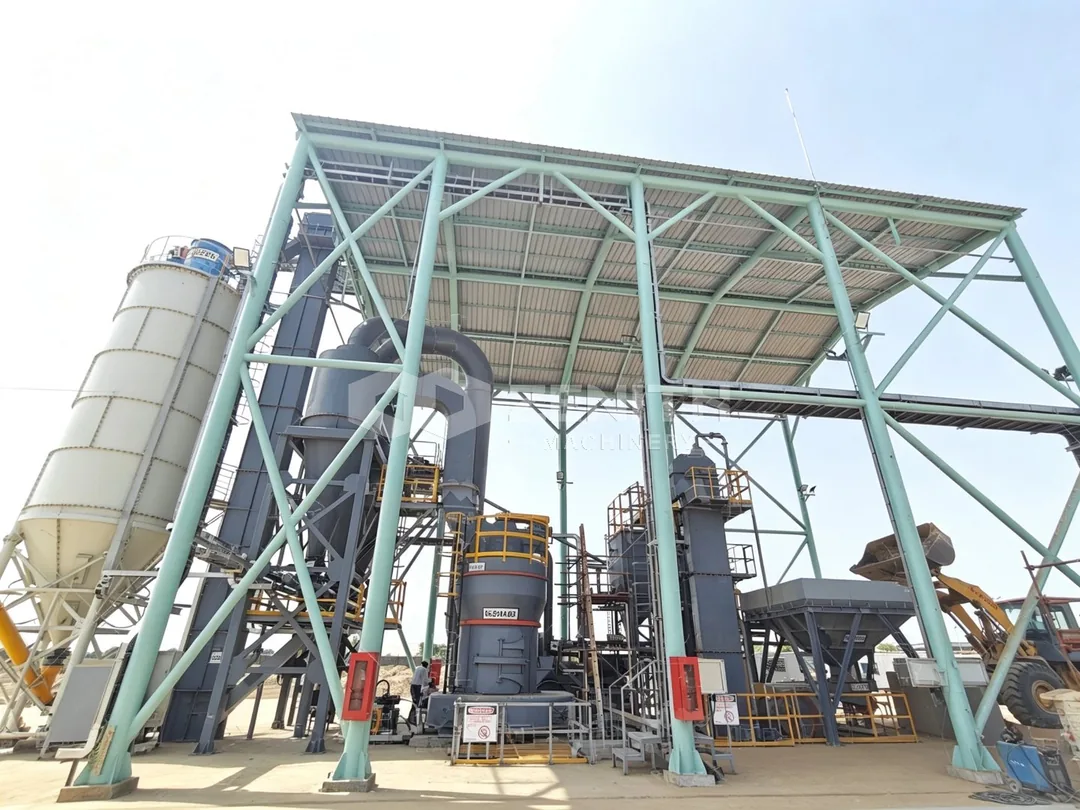
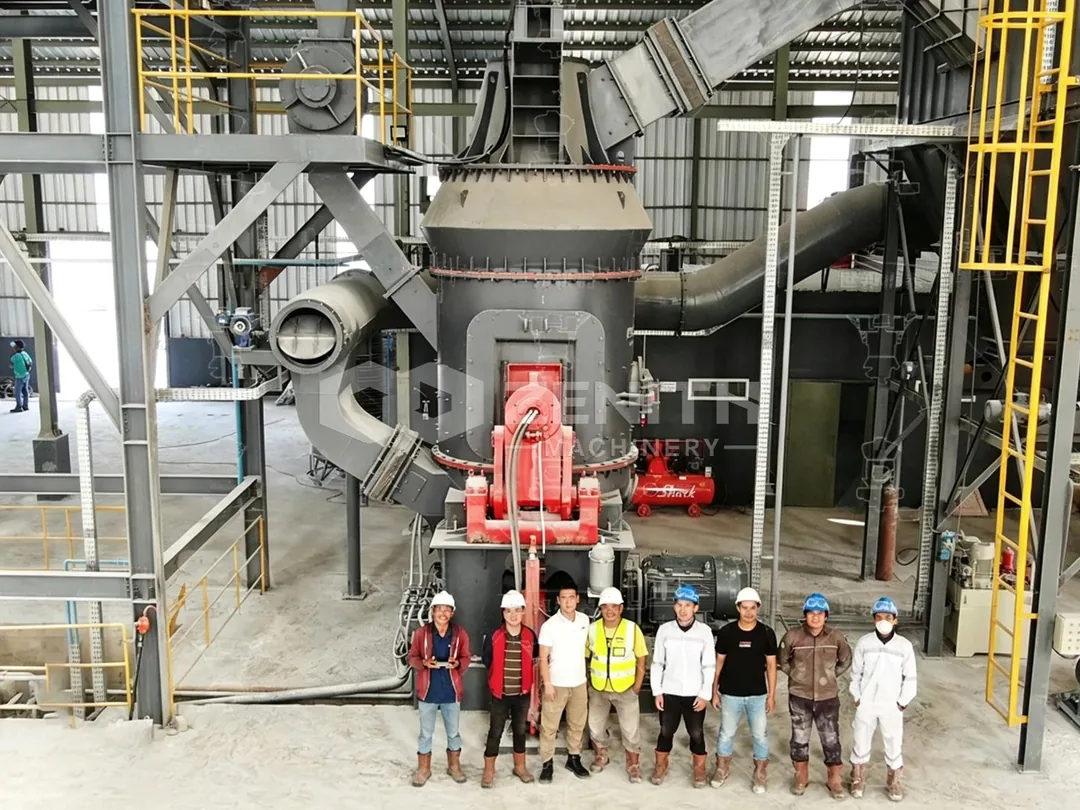
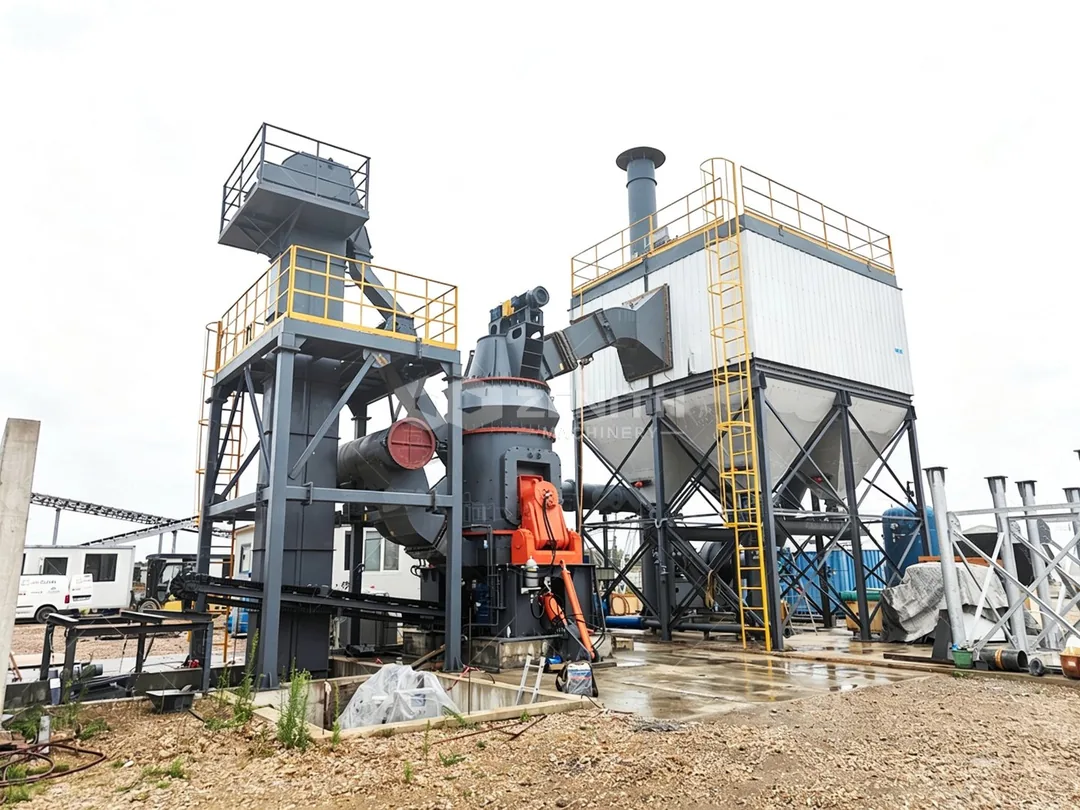
When project scale demands maximum automation and continuous 24/7 operation, the LM Vertical Grinding Mill presents an excellent solution. Its compact, integrated design reduces the plant footprint by about 50% compared to ball mill systems, a critical factor for space-constrained sites. Operating under negative pressure, it ensures an environmentally friendly process with no dust spillage, aligning with strict underground ventilation and surface environmental standards. For operations that may also require coarser material for other applications, the Hammer Mill (HM Series) is the core equipment for efficient 0-3mm coarse powder production, which could serve as a pre-crushing stage or for other backfill purposes.
The working principle of these advanced mills ensures consistent quality. In our MTW/MTM and LM series mills, material is fed into the grinding chamber where rollers exert pressure on a rotating bed of material. An integral fan and high-efficiency powder classifier create an internal airflow that carries the ground particles. Here, the classification process is vital: particles meeting the 50-100 mesh fineness are separated and collected, while coarser particles are returned for regrinding. This closed-circuit system guarantees the uniform fineness required for effective shotcrete performance.
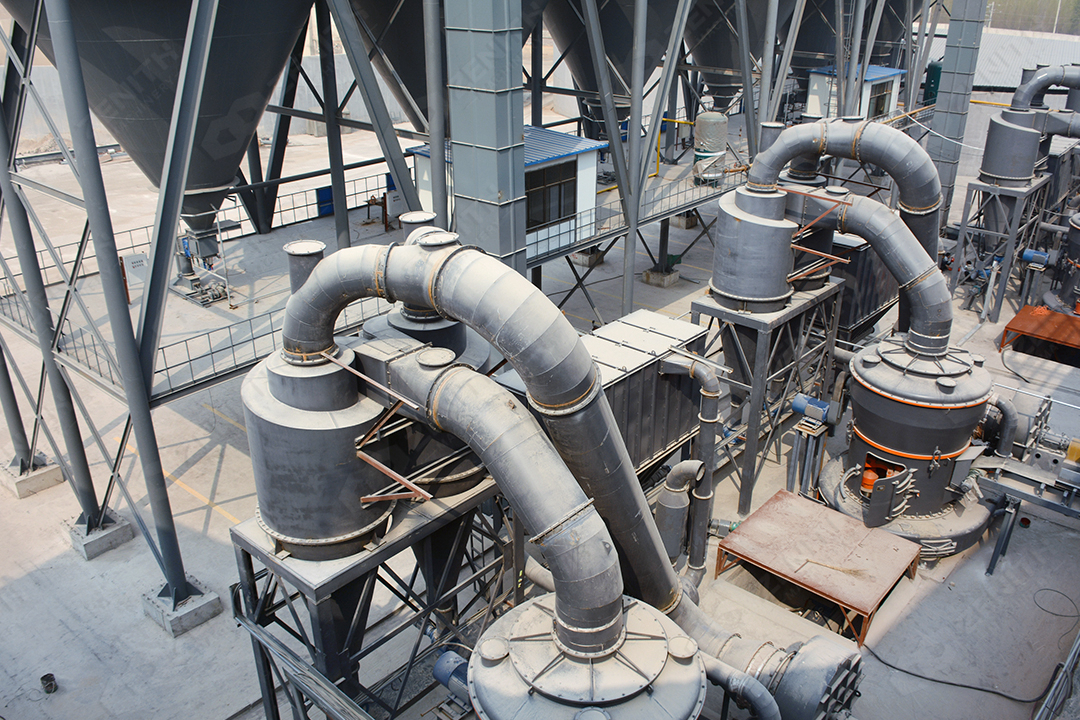
Beyond the machine itself, successful implementation rests on a foundation of quality and support. Our grinding equipment holds ISO, CE, and CU-TR certifications, ensuring they meet international standards for safety and performance. With a marketing and service network spanning over 180 countries, we provide localized support to ensure your coal gangue powder production line—from bulk material handling to finished powder packaging—operates at peak efficiency. By partnering with the right technology provider, mining and construction firms can turn coal gangue into a strategic asset, enhancing the safety, sustainability, and economics of their underground shotcrete operations.
Frequently Asked Questions (FAQs)
- Why is 50-100 mesh considered the optimal fineness for coal gangue in shotcrete?
This fineness provides an ideal balance. The particles are fine enough to improve particle packing density and pozzolanic reactivity, yet not so fine that they demand excessive grinding energy or cause rapid water demand in the mix, which is crucial for shotcrete workability. - Can your mills handle variations in coal gangue hardness and moisture?
Yes. Our MTW, MTM, and LM series mills are designed with robust construction and adjustable operational parameters (like grinding pressure and classifier speed) to adapt to fluctuations in material properties, ensuring consistent output fineness. - How does using your grinding equipment compare cost-wise to traditional ball mills?
The primary savings come from drastically lower energy consumption (over 60% less), reduced foundation and space requirements, and lower wear-part costs due to more efficient grinding mechanisms, leading to a lower total cost of ownership. - Is the grinding process environmentally friendly?
Absolutely. Our recommended mills operate under negative or closed-circuit pressure with integrated pulse dust collectors. This design contains all dust within the system, resulting in a clean production process that meets stringent environmental standards. - What kind of output capacity can we expect for 50-100 mesh gangue powder?
Capacity depends on the model selected. For example, our MTW series can offer capacities from 3 to 22 T/H for fine powder, with the largest models capable of up to 50 TPH under certain conditions. We can recommend a model based on your specific throughput requirements. - Do you provide assistance with the overall system design, not just the mill?
Yes. We offer solutions for the complete production system, from crushers for initial size reduction and feeders to conveyors, the main grinding mill, classifiers, and the finished product collection system, ensuring all components work in harmony. - How is the final fineness of the powder controlled and guaranteed?
Fineness is precisely controlled by adjusting the speed of the high-efficiency impeller classifier integrated into the mill. This allows real-time tuning to produce the exact 50-100 mesh specification, and the system's closed-loop design ensures consistency.