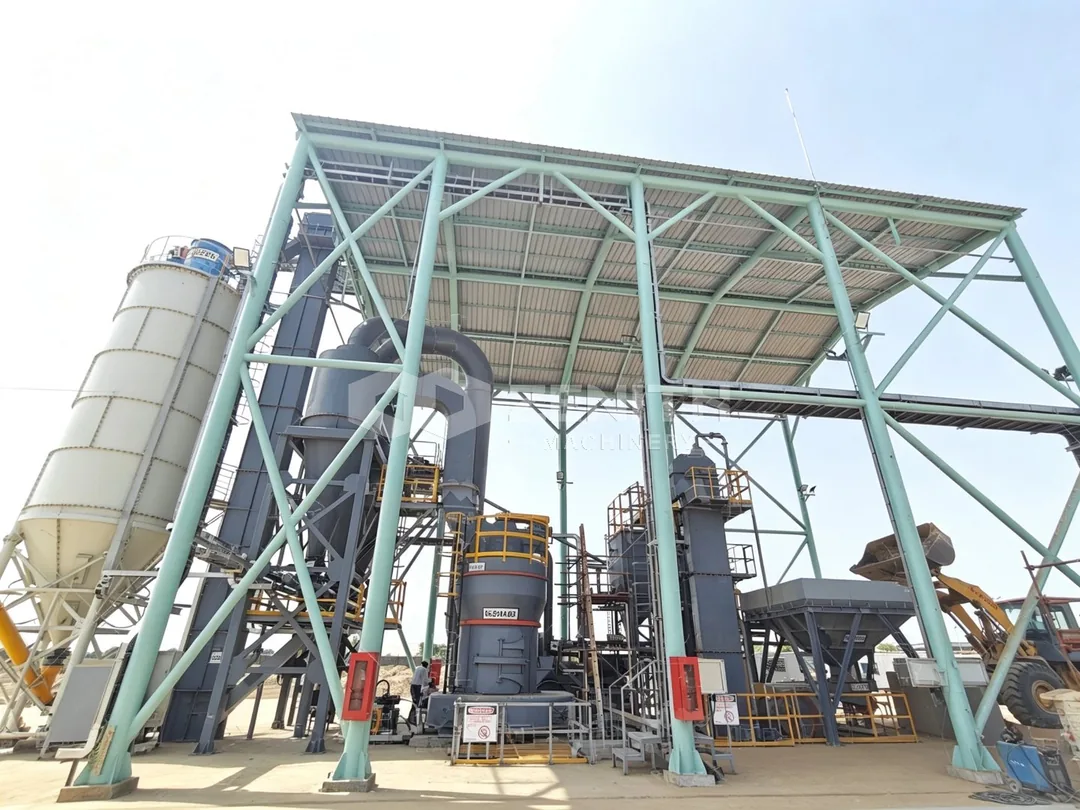
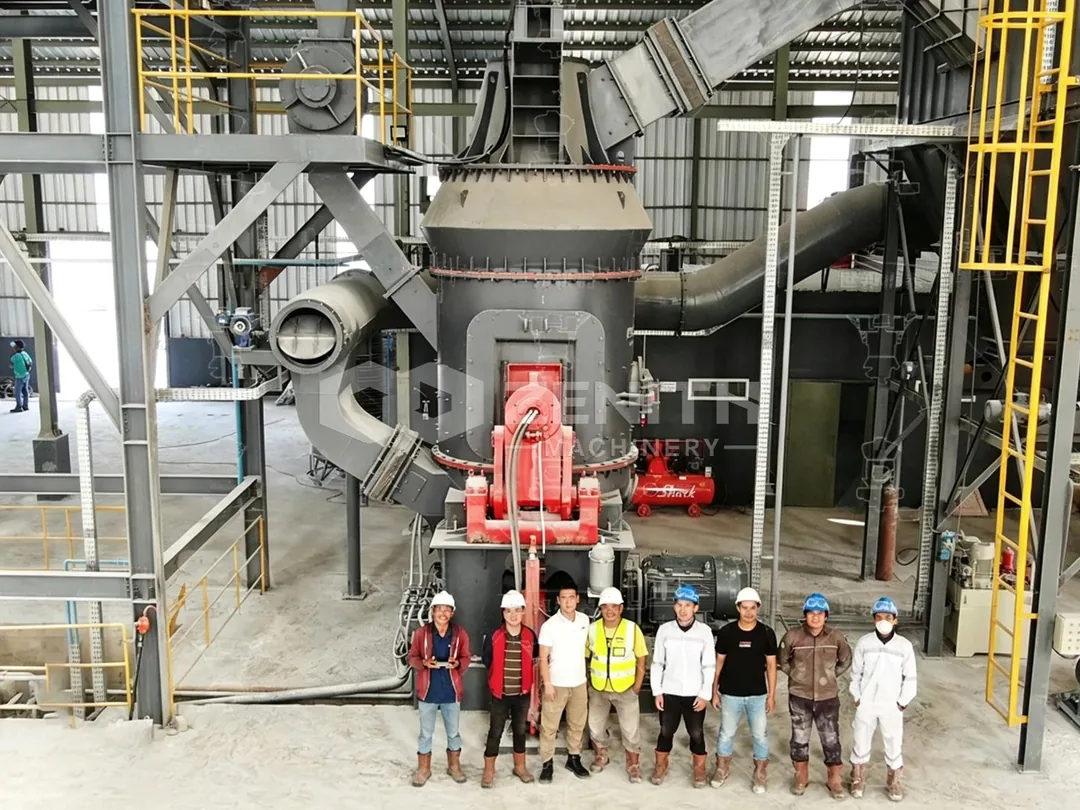
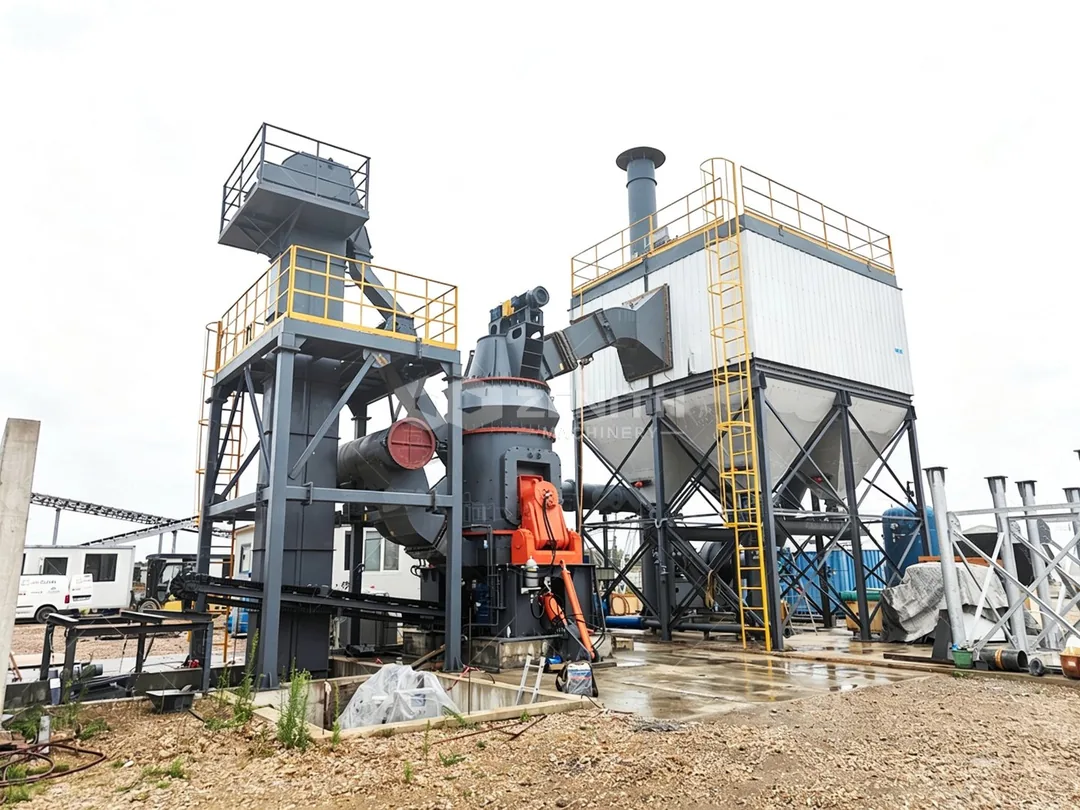
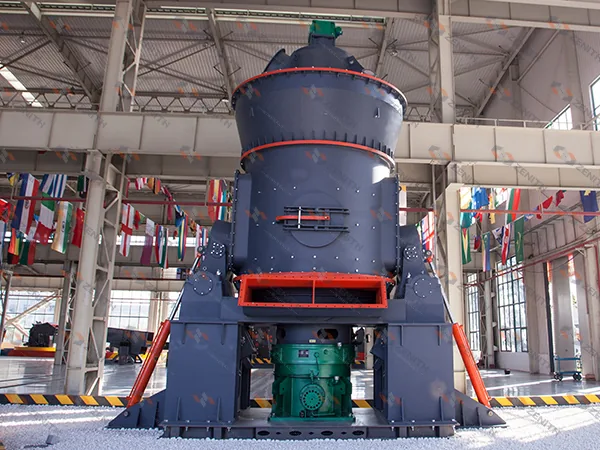
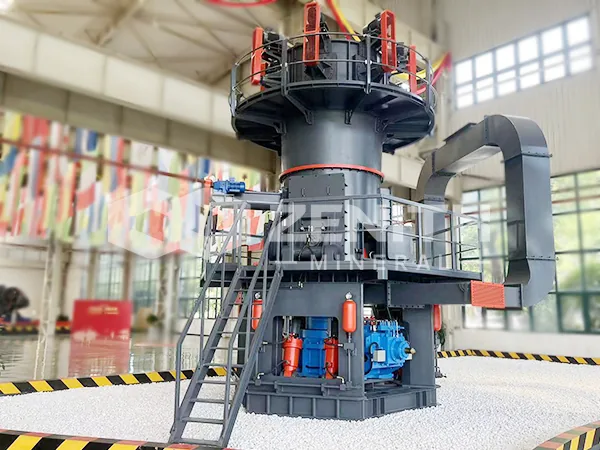
A coal gangue pulverizing project at a building materials plant produces bricks with a fineness of 60-80 mesh. this product is used in russia.
2025-12-18 00:54:33
In the competitive landscape of modern building materials manufacturing, efficiency and precision are paramount. A recent project at a building materials plant, supplying high-quality bricks to the Russian market, underscores this principle. The core requirement was to process coal gangue—a solid waste from coal mining—into a fine, consistent powder with a fineness range of 60-80 mesh (approximately 250-180 microns). This specific particle size is critical for ensuring the structural integrity, uniformity, and final quality of the fired bricks. Selecting the right pulverizing technology was not just a matter of production; it was a strategic decision impacting product quality, operational cost, and environmental compliance for a demanding international clientele.
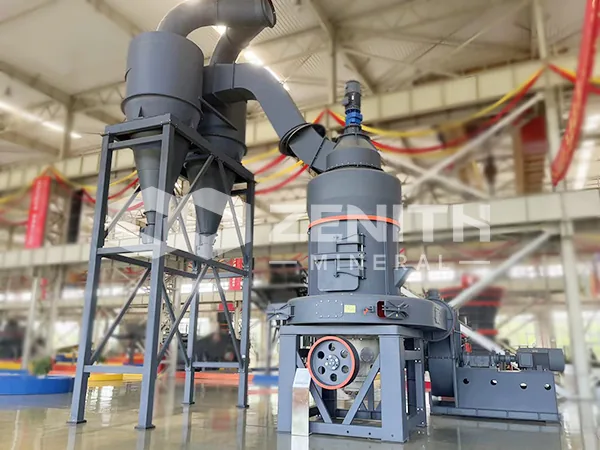
The challenge lay in finding equipment that could reliably deliver within this specific mid-range fineness band, handle the abrasive nature of coal gangue, and do so with optimal energy efficiency to keep production costs competitive. After a thorough technical evaluation, the plant selected Zenith's MTM European Trapezium Mill as the cornerstone of their pulverizing line. This choice was driven by the mill's renowned stability and over 30 years of practical application in producing mineral powders within the 80-400 mesh range, making the 60-80 mesh target well within its operational sweet spot.
_1765990473502.jpg)
The MTM mill's design philosophy aligns perfectly with industrial projects requiring robustness and cost-effectiveness. Its integrated production system—from bulk material feeding to finished powder collection—minimizes the plant's footprint and foundational investment. For a project with defined output parameters, this streamlined approach eliminates unnecessary complexity. Furthermore, the mill's modular impeller adjustment device provides the crucial flexibility to fine-tune the output fineness. By simply changing impellers, the plant can precisely calibrate the product to the required 60-80 mesh specification, ensuring batch-to-batch consistency essential for brick formulation.
Perhaps the most significant operational advantage is the MTM mill's energy profile. Under ideal working conditions, it consumes more than 60% less energy than a traditional ball mill of the same grade. For a continuous operation like brick manufacturing, this translates to dramatically reduced electricity costs, a key factor in maintaining profitability, especially when factoring in energy costs in industrial regions. The enhanced induced air efficiency, improved from 62% to 85% via a high-efficiency impeller fan, contributes to this economy by optimizing the entire pneumatic conveying and classification cycle within the system.
The working principle of the MTM mill ensures a stable and clean operation. Crushed coal gangue is fed into the grinding chamber, where it is pulverized. The fan-driven airflow then transports the material to the integrated powder selector. Here, precise classification occurs: particles meeting the 60-80 mesh fineness proceed to the cyclone collector as finished product, while coarser particles are returned for re-grinding. This closed-loop system operates under controlled positive and negative pressure, effectively contained and complemented by a pulse dust collector. This setup not only maximizes yield but also ensures the production environment meets stringent environmental standards, a non-negotiable aspect for any responsible manufacturer and a critical compliance point for international trade.
_1765990473504.jpg)
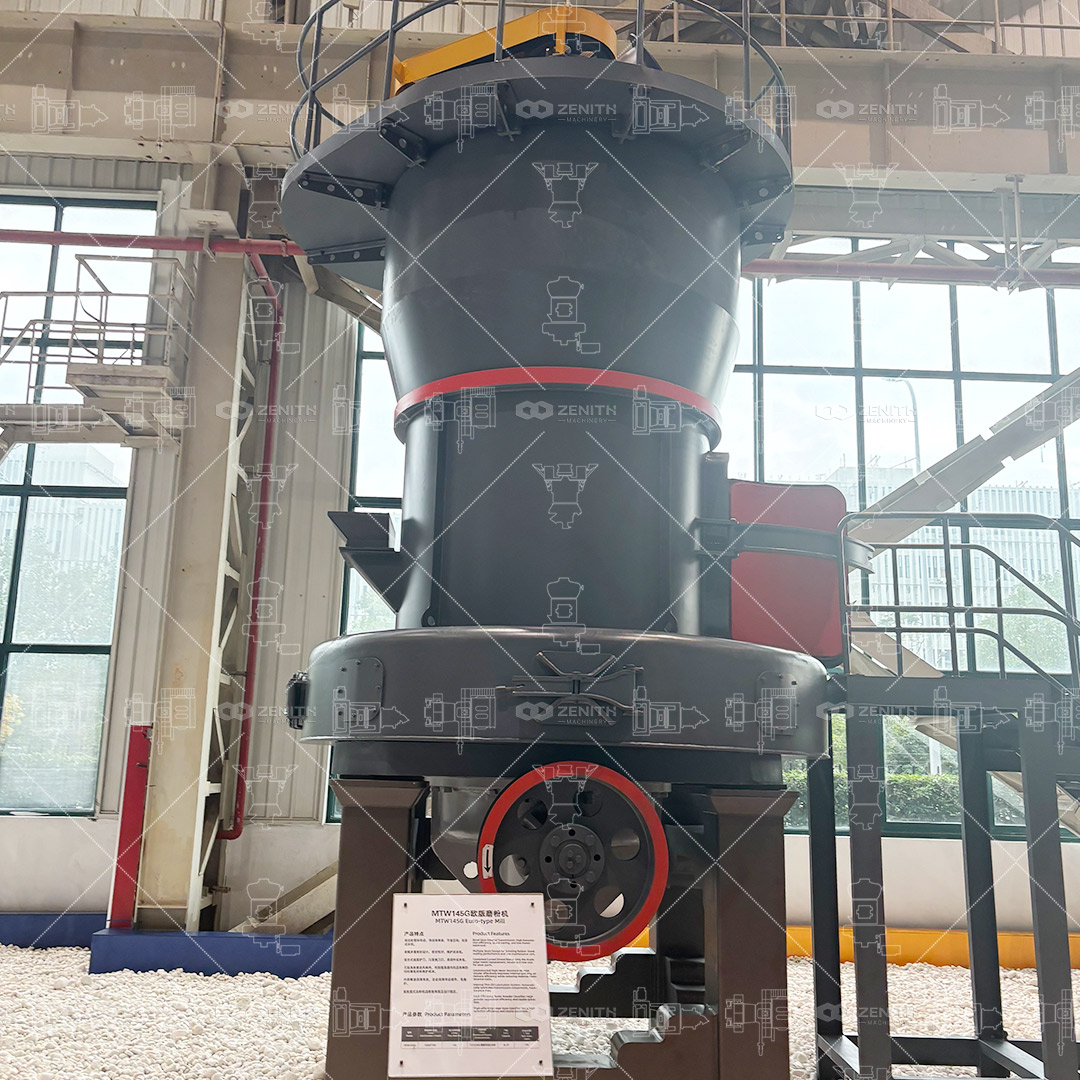
While the MTM series was the ideal fit for this specific fineness and capacity requirement, Zenith's portfolio offers tailored solutions for virtually any grinding need. For instance, if a project required coarser aggregates for other construction materials, the Hammer Mill (HM Series) excels in producing 0-3mm coarse powder with high grinding ratio and stability. Conversely, for applications demanding ultra-fine fillers or high-value mineral processing, the XZM Ultrafine Grinding Mill or LUM Ultrafine Vertical Mill can achieve fineness from 325 mesh up to 3000 mesh with remarkable energy efficiency.
The success of this coal gangue project for the Russian brick market highlights a critical trend: the move towards specialized, efficient, and intelligent grinding solutions. It's not merely about reducing particle size; it's about integrating a system that enhances overall plant productivity, product quality, and sustainability. With equipment carrying certifications like ISO, CE, and the Eurasian CU-TR—essential for customs clearance into Russia—manufacturers can confidently deploy these technologies to meet both local and international project demands, from a standard 60-80 mesh brick component to the most specialized mineral powders.
Frequently Asked Questions (FAQs)
- Why is a fineness of 60-80 mesh specifically important for brick production from coal gangue?
This range offers an optimal balance. It provides sufficient surface area for effective binding and chemical reactions during firing, ensuring strength, while preventing excessive shrinkage or porosity that can occur with ultra-fine particles, leading to durable, dimensionally stable final bricks. - How does the MTM European Trapezium Mill handle abrasive materials like coal gangue?
Key wear parts, such as the grinding roller and ring, are manufactured from high-quality, abrasion-resistant materials. The mill's design also minimizes direct wear in critical pathways, and the modular design allows for easier maintenance and replacement of vulnerable components, ensuring long service life. - Can the output fineness be adjusted easily after installation?
Yes. The MTM mill features a modular impeller adjustment device. Changing the impeller configuration allows operators to shift the output fineness within the mill's capable range (80-400 mesh) without major mechanical overhauls, offering great flexibility for potential future product changes. - What makes this system environmentally friendly?
The entire grinding and classification process occurs in a sealed system under negative pressure, preventing dust spillage. It is equipped with a high-efficiency pulse jet dust collector, ensuring emissions are controlled and the workplace remains clean, complying with international environmental norms. - Is the CU-TR certification important for exporting this equipment to Russia?
Absolutely. The CU-TR (Customs Union Technical Regulation) certification, also known as the EAC mark, is mandatory for many types of equipment, including industrial mills, sold within the Eurasian Economic Union (Russia, Belarus, Kazakhstan, etc.). It confirms the product meets all necessary safety and technical standards for that market. - How does the energy consumption compare to a traditional ball mill for this application?
As highlighted, the MTM series trapezium mill demonstrates energy savings of over 60% compared to a ball mill of equivalent output capacity. This is achieved through its efficient grinding principle, optimized airflow, and advanced drive systems. - What kind of after-sales support is available for such an international project?
Manufacturers like Zenith, with a network covering over 180 countries and offices in more than 30, typically provide comprehensive support. This includes installation supervision, operator training, remote technical assistance, and a reliable supply chain for genuine spare parts to ensure minimal downtime. - Could this same mill be used for grinding other materials for the construction industry?
Certainly. The MTM mill is versatile and suitable for grinding various non-metallic minerals and industrial materials, such as limestone for cement, gypsum for plaster, fly ash, and other similar raw materials commonly used in building products.