A 120,000-ton-per-year high-density, high-purity light-burned magnesium oxide powder production project in india
2025-12-17 17:58:19
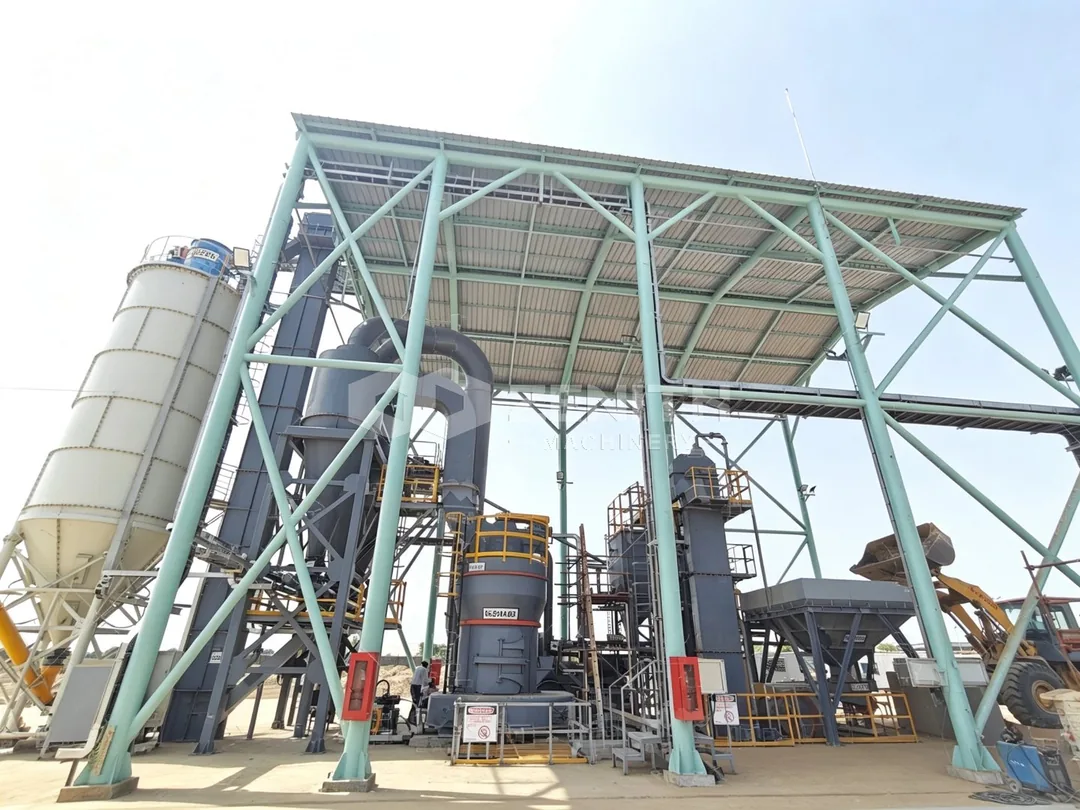
India's industrial landscape is witnessing a significant shift towards high-value mineral processing, and the establishment of a 120,000-ton-per-year light-burned magnesium oxide (MgO) powder plant represents a strategic leap forward. This project aims to produce high-density, high-purity material essential for refractory linings, environmental applications, and advanced ceramics. The success of such a capital-intensive venture hinges not just on raw material access but critically on the selection of grinding technology that can deliver consistent purity, precise particle size distribution, and operational efficiency at scale.
For a project of this magnitude, the grinding system is the heart of the production line. Traditional ball mills, while common, present significant drawbacks for high-purity applications, notably higher energy consumption and potential for iron contamination. After extensive technical evaluation for the Indian market, our recommendation centers on advanced European-origin trapezium mill technology and vertical grinding systems, engineered to meet the stringent demands of light-burned MgO production.
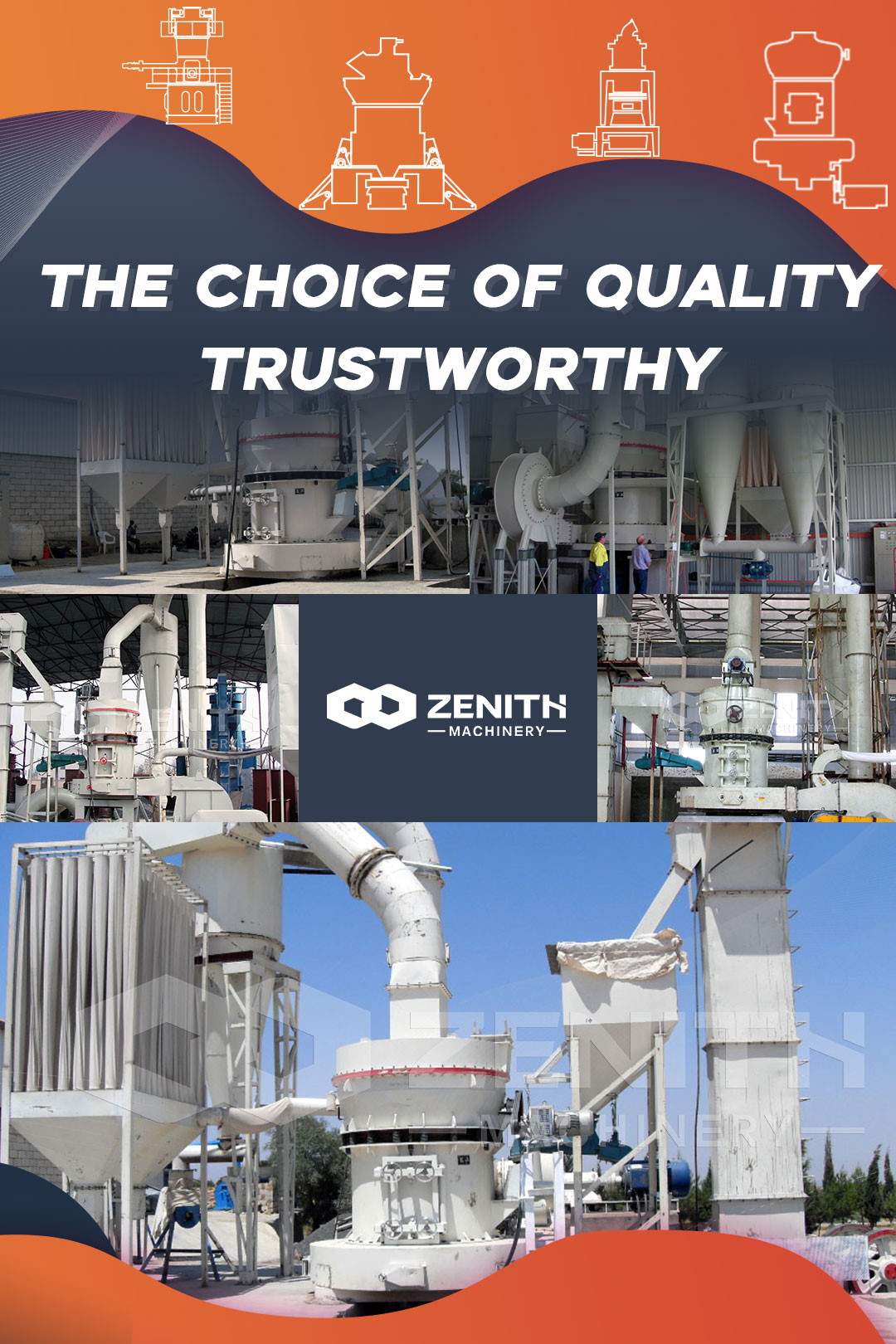
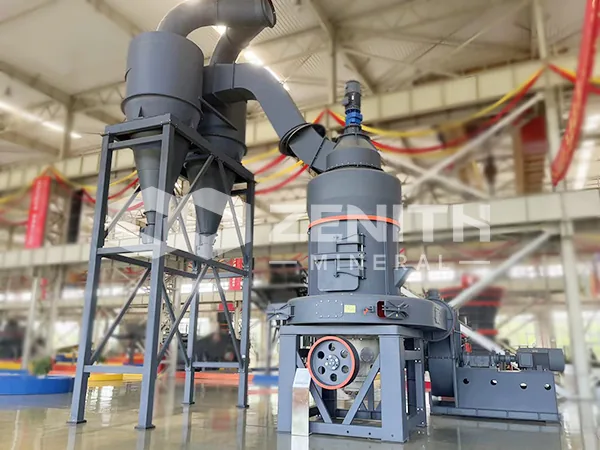
The MTW European Trapezium Mill emerges as a frontrunner for the primary fine grinding stage (targeting 80-400 mesh). Its design philosophy aligns perfectly with the project's goals. The integrated production system from bulk material to finished powder minimizes plant footprint and foundational investment—a key consideration for new facility construction. Most critically, its energy consumption is over 60% lower than a comparable ball mill, translating to massive operational cost savings over the plant's lifetime. The modular impeller adjustment allows for flexible output fineness, enabling the production of various MgO grades from a single mill setup. Furthermore, the high-efficiency induced air system (85% efficiency) ensures stable material flow and classification, crucial for product consistency.
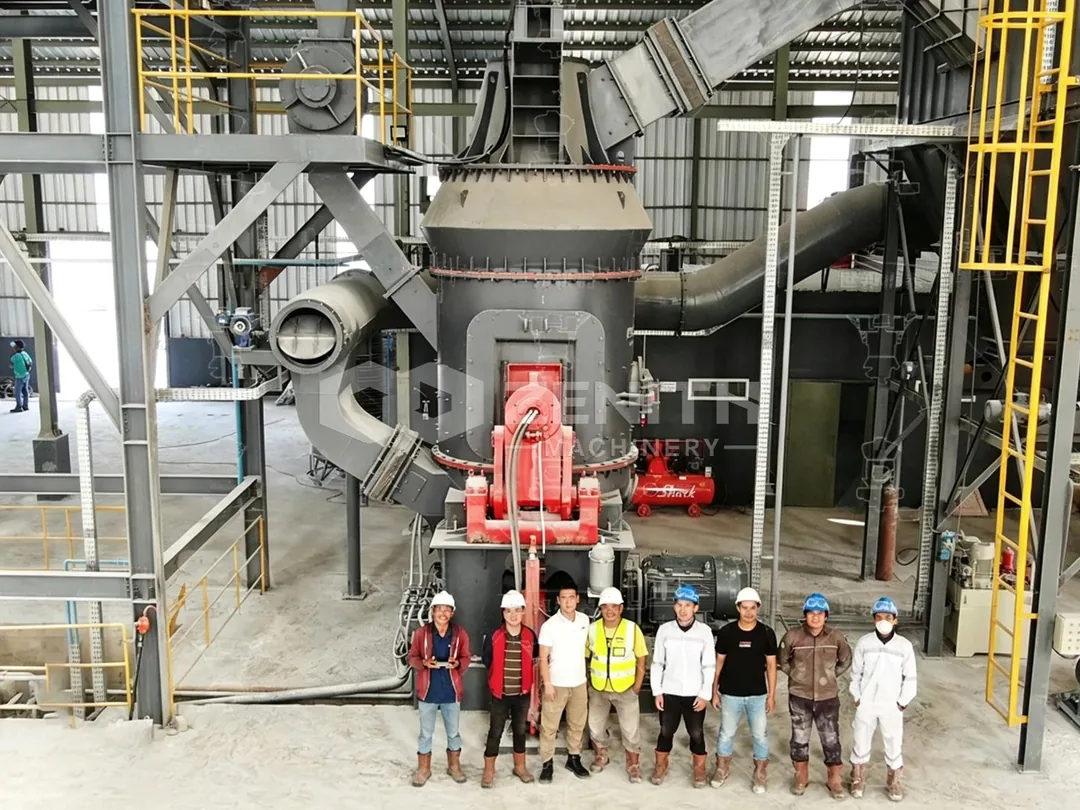
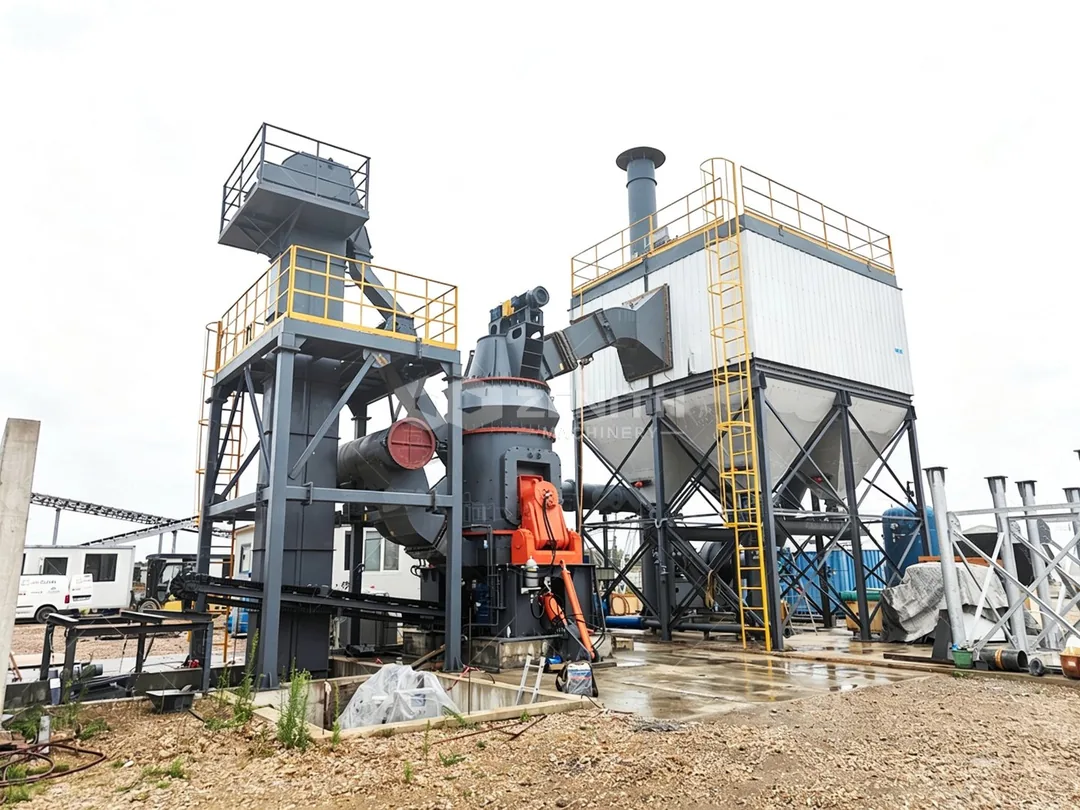
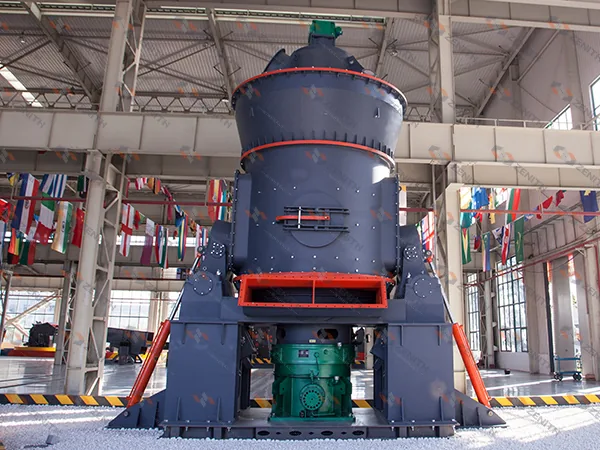
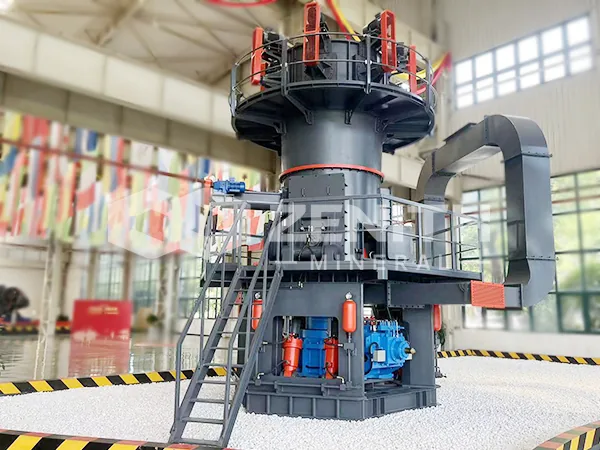
For applications requiring even higher purity control or a move into ultrafine territories (up to 2500 mesh for specialty ceramics), the LUM Ultrafine Vertical Grinding Mill is the technology of choice. This mill is a game-changer for protecting product integrity. Its sealed, negative-pressure operation guarantees no dust spillage and, more importantly, effectively controls iron content in the final powder—a non-negotiable requirement for high-grade refractories. By integrating grinding, separation, and transportation, it offers a 30-50% reduction in energy consumption compared to conventional ultrafine mills. The hydraulic adjustment system also allows for quick maintenance, maximizing uptime for a continuous operation project like this one.
_1765965499507.jpg)
Project execution requires robust support. Zenith's global experience, evidenced by a network covering over 180 countries and offices in more than 30, provides a solid foundation. Our equipment carries ISO, CE, and CU-TR certifications, ensuring international standards are met from day one. For the coarse preparation of raw magnesite before calcination and light burning, the Hammer Mill (for 0-3mm) or LM-Y Vertical Pre-grinding Roller Mill (for <5mm) offer efficient, high-capacity solutions with low operating costs, creating a perfectly optimized coarse-to-fine grinding circuit.
Ultimately, this 120,000 TPY MgO project is more than an industrial facility; it's a statement of technological capability. By leveraging proven, efficient, and precise grinding technology from Zenith, the project is positioned to achieve not only its production targets but also superior product quality that can compete in global markets. The reduced energy footprint and automated operation further future-proof the investment against rising costs and evolving environmental regulations.
_1765965499509.jpg)
Frequently Asked Questions (FAQs)
- What is the primary advantage of using an MTW/MTM Trapezium Mill over a traditional ball mill for this project?
The key advantages are a >60% reduction in energy consumption, a significantly smaller plant footprint, and a fully integrated system that reduces initial investment. This leads to vastly lower operating costs and a quicker return on investment. - How does the LUM Vertical Mill ensure the high purity and whiteness of the final MgO powder?
The LUM mill operates under a sealed, negative-pressure system that prevents dust contamination. More importantly, its design and material selection effectively minimize iron introduction during grinding, allowing precise control over chemical composition and iron content, which is critical for whiteness and refractory performance. - Can the proposed grinding system produce multiple grades of MgO powder (e.g., different fineness levels)?
Yes. Both the MTW/MTM mills (with modular impellers) and the LUM/XZM ultrafine mills (with variable frequency classifier drives) are designed for adjustable output fineness. This allows the plant to produce a range of products from 80 mesh to 2500+ mesh from the same core equipment with simple adjustments. - What kind of after-sales and technical support can be expected for a project in India?
Zenith provides comprehensive support including detailed plant layout design, installation supervision, commissioning, and operator training. With a global network and certifications like CE, we offer readily available spare parts and remote technical assistance to ensure minimal downtime. - Are these grinding systems environmentally compliant for installation in India?
Absolutely. All recommended mills, including the MTW, LUM, and XZM, are equipped with advanced pulse dust collection systems and operate under negative or controlled pressure. This results in near-zero dust emissions, low noise, and full compliance with stringent environmental protection standards. - What is the expected operational lifespan of this grinding equipment in a 24/7 production environment?
The equipment is built for durability. Critical components like grinding rollers and rings are made from high-quality, wear-resistant materials. With proper routine maintenance as outlined in our manuals, the core grinding systems are engineered for decades of continuous, reliable service. - How automated are the proposed grinding lines? What level of manpower is required?
The systems feature a high degree of automation. The LM and LUM vertical mills come with automatic control systems enabling remote monitoring and operation. This significantly reduces labor costs and human error, allowing for efficient control of the entire grinding process from a central station.