In which industries can calcite powder be used?
2025-12-17 00:57:33
Calcite, a naturally occurring calcium carbonate mineral, is far more than just a common rock. Its unique properties—including high brightness, low oil absorption, chemical inertness, and versatile particle morphology—make it an indispensable industrial raw material. The true value of calcite, however, is unlocked through precise processing into fine and ultrafine powders. The fineness, purity, and particle size distribution achieved during grinding directly determine its performance and applicability across a vast spectrum of modern industries. At Shanghai Zenith Machinery, we specialize in engineering the advanced grinding technologies that transform raw calcite into high-value functional powders.
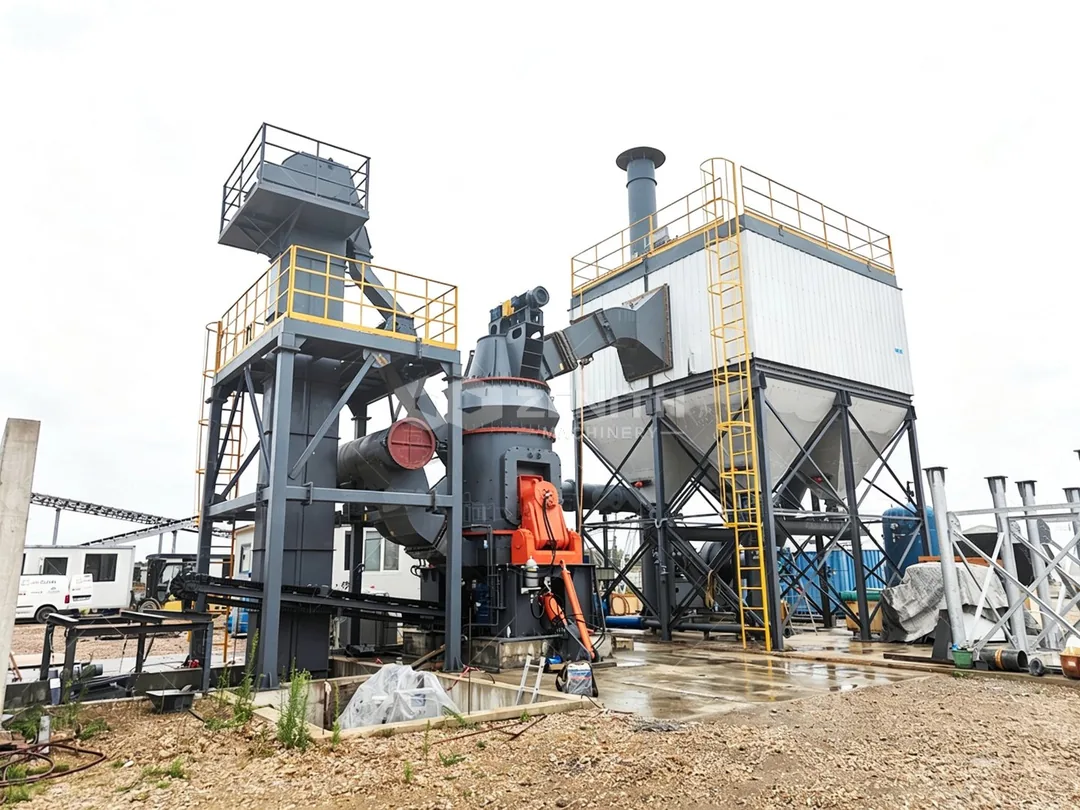
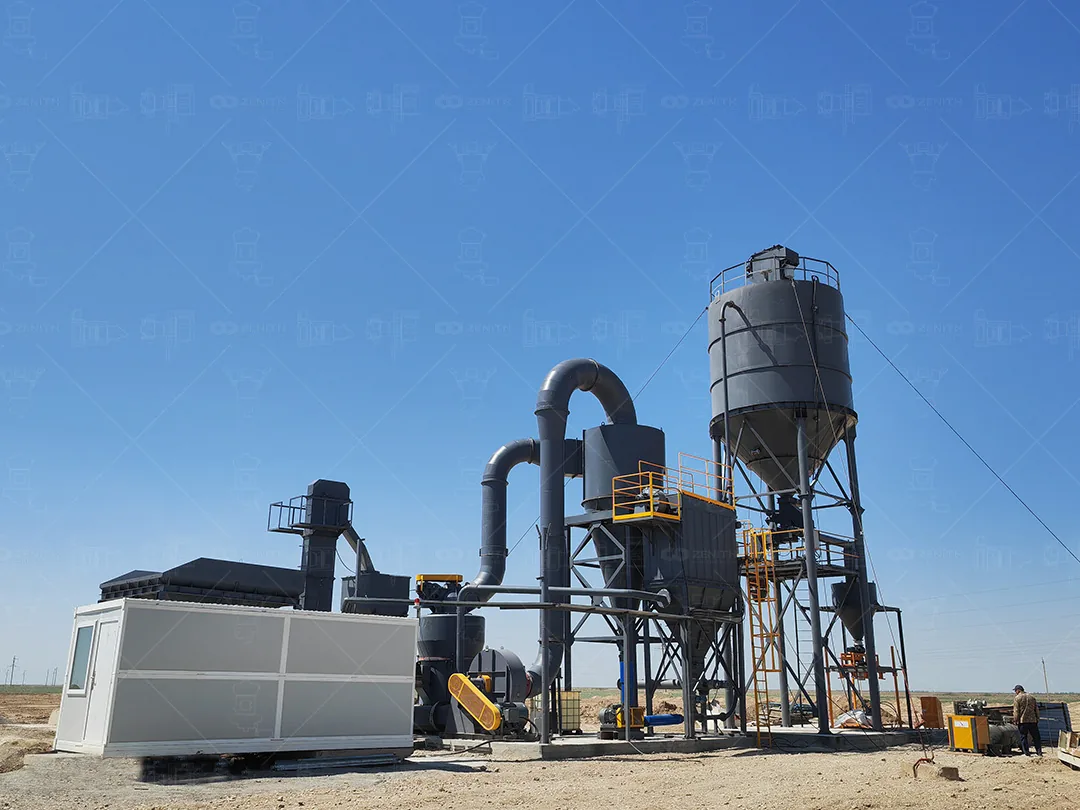
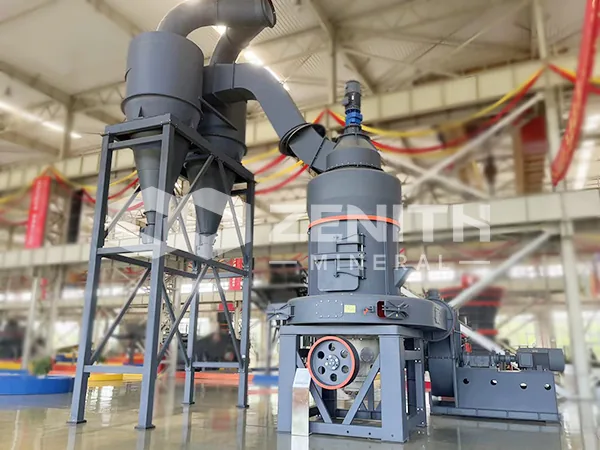
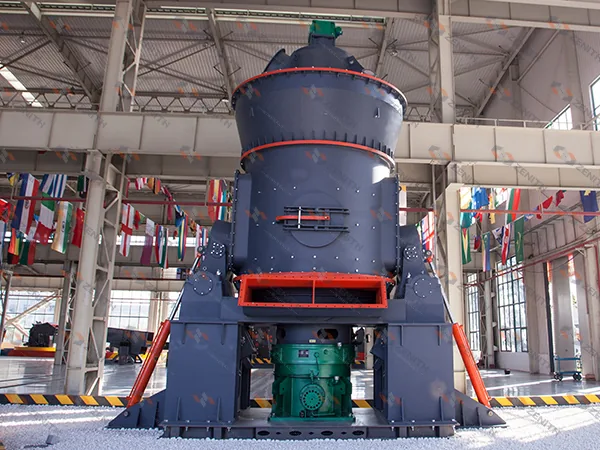
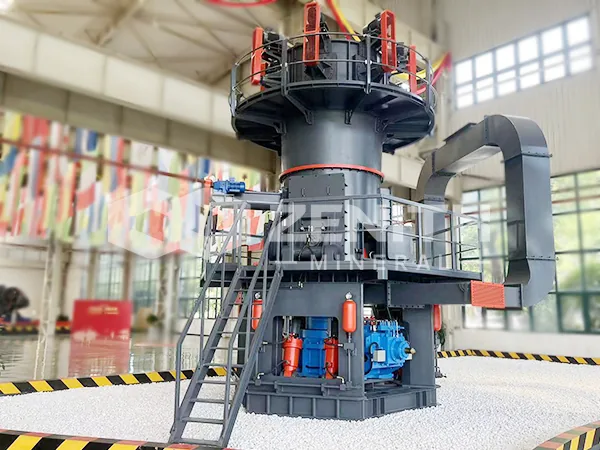
From construction materials that shape our cities to the pharmaceuticals that safeguard our health, calcite powder plays a critical, though often unseen, role. The journey from quarry to finished product requires robust, efficient, and precise milling equipment capable of meeting stringent industry specifications. Zenith's portfolio, featuring technologies like the MTW European Trapezium Mill for fine powder (80-400 mesh) and the LUM Ultrafine Vertical Grinding Mill for high-purity micronized products (up to 2500 mesh), provides tailored solutions for every stage of calcite valorization.
Construction and Building Materials
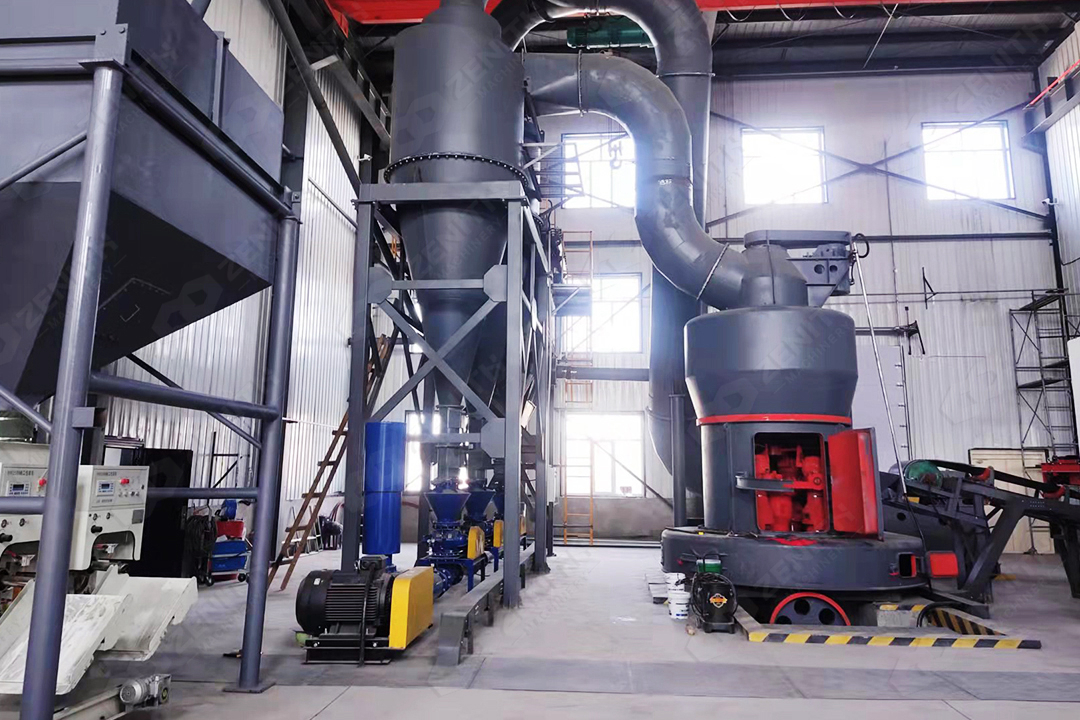
This sector is the largest consumer of calcite powder. Here, it acts as a functional filler and extender, enhancing product properties while reducing costs. In paints and coatings, finely ground calcite improves weatherability, opacity, and gloss control, and increases scrub resistance. Our Raymond Mill, with its 99% screening efficiency, is perfectly suited for producing the consistent, well-distributed powder required. In sealants, adhesives, and polymer-based construction products like PVC pipes and window profiles, calcite powder increases volume, improves impact strength, and provides dimensional stability. For dry-mix mortars, plasters, and tile adhesives, coarse powders in the 0-3mm range are essential. Zenith's HM Series Hammer Mill is engineered specifically for this, producing uniform coarse powder with a stable performance that is critical for consistent batch quality.
Plastics and Polymers
In the plastics industry, calcite powder is a premier filler for masterbatch, polypropylene, polyethylene, and PVC. It enhances stiffness, heat deflection temperature, and impact properties. Most critically, it significantly reduces raw material costs. Processing for this industry demands ultra-high whiteness and extremely low iron content to prevent discoloration. Furthermore, particle size must be tightly controlled to ensure smooth dispersion without affecting surface finish. Zenith's LUM Ultrafine Vertical Grinding Mill is a benchmark here. Its design ensures high material purity, effectively controlling iron contamination, while its energy-efficient operation produces powders from 325 to 2500 mesh, making it ideal for high-end plastic masterbatch and artificial stone production.
_1765904253483.jpg)
Paper Manufacturing
As a coating and filling pigment, calcite powder gives paper higher brightness, opacity, smoothness, and printability. It is a cost-effective and environmentally friendly alternative to traditional materials like kaolin. The paper industry requires powders with specific particle shapes and a narrow size distribution to ensure even coating and excellent ink holdout. Zenith's XZM Ultrafine Grinding Mill excels in this application. Its classifier, equipped with a Variable Frequency Drive (VFD), allows for arbitrary adjustment of fineness between 325 and 3250 mesh, enabling producers to dial in the exact specifications needed for different paper grades with exceptional efficiency.
Paints, Coatings, and Inks
Beyond construction paints, calcite is fundamental in industrial coatings, primers, and printing inks. It acts as an extender pigment, improves sanding properties in primers, and influences rheology and sheen. The demand is for fine, dry powders with consistent chemical composition. Our MTM European Trapezium Mill, a proven technology refined over 30 years, is a workhorse for producing 80-400 mesh powders for these applications. Its stability, low energy consumption (60% lower than ball mills), and adaptability to material variations make it a reliable choice for coating-grade calcite production.
Environmental and Water Treatment
Calcite powder is used in flue gas desulfurization (FGD) processes in power plants to neutralize sulfur oxides. It is also a key media in water filtration systems to adjust pH and remove impurities. These applications often require larger volumes of consistently reactive powder. For such large-scale, continuous operations, Zenith's LM Vertical Grinding Mill is ideal. Its capacity of up to 340 T/H, 24-hour constant running capability, and high degree of automation ensure a stable supply of product with minimal operational oversight, perfect for power plants and large water treatment facilities.

Agriculture and Animal Feed
In agriculture, calcite powder is a soil conditioner to neutralize acidic soils. In animal feed, it serves as a vital calcium supplement for livestock, poultry, and aquaculture. For these uses, product purity and the absence of harmful contaminants are paramount. The grinding process must also be efficient for cost-sensitive markets. Our Ball Mill and Mining Ball Mill solutions offer strong adaptability, high capacity, and the ability to handle this application reliably, providing the necessary coarse to medium-fine powders for agricultural use.
Advanced and Niche Applications
The reach of calcite powder extends into sophisticated sectors. In pharmaceuticals, it is used as an inert filler and calcium source in tablets, requiring ultra-high purity (often USP/EP grade) and extremely fine, controlled particle sizes. In food, it is a calcium fortifier. In cosmetics, it provides opacity and texture in products like foundations. For these premium applications, the LUM and XZM series mills, with their sealed, negative-pressure operation guaranteeing no contamination and precise top-end fineness control, are the technologies of choice.
Selecting the right grinding technology is not just about reducing particle size; it's about engineering a powder that performs. With ISO, CE, and CU-TR certifications, and a global network supporting over 180 countries, Zenith provides more than machinery—we provide integrated solutions to unlock the full potential of calcite for your industry.
_1765904253487.jpg)
Frequently Asked Questions (FAQs)
- What is the typical fineness range required for calcite in plastics?
For most plastic filler applications, calcite powder ranges from 400 mesh to 2500 mesh (D97). High-end masterbatch and engineering plastics often require ultrafine powders above 1250 mesh for optimal dispersion and surface finish. - Can Zenith equipment handle the high brightness/whiteness requirements for paper coating?
Yes. Our LUM and XZM mills are designed to minimize iron contamination during grinding, a key factor in preserving calcite's natural whiteness. The sealed grinding chambers and ceramic/advanced alloy wear parts prevent metallic impurities. - Which mill is most energy-efficient for large-volume calcite processing?
Our LM Vertical Grinding Mill and MTW/MTM Trapezium Mills offer exceptional energy savings, consuming up to 60% less power than traditional ball mills of the same capacity, significantly reducing operational costs. - How do you ensure consistent particle size distribution?
Our mills integrate advanced internal powder classifiers (like in the XZM and LUM series) with VFD control. This allows real-time, precise adjustment of the classification rotor speed to maintain a tight, consistent particle size distribution. - Is your equipment suitable for producing both coarse (0-3mm) and ultrafine calcite powder?
Absolutely. Zenith offers a complete product line. The HM Hammer Mill is ideal for 0-3mm coarse powder, while the LUM and XZM series are designed for ultrafine powders up to 3250 mesh. We can provide solutions for the entire processing chain. - What dust control features are available?
All our grinding systems operate under negative or closed-loop pressure and are equipped with high-efficiency pulse jet bag dust collectors (like in the MTW working principle). This ensures a clean, dust-free working environment that meets strict international environmental standards. - Do you offer automation options for your grinding mills?
Yes. Models like the LM Vertical Mill and Raymond Mill feature intelligent control systems that allow for remote monitoring, automated operation, and labor-free maintenance, enabling modern "smart factory" integration. - Can you assist with plant layout and system design for a new calcite processing line?
Yes. As an engineering group, we provide comprehensive support from initial consultation and testing to system design, installation, and commissioning, ensuring an optimized layout for efficiency and future expansion.