Talc ultrafine grinding mill produces powder with a fineness of 10 microns in afghanistan.
2025-12-16 17:57:33
In the rugged and resource-rich landscape of Afghanistan, the efficient processing of industrial minerals like talc presents both a significant opportunity and a formidable challenge. Talc, valued for its softness, lamellar structure, and chemical inertness, finds critical applications in plastics, paints, ceramics, and pharmaceuticals. A key specification for high-value applications is a consistent fineness of 10 microns (approximately 1250 mesh). Achieving this grade reliably requires not just robust machinery, but technology adapted to local conditions, including potential infrastructure constraints and a focus on operational economy.
Shanghai Zenith Machinery, with its global engineering footprint spanning over 180 countries, has developed grinding solutions specifically engineered for such demanding scenarios. Our experience shows that selecting the correct mill is paramount. While several options exist for fine grinding, producing a consistent 10-micron talc powder efficiently points directly to our advanced ultrafine grinding series.
_1765879053596.jpg)
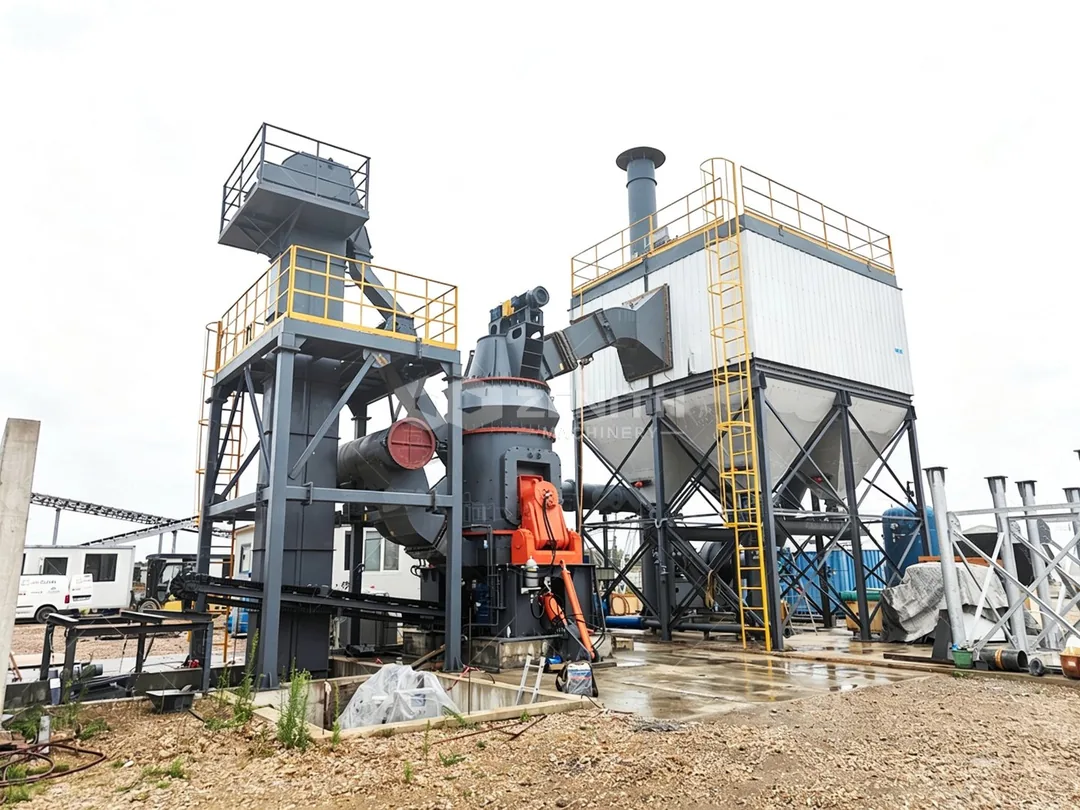
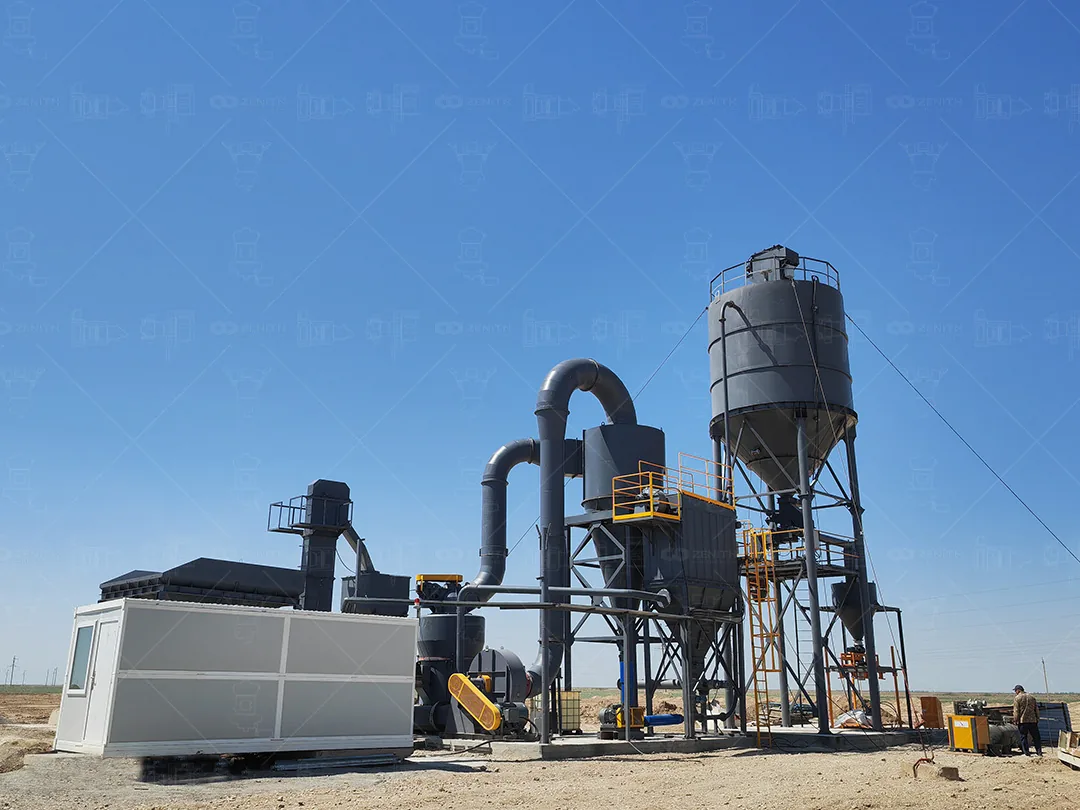
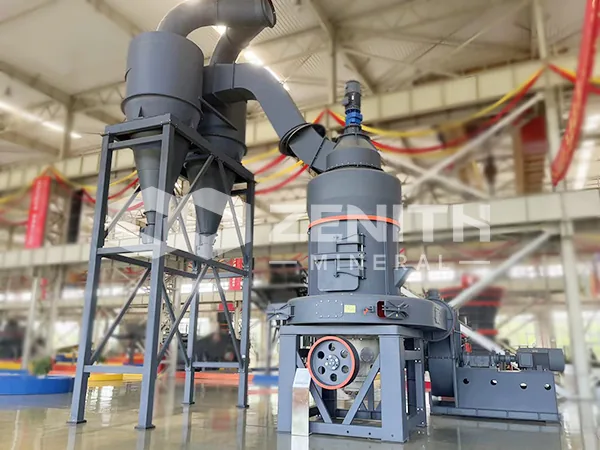
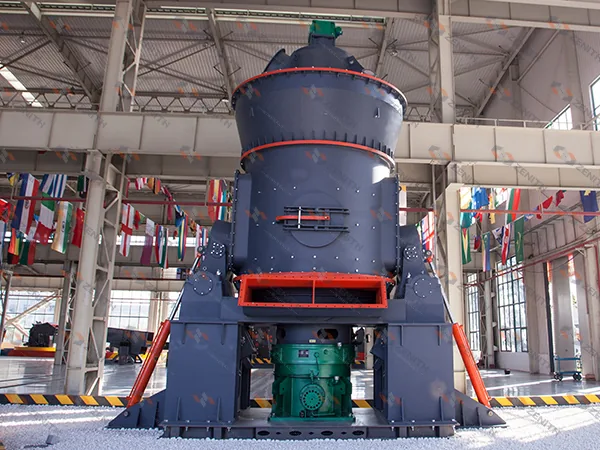
For this specific application, the XZM Ultrafine Grinding Mill and the LUM Ultrafine Vertical Grinding Mill are the most technically suited. The XZM series is renowned for its ability to achieve a fineness range from 325 to 3250 mesh with single-stage classification. Its key advantage for a 10-micron (D97) target is the arbitrary adjustment of fineness. The classifier is equipped with a Variable Frequency Drive (VFD), allowing operators in Kabul or Kandahar to precisely set the required powder size directly from the electric control panel, ensuring consistent output quality batch after batch.
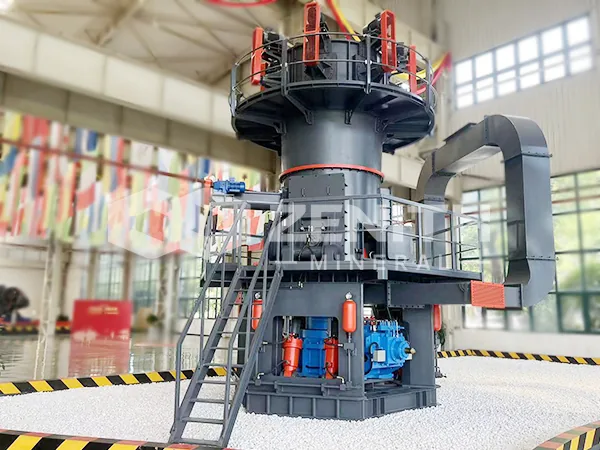
Simultaneously, the LUM Ultrafine Vertical Grinding Mill offers another powerful option. Integrating German powder separating technology, it excels in producing high-purity powders between 325 and 2500 mesh. Its energy-saving design is a critical benefit, reducing energy consumption by 30-50% compared to ordinary mills—a major consideration for operations where power reliability and cost are concerns. Furthermore, its sealed, negative-pressure operation ensures an environmentally friendly process with no dust spillage, aligning with sustainable development goals.
_1765879053597.jpg)
The working principle of these mills ensures precision. In the LUM mill, for instance, talc fed into the center of the grinding disc is crushed by rollers. The centrifugal force creates a material bed for inter-particle crushing, a highly efficient method. The critical classification step occurs in the high-efficiency powder selector, where oversized particles are returned for re-grinding, and only the sub-10-micron powder is carried by airflow to the cyclone collector as finished product. This closed-loop system guarantees the target fineness.
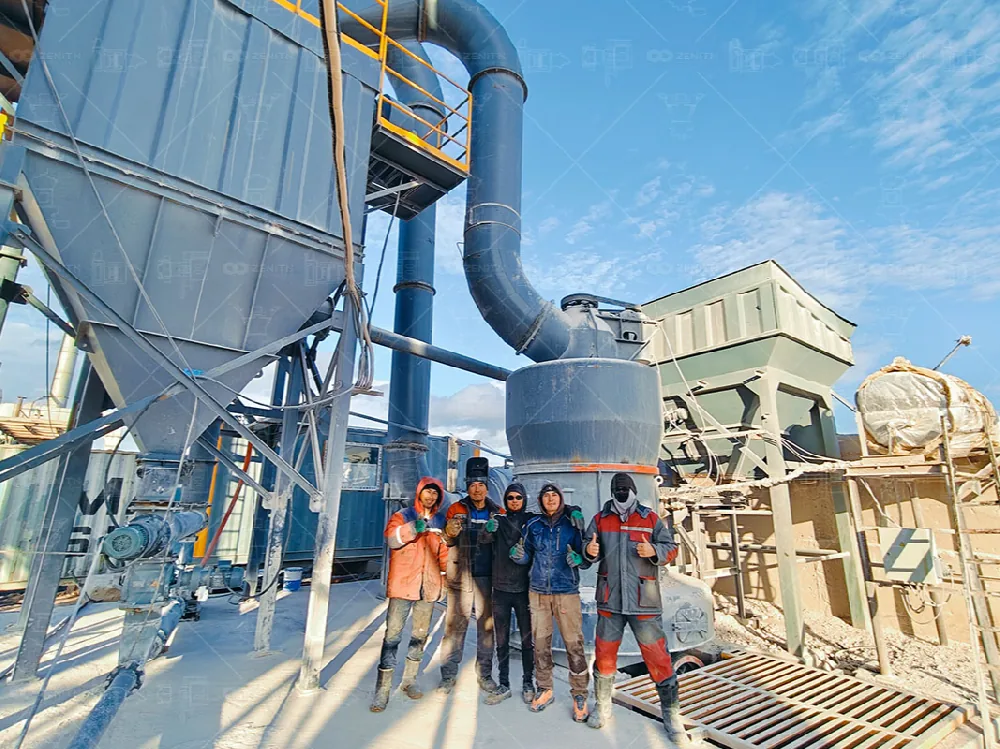
Beyond the core machine, Zenith's holistic approach considers the entire production chain. Our mills are designed for less comprehensive investment. They often require a smaller footprint and simpler foundations than traditional ball mills, a practical advantage in varied Afghan terrains. The high degree of automation and easy maintenance features—like the reversible structure for quick part replacement—reduce dependence on highly specialized labor and minimize downtime, which is crucial for maintaining productivity.
_1765879053604.jpg)
We understand that deploying industrial technology in Afghanistan involves navigating unique logistical and operational landscapes. Zenith supports this through our international certifications (ISO, CE, CU-TR) ensuring global quality standards, and the potential for localized technical support frameworks. The goal is to provide not just a machine, but a reliable, efficient, and profitable production solution for Afghan talc processors, enabling them to produce world-class, high-value powder for both domestic use and export markets.
Frequently Asked Questions (FAQs)
- What is the main difference between the XZM and LUM mills for producing 10-micron talc?
The XZM mill excels with its highly flexible, electronically adjustable classifier for precise fineness control. The LUM mill focuses on exceptional energy efficiency (30-50% savings) and high-purity output through advanced vertical roller and separation technology. - How does the energy consumption compare to a traditional ball mill?
Both our MTW/MTM trapezium mills and ultrafine mills like the LUM consume over 60% less energy than a ball mill of the same grade under ideal conditions, offering significant long-term operational cost savings. - Can the mill handle variations in the moisture content of raw Afghan talc?
Our vertical mills like LM and LUM can integrate with hot air systems for grinding and drying simultaneously. For simple dry grinding, a pre-drying step for high-moisture feedstock is recommended for optimal performance. - How is dust control managed to ensure a clean working environment?
Our grinding systems operate under negative pressure and are equipped with high-efficiency pulse jet bag dust collectors, ensuring no dust spillage and full compliance with environmental protection standards. - What is the typical lead time for delivery and installation support in Afghanistan?
Lead times vary based on model and configuration. As we have a global supply network, we can provide estimated timelines upon inquiry and offer comprehensive installation manuals, remote guidance, and can coordinate with local engineers. - How easy is it to adjust the fineness if I need a different product, say 5 microns or 20 microns?
Extremely easy, especially on models like the XZM. Fineness is adjusted by changing the speed of the classifier rotor via the VFD control panel, allowing quick switches between different product specifications without mechanical disassembly. - What are the most wear-resistant parts, and how long do they typically last with talc?
The grinding rollers and rings/lining are made from high-quality, abrasion-resistant materials. Talc is a soft mineral, so wear is minimal. Lifespan depends on throughput but is generally thousands of operational hours; these parts are designed for easy inspection and replacement.