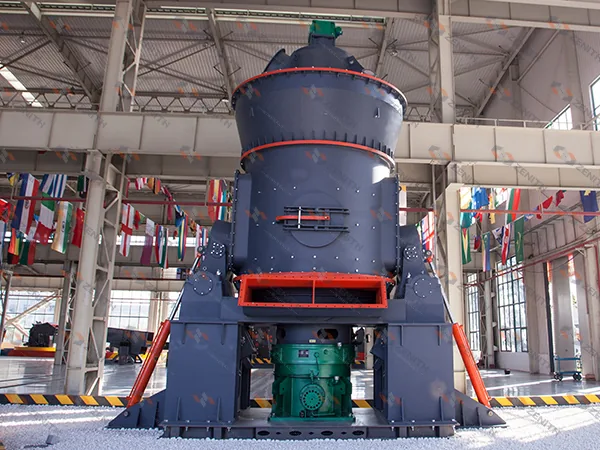
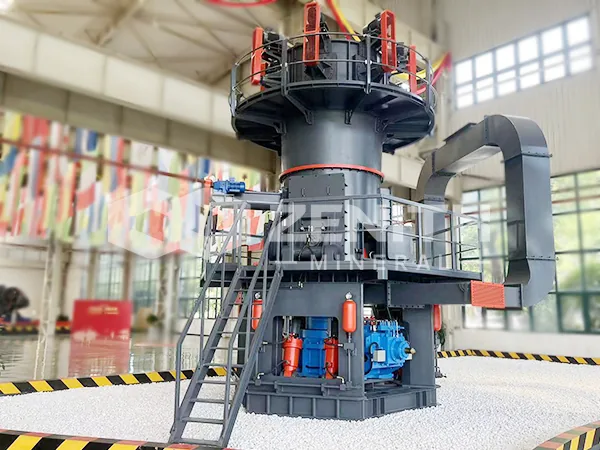
Mexican barite powder, 200 mesh, d97, used as a drilling weighting agent.
2025-12-16 00:58:05
In the demanding world of oil and gas drilling, the choice of weighting agent is not merely a procurement decision; it's a critical operational strategy. Barite, or barium sulfate (BaSO4), has long been the industry standard for increasing mud density to control subsurface pressures. However, not all barite is created equal. Sourced from high-quality deposits, Mexican barite powder, specifically graded to 200 mesh with a tight particle size distribution of d97, represents a premium material that delivers exceptional performance. Its consistent high specific gravity (typically 4.2+), chemical inertness, and optimal particle morphology make it indispensable for maintaining wellbore stability and ensuring safe, efficient drilling. The key to unlocking this performance lies in achieving the precise fineness and uniformity that modern drilling fluid systems demand.
_1765817885935.jpg)
This is where precision grinding technology becomes paramount. Shanghai Zenith Machinery Co., Ltd., a hi-tech engineering group specializing in industrial powder processing, provides the advanced milling solutions necessary to transform raw barite ore into the high-performance powder required by the global energy sector. Our equipment, backed by ISO, CE, and CU-TR certifications, is engineered to meet the exacting standards of industries where particle size and purity are non-negotiable. For barite processing aimed at the drilling market, achieving the 200 mesh d97 specification requires a mill that balances high capacity, energy efficiency, and precise classification.
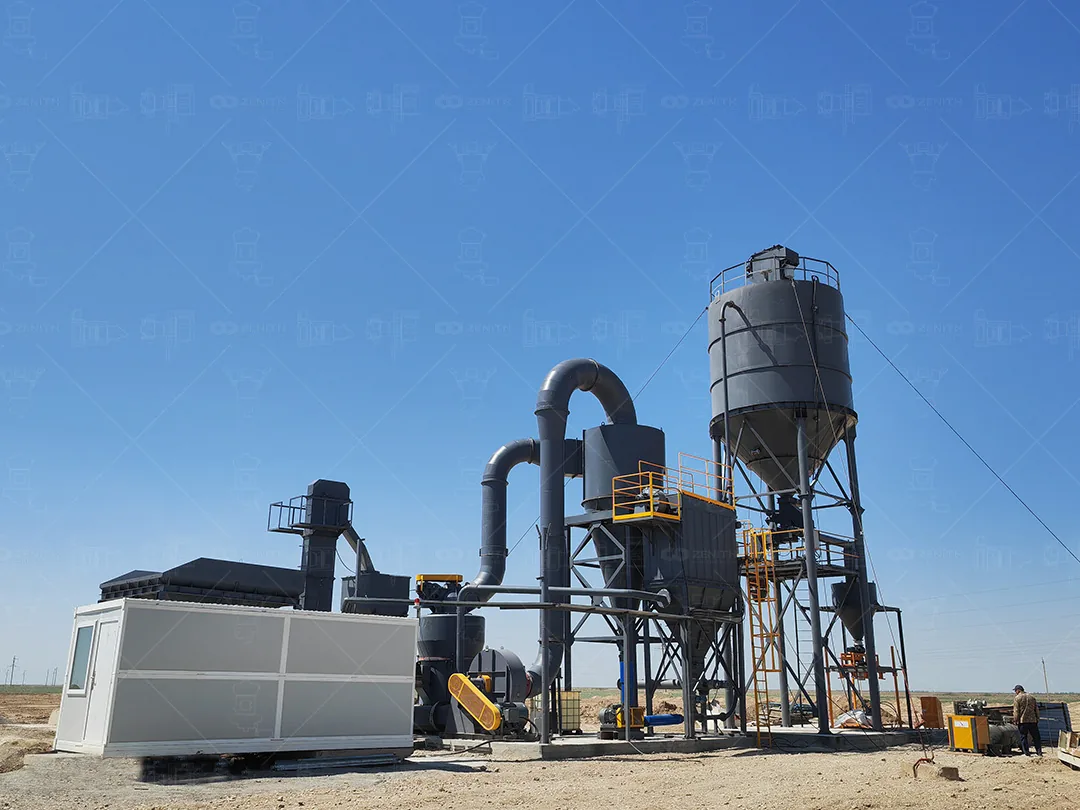
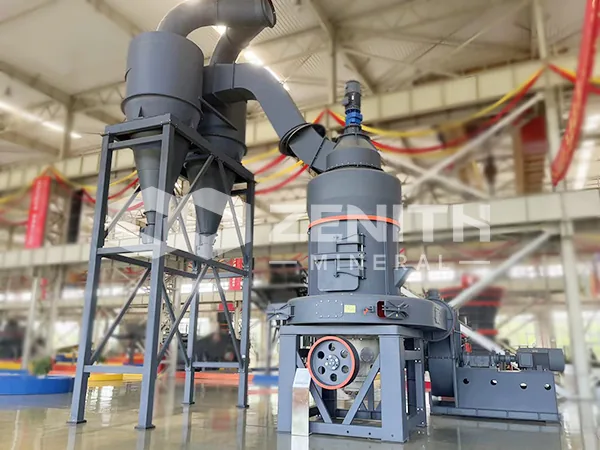
Among Zenith's comprehensive portfolio, several grinding mills stand out for barite processing. The MTW European Trapezium Mill is a workhorse for producing 80-400 mesh powders with large capacity, up to 50 TPH. Its modular impeller adjustment allows for fine-tuning of output fineness, crucial for hitting the 200 mesh target consistently. More importantly, its high-efficiency impeller fan (85% air induction efficiency) and integrated design result in energy savings of over 60% compared to traditional ball mills, significantly reducing the operational cost per ton of barite powder produced.
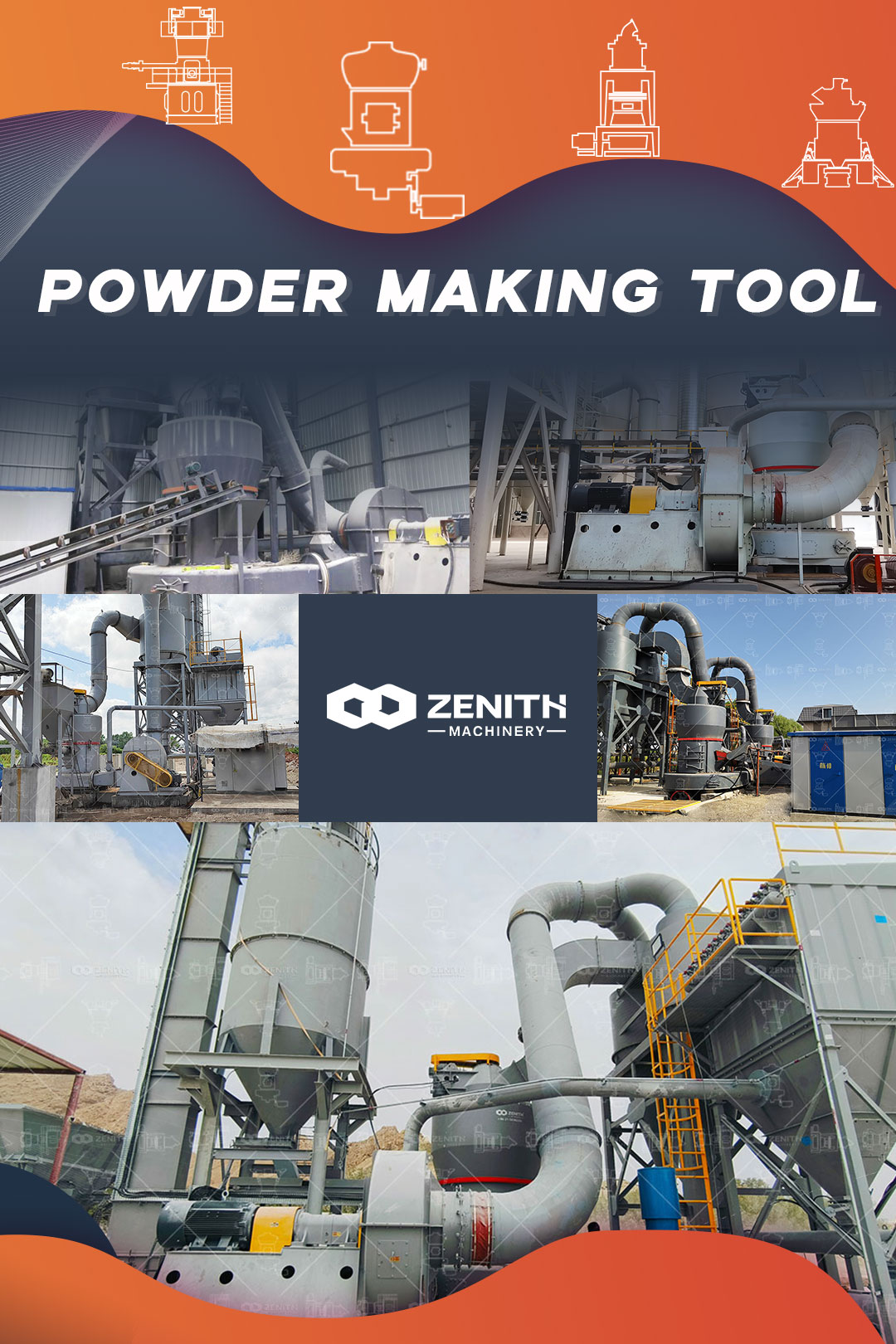
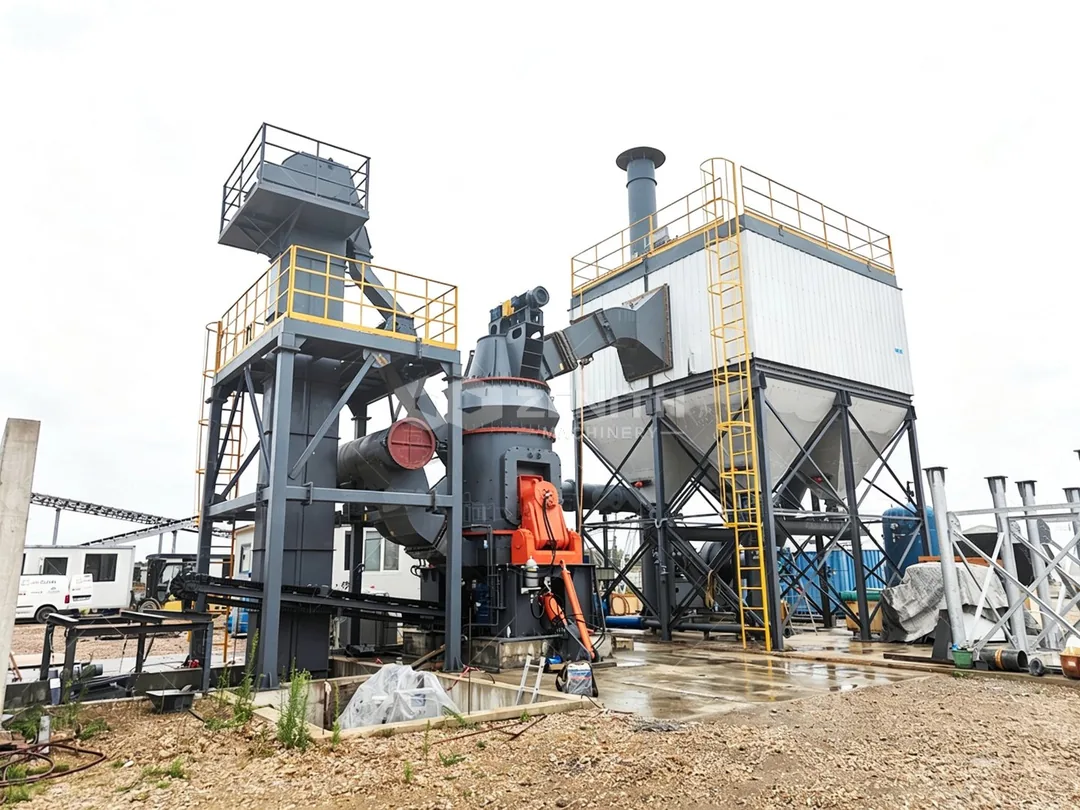
For operations prioritizing continuous, high-volume output with minimal supervision, the LM Vertical Grinding Mill offers an excellent solution. Its capacity ranges from 3 to an impressive 340 T/H, suitable for large-scale barite processing plants. The LM mill operates under negative pressure, ensuring a dust-free environment—a critical factor for both worker safety and product loss prevention. Its ability to control product purity and iron content is also vital for barite, where low impurities are essential to prevent adverse reactions in the drilling mud.
When the application calls for even finer adjustments or the production of higher-value barite grades, the XZM Ultrafine Grinding Mill and LUM Ultrafine Vertical Grinding Mill come into play. The XZM mill can produce powder from 325 to 3000 mesh with single classification, offering unparalleled flexibility. Its design allows arbitrary adjustment of fineness, enabling producers to cater to niche markets beyond drilling. The LUM mill, integrating advanced grinding roller and powder separating technology, is ideal for producing ultra-pure, high-whiteness barite with energy consumption 30-50% lower than conventional mills, making it a future-proof investment.

The working principle across Zenith's mill range—from trapezium mills to vertical roller mills—ensures efficient classification. Material is ground and then carried by airflow to a powder selector. Qualified fine powder (like our target 200 mesh) is separated and collected, while coarse particles are returned for re-grinding. This closed-circuit system, operating under controlled pressure, guarantees the consistent d97 particle size distribution that gives Mexican barite its superior suspension properties in drilling fluids, reducing settling and barite sag.
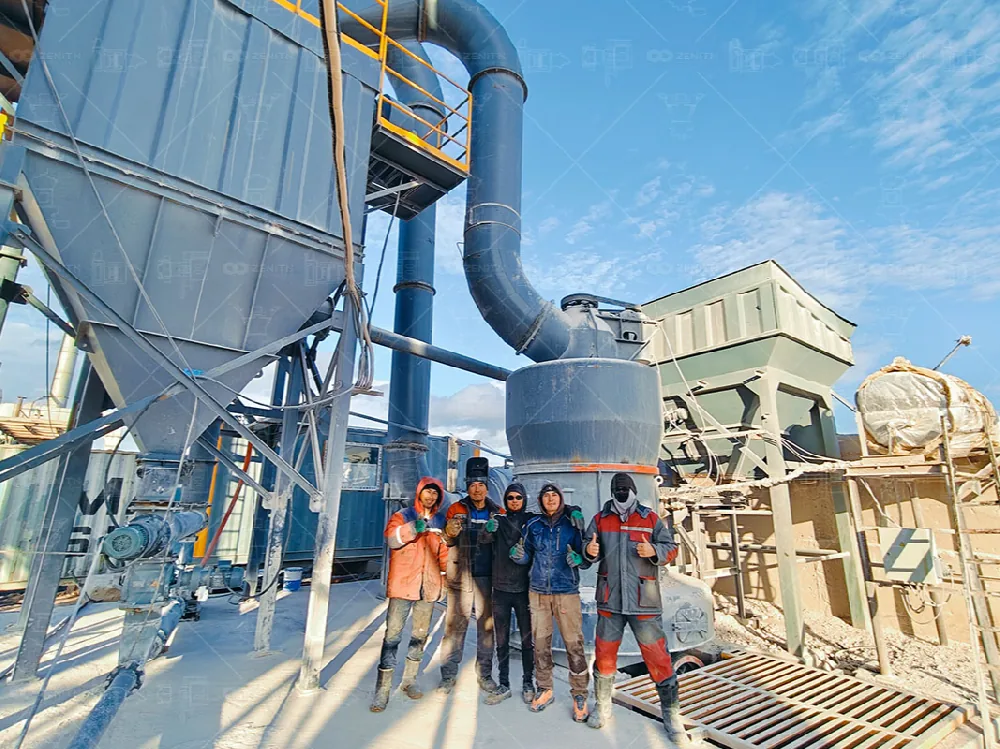
Ultimately, the synergy between high-quality Mexican barite ore and Zenith's precision grinding technology creates a product that meets the toughest drilling challenges. By investing in the right grinding equipment, producers can ensure their barite powder delivers the required density, rheological control, and cost-effectiveness that drilling contractors rely on. Zenith's global network, with a presence in over 180 countries, stands ready to support this essential industry with reliable, efficient, and technologically advanced milling solutions.
_1765817885942.jpg)
Frequently Asked Questions (FAQs)
- What does '200 mesh, d97' mean for barite powder?
"200 mesh" refers to the sieve size, indicating the powder fineness. "d97" means that 97% of the particles by volume are smaller than the specified size (74 microns for 200 mesh). This ensures a consistent, predictable particle size distribution critical for stable drilling mud performance. - Why is Mexican barite often preferred for drilling applications?
Mexican barite deposits are renowned for their high natural specific gravity (often exceeding 4.2) and chemical purity. These inherent properties, when processed correctly, yield a weighting agent that provides excellent density with low soluble impurities that could contaminate drilling fluids. - How does Zenith's MTW/MTM Mill achieve 60% lower energy consumption than a ball mill?
Our European Trapezium Mills utilize a more efficient grinding mechanism and an advanced impeller fan system that reduces power draw for air movement. The design minimizes energy loss in friction and heat, directing more power directly into the grinding action itself. - Can your mills handle the abrasive nature of barite ore?
Absolutely. Key wear parts in our mills, such as grinding rollers and rings, are manufactured from high-quality, abrasion-resistant materials. This ensures extended service life and maintains consistent product fineness even when processing hard, abrasive minerals like barite. - What is the advantage of a vertical mill (LM/LUM) over a trapezium mill for barite grinding?
Vertical mills typically offer a smaller footprint, higher degree of automation, and superior environmental control (dust-free operation). They are ideal for large-scale, continuous production lines where space, labor costs, and environmental compliance are major considerations. - Do you provide support for designing a complete barite powder processing line?
Yes, Zenith offers complete turnkey solutions. Our engineering team can assist with plant layout, equipment selection from crushing to grinding and packaging, installation supervision, and operator training to ensure optimal system performance. - How do you ensure the final barite powder meets the API (American Petroleum Institute) specifications?
Our mills' precise classification systems and adjustable fineness controls allow producers to consistently meet API standards for density, particle size distribution (like 200 mesh), and soluble alkaline earth metals content. The purity control in our LM and LUM mills is particularly beneficial for this. - Is remote monitoring available for your grinding equipment?
Yes, many of our modern mills, especially the LM and LUM series, come equipped with automated control systems that can facilitate remote monitoring and operation. This allows for real-time performance tracking and troubleshooting, maximizing uptime.