Attapulgite grinding equipment produces 200 mesh d90 powder with a capacity of 8 tons, used as feed additives.
2025-12-15 00:58:44
In the competitive and quality-driven animal feed industry, the physical and chemical properties of mineral additives are paramount. Attapulgite, a unique hydrated magnesium aluminum silicate clay, has gained significant traction as a feed additive due to its exceptional binding, anti-caking, and mycotoxin-adsorption capabilities. However, unlocking these benefits hinges entirely on achieving a precise and consistent particle size distribution. A specification of 200 mesh with a D90 value represents a critical benchmark, ensuring optimal surface area, mixability, and bioavailability in the final feed formulation. Producing this fine, uniform powder at a commercial scale of 8 tons per hour demands specialized, high-performance grinding technology.
Shanghai Zenith Machinery Co., Ltd., a hi-tech engineering group with decades of specialization in industrial powder processing, has developed grinding solutions that master this exact challenge. Our philosophy centers on transforming robust mineral feedstocks into high-value, specification-grade powders with maximum efficiency, reliability, and environmental responsibility. The journey from raw attapulgite clay to a premium 200-mesh feed additive is a precise engineering operation, and selecting the correct mill is the most decisive factor.
_1765731524853.jpg)
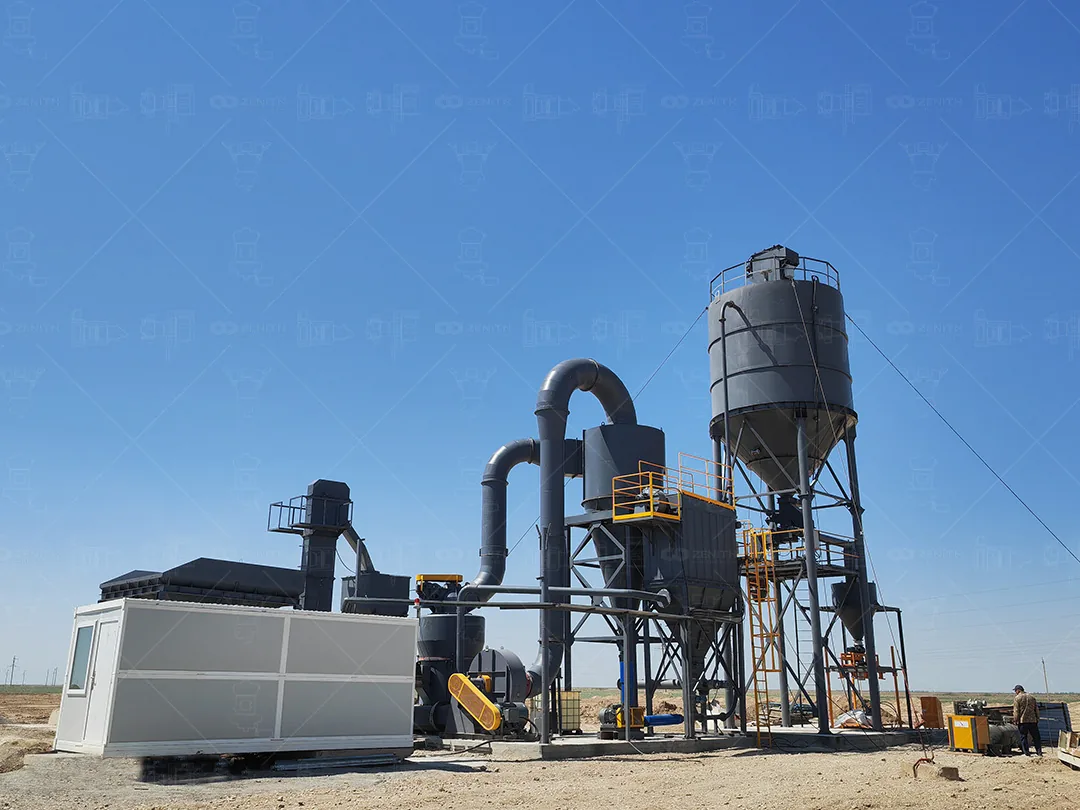
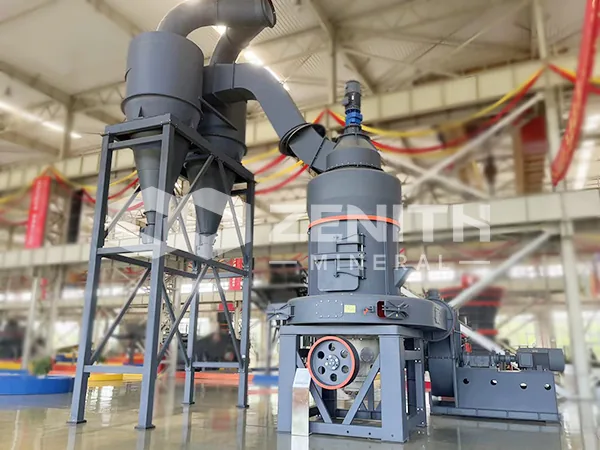
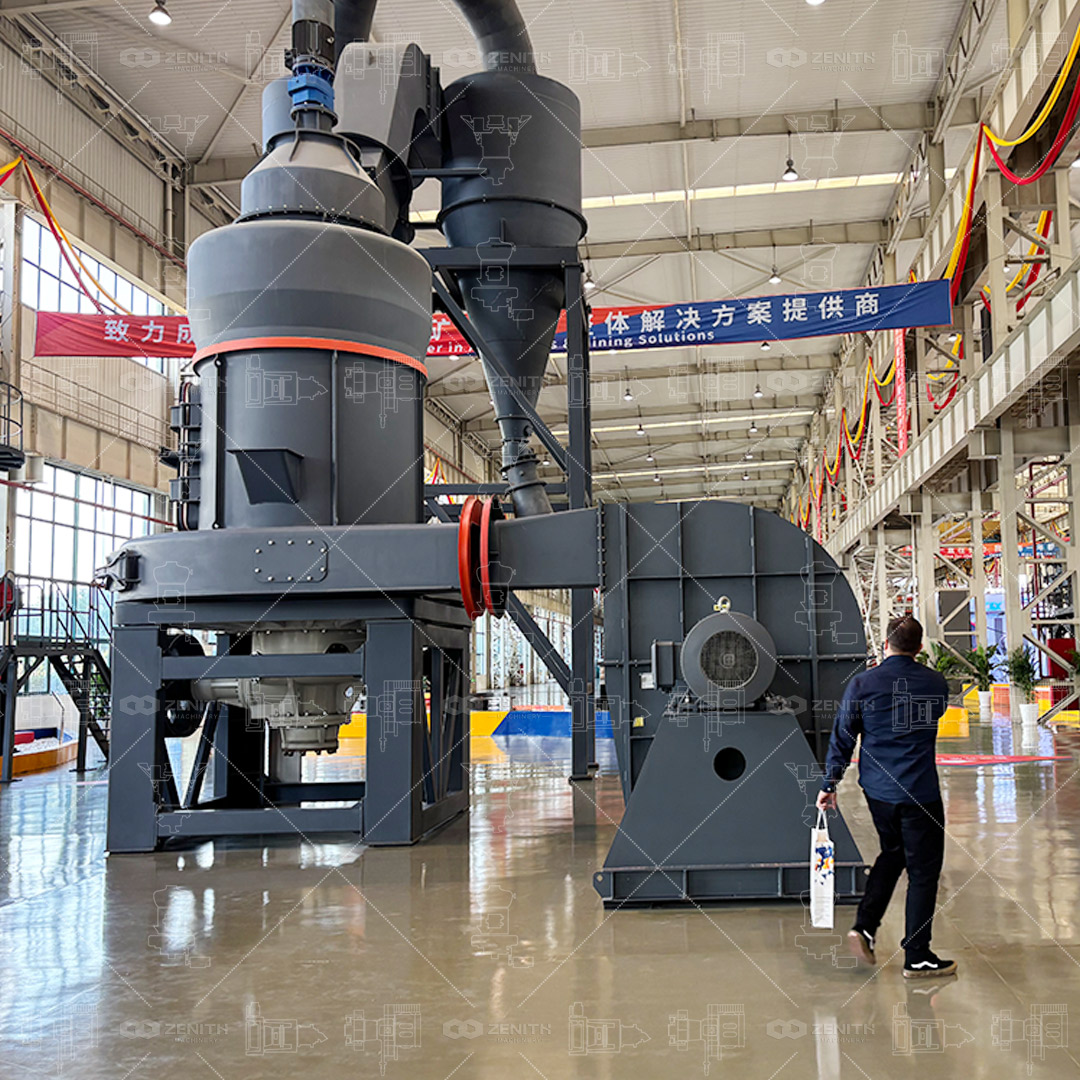
For applications targeting the 80-400 mesh range with high capacity, our MTW European Trapezium Mill stands out. Engineered for stability and large-volume production, its design is perfectly suited for producing 200 mesh D90 attapulgite powder. One of its most compelling advantages for feed producers is its remarkable energy efficiency, consuming over 60% less power than a traditional ball mill of equivalent output. This translates directly into lower operational costs per ton of finished powder. Furthermore, its integrated system—from bulk material handling to finished powder collection—minimizes plant footprint and foundation investment. The modular impeller adjustment device allows operators to fine-tune fineness, ensuring the 200 mesh D90 target is consistently met, batch after batch.
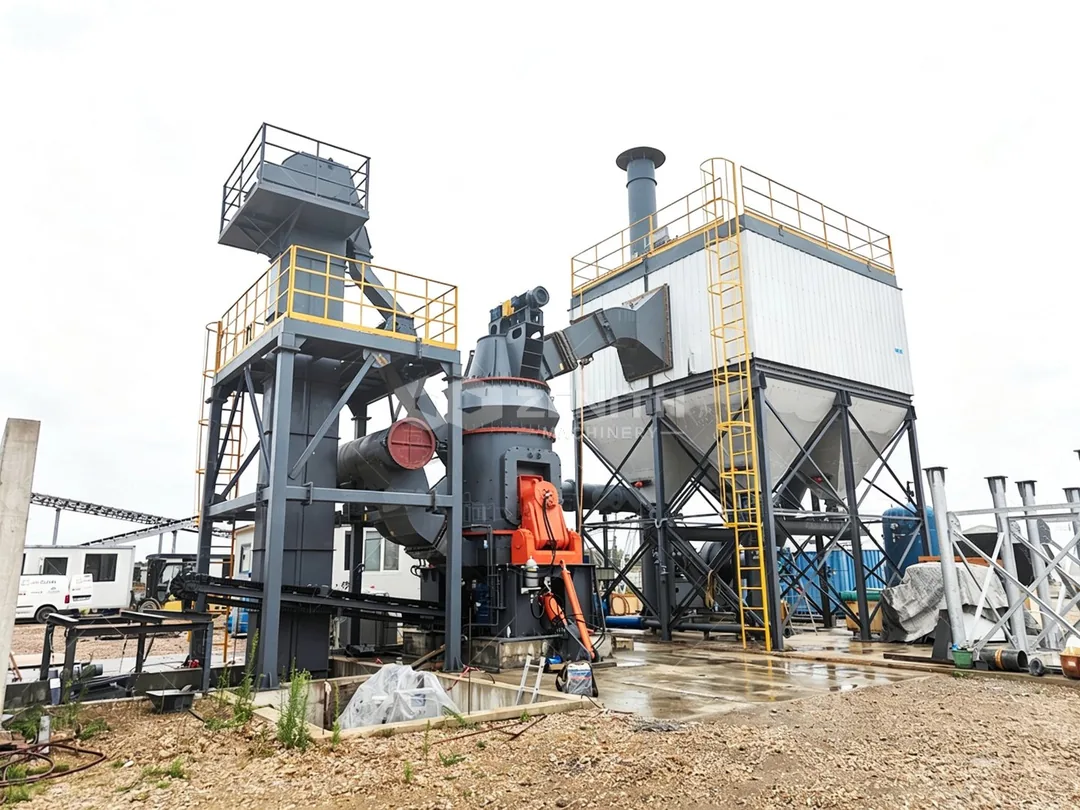
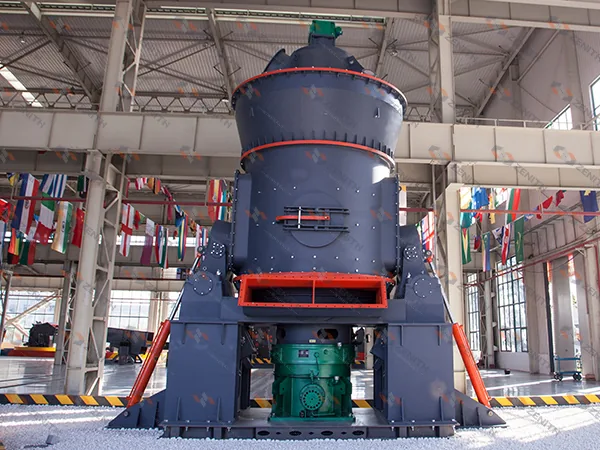
When operational continuity and automated control are priorities, the LM Vertical Grinding Mill presents an excellent alternative. Its 24-hour constant running capability and high degree of automation make it ideal for large-scale feed additive plants requiring easy monitoring and stable product quality. The mill operates under negative pressure, ensuring a dust-free workshop—a critical consideration for feed safety and plant hygiene. Its ability to control product purity and consistency aligns perfectly with the stringent quality standards of the animal nutrition industry.
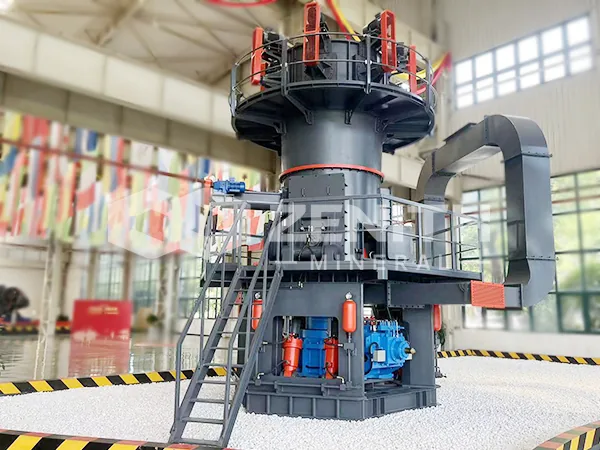
The quest for even finer additives or specialized formulations might lead to our ultrafine grinding series. The XZM Ultrafine Grinding Mill, capable of producing powder from 325 to 3000 mesh, offers unparalleled flexibility. Its classifier with Variable Frequency Drive (VFD) allows for arbitrary adjustment of fineness directly from the control panel, providing feed manufacturers with the agility to produce multiple specialty grades from a single platform. For the most demanding ultrafine applications, the LUM Ultrafine Vertical Grinding Mill integrates advanced grinding roller and powder separating technology, achieving energy savings of 30-50% compared to conventional mills while maintaining exceptional product purity.
It is crucial to understand that raw attapulgite often requires preliminary size reduction. Here, our Hammer Mill (HM Series) plays a vital role as a pre-grinding unit, efficiently processing raw clay into a 0-3mm coarse powder ideal for feeding into the fine grinding mills. This two-stage approach—coarse reduction followed by precision milling—optimizes the entire production line for both efficiency and final product quality.
_1765731524857.jpg)
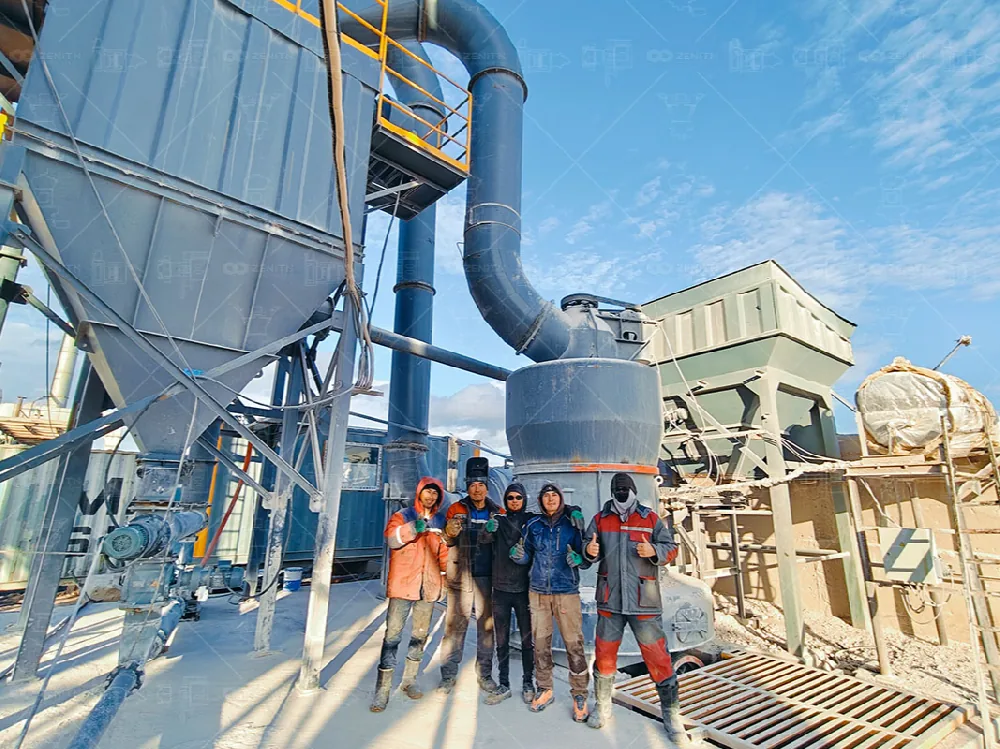
Beyond the machinery, Zenith provides a complete ecosystem of support. Our equipment carries ISO, CE, and CU-TR certifications, guaranteeing international standards of quality and safety. With a marketing network spanning over 180 countries and overseas offices in more than 30 nations, we offer localized technical service, spare parts support, and process expertise. We partner with feed additive producers not just to sell a machine, but to deliver a reliable, cost-effective production solution for high-quality attapulgite powder.
In conclusion, producing 8 tons per hour of consistent 200 mesh D90 attapulgite powder is an achievable goal with the right technological partner. By leveraging Zenith's portfolio of energy-efficient, automated, and precise grinding mills—from the robust MTW and LM series to the versatile XZM—feed manufacturers can enhance their product quality, reduce operational expenses, and strengthen their position in a market that increasingly values precision and performance in mineral additives.
Frequently Asked Questions (FAQs)
- What does 'D90' mean in the context of 200 mesh powder?
D90 is a particle size distribution metric. It indicates that 90% of the powder particles (by volume or mass) are smaller than the specified size, which in this case is 200 mesh (approximately 74 microns). It ensures consistency, meaning the vast majority of the product is fine enough for optimal performance as a feed additive. - Why is energy consumption a critical factor when choosing an attapulgite grinder?
Grinding is inherently energy-intensive. A mill that consumes 60% less energy than a standard ball mill, like the Zenith MTW series, dramatically reduces electricity costs, which is often the largest operational expense in powder production, directly improving profit margins. - Can one mill produce different fineness levels, or do I need separate machines?
Many Zenith mills, such as the MTW, MTM, and XZM series, feature adjustable fineness controls. By changing impellers or adjusting the classifier speed via a VFD, you can produce different powder specifications (e.g., 150 mesh, 200 mesh, 325 mesh) on the same machine, offering great production flexibility. - How do you ensure the finished powder is free from contamination?
Our mills are designed with material purity in mind. They use wear-resistant linings and grinding elements to minimize metal contamination. Furthermore, systems operate under sealed, negative-pressure conditions with integrated pulse dust collectors, preventing external dust ingress and ensuring a clean final product. - Is the 8 TPH capacity for 200 mesh powder guaranteed?
The achievable capacity depends on several factors, including the hardness and moisture content of the raw attapulgite. The 8 TPH capacity is based on standard material conditions. We conduct thorough material tests and provide performance guarantees based on your specific feedstock. - What kind of after-sales support and service does Zenith offer globally?
With overseas offices in over 30 countries, we provide comprehensive support including installation supervision, operator training, routine maintenance guidance, and a reliable supply of genuine spare parts to ensure your grinding line operates smoothly for years. - Are Zenith's grinding mills suitable for other feed additive minerals like bentonite or diatomaceous earth?
Absolutely. Our grinding technology portfolio is designed for a wide range of non-metallic minerals. The same principles apply for producing fine-grade bentonite, diatomaceous earth, or zeolite powders for feed applications. We can recommend the optimal mill model based on the specific mineral's properties.