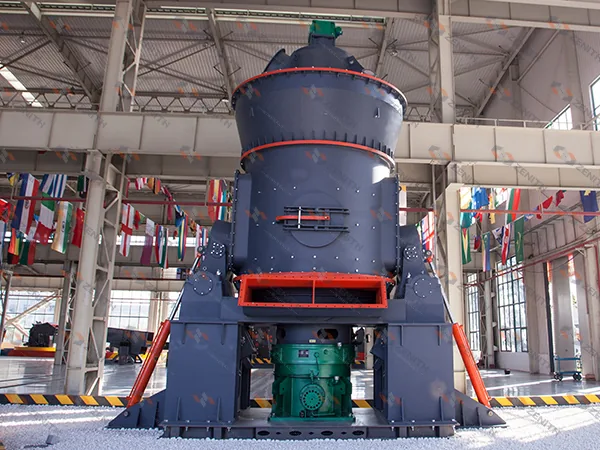
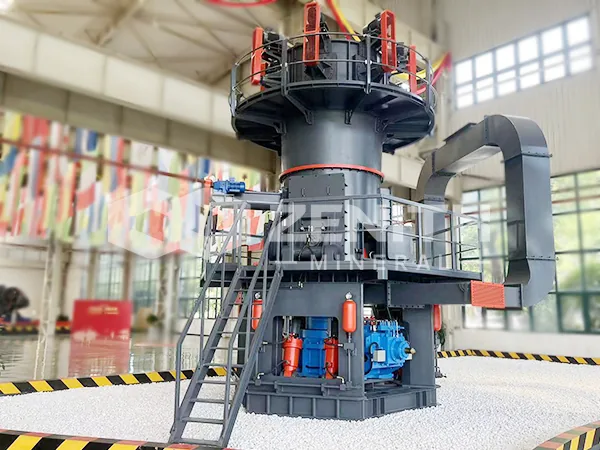
The vertical mill for kaolin from coal-bearing soil in inner mongolia produces 325 mesh finished products for the building materials industry.
2025-12-14 17:58:46
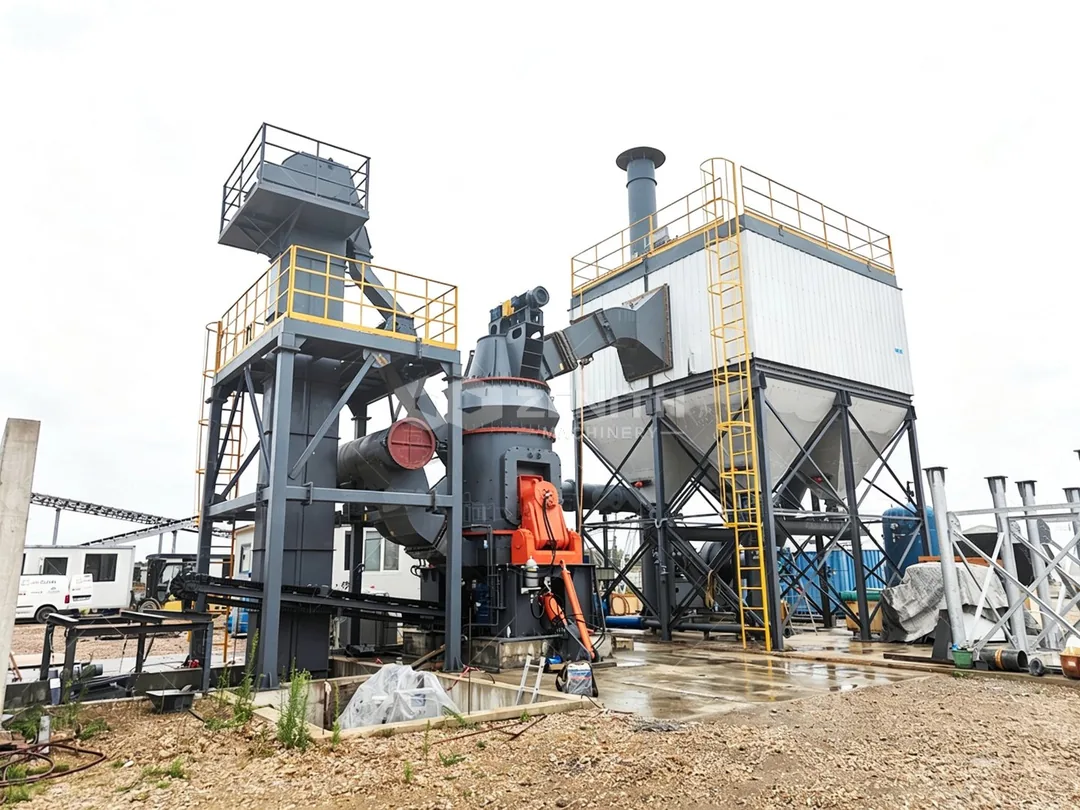
In the vast, resource-rich landscapes of Inner Mongolia, a unique industrial challenge is being met with precision engineering. The processing of kaolin extracted from coal-bearing strata presents distinct hurdles: the material often contains variable impurities, requires consistent fineness for high-value applications, and demands an energy-efficient operation to remain economically viable. For the building materials industry, which relies on kaolin as a key ingredient in ceramics, paints, coatings, and specialty cements, the quality of the final powder—specifically at a controlled 325 mesh—is paramount. This is where advanced vertical grinding technology, such as our LM Vertical Grinding Mill, steps in as a transformative solution.
_1765706326734.jpg)
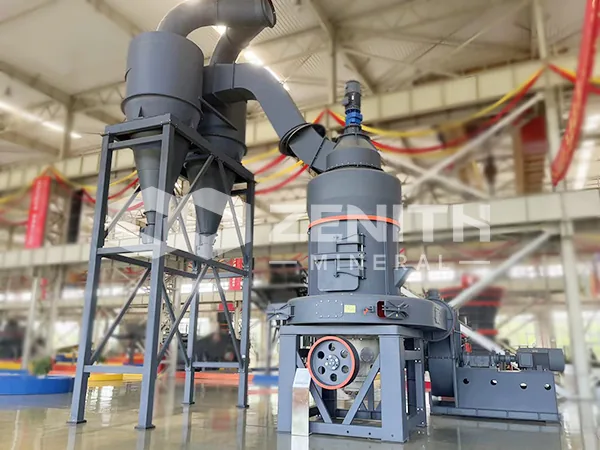
Shanghai Zenith Machinery, with its global footprint and three decades of specialization in industrial powder grinding, has developed mill systems that excel in such demanding environments. The core advantage of the LM Vertical Roller Mill for this application lies in its integrated design and operational stability. Unlike traditional ball mills, the LM mill operates on a bed-grinding principle. Material is fed onto a rotating grinding table and is crushed by hydraulically loaded rollers. This method not only ensures a more uniform particle size distribution but also consumes significantly less energy—over 60% lower than a ball mill of comparable output. For a processing plant in Inner Mongolia, where operational costs and reliability are critical, this efficiency translates directly to a stronger bottom line.
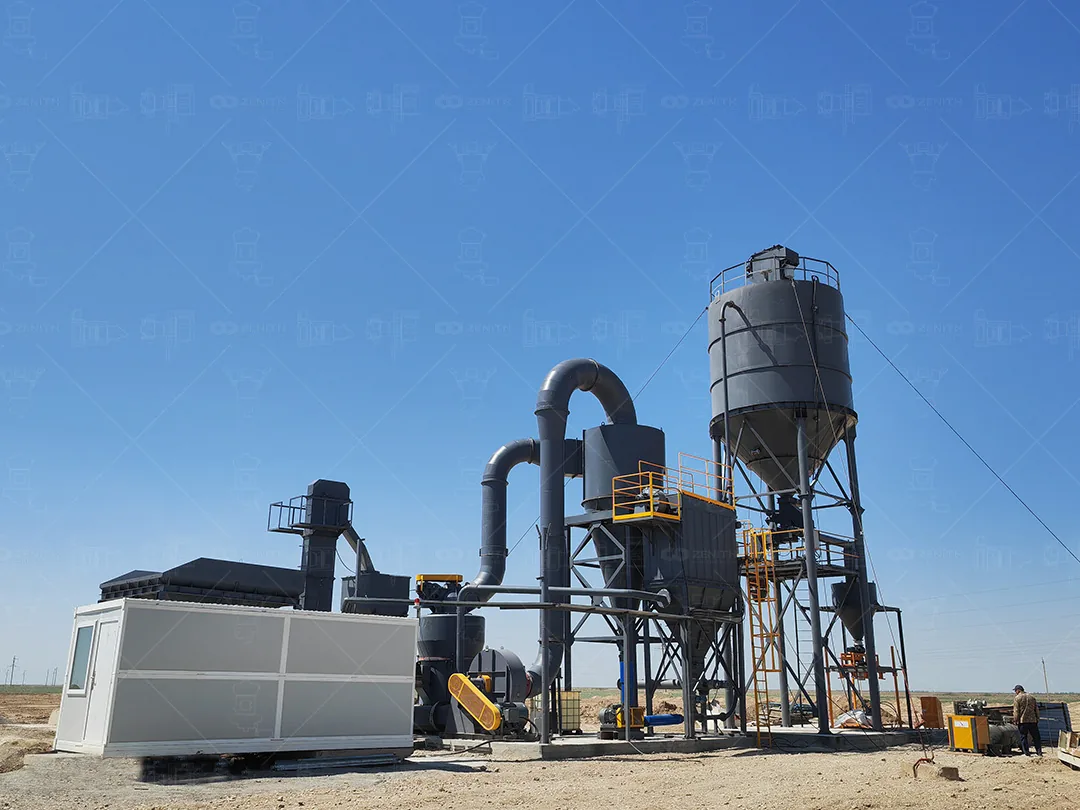
Producing a consistent 325-mesh product requires exceptional control over the grinding and classification process. The LM Vertical Mill is equipped with a high-efficiency powder separator integrated into its upper section. This separator allows for real-time adjustment of the final product fineness without stopping the mill. The kaolin particles are carried by an induced airflow generated by a high-efficiency impeller fan; fine particles meeting the 325-mesh specification pass through the selector and are collected in a cyclone and pulse dust collector, while coarse particles are rejected back to the grinding table for further size reduction. This closed-circuit system, operating under negative pressure, guarantees that 99% of the output falls within the target micron range, providing the building materials industry with a reliably uniform raw material.
_1765706326736.jpg)
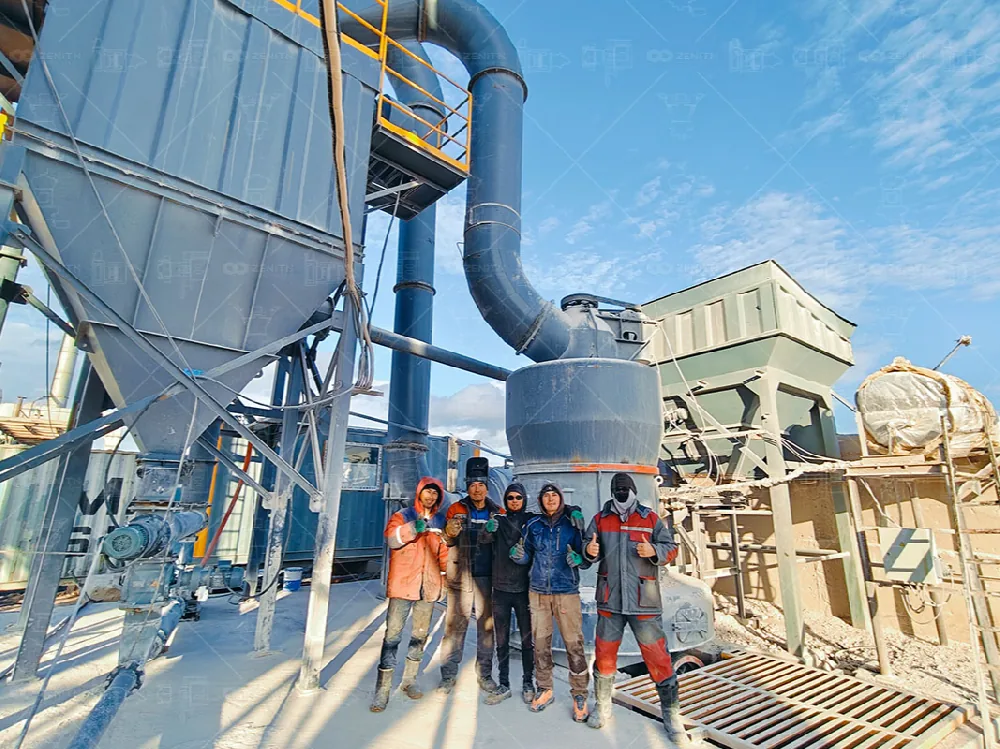
Beyond product quality, the project's environmental and spatial footprint is a major consideration. The LM mill's compact, vertical structure occupies approximately 50% of the space required by a traditional ball mill plant. This allows for a smaller foundation and building cost, a significant advantage for new installations. Furthermore, the fully sealed grinding chamber and negative pressure operation ensure there is no dust spillage. All exhaust air is cleaned through a high-standard pulse jet bag filter, making the entire production process clean and compliant with stringent environmental regulations, protecting the local ecosystem of Inner Mongolia.
The choice of the LM series for kaolin is also reinforced by its material purity preservation. The grinding elements are designed to minimize iron contamination. Combined with the non-contact grinding principle (where rollers crush the material bed rather than directly contacting the table), the whiteness and chemical composition of the processed kaolin are maintained—a critical factor for its performance in white cement, high-grade ceramics, and premium paints. The mill's high degree of automation, with remote monitoring and control capabilities, ensures stable, 24/7 operation with minimal manual intervention, reducing labor costs and human error in remote locations.
_1765706326738.jpg)
For feed sizes up to 70mm and target capacities ranging from modest to very large scales (3-340 T/H), the LM Vertical Grinding Mill offers a scalable, future-proof solution. Its robust construction and easy maintenance—where the roller can be swung out hydraulically for liner replacement—ensure high availability and long service life. By deploying this technology, processors of Inner Mongolian kaolin can transform a challenging raw material into a high-value, specification-grade product that reliably feeds the growing demands of the global building materials industry, ensuring strength, consistency, and finish in countless end applications.
Frequently Asked Questions (FAQs)
- Why is a vertical mill preferred over a traditional ball mill for grinding Inner Mongolian kaolin?
Vertical mills like the LM series offer over 60% lower energy consumption, a smaller physical footprint, better control over product fineness, and superior preservation of material whiteness due to reduced iron contamination, making them more economical and higher-performing for this specific application. - Can the LM Vertical Mill handle the variable hardness and moisture sometimes found in coal-bearing kaolin?
Yes. The LM mill is designed with a robust grinding roller and table system. Its hydraulic loading system can adapt to varying material hardness, and the optional hot air system can handle materials with a certain moisture content by drying them during the grinding process. - How is the 325-mesh fineness precisely controlled and maintained?
The integrated dynamic powder separator allows for instant adjustment of the fineness by changing the speed of its classifying rotor. The system continuously recycles oversized particles, ensuring a consistent output where 99% of the product meets the 325-mesh (approximately 45 microns) specification. - What are the key environmental benefits of using this grinding system?
The mill operates under fully sealed, negative pressure conditions, preventing dust emissions. The final exhaust is treated with a high-efficiency pulse dust collector, ensuring emissions meet strict international environmental standards (like CE certification). Noise and vibration are also significantly lower than conventional mills. - Is the system automated, and what is required for routine operation?
The LM Vertical Mill features a high degree of automation with a centralized control system. Routine operation primarily involves monitoring parameters from a control room. Remote diagnostic support is also available, minimizing the need for extensive on-site technical staff. - What is the typical production capacity range for processing kaolin to 325 mesh with an LM mill?
Capacity depends on the specific model and material characteristics, but the LM series offers a wide range from 3 tons per hour up to 340 tons per hour, allowing it to be tailored to both medium and very large-scale production lines. - How does Zenith ensure the quality and longevity of the grinding mill in such an application?
Critical wear parts like grinding rollers and tables are made from high-quality, abrasion-resistant materials. The design allows for easy maintenance and part replacement. Furthermore, all Zenith equipment is backed by ISO, CE, and CU-TR certifications, guaranteeing international standards of quality and safety.