Tunisian marble ultrafine grinding machine finished product specifications 71 microns d80
2025-12-14 00:55:45
In the demanding world of industrial mineral processing, achieving a consistent and precise particle size distribution is not just a goal—it's a fundamental requirement for product quality and downstream application performance. For processors of premium materials like Tunisian marble, renowned for its purity, whiteness, and veining, the grinding process must preserve these inherent qualities while delivering ultrafine powders with exacting specifications. A common target for high-end applications in plastics, paints, coatings, and advanced composites is a finished product with a D80 of 71 microns (approximately 200 mesh). Meeting this specification efficiently and reliably requires specialized engineering. At Shanghai Zenith Machinery, our focus is on developing grinding technologies that transform such precise requirements into consistent, profitable production reality.
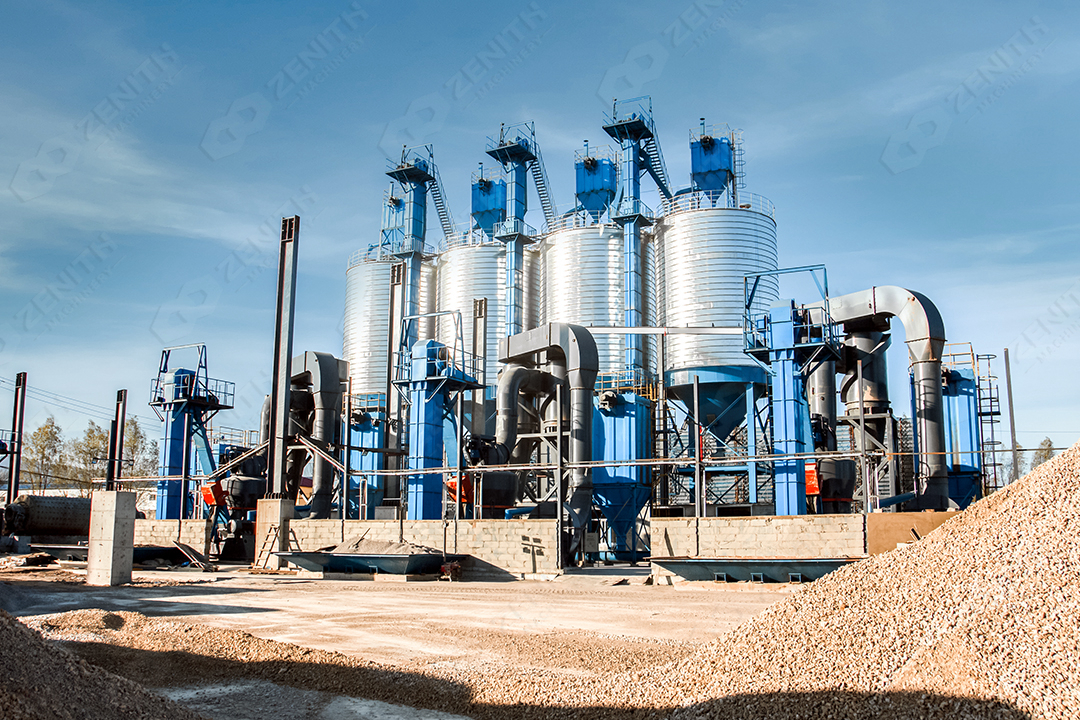
Our journey in grinding technology is built on a foundation of deep R&D and a global perspective, with our equipment operating in over 180 countries. For a material like Tunisian marble, the challenge extends beyond mere size reduction. The process must minimize contamination to maintain chemical purity and color integrity, manage heat generation to prevent discoloration, and offer flexible control to hit the specific D80 target reliably. While several mills in our portfolio can produce fine powders, the task of achieving a tight particle distribution centered on 71 microns—where 80% of the particles are finer than this size—demands a machine with superior classification accuracy and gentle grinding action.
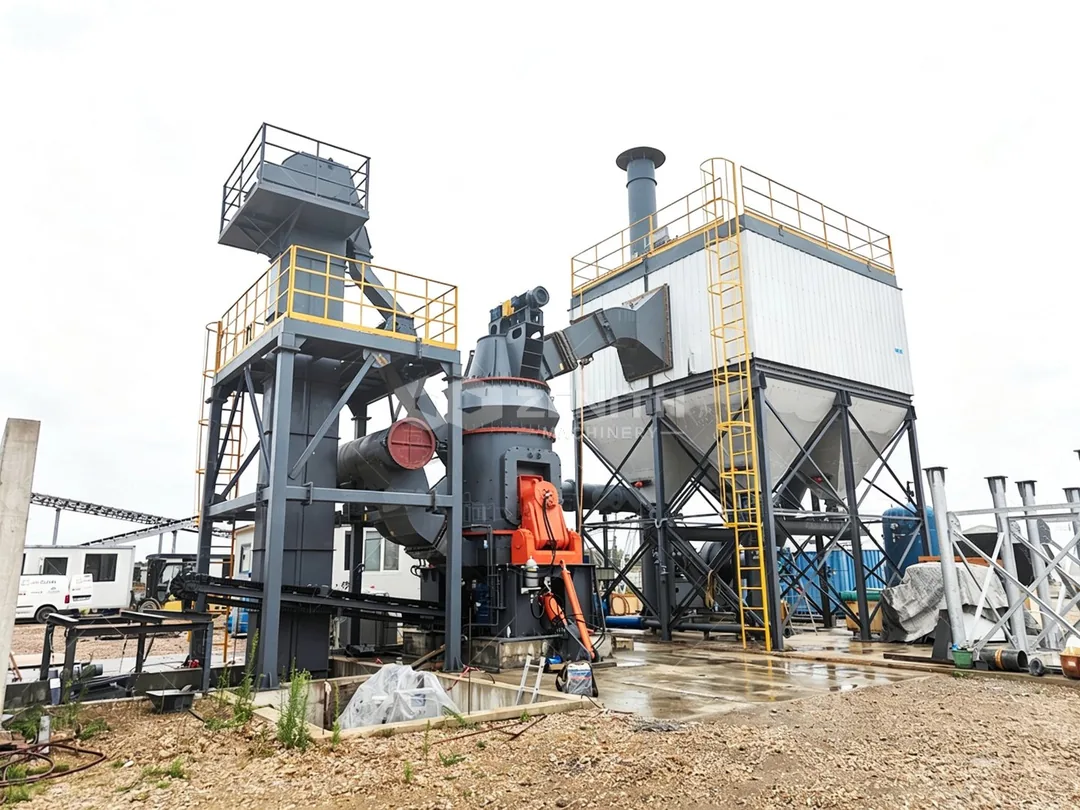
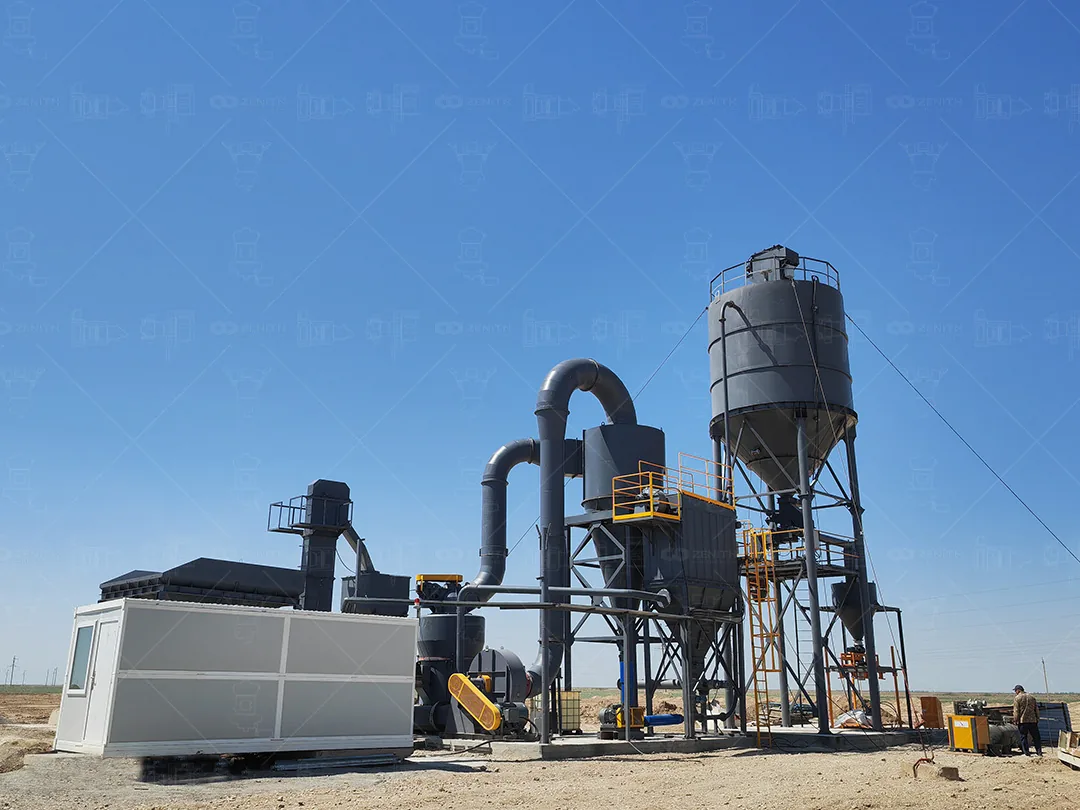
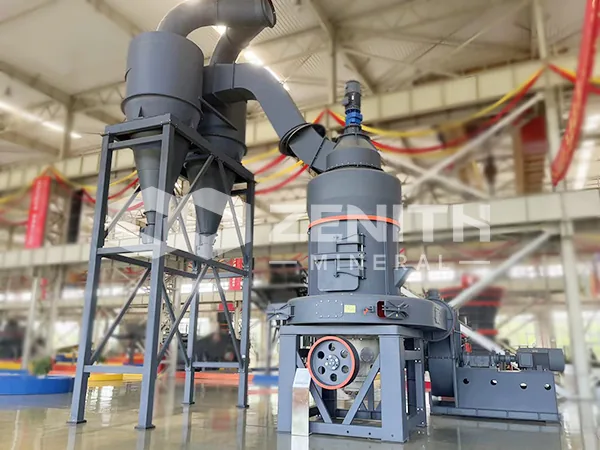
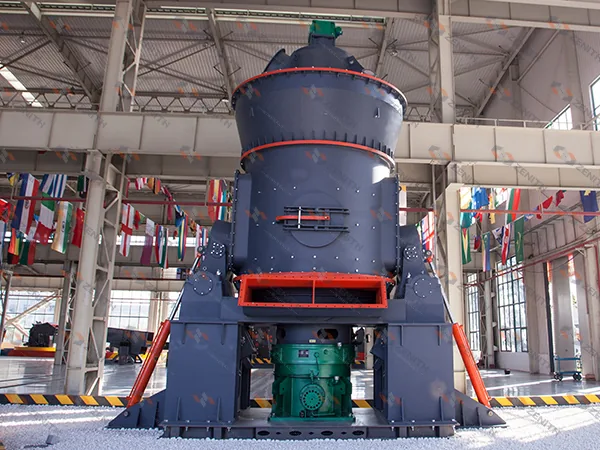
For this specific application, our XZM Ultrafine Grinding Mill and LUM Ultrafine Vertical Grinding Mill emerge as the leading technological solutions. Both are engineered to operate in the critical range between fine and micro-powder production. The XZM series is renowned for its ability to produce powders between 325 mesh (45 microns) and 2500 mesh (5 microns) with a single, highly efficient classification stage. Its key advantage for a 71-micron D80 specification is the arbitrary adjustment of fineness. The classifier is equipped with a Variable Frequency Drive (VFD), allowing operators to precisely adjust the rotor speed from the control panel to dial in the exact particle cut point, ensuring the D80 target is met consistently batch after batch.
_1765644945451.jpg)
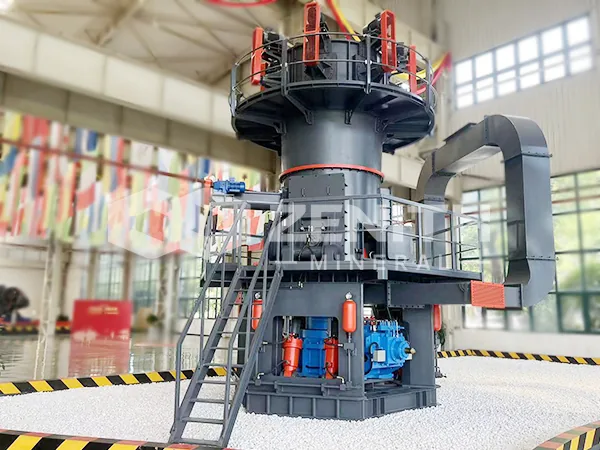
The LUM Ultrafine Vertical Grinding Mill offers another robust path. Integrating advanced grinding roller technology and German powder separation principles, it excels in processing non-metallic minerals like calcite, limestone, and marble. Its strength lies in producing high-purity products with excellent whiteness—a non-negotiable for premium marble powder. The LUM mill's grinding pressure and separator speed can be accurately controlled, enabling fine-tuning of the product's size distribution. Furthermore, its fully sealed, negative-pressure operation guarantees a dust-free environment, protecting both the product's purity and the plant's working conditions.
Why are these mills superior to traditional options like ball mills for this task? The answer lies in efficiency and precision. A ball mill might achieve a similar average size, but its particle size distribution is often broader, making it harder to consistently hit a precise D80. More importantly, our XZM and LUM mills consume 40-70% less energy than traditional ball mills or airflow mills for the same output. This dramatic reduction in operational expense, combined with their smaller footprint and lower comprehensive investment, delivers a compelling return on investment. The modular design of key components also simplifies maintenance, reducing downtime—a critical factor for continuous production lines.
_1765644945452.jpg)
The working principle that enables this precision is a harmonious combination of grinding and classification. In both the XZM and LUM mills, material is fed onto a rotating grinding disc or table. Centrifugal force moves it under grinding rollers, where it is subjected to intense pressure. The crushed material is then carried by an induced airflow into an integral high-efficiency powder selector. Here, the critical separation happens: particles coarser than the target size (including those just over 71 microns) are rejected by the classifier's rotating blades and returned for regrinding. Only particles meeting the fineness specification pass through to become final product, collected in a cyclone or pulse dust collector. This closed-loop system of grinding, classification, and recirculation is what ensures the tight, consistent D80 distribution.
_1765644945454.jpg)
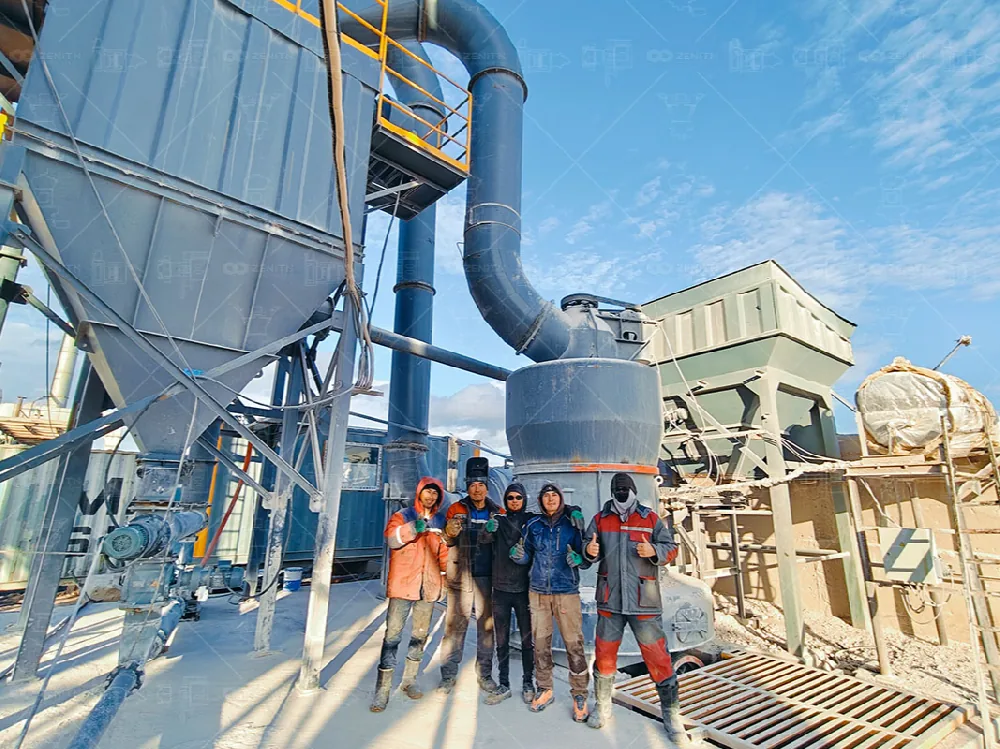
Choosing the right partner for your Tunisian marble grinding project means selecting technology backed by global certifications like ISO, CE, and CU-TR, and supported by a network of engineering expertise. Whether your goal is to supply filler for high-quality PVC tiles, artificial quartz surfaces, or specialty industrial coatings, achieving a reliable D80 of 71 microns is a proven benchmark for performance. With Zenith's advanced ultrafine grinding solutions, this specification becomes a standard, repeatable output, unlocking the full value of your marble resources through precision engineering.
Frequently Asked Questions (FAQ)
- What is the main advantage of your mill for achieving a D80 of 71 microns compared to a modified Raymond mill?
The primary advantage is precision classification. Our XZM and LUM mills feature advanced, independently controlled high-efficiency classifiers that allow exact adjustment of the particle cut point. This ensures a tighter particle size distribution centered on your target D80, whereas a Raymond mill may produce a broader range, making consistent D80 control more challenging. - How do you ensure the whiteness and purity of the marble powder are not compromised during grinding?
Our mills are designed with contamination control in mind. The grinding chambers use wear-resistant, non-metallic or specially treated liners where appropriate. The LUM mill, in particular, operates under a fully sealed, negative-pressure system, preventing dust ingress and iron contamination. This effectively controls iron content and preserves the material's natural whiteness. - Can the same mill also produce a coarser or finer powder if our product needs change in the future?
Absolutely. A key feature of our XZM and LUM series is their adjustable fineness. By changing the speed of the classifier rotor (easily done via the VFD on the control panel) or adjusting other operational parameters, the same mill can produce a range of products from coarse fillers (e.g., 200 mesh/74 microns) down to ultrafine powders (2500 mesh/5 microns), offering excellent long-term flexibility. - What is the typical energy consumption for grinding Tunisian marble to D80 71 microns with your XZM mill?
Energy consumption varies with material hardness and moisture, but for typical dry Tunisian marble, our XZM Ultrafine Grinding Mill consumes approximately 40-50% less energy than a traditional ball mill and about 30% less than a Raymond mill producing an equivalent output at the same fineness, offering significant operational cost savings. - Do you provide testing services to confirm the mill can meet our specific 71-micron D80 target before purchase?
Yes, we strongly recommend and offer pilot-scale testing services at our facility or can arrange on-site trials. We can process a sample of your Tunisian marble and provide a detailed report on the achievable particle size distribution (including D80, D50, D97), output capacity, and final product quality. - How does the system handle dust collection to meet environmental standards?
The grinding system is a closed circuit operating under negative pressure. It is integrally equipped with a high-efficiency pulse jet bag filter or cyclone-pulse filter combination. This ensures dust emission is far below international environmental standards (typically < 20 mg/Nm³), creating a clean workshop environment. - What is the expected maintenance interval for the grinding rollers and classifier blades?
For grinding marble (a medium-hardness material), the wear parts like roller sleeves and classifier blades are made from high-chromium or ceramic-based abrasion-resistant materials. Under normal operation, the maintenance interval for these parts typically ranges from 6,000 to 8,000 hours of operation, depending on the specific model and throughput. - Can the system be automated for continuous, unmanned operation?
Yes. Our mills can be equipped with full PLC-based automatic control systems. This allows for remote monitoring and control of feed rate, grinding pressure, classifier speed, and temperature. The system can maintain constant product fineness (D80) automatically, enabling long periods of stable, labor-efficient operation.