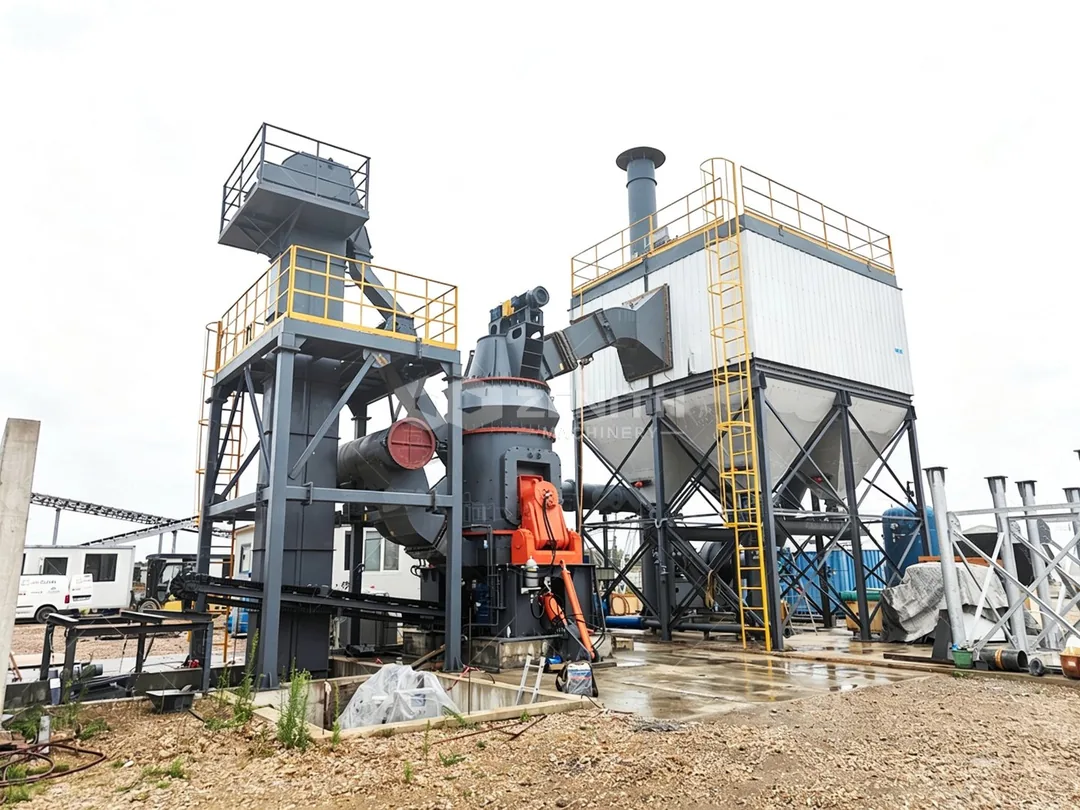
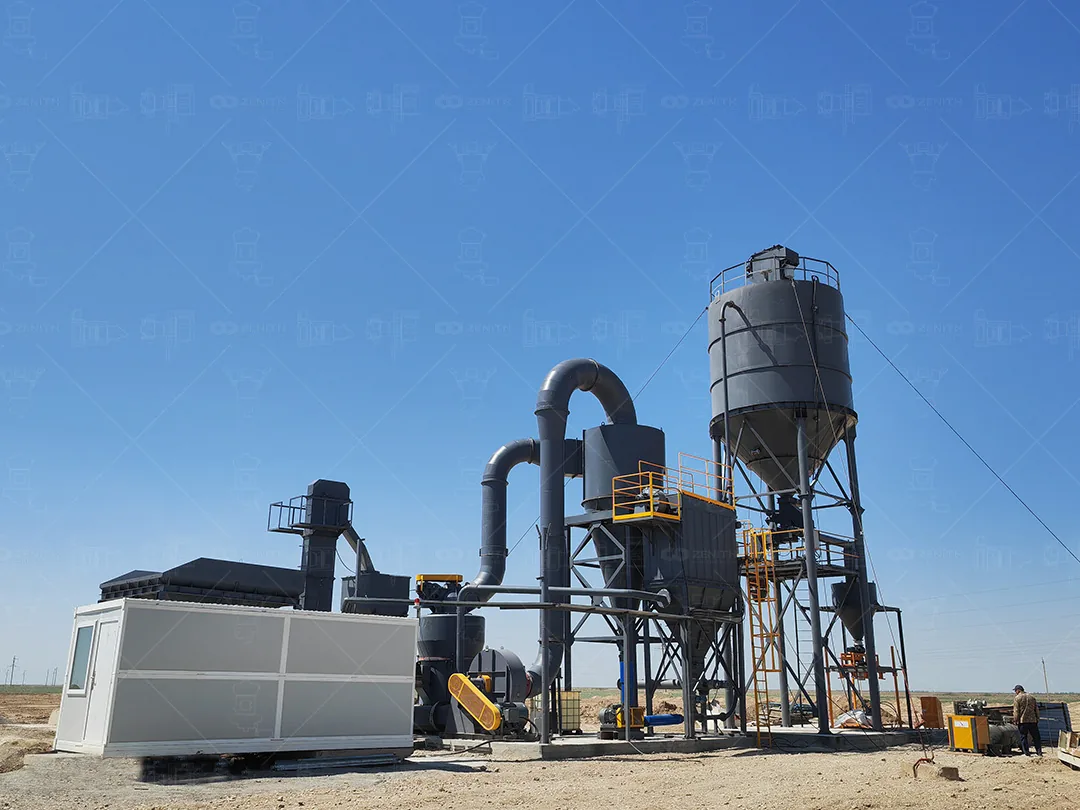
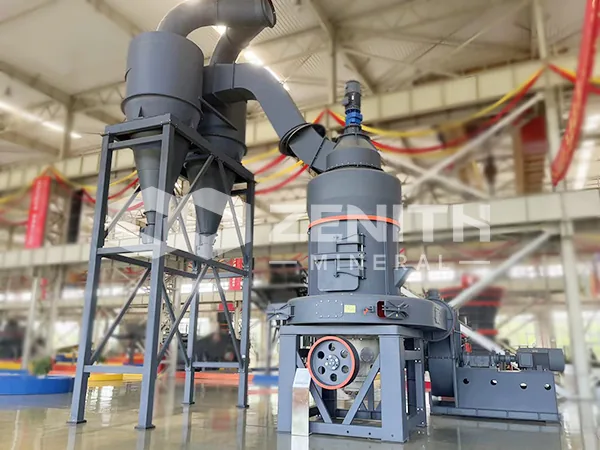
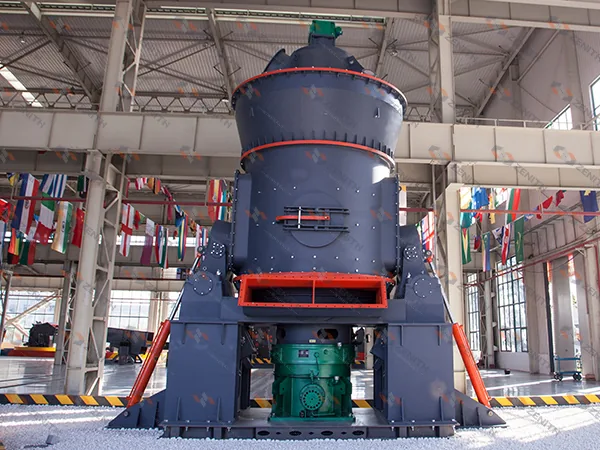
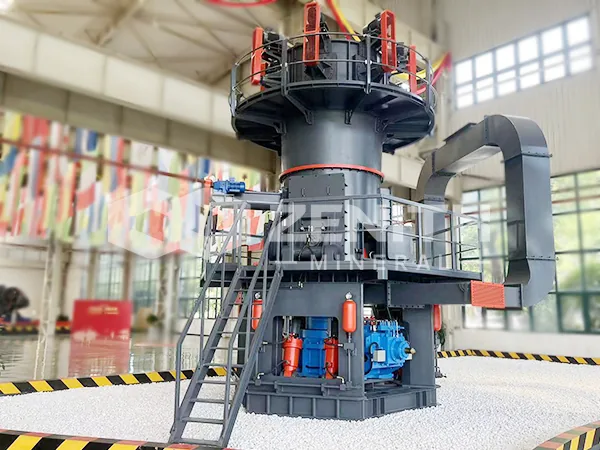
Limestone preparation for power plant desulfurization agent project: equipment selection: mtw178 european version grinding mill, finished product specification: 325 mesh, d90, output: 10-12 tons per hour.
2025-12-12 00:57:31
In the critical arena of power generation, environmental compliance is non-negotiable. Flue Gas Desulfurization (FGD) stands as a primary defense against sulfur dioxide emissions, and its efficacy hinges on the quality and consistency of its reagent—finely ground limestone. Selecting the right grinding equipment is therefore not merely an operational decision, but a strategic one impacting plant efficiency, operational costs, and regulatory adherence. For a project demanding a finished product specification of 325 mesh (D90) with a robust output of 10-12 tons per hour, the equipment choice becomes the cornerstone of success.
After a comprehensive evaluation of various grinding technologies—from traditional ball mills to advanced vertical roller mills—the MTW178 European Version Trapezium Mill emerges as the optimal solution for this specific application. This selection is driven by a precise alignment between the mill's engineered capabilities and the project's stringent technical and economic parameters.
_1765472251571.jpg)
The core requirement of producing limestone powder at 325 mesh (approximately 45 microns) with a D90 grading is a perfect match for the MTW series' design sweet spot. While many mills can achieve this fineness, the MTW178 does so with exceptional energy economy. Its grinding mechanism and optimized airflow system consume over 60% less energy than a traditional ball mill of equivalent output. For a power plant operating 24/7, this translates into massive, sustained reductions in one of the largest operational cost centers: power consumption for auxiliary equipment.
Capacity is non-negotiable. The specified 10-12 tph output is well within the stable operating range of the MTW178, which is designed for consistent, high-yield production. Its integrated system—from bulk material handling via variable frequency feeder to final collection in the cyclone powder collector—ensures smooth, continuous operation without bottlenecks. The system operates under a closed, negative-pressure environment, a crucial feature highlighted in our technical documentation. This design, coupled with a high-efficiency pulse dust collector, guarantees that the grinding process itself is environmentally sound, containing limestone dust and aligning with the plant's overall environmental stewardship goals.
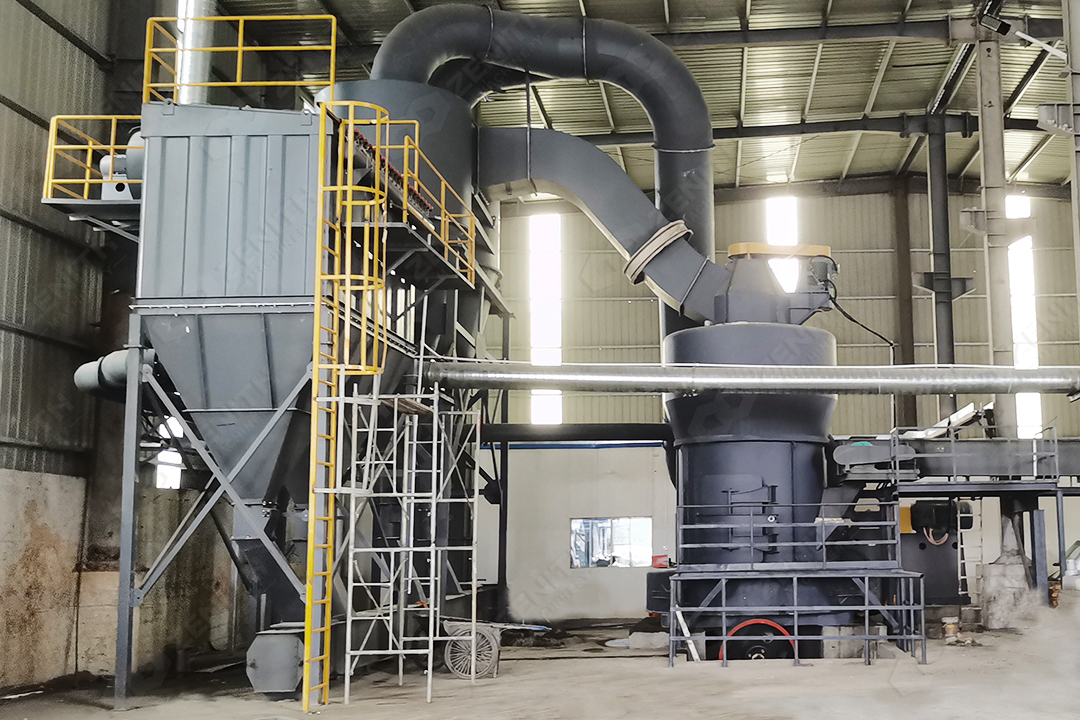
Operational flexibility and ease of maintenance are further compelling advantages. The MTW178's modular impeller adjustment device allows for precise calibration of product fineness. Should future FGD process optimizations require a slight adjustment in particle size distribution, this can be achieved without major mechanical overhaul. Furthermore, the mill's footprint is compact. Its self-contained production system from raw feed to finished powder minimizes the required plant space and foundation investment, a significant factor in retrofit or expansion projects within the often-congested confines of a power plant.
When compared to other grinding solutions, the rationale solidifies. While an LM Vertical Mill offers high automation and is excellent for constant running, its optimal output range often targets higher capacities. A Raymond Mill, though reliable, may operate at higher specific energy consumption for this tonnage and fineness. Ultrafine mills like the LUM or XZM are over-engineered for a 325-mesh target, where their advanced (and more costly) technology is not fully utilized. The MTW178 represents the ideal balance: advanced enough for efficiency and control, yet purpose-built and economically optimal for the 80-400 mesh fine powder range.
_1765472251576.jpg)
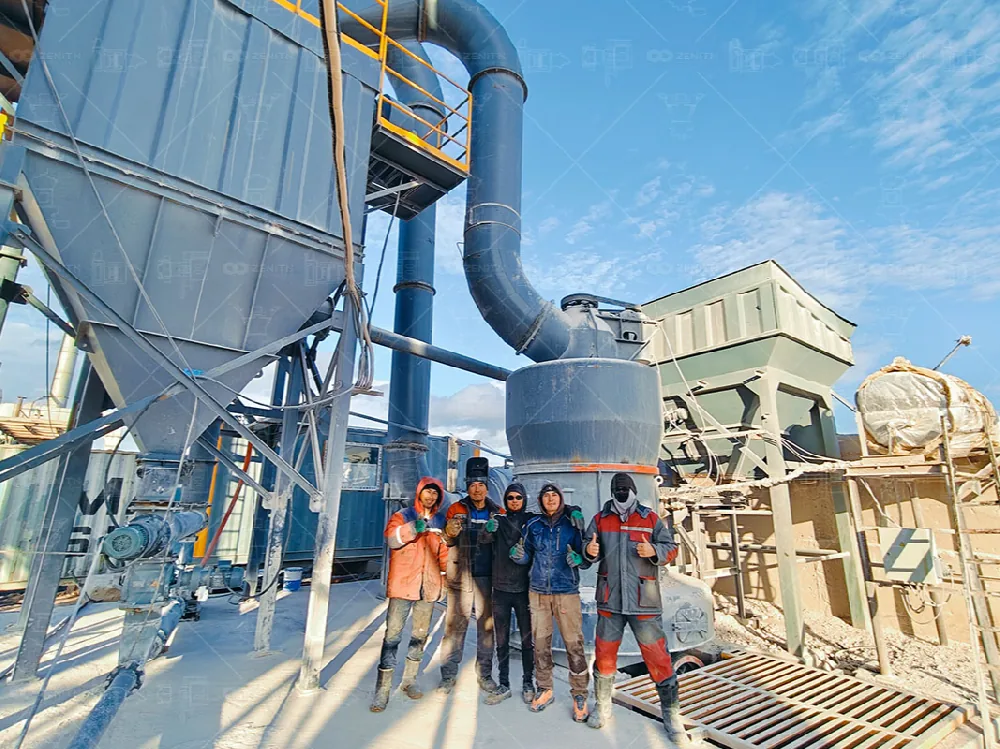
Beyond the machine itself, the choice is backed by global support. With ISO, CE, and CU-TR certifications, the MTW178 meets international quality and safety standards. Zenith's network, spanning over 180 countries, ensures that technical support, genuine spare parts, and operational expertise are accessible, safeguarding the long-term reliability and productivity of this critical FGD subsystem.
In conclusion, for the preparation of 10-12 tph of 325-mesh limestone desulfurization agent, the MTW178 European Trapezium Mill is not just a suitable piece of equipment; it is a strategically sound investment. It delivers the precise product specification with remarkable energy efficiency, operational stability, and environmental control, directly contributing to a power plant's compliant, cost-effective, and sustainable operation.
Frequently Asked Questions (FAQs)
- Why is the D90 specification important for FGD limestone powder?
The D90 value indicates that 90% of the powder particles are finer than the specified size (325 mesh). This ensures a high surface area-to-volume ratio, which is critical for maximizing the reaction rate with SO2 in the flue gas scrubber, leading to higher desulfurization efficiency. - Can the MTW178 handle variations in the moisture content of the raw limestone?
The MTW178 system is primarily designed for dry grinding. For optimal performance, raw limestone should be pre-dried to a low moisture content. The mill's airflow can handle a minor amount of inherent moisture, but significant moisture may require a pre-drying stage or a different system configuration. - How does the energy savings of over 60% compared to a ball mill impact the project's ROI?
The reduction in power consumption is a direct and continuous operational cost saving. For a 24/7 operation, this can lead to a payback period for the mill investment that is significantly shorter, often justifying the capital expenditure within a few years through electricity savings alone. - What is the typical wear life of the grinding rollers and rings, and how is maintenance performed?
Wear parts are made from high-quality, abrasion-resistant materials. Lifespan depends on limestone abrasiveness but typically lasts thousands of operating hours. The design allows for external replacement of the modular grinding roller assembly, minimizing downtime during maintenance. - Is the system fully automated?
Yes, the MTW178 grinding plant can be equipped with an integrated automatic control system. This allows for remote monitoring and control of feed rate, grinding pressure, classifier speed, and temperature, ensuring consistent product quality with minimal manual intervention. - What happens if the required output needs to be increased in the future?
The MTW series includes larger models (e.g., MTW215, MTW138). The system design for the MTW178 can often be scaled by upgrading to a larger main mill model within the same footprint, providing a pathway for future capacity expansion. - How is the final product fineness (325 mesh) precisely controlled and guaranteed?
Fineness is primarily controlled by the built-in high-efficiency turbo air classifier. Its rotational speed can be adjusted via a VFD (Variable Frequency Drive) on the control panel, allowing real-time, precise tuning of the cut point to consistently meet the D90 at 325 mesh specification.