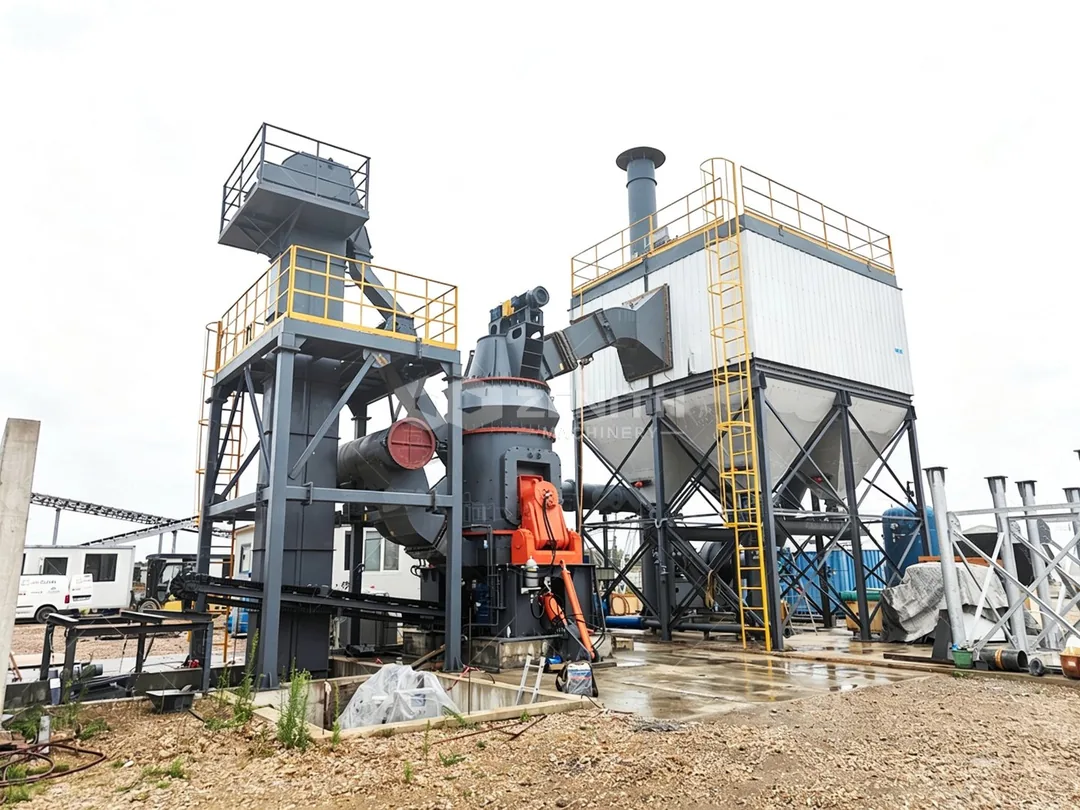
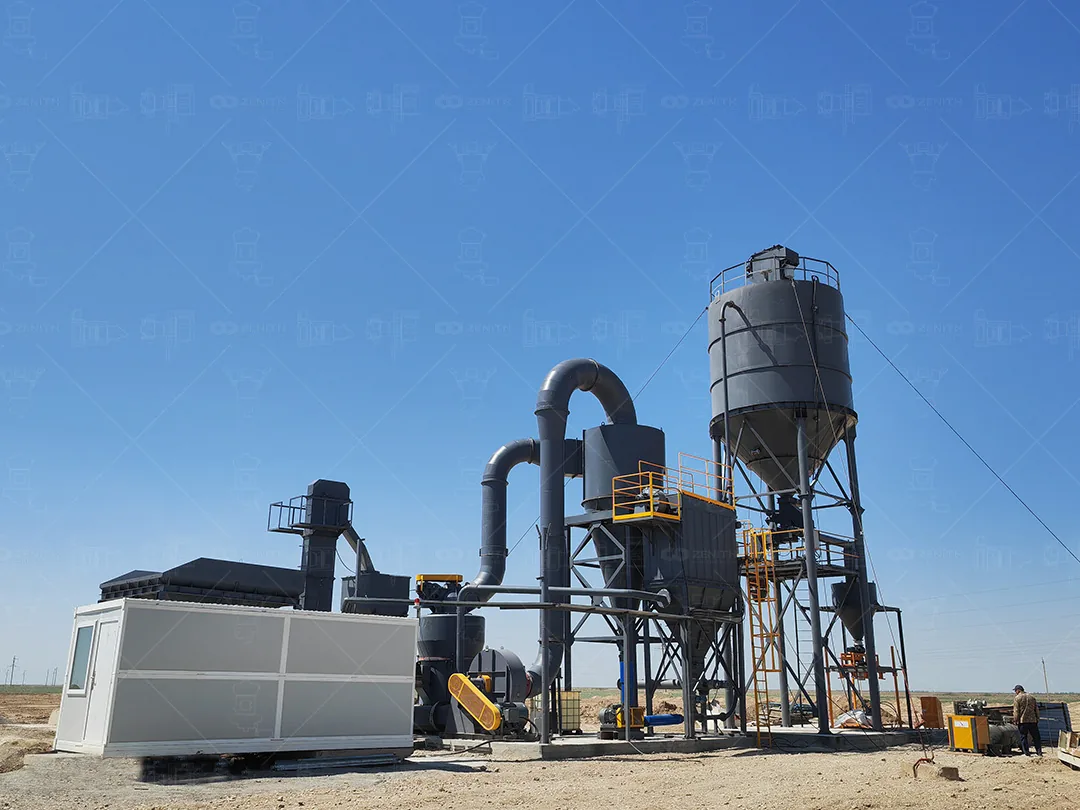
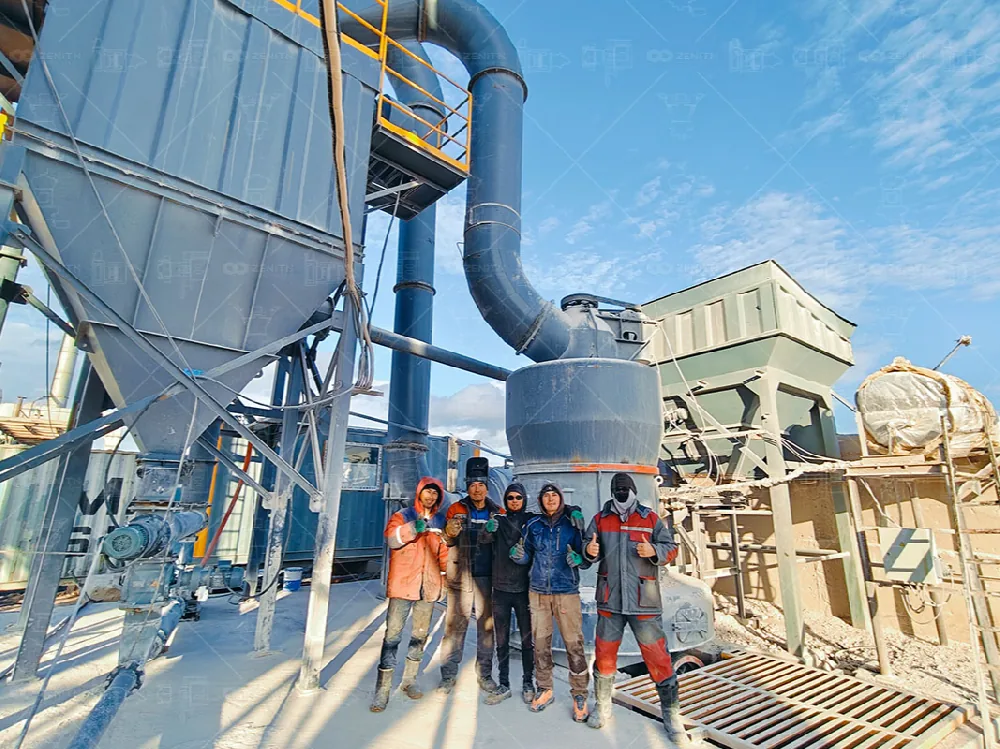
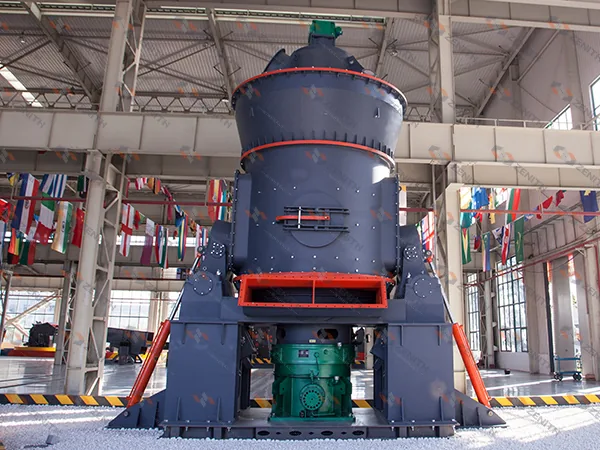
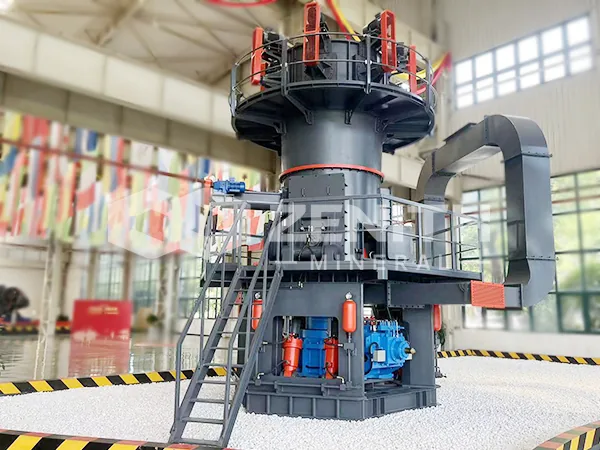
The limestone grinding project of the calcium powder plant produces finished products with a fineness of 200 mesh to 325 mesh (d90), which are used for desulfurization in power plants and steel mills.
2025-12-12 17:55:00
In the relentless pursuit of cleaner industrial emissions, flue gas desulfurization (FGD) stands as a critical technology for power plants and steel mills worldwide. At the heart of an effective wet limestone-gypsum FGD process lies a seemingly simple yet technically demanding component: finely ground limestone powder. The efficacy of the entire desulfurization reaction is profoundly influenced by the physical and chemical properties of this powder, particularly its fineness, particle size distribution, and purity. Producing a consistent, high-quality product within the crucial range of 200 to 325 mesh (with a strict d90 specification) requires not just any grinding solution, but one engineered for precision, reliability, and efficiency.
Shanghai Zenith Machinery, with its decades of specialization in industrial powder processing, understands these demands intimately. Our equipment portfolio is designed to transform raw limestone into the exacting powder specifications required for modern FGD systems. The target fineness of 200-325 mesh represents a sweet spot where the surface area of the particles is maximized for rapid dissolution and reaction with sulfur dioxide, without incurring the excessive energy costs associated with ultra-fine grinding. Achieving a consistent d90—meaning 90% of the particles are finer than the specified mesh size—is paramount for predictable and efficient scrubber operation.
_1765533300418.jpg)
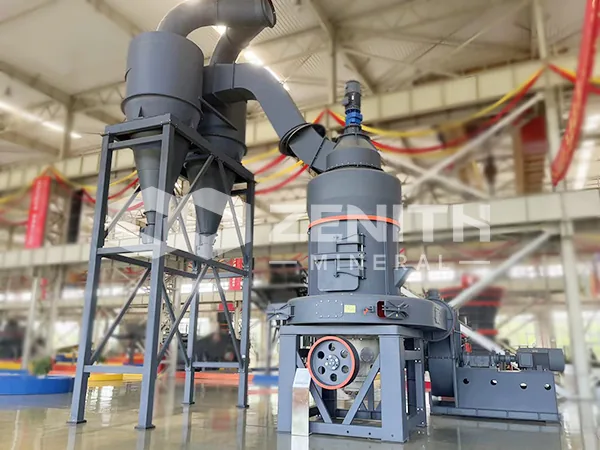
For such applications, our MTW European Trapezium Mill and MTM European Trapezium Mill are frequently the machines of choice. Both series are workhorses of mineral processing, capable of delivering outputs from 80 to 400 mesh, perfectly encompassing the FGD range. A key advantage for large-scale consumers like power plants is their remarkable energy efficiency, consuming over 60% less energy than traditional ball mills of equivalent output. This translates directly to a significant reduction in the operating cost of the desulfurization auxiliary system. Furthermore, their integrated design—from bulk material handling to finished powder collection—minimizes plant footprint and foundation investment, a crucial factor for retrofit or space-constrained projects.
The ability to fine-tune output is another critical feature. Through a modular impeller adjustment system, operators can reliably shift production between 200 mesh and 325 mesh specifications as required by different fuel sources or operational protocols, ensuring optimal reagent utilization. The high-efficiency impeller fan (with induced air efficiency up to 85%) ensures stable material circulation and classification within the mill, which is essential for achieving the tight particle size distribution demanded by the d90 standard.
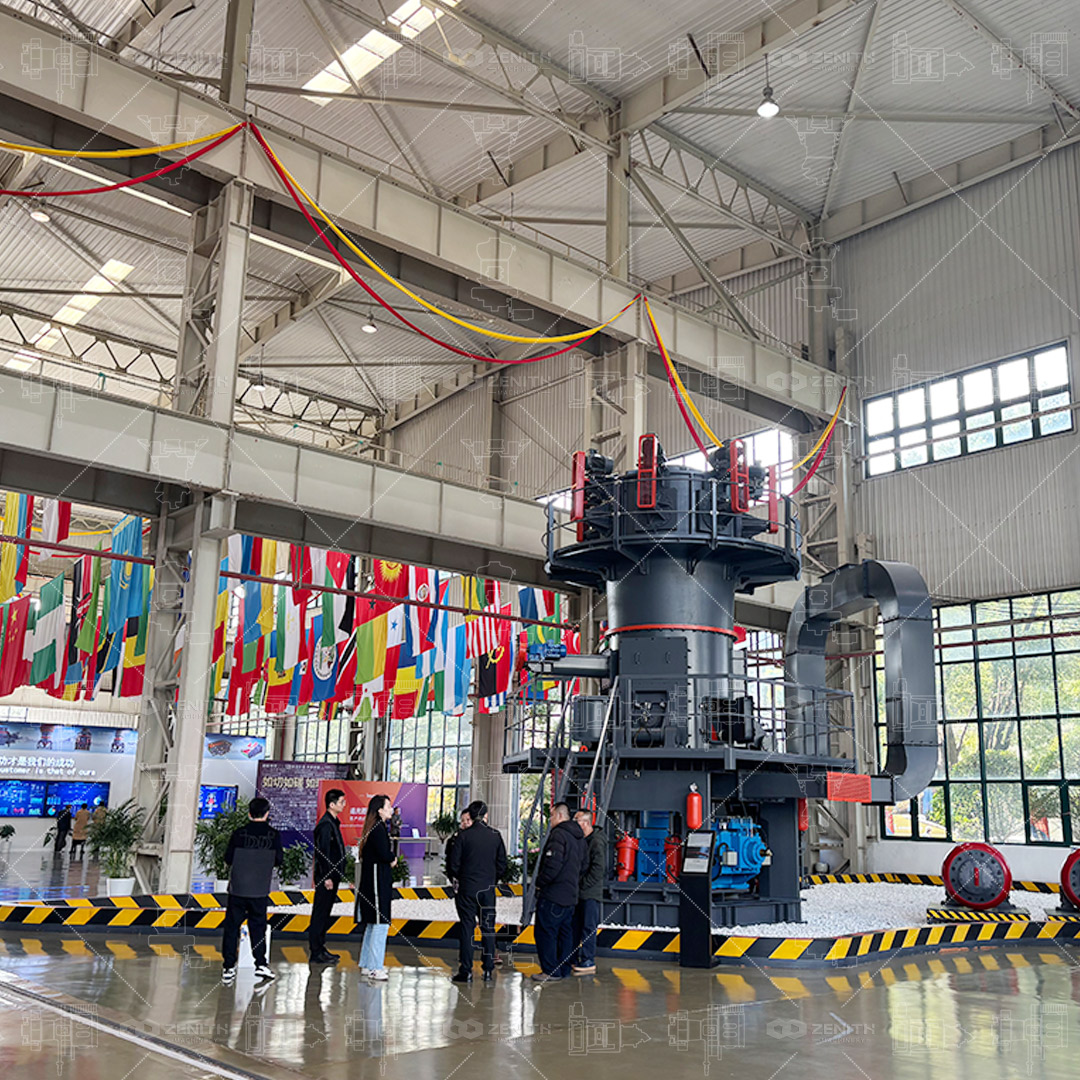
For mega-projects requiring unparalleled capacity and automation, the LM Vertical Grinding Mill presents a formidable solution. Its vertical roller mill design allows for 24-hour constant running with minimal supervision, making it ideal for base-load power stations. The system operates under negative pressure, characterized by no dust spillage and low noise, aligning perfectly with environmental and workplace safety standards. The automatic control system enables remote monitoring and adjustment, ensuring a stable supply of on-spec powder directly tied to the plant's desulfurization needs.
Beyond the grinding process itself, product purity is non-negotiable. Impurities can lead to scaling, clogging, and reduced reactivity in the scrubber. Zenith's grinding systems, particularly the LM and LUM series, are engineered to minimize iron contamination and preserve the chemical integrity of the limestone. This results in a high-purity powder that maximizes SO2 removal efficiency and produces a higher quality gypsum byproduct.
_1765533300423.jpg)
Ultimately, the success of a limestone grinding project for FGD hinges on selecting a partner with proven technology and a global understanding of industrial challenges. Zenith's equipment, backed by ISO, CE, and CU-TR certifications, and supported by a network spanning over 180 countries, provides the technological backbone for clean air compliance. By delivering precisely controlled, energy-efficient limestone powder, we empower power and steel industries to meet stringent environmental regulations while optimizing their operational economics.
Frequently Asked Questions (FAQs)
- Why is the d90 fineness specification so important for desulfurization powder?
The d90 value guarantees that 90% of the powder particles are below a specific size, ensuring a predictable and high surface area for the chemical reaction. This consistency is crucial for maintaining stable SO2 removal rates and efficient reagent consumption in the scrubber. - Can your mills handle variations in raw limestone hardness and moisture?
Yes. Our MTW, MTM, and LM series mills are designed with robust construction and adjustable operational parameters (like grinding pressure and airflow) to adapt to normal fluctuations in feedstock characteristics, ensuring stable output fineness. - How does the energy savings of over 60% compared to ball mills impact operational costs?
Grinding is an energy-intensive process. A 60% reduction in power consumption for the grinding circuit significantly lowers the overall operating expense of the FGD plant, improving the cost-effectiveness of the entire emissions control system. - What dust control measures are integrated into your grinding systems?
Our systems operate under negative or balanced pressure and are equipped with high-efficiency pulse jet bag dust collectors (or cyclone + bag combinations). This ensures the entire process meets strict environmental standards with no visible dust emission. - Do you offer automated control systems for these grinding plants?
Absolutely. We provide advanced electrical control systems that allow for local or remote monitoring and control. Key parameters like feed rate, classifier speed, and temperature can be automated for consistent quality and reduced labor costs. - What is the typical delivery and installation timeline for a complete grinding unit?
The timeline varies based on model capacity and system complexity. However, due to our modular design and extensive project experience, we work to provide efficient delivery and support installation to minimize project downtime. - Can your equipment produce powder finer than 325 mesh for other applications?
Yes. While this article focuses on the FGD range, our portfolio includes the LUM Ultrafine Vertical Mill and XZM Ultrafine Grinding Mill capable of producing powder from 400 mesh up to 3250 mesh for high-value industrial applications.