Bituminous coal mill, explosion-proof, pulverizing and drying combined
2025-12-11 17:55:23
In the demanding world of industrial mineral and fuel processing, the efficient preparation of bituminous coal presents a unique set of challenges. Operators require not just fine pulverization to optimize combustion efficiency, but also effective drying to manage inherent moisture content—all while maintaining the highest standards of operational safety, particularly concerning explosion risks. At Shanghai Zenith Machinery, we have dedicated decades of engineering expertise to developing grinding systems that master this complex trifecta: superior pulverization, integrated drying, and robust, intrinsic safety.
Our philosophy centers on creating integrated solutions. Rather than treating drying as a separate, energy-intensive pre-processing step, our advanced mill designs, such as the LM Vertical Grinding Mill and the MTW/MTM European Trapezium Mill series, seamlessly combine these functions. The core principle involves introducing controlled, hot air streams directly into the grinding chamber. As raw, sized coal feed (typically 0-35mm) enters the mill, it is simultaneously subjected to intense grinding forces and a cocurrent or countercurrent of hot gas. This immediate contact evaporates surface and inherent moisture, with the resulting vapor carried away by the system's induced airflow, leaving behind a dry, finely ground powder.
_1765446923960.jpg)
Explosion-proofing is not an afterthought but a foundational design criterion. Bituminous coal dust, when finely ground and suspended in air, forms a potentially explosive atmosphere. Zenith's mills are engineered to mitigate these risks systematically. The entire grinding and classification system operates under controlled negative pressure, preventing dust leakage into the ambient atmosphere. Critical components are designed to avoid spark generation, and the systems are equipped with explosion-relief vents or suppression systems as standard or optional safeguards. Furthermore, the high-efficiency impeller fans and precise temperature controls prevent the operational environment from reaching dangerous thresholds.
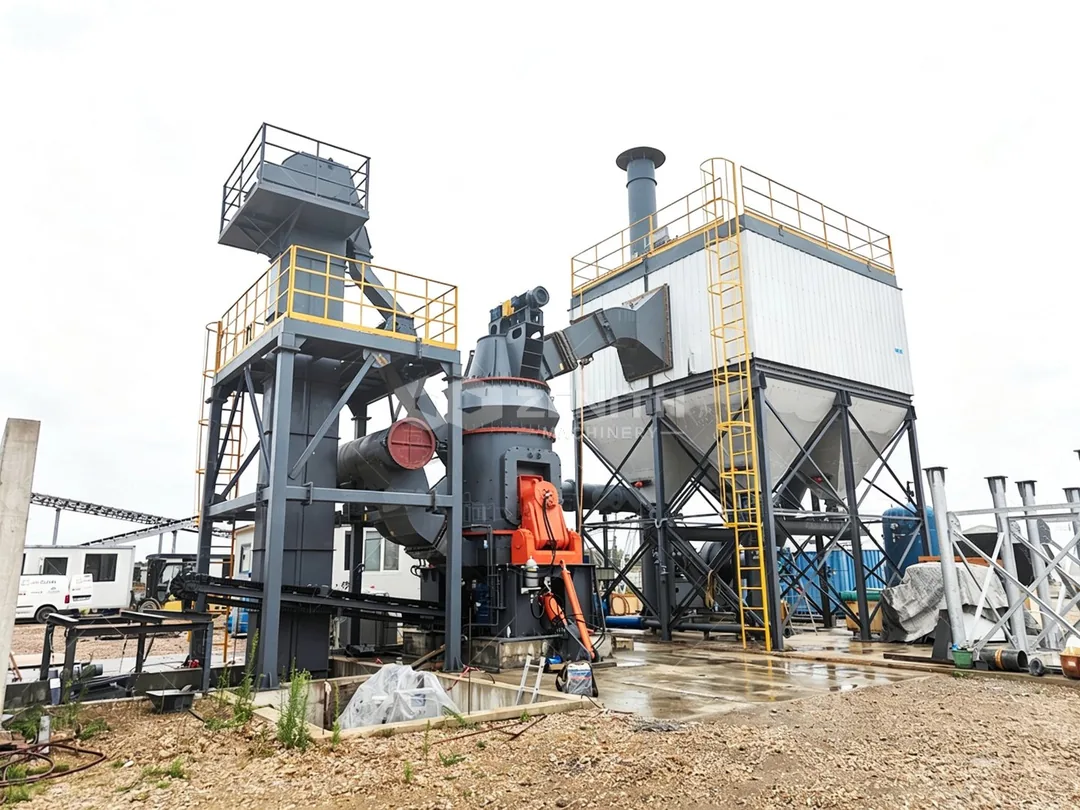
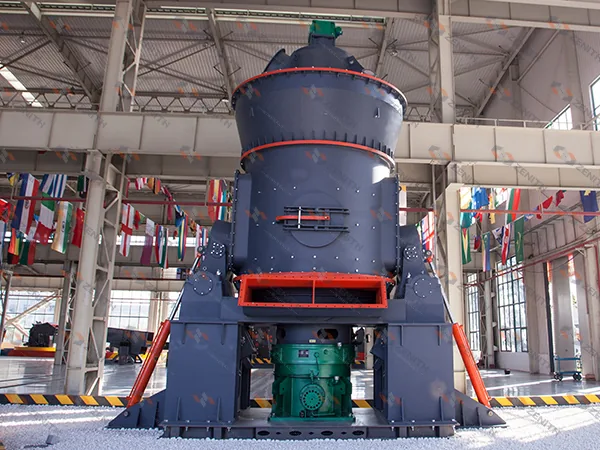
The choice of grinding platform depends on specific capacity, fineness, and plant layout requirements. For large-scale power generation or cement plant applications requiring 24/7 continuous operation and capacities up to 340 T/H, the LM Vertical Roller Mill is unparalleled. Its vertical structure, with a driven grinding disc and hydraulically loaded rollers, offers exceptional stability, low vibration, and high drying capacity due to direct contact with hot air on the grinding bed. The compact footprint, approximately 50% of an equivalent ball mill system, allows for significant savings in civil construction costs.
_1765446923963.jpg)
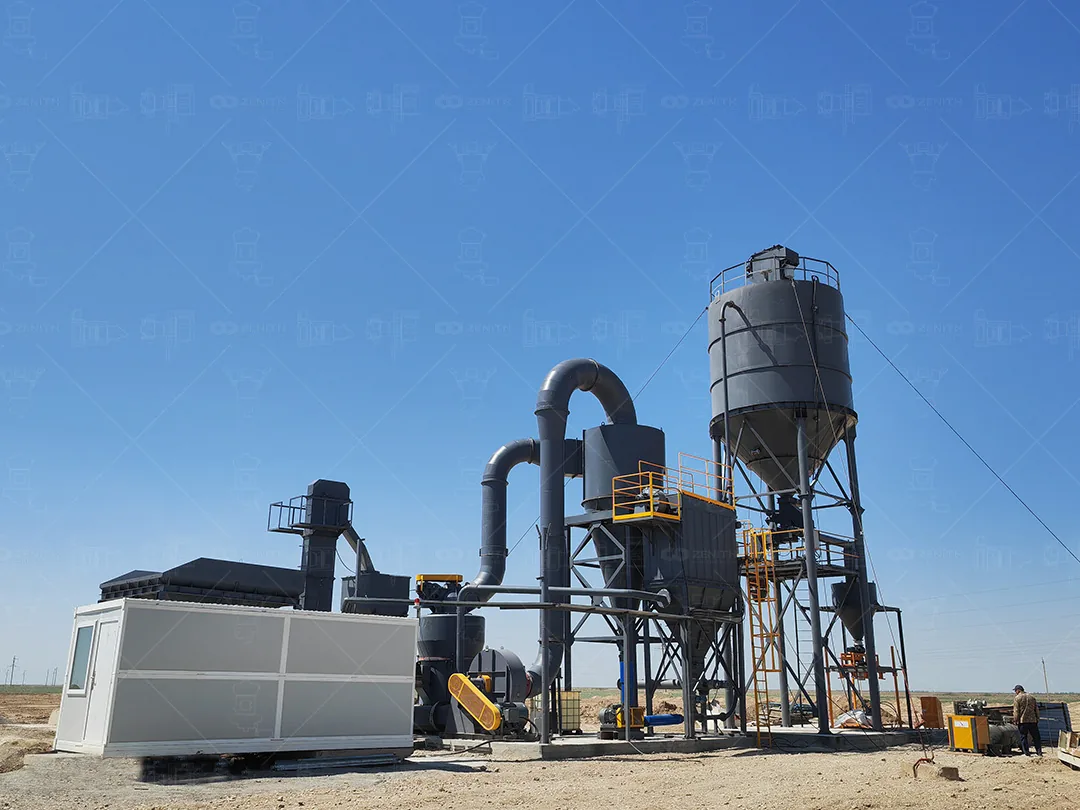
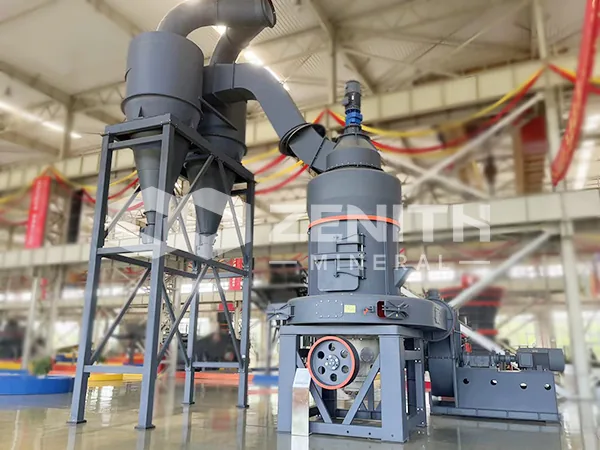
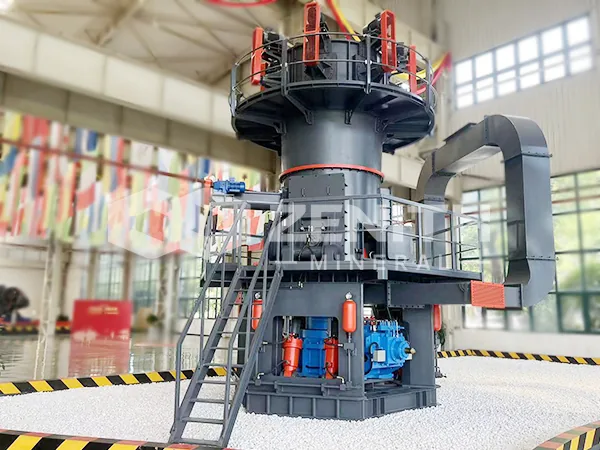
For producing fine coal powder in the 80-400 mesh range with exceptional energy efficiency, the MTW European Trapezium Mill series stands out. Its curved air duct and high-efficiency impeller fan achieve an induced air efficiency of 85%, crucial for both drying and safe dust transport. The modular impeller adjustment device allows operators to easily change product fineness without stopping production. Crucially, under ideal conditions, its energy consumption is over 60% lower than a traditional ball mill of the same grade—a decisive factor in reducing the total cost of ownership.
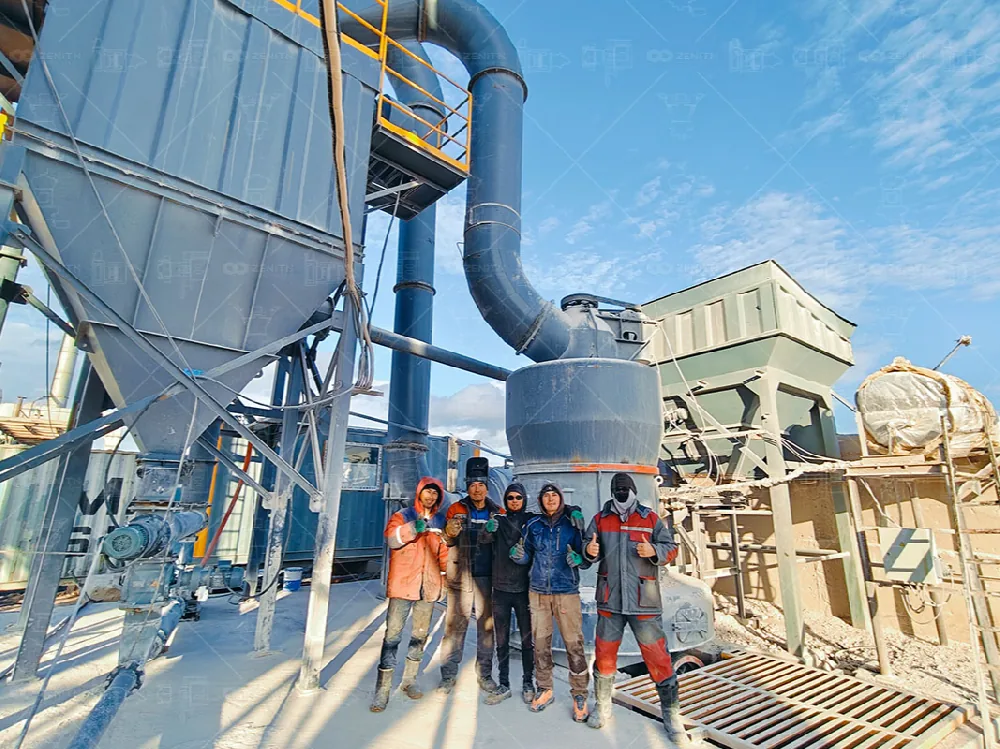
Beyond the core mill, Zenith provides a complete, self-contained system. From the variable-frequency belt feeder that ensures steady material flow, to the high-efficiency powder selector (classifier) that guarantees precise particle size distribution, and finally to the pulse-jet baghouse dust collector that ensures emissions meet stringent international environmental standards. Every subsystem is designed to contribute to the safe, efficient, and clean operation of the whole. Our equipment carries ISO, CE, and CU-TR certifications, a testament to their global compliance and quality.
_1765446923964.jpg)
Ultimately, the goal is to deliver a reliable, safe, and profitable process. Whether it's preparing pulverized coal injection (PCI) for blast furnaces, fuel for rotary kilns, or feedstock for coal-fired boilers, Zenith's bituminous coal mills transform a raw, variable fuel into a consistent, high-reactivity powder. By integrating drying directly into a grinding process housed within an explosion-proof design framework, we eliminate process bottlenecks, slash energy costs, and provide operators with the peace of mind that comes from industry-leading safety engineering. This holistic approach is why our grinding solutions are trusted in over 180 countries and regions worldwide.
Frequently Asked Questions (FAQs)
- What is the typical moisture content your combined grinding and drying system can handle for bituminous coal?
Our LM and MTW/MTM mill systems are designed to effectively dry coal with initial moisture content typically up to 10-15%. The hot air inlet temperature and flow rate are adjustable to suit specific moisture levels and desired final product dryness. - How is the explosion-proof safety specifically implemented in the mill design?
Safety is multi-layered: operation under negative pressure prevents dust escape; construction materials and designs minimize spark risks; inert gas injection ports can be provided; and explosion relief valves or suppression systems are integrated to safely vent pressure in the unlikely event of an ignition. - What is the main difference between choosing an LM Vertical Mill and an MTW Trapezium Mill for coal?
The LM Vertical Mill is ideal for very large capacities (up to 340 T/H), 24/7 operation, and has a smaller footprint. The MTW Mill offers exceptional energy efficiency for fine powder production (80-400 mesh) and easier fineness adjustment. The choice depends on required capacity, plant layout, and product specification. - Can your system achieve the very fine fineness required for modern low-NOx burners?
Yes. While our MTW and LM mills excel in the 80-400 mesh range, for ultra-fine requirements, our XZM Ultrafine Grinding Mill or LUM Ultrafine Vertical Mill can produce powder from 325 mesh up to 2500 mesh, suitable for advanced combustion technologies. - What kind of after-sales support and spare parts availability do you offer globally?
With overseas offices in over 30 countries and a network covering 180+ regions, we provide localized technical support, installation supervision, and operator training. A global supply chain ensures timely delivery of high-wear parts like grinding rollers and liner plates. - How does the energy consumption compare to a traditional ball mill system?
Our advanced mill designs are significantly more efficient. The MTW/MTM and LM series consume over 60% less energy than a ball mill of equivalent output and fineness, primarily due to their focused grinding mechanism and efficient air systems. - Is the system automated, and what level of operational manpower is required?
Our mills feature intelligent control systems allowing for remote monitoring and operation, automatic feeding and fineness adjustment, and fault diagnosis. This enables largely unmanned operation in the mill area, significantly reducing labor costs and human exposure to the operational environment.