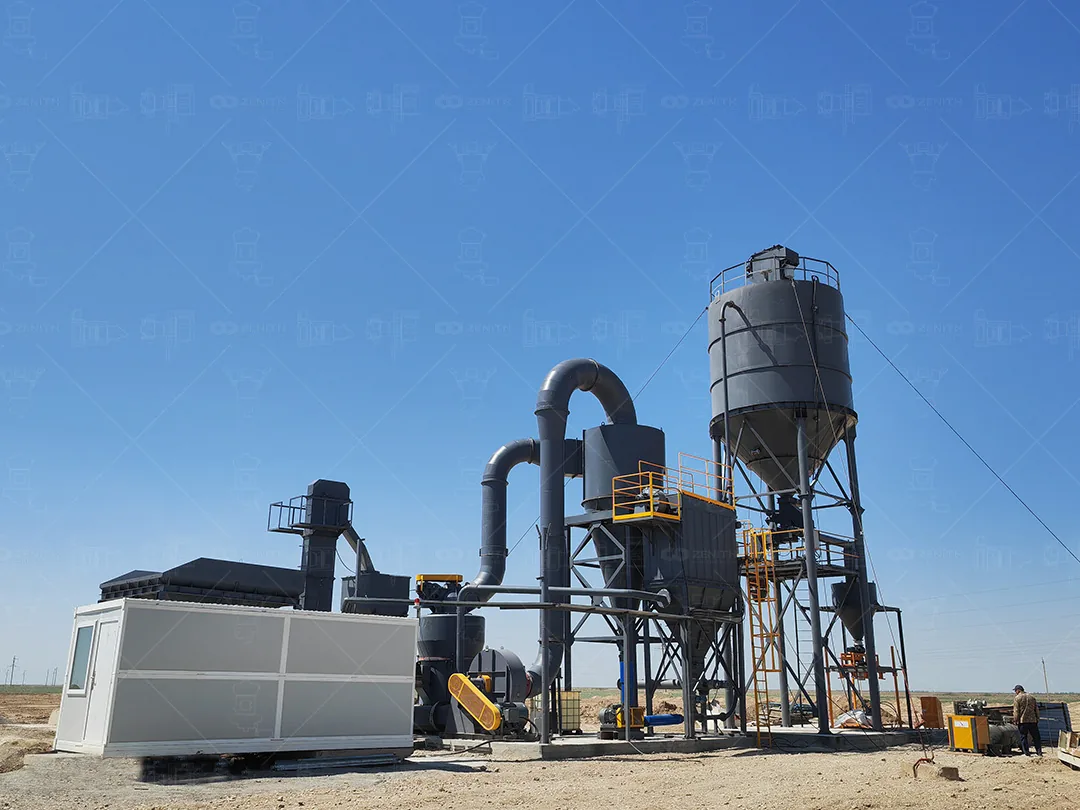
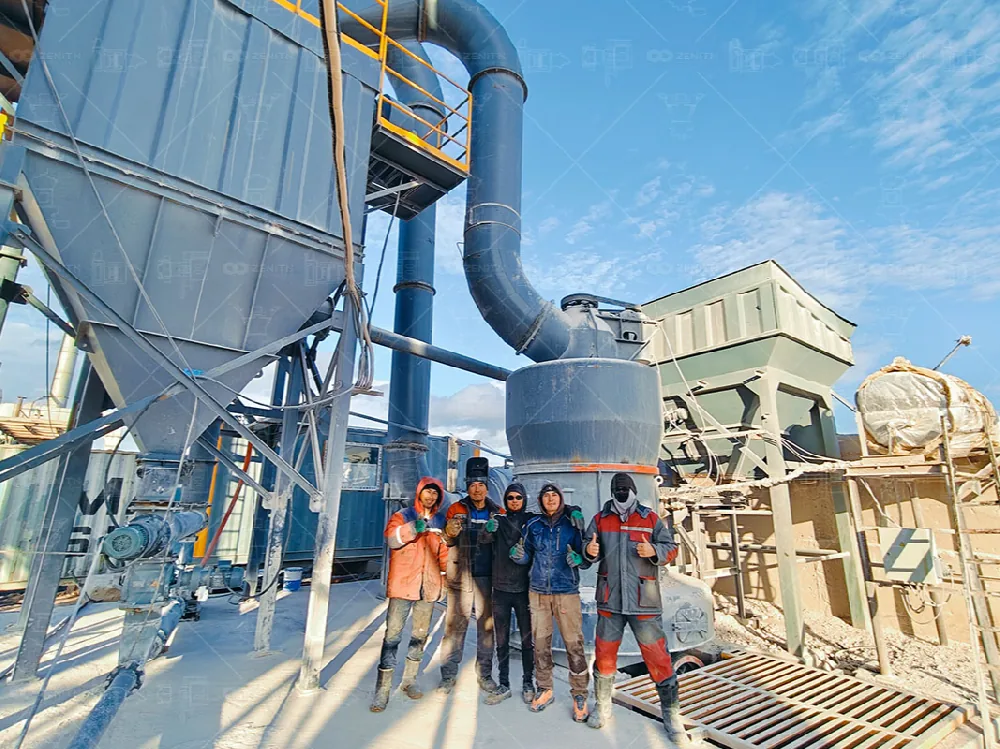
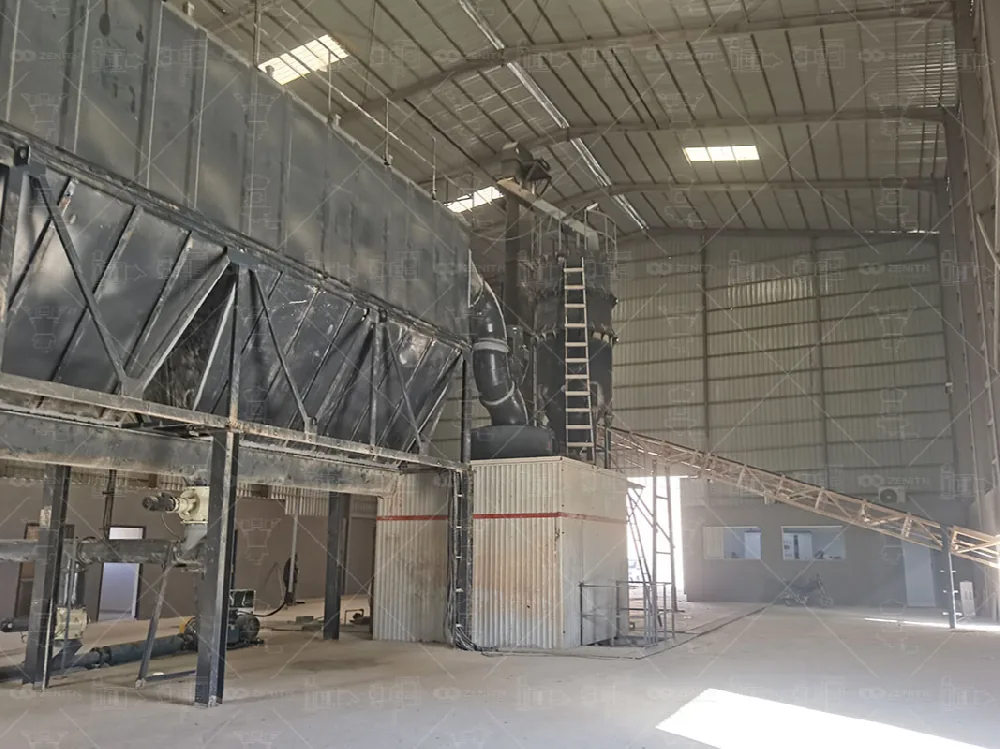
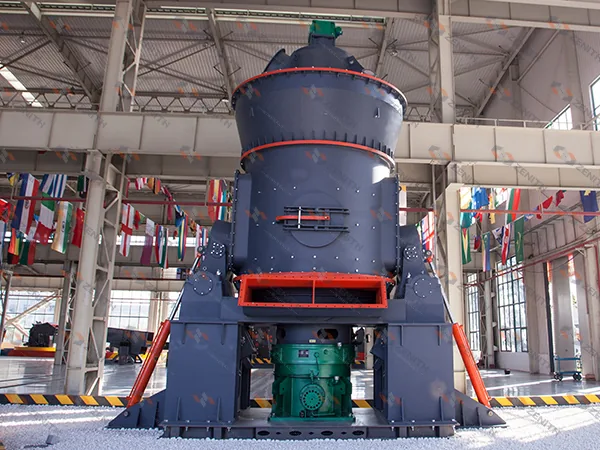
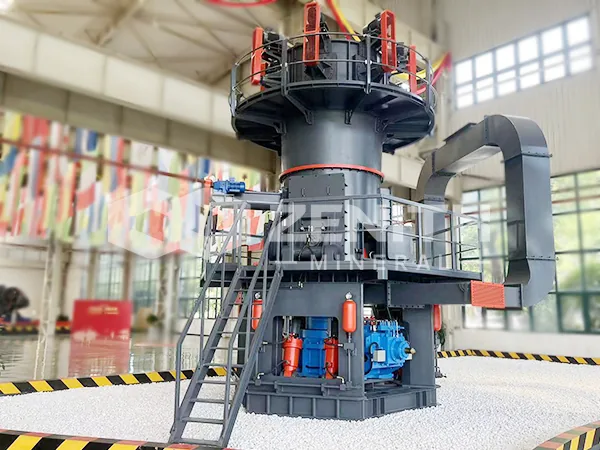
The lm vertical mill processes bauxite to a fineness of 200 mesh, with a yield of 4.5 tons per day.
2025-12-11 00:56:08
In the demanding world of mineral processing, achieving consistent product fineness while maintaining targeted throughput is a critical benchmark for operational success. A recent application highlights this perfectly: the processing of bauxite to a precise fineness of 200 mesh with a steady yield of 4.5 tons per day. This performance is not a matter of chance but is engineered through the advanced capabilities of modern vertical roller mill technology, specifically models like the LM series from industry leaders such as Zenith.
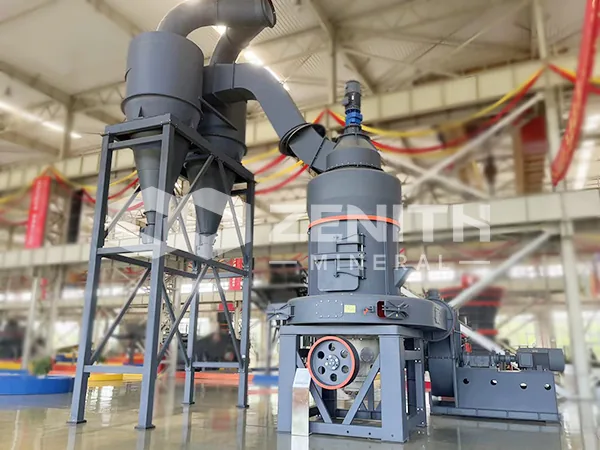
Bauxite, as the primary ore of aluminum, requires fine grinding to increase the surface area for subsequent chemical processing. The target of 200 mesh (approximately 74 microns) represents a standard yet demanding specification for many metallurgical and industrial applications. Reaching this fineness efficiently and reliably is where the design philosophy of the LM Vertical Grinding Mill proves its worth. Unlike traditional ball mills, the LM mill utilizes a bed-compression grinding principle. Material is fed onto a rotating grinding table and is crushed by hydraulically loaded rollers. This method promotes inter-particle crushing, leading to a more uniform particle size distribution with significantly lower energy consumption—often cited as over 60% lower than comparable ball mill systems.
_1765385768698.jpg)
The reported output of 4.5 tons per day aligns with the flexible capacity range of LM mills, which can scale from 3 to 340 tons per hour depending on the model and configuration. This specific yield demonstrates the system's ability to be finely tuned for medium-scale, high-precision production runs. Key to this achievement is the mill's integrated dynamic classifier. This component allows for real-time adjustment of the separation process, ensuring that only particles meeting the 200-mesh specification proceed to the final collection cyclones. Coarser particles are efficiently recirculated back to the grinding table for further size reduction, creating a closed-loop system that maximizes yield and minimizes waste.
From an operational standpoint, the LM Vertical Mill offers distinct advantages that contribute directly to such stable performance. Its compact, integrated design reduces the plant's footprint by up to 50% compared to ball mill circuits, lowering civil construction costs. Furthermore, the fully sealed system operating under negative pressure is a game-changer for material purity and environmental compliance. For a material like bauxite, where contamination must be minimized, this sealed grinding chamber prevents dust spillage and protects the product quality. The high degree of automation, with capabilities for remote monitoring and control, ensures the 24/7 constant running needed to hit a daily production target reliably, with minimal manual intervention and lower labor costs.
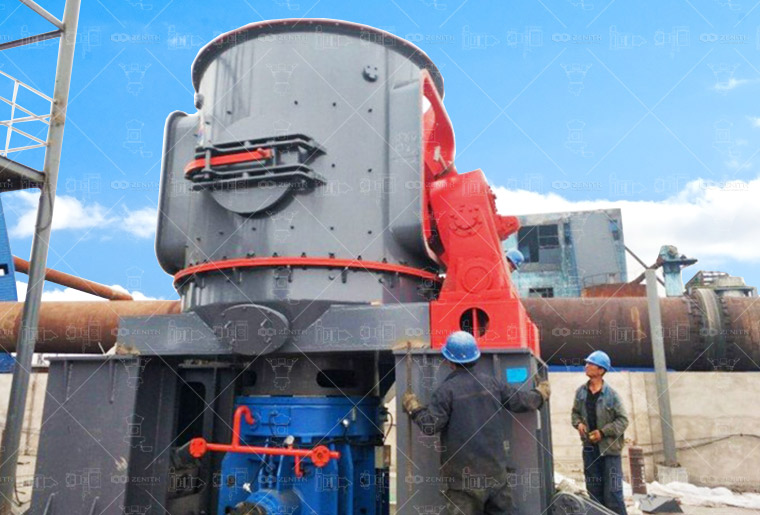
When evaluating grinding solutions, it's instructive to compare the LM series with other technologies in a portfolio. For instance, the MTW and MTM European Trapezium Mills are excellent for fine powder production in the 80-400 mesh range and are renowned for their stability and lower investment cost. However, for applications requiring the highest capacity, full automation, and the ability to handle larger feed sizes (up to 70mm for the LM mill), the vertical roller mill often takes precedence. For ultrafine requirements beyond 400 mesh, technologies like the LUM or XZM Ultrafine Mills would be selected. The specific case of bauxite at 200 mesh sits perfectly within the LM mill's core competency, balancing throughput, fineness control, and operational economy.
The success of this bauxite processing setup underscores a broader trend in the industry: the shift towards vertical roller mills for mineral grinding. Their inherent energy efficiency directly addresses rising power costs, while their environmental profile meets increasingly stringent regulations. The 4.5-ton-per-day yield at 200 mesh is more than just a data point; it is a testament to a system engineered for precision, reliability, and total cost-effectiveness. For operations looking to optimize their mineral processing lines, the demonstrated capabilities of the LM Vertical Mill provide a compelling and proven blueprint.
_1765385768702.jpg)
Frequently Asked Questions (FAQs)
- What are the main advantages of an LM Vertical Mill over a traditional ball mill for bauxite grinding?
The LM Vertical Mill offers significantly higher energy efficiency (over 60% lower consumption), a more compact footprint, superior product purity due to its sealed system, and a higher degree of automation for stable, continuous operation. - Can the LM Vertical Mill achieve fineness levels other than 200 mesh?
Yes. The LM series is highly versatile, with an output range typically from 80 to 400 mesh. The fineness is easily adjustable through the integrated dynamic classifier and mill operational parameters. - How does the system ensure consistent product quality and fineness?
Consistency is maintained through the closed-loop grinding and classifying process. The dynamic classifier continuously separates fine product from coarse material, which is returned for regrinding. Automated controls monitor and adjust key variables in real-time. - Is the LM mill suitable for other materials besides bauxite?
Absolutely. LM Vertical Mills are widely used for grinding cement raw materials, clinker, slag (GGBS), coal, and various other non-metallic minerals requiring medium to large-scale, high-capacity processing. - What kind of daily maintenance does the LM Vertical Mill require?
Maintenance is simplified due to its robust design. Key tasks include regular inspection of grinding rollers and table liners, lubrication of the gearbox, and checking the hydraulic system. The mill allows for servicing individual rollers while the mill is running, minimizing downtime. - How is dust control managed during the grinding operation?
The entire mill operates under negative pressure. Any airborne dust is drawn into the process airflow and efficiently captured by a high-efficiency pulse bag dust collector or cyclone system, ensuring a clean working environment and meeting environmental standards. - What is the expected service life of the grinding components?
Wear parts like grinding rollers and tables are made from high-quality, abrasion-resistant materials. Their service life depends on material abrasiveness but is designed for thousands of hours of operation, with easy replacement procedures to extend the mill's overall lifespan.