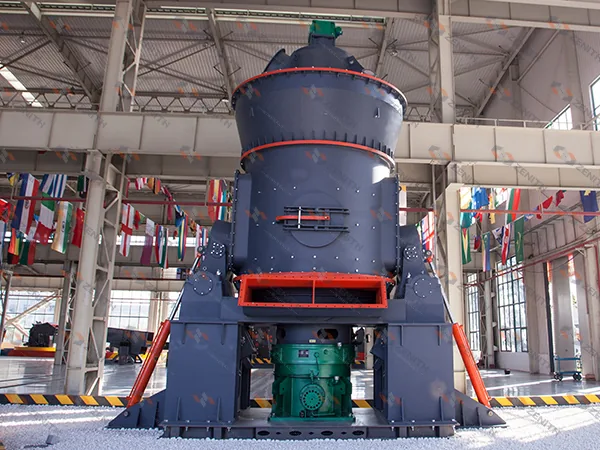
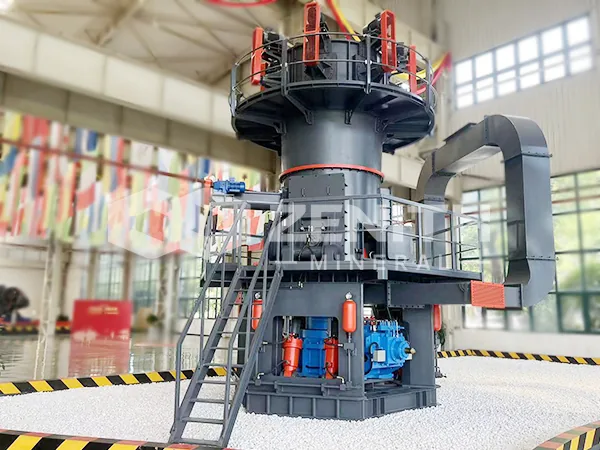
A spinel grinding mill with a capacity of 2 tph and a finished product fineness of 200 mesh (d95) is used for refractory materials.
2025-12-10 17:55:09
In the demanding world of refractory material manufacturing, achieving consistent product quality with precise particle size distribution is not just a goal—it's a fundamental requirement for performance. The processing of spinel, a critical high-temperature ceramic material, presents a unique set of challenges. It requires grinding equipment that can deliver a specific, uniform fineness—often around 200 mesh (D95)—while maintaining a reliable throughput to meet production schedules. For a target capacity of 2 tons per hour (TPH) at this fineness, selecting the right milling technology is paramount to operational efficiency, product integrity, and overall cost-effectiveness.
Shanghai Zenith Machinery, with its deep-rooted expertise in industrial powder processing, understands these challenges intimately. Our engineering philosophy centers on providing tailored solutions that bridge the gap between theoretical specifications and real-world production floors. While our portfolio encompasses a wide range of grinding technologies—from coarse powder hammer mills to ultra-fine vertical mills—the specific application dictates the optimal choice. For refractory-grade spinel grinding, stability, precision, and energy efficiency are the non-negotiable pillars of an effective system.
_1765360509049.jpg)
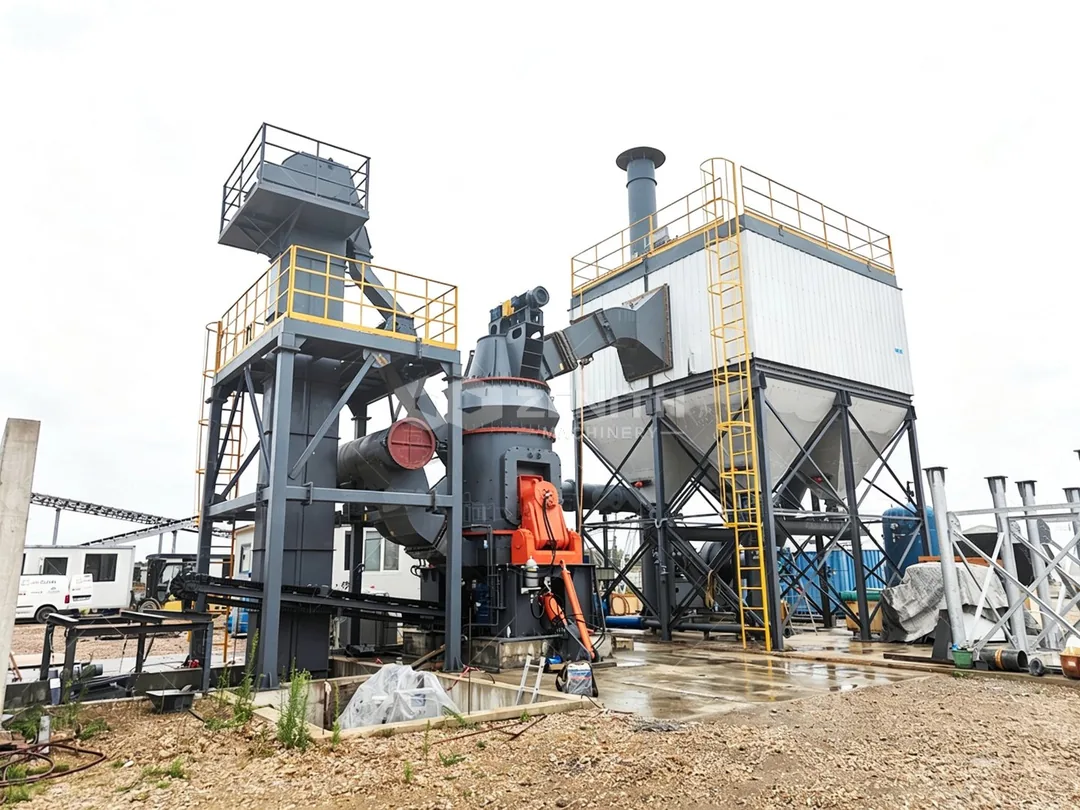
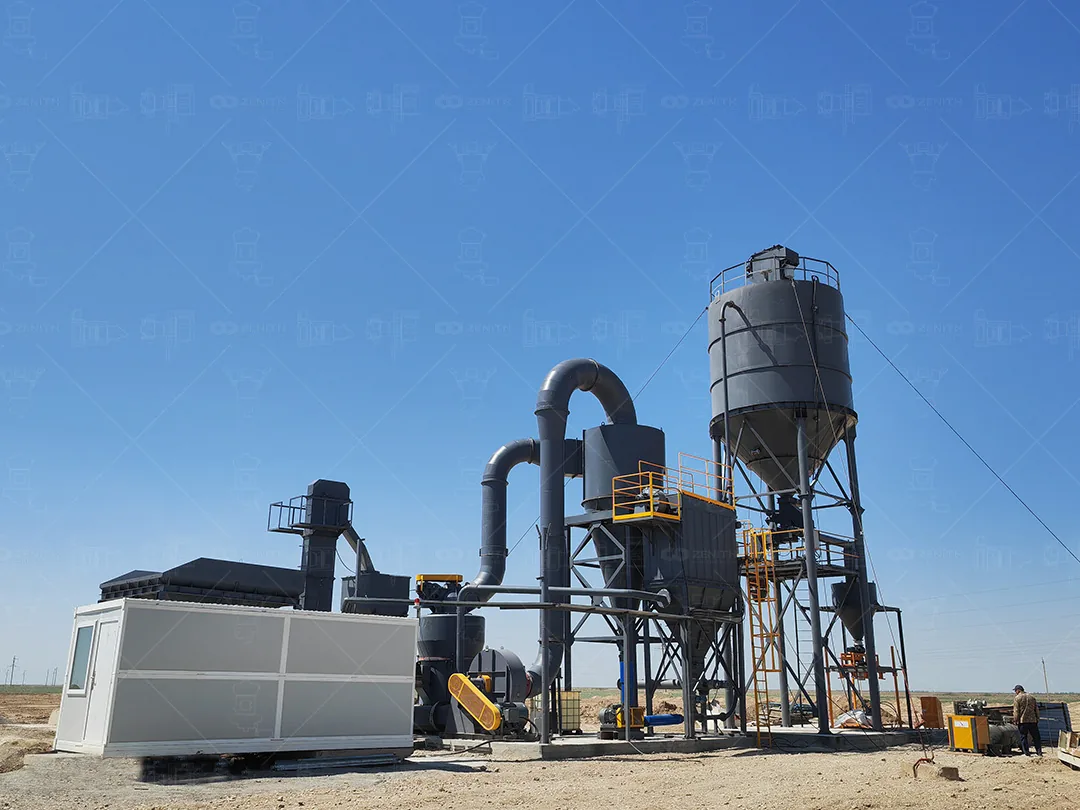
For a 2 TPH, 200 mesh application, our MTW European Trapezium Mill emerges as a highly compelling solution. This mill is engineered for robust, stable performance in producing fine powders within the 30-325 mesh range. Its design incorporates a highly efficient impeller fan, boosting air induction efficiency to 85%, which is crucial for effective material classification and consistent fineness control. The modular impeller adjustment device allows operators to fine-tune the output to hit the exact 200 mesh (D95) target without complex mechanical overhauls. Furthermore, its integrated production system—from bulk material feeding to finished powder collection—minimizes plant footprint and foundational investment, a significant advantage for expanding or upgrading production lines.
An equally proven workhorse for such applications is our MTM European Trapezium Mill. Built on over three decades of practical refinement, the MTM series is renowned for its adaptability and reliability in producing 80-400 mesh mineral powders. Its energy consumption is demonstrably over 60% lower than a traditional ball mill of equivalent output, translating directly into substantial operational cost savings. For refractory material producers, this efficiency does not come at the expense of performance. The mill's stable grinding curve and effective classification ensure the spinel powder meets strict fineness specifications batch after batch.
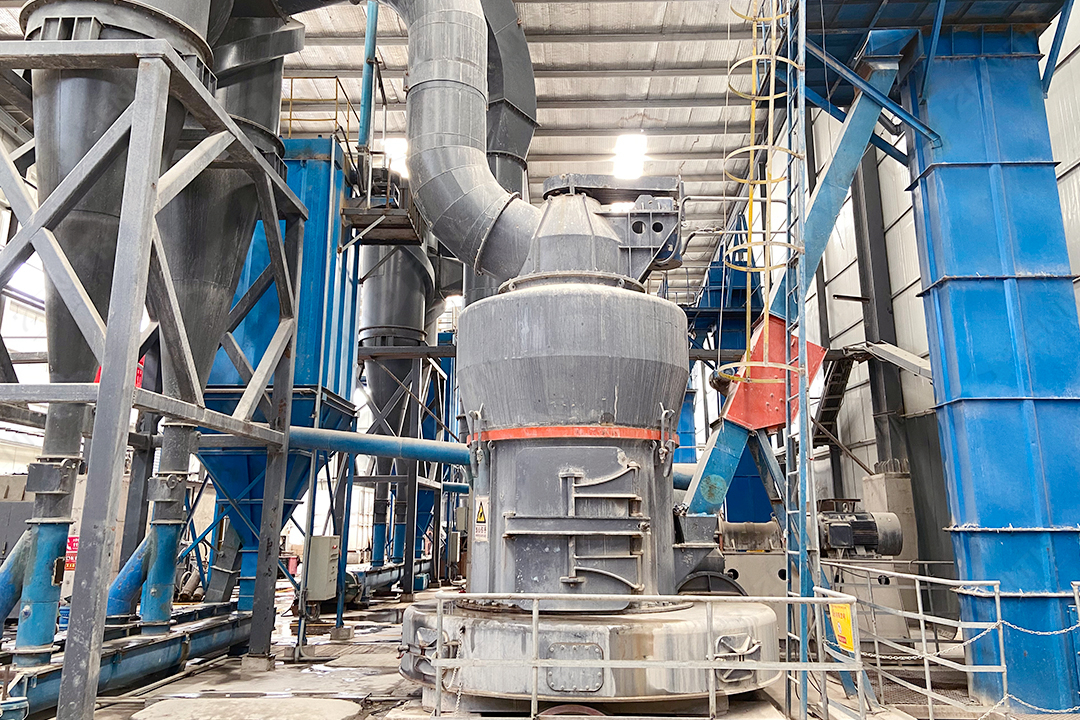
Beyond the trapezium mill series, our LM Vertical Grinding Mill offers a distinct set of advantages for operations prioritizing automation and space savings. With a capacity range that comfortably accommodates 2 TPH, the LM mill operates with a high degree of automation, allowing for remote monitoring and control—key for consistent quality in 24/7 production environments. Its sealed, negative-pressure operation ensures a dust-free workshop, aligning with stringent environmental and workplace safety standards common in modern industrial settings. The compact design reduces the floor area by approximately 50% compared to a ball mill system.
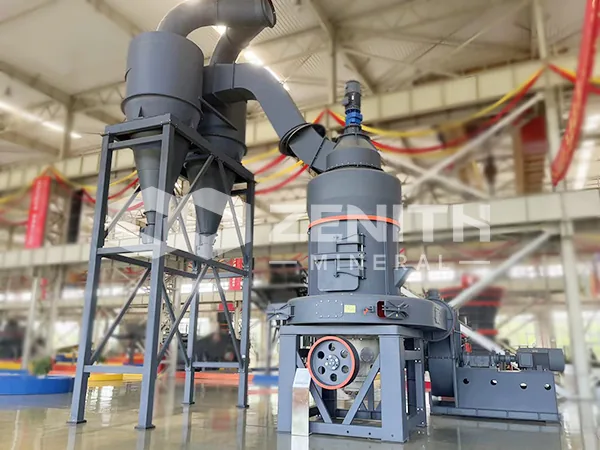
The grinding principle is central to performance. In our advanced mills, the process is a continuous cycle of precision. Crushed spinel is fed into the grinding chamber. In the MTW/MTM series, rollers rotate against a stationary ring, pulverizing the material. The resulting powder is carried by an induced air stream to an integrated classifier. Here, particles meeting the 200-mesh specification are separated and conveyed to the cyclone collector as finished product. Oversized particles are rejected by the classifier's rotating blades and returned to the grinding chamber for further size reduction. This closed-loop system ensures high classification accuracy and optimal energy use.
_1765360509055.jpg)
Choosing Zenith means more than just acquiring a machine; it's partnering with a global leader whose equipment carries ISO, CE, and CU-TR certifications, guaranteeing international standards of quality and safety. Our devices are engineered for durability, with critical components made from high-quality, wear-resistant materials to withstand the abrasive nature of refractory minerals. This focus on robust construction and intelligent design minimizes downtime and extends the equipment's service life, maximizing your return on investment.
In conclusion, for the specific task of grinding spinel to 2 TPH at 200 mesh (D95), Zenith's MTW or MTM European Trapezium Mills provide an optimal balance of precision, efficiency, and reliability. They transform the challenging requirement of refractory material preparation into a streamlined, controllable, and economical process, forming the reliable heart of a high-quality production line.
Frequently Asked Questions (FAQs)
- What is the main advantage of using an MTW Mill over a traditional ball mill for spinel grinding?
The primary advantage is energy efficiency. The MTW European Trapezium Mill consumes over 60% less energy than a ball mill of comparable output for fine powder production (like 200 mesh), leading to significantly lower operating costs. - Can the fineness of the final product be adjusted after the mill is installed?
Yes, absolutely. Both the MTW and MTM series feature a modular impeller adjustment device in the classifier. By changing or adjusting the impellers, the product fineness can be modified within the mill's range (e.g., 80-400 mesh) to meet different specifications without major system changes. - How does the mill system ensure environmental compliance, particularly with dust?
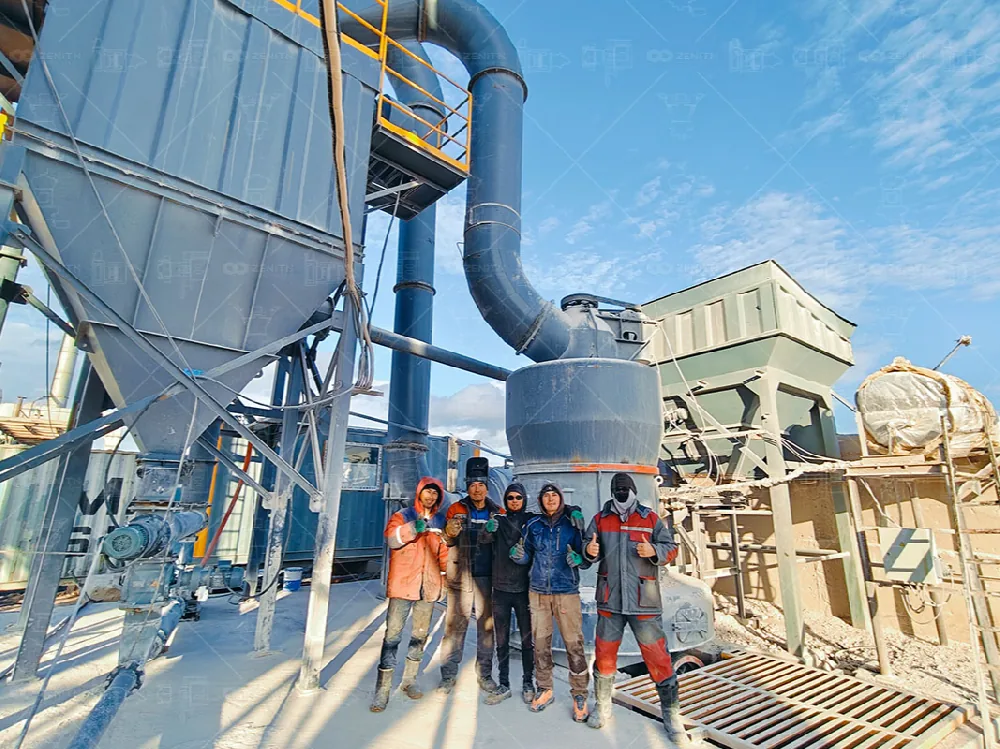
The grinding system operates under negative pressure, preventing dust leakage. Furthermore, it is equipped with an efficient pulse jet bag dust collector as the final filtration stage, ensuring the exhaust meets strict national and international environmental protection standards. - Is the 2 TPH capacity for 200 mesh output guaranteed?
The stated capacity is based on standard testing conditions with materials of specific hardness and moisture content. Zenith provides comprehensive support to test customer material samples to confirm the achievable capacity and fineness before finalizing equipment selection. - What kind of after-sales support and service does Zenith offer globally?
With overseas offices in over 30 countries and a network covering 180+ regions, Zenith provides localized technical support, installation guidance, operator training, and readily available spare parts services to ensure continuous and optimal operation of the equipment. - Are these mills suitable for other refractory materials besides spinel?
Yes. Our grinding mills are highly adaptable and are successfully used for various refractory raw materials such as bauxite, fused alumina, magnesia, and zircon sand, producing powders within similar fineness ranges. - How automated is the operation of the recommended grinding mill?
The mills can be equipped with advanced automatic control systems. This allows for remote start/stop, real-time monitoring of key parameters (pressure, temperature, fineness), and automatic feeding control, enabling labor-free operation in the main workshop.