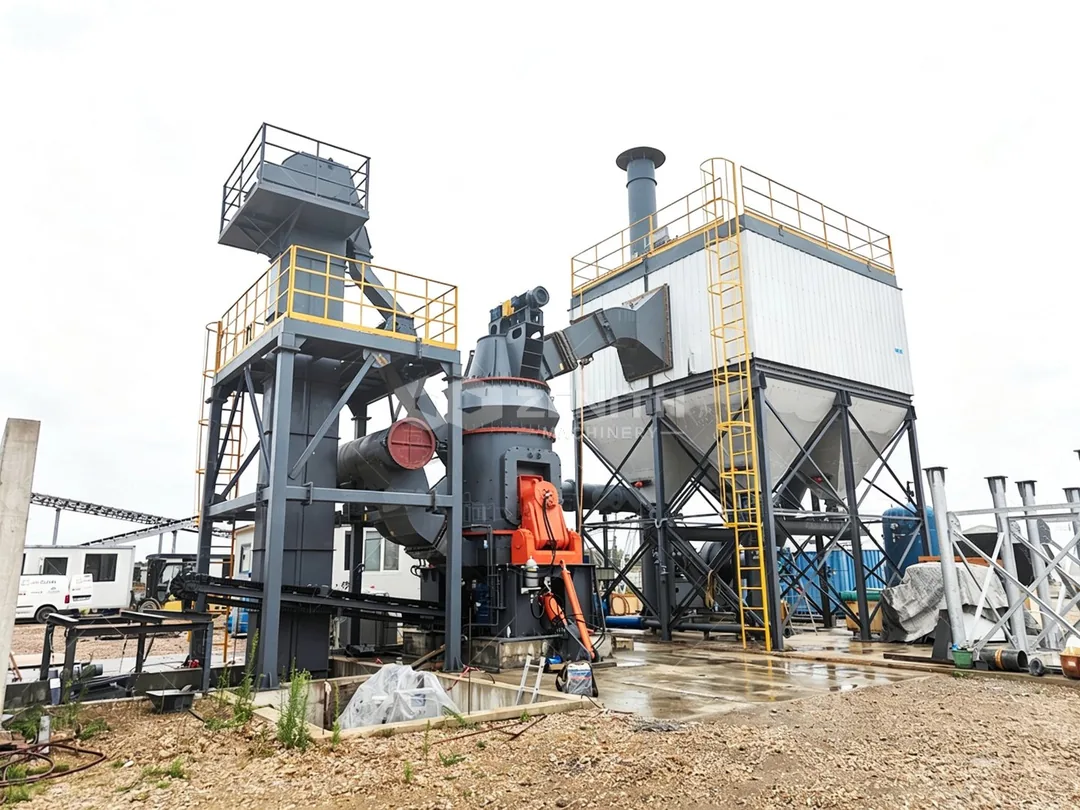
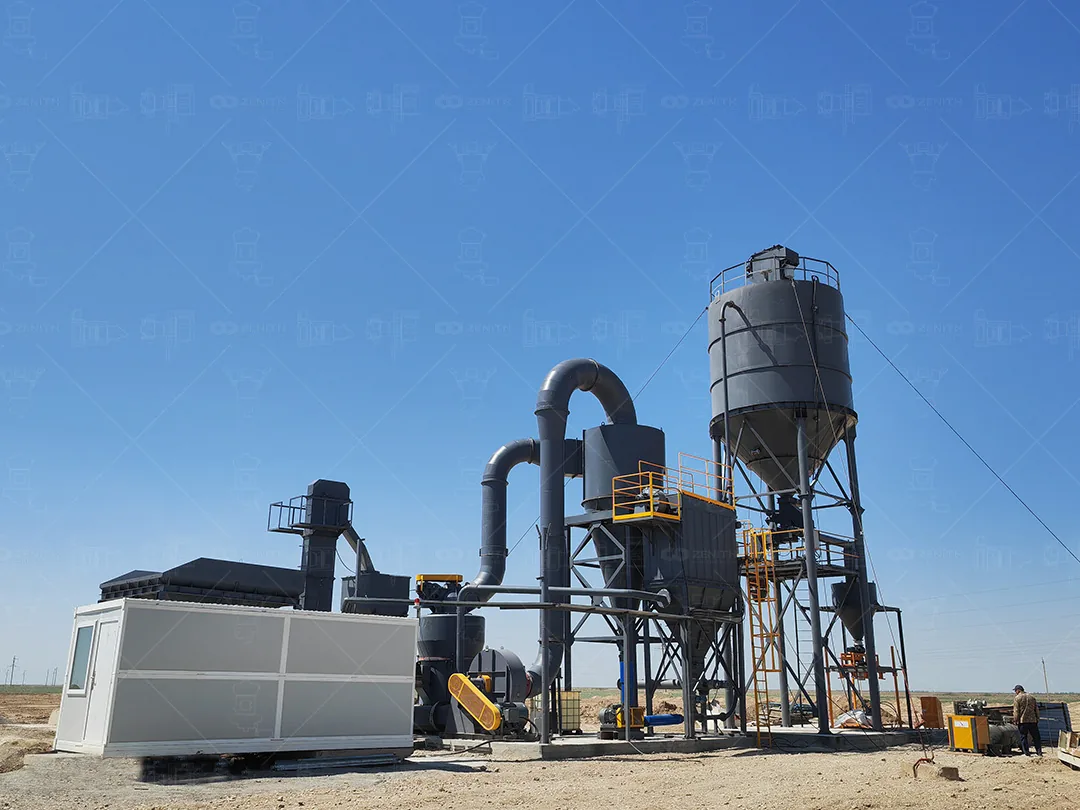
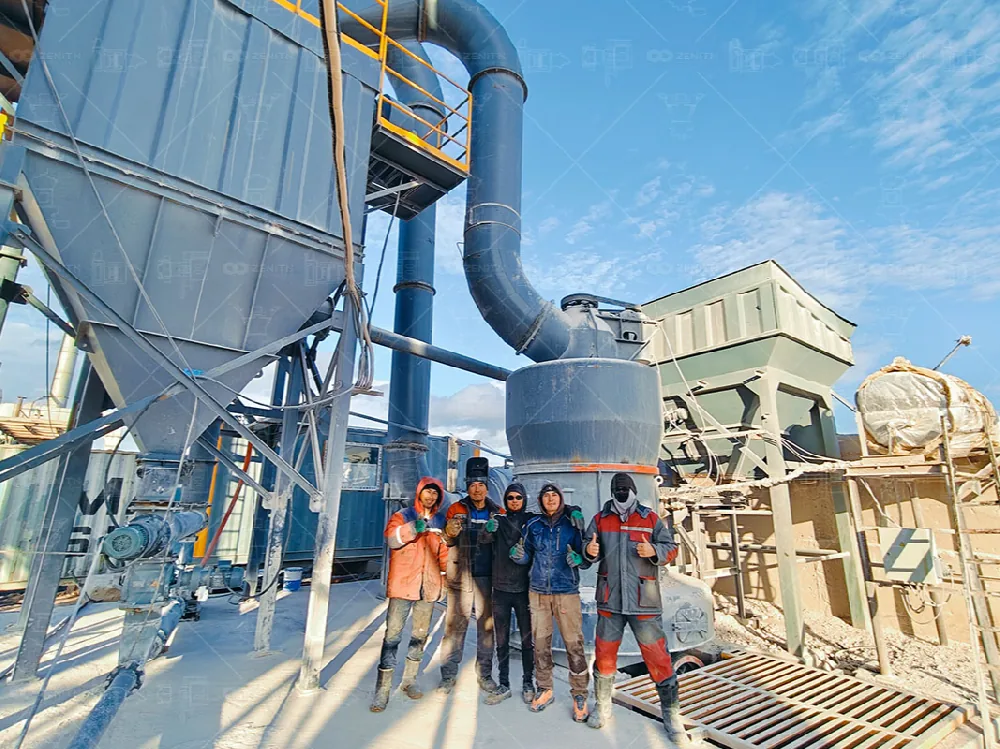
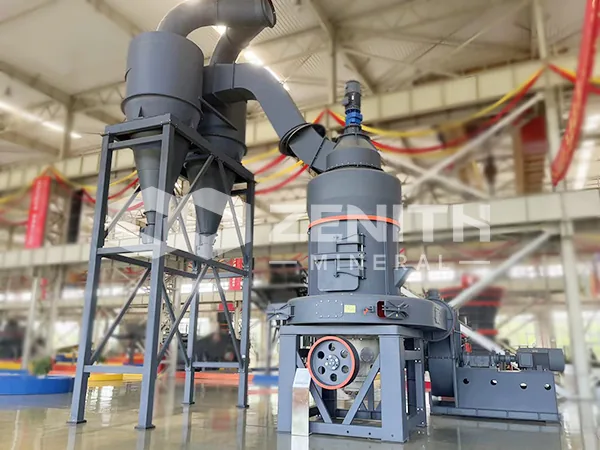
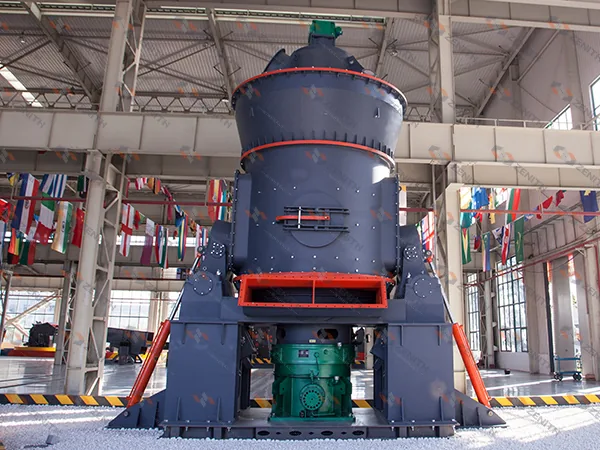
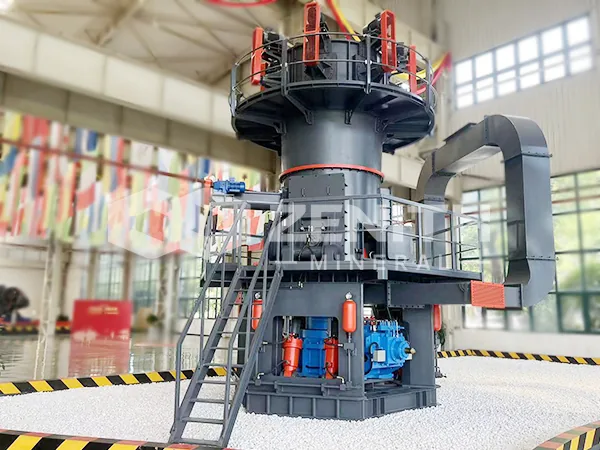
Calcinated coke powder production project using lm vertical roller mill, finished product fineness 200 mesh, finished product application: prebaked anode.
2025-12-10 00:56:31
In the highly specialized field of prebaked anode production for the aluminum industry, the quality of calcined coke powder is a critical determinant of final anode performance. Achieving a consistent, high-purity product with a target fineness of 200 mesh requires grinding technology that balances precision, efficiency, and operational stability. For such demanding applications, the LM Vertical Roller Mill (VRM) emerges not merely as equipment, but as a comprehensive production solution engineered for excellence.
Shanghai Zenith Machinery, with its deep-rooted expertise in industrial powder processing, has developed the LM series Vertical Grinding Mill to meet the rigorous demands of modern mineral processing. Unlike traditional ball mills, the LM VRM employs a bed-compression grinding principle, where material is ground between a rotating table and stationary rollers. This method is inherently more efficient for materials like calcined coke, offering superior control over particle size distribution—a non-negotiable requirement for ensuring the density and conductivity of prebaked anodes.

The project specification of a 200-mesh (approximately 74 microns) finished product aligns perfectly with the LM mill's operational sweet spot. The mill's integrated high-efficiency separator allows for precise classification, ensuring that oversize particles are efficiently returned for regrinding while the target fraction is collected. This closed-circuit system guarantees the consistent fineness required for the carbon paste mixture, where uniform particle packing directly influences anode density and thermal/electrical properties.
Beyond product quality, operational economics and footprint are paramount. The LM Vertical Grinding Mill features a compact, integrated design that can reduce the plant's floor space requirement by up to 50% compared to a conventional ball mill system. Its energy efficiency is even more compelling; under ideal conditions, the LM VRM can achieve energy savings exceeding 60% for the same output. For a calcined coke grinding operation, this translates to significantly lower power consumption per ton of product, a major contributor to reducing the carbon footprint and operational cost of the anode production line.
_1765299391331.jpg)
Purity is another cornerstone of prebaked anode quality. The LM mill's grinding mechanism minimizes direct metal-to-material contact, and its design effectively controls iron contamination. The optional ceramic or special alloy liners for grinding elements further protect the coke powder from metallic impurities, which can adversely affect anode performance in the reduction cells. The system operates under negative pressure, ensuring a dust-free workshop environment and safeguarding both product integrity and worker safety.
From a project management perspective, the high degree of automation in the LM VRM is a significant advantage. The mill can be controlled via a centralized system, allowing for remote monitoring and adjustment of key parameters like grinding pressure, feed rate, and classifier speed. This automation ensures stable, 24/7 operation with minimal manual intervention, leading to consistent product quality and lower labor costs. The mill's robust construction and design for constant running make it ideal for integration into a continuous anode production process.

When selecting grinding equipment for a calcined coke powder project, the LM Vertical Roller Mill presents a future-proof choice. Its scalability, from pilot-scale units to large systems exceeding 340 T/H capacity, allows for tailored solutions. Furthermore, its environmental credentials—low noise, no dust spillage, and high energy efficiency—align with global trends towards sustainable industrial practices. For producers aiming to supply the aluminum industry with premium prebaked anodes, investing in LM VRM technology is an investment in product superiority, operational reliability, and long-term profitability.
Frequently Asked Questions (FAQs)
- Why is the LM Vertical Roller Mill preferred over a traditional ball mill for grinding calcined coke to 200 mesh?
The LM VRM offers significantly higher energy efficiency (over 60% savings), superior particle size distribution control, a much smaller footprint, and lower wear rates due to its bed-compression grinding principle, which is ideal for abrasive materials like calcined coke. - How does the LM mill ensure the high purity of coke powder required for prebaked anodes?
The design minimizes iron contamination through reduced metal-to-material contact. It operates under negative pressure to prevent dust ingress, and grinding elements can be lined with ceramic or special alloys to further isolate the product from metallic impurities. - Can the LM Vertical Roller Mill handle variations in feed material size or hardness?
Yes. The LM mill is designed with a robust gearbox and hydraulic system that allows it to adjust grinding pressure dynamically. Its operational stability and automatic control system enable it to maintain consistent product fineness despite reasonable fluctuations in feed characteristics. - What is the typical maintenance requirement for an LM VRM in a coke grinding application?
Maintenance is simplified. The grinding rollers can be swung out of the mill housing hydraulically for easy inspection and liner replacement without dismantling other mill components. This design drastically reduces downtime compared to ball mills. - How is the target fineness of 200 mesh precisely controlled and maintained?
Fineness is controlled by adjusting the speed of the integrated dynamic classifier. This is done easily from the control panel, allowing operators to fine-tune the separation point to ensure the final product consistently meets the 200-mesh specification. - Is the system environmentally compliant?
Absolutely. The fully sealed system operates under negative pressure, eliminating dust emissions. It is equipped with a high-efficiency pulse bag filter or cyclone collector, ensuring emissions are well below international environmental standards. - What after-sales support is available for such a project?
As a global company, Zenith provides comprehensive support including installation supervision, operator training, remote technical assistance, and a global supply chain for genuine spare parts to ensure maximum uptime and longevity of the equipment.