Potassium feldspar powder is used in the ceramics industry.
2025-12-03 00:58:10
In the intricate world of ceramics, where artistry meets engineering, the quality of raw materials is paramount. Among these, potassium feldspar (KAlSi3O8) stands as a cornerstone ingredient. Its role extends far beyond a simple filler; it acts as a vital flux, lowering the vitrification temperature of ceramic bodies, promoting glass formation, and enhancing the strength, durability, and aesthetic appeal of the final product—from delicate porcelain and robust sanitaryware to versatile tiles and advanced technical ceramics. The journey from raw feldspar ore to a consistent, high-purity powder, however, is a critical process that directly dictates ceramic quality. This is where precision grinding technology from specialized engineering firms like Shanghai Zenith Machinery becomes indispensable.
Zenith, a hi-tech engineering group, has dedicated itself to the research, development, and production of industrial powder grinding equipment. With a global network spanning over 180 countries, their expertise lies in transforming coarse minerals into precisely graded powders, a capability perfectly aligned with the ceramics industry's stringent demands. The processing of potassium feldspar presents unique challenges: it must achieve specific fineness (typically ranging from 200 to 400 mesh for many applications, and even finer for specialized uses), maintain consistent chemical composition, and ensure low iron contamination to preserve the desired whiteness and properties of the ceramic glaze or body.
_1764694690264.jpg)
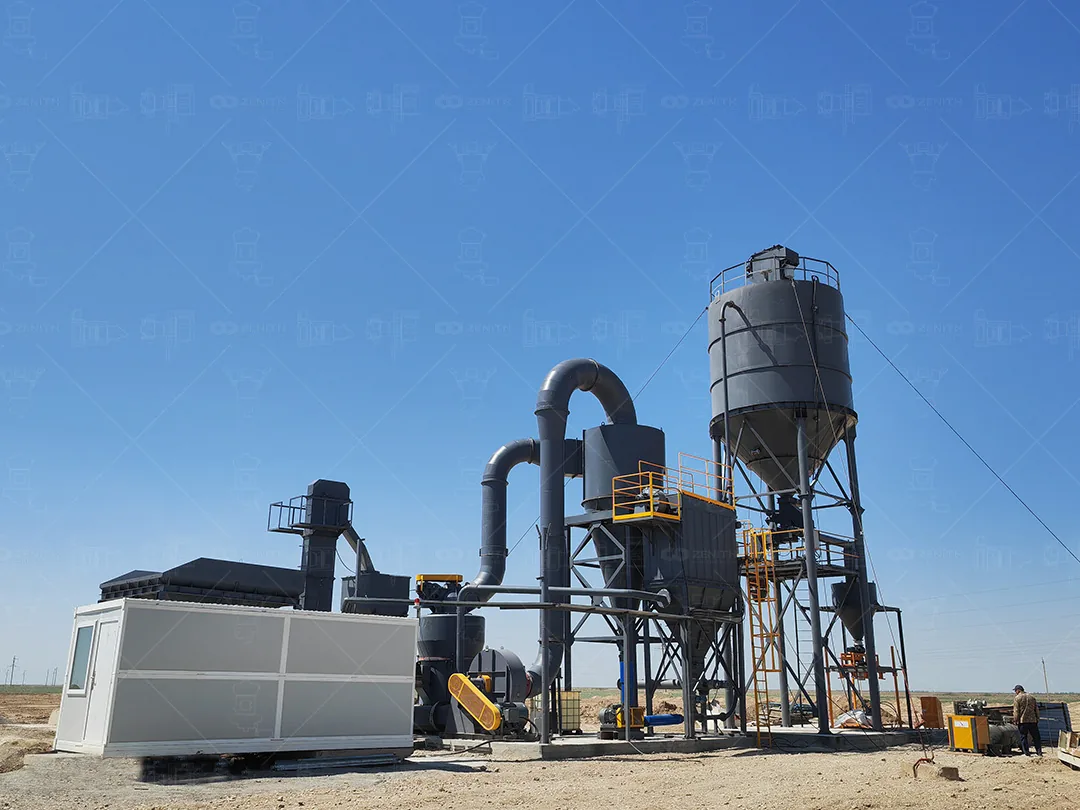
For producing fine potassium feldspar powder in the 80-400 mesh range, Zenith's MTW European Trapezium Mill and MTM European Trapezium Mill are workhorse solutions. These mills are engineered for stability and large-capacity production, with the largest MTW model capable of delivering up to 50 tons per hour. A key advantage for ceramic producers is the Adjustable Output Fineness via a modular impeller system, allowing quick changes to meet different batch specifications without major downtime. Furthermore, their design consumes over 60% less energy than traditional ball mills, a significant operational cost saving. The integrated system—from bulk material handling to finished powder collection—minimizes plant footprint and foundation investment, making it an efficient choice for modern ceramic material suppliers.
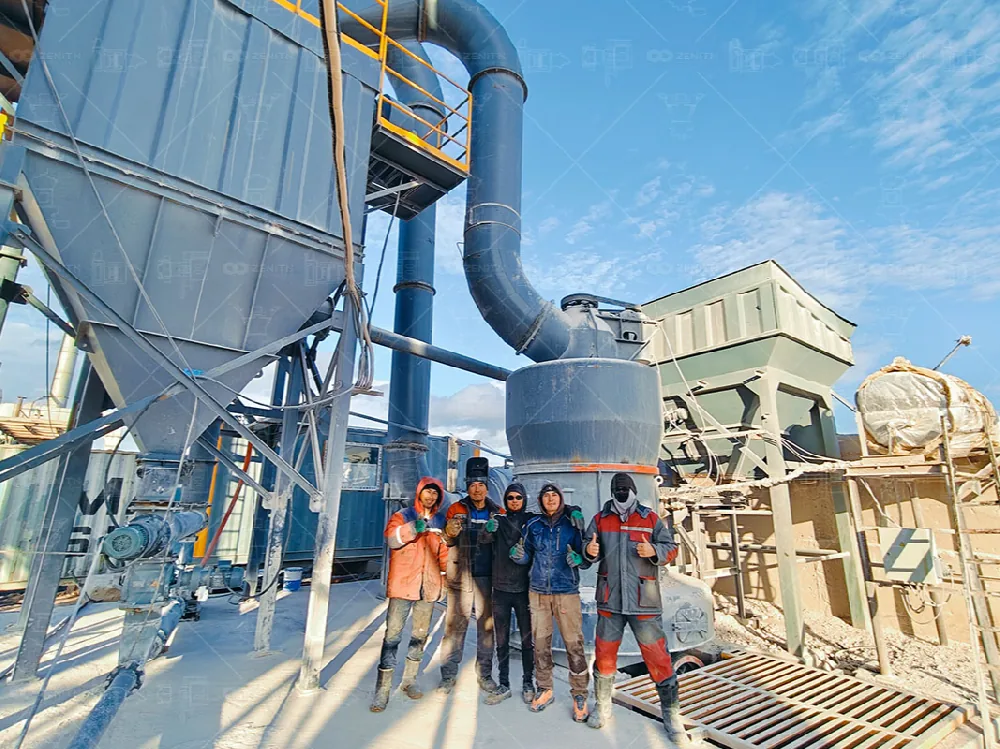
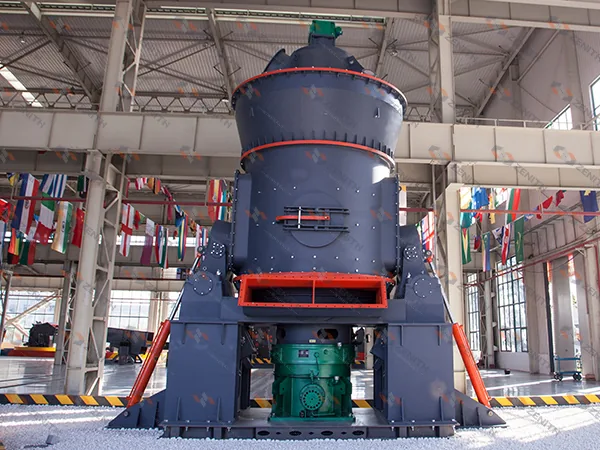
When the application calls for even finer or ultra-fine potassium feldspar powder, essential for high-gloss glazes, specialty coatings, or advanced ceramic composites, Zenith's vertical grinding and ultrafine mills come to the fore. The LM Vertical Grinding Mill is renowned for its 24-hour continuous operation, high automation, and exceptional ability to control product purity and iron content—a non-negotiable factor for premium ceramics. Its sealed, negative-pressure operation ensures an environmentally friendly process with no dust spillage.
_1764694690266.jpg)
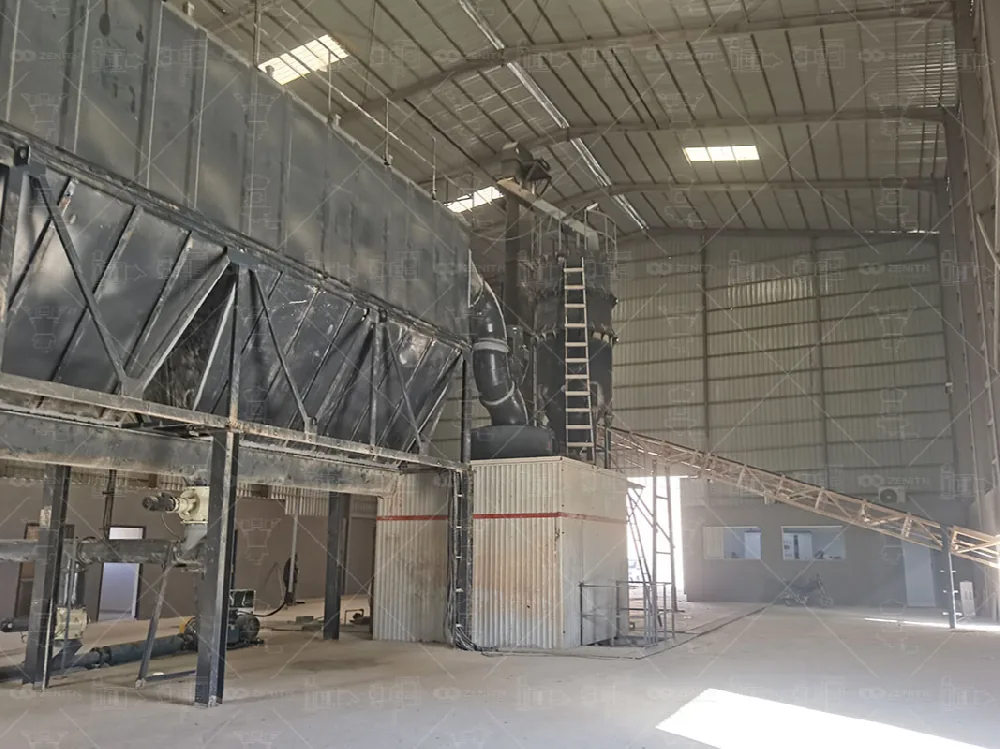
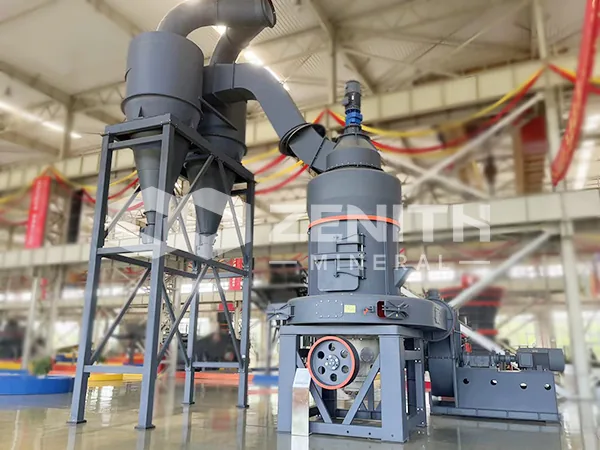
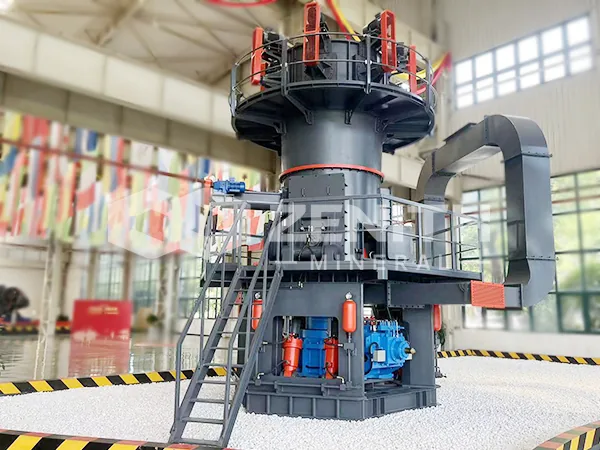
For pushing the boundaries of fineness to 2500 mesh and beyond, the LUM Ultrafine Vertical Grinding Mill and XZM Ultrafine Grinding Mill are technological leaders. The LUM mill, integrating German powder separating technology, is particularly effective for non-metallic minerals like feldspar. It offers precise control over grinding parameters, reducing energy consumption by 30-50% compared to ordinary mills while guaranteeing high material whiteness. The XZM series, capable of achieving D97 < 5 microns in a single classification, is ideal for ceramic applications requiring extreme fineness and uniform particle distribution, which directly influences glaze smoothness and reactivity.
The initial size reduction of raw potassium feldspar ore is equally important. For producing 0-3mm coarse powder as a precursor to fine grinding, Zenith's Hammer Mill provides a high grinding ratio and stable performance, optimizing the overall preparation circuit. For integrated plants, the LM-Y Vertical Pre-grinding Roller Mill offers versatility, capable of handling both coarse powder preparation and sand-making duties with excellent control over product gradation.
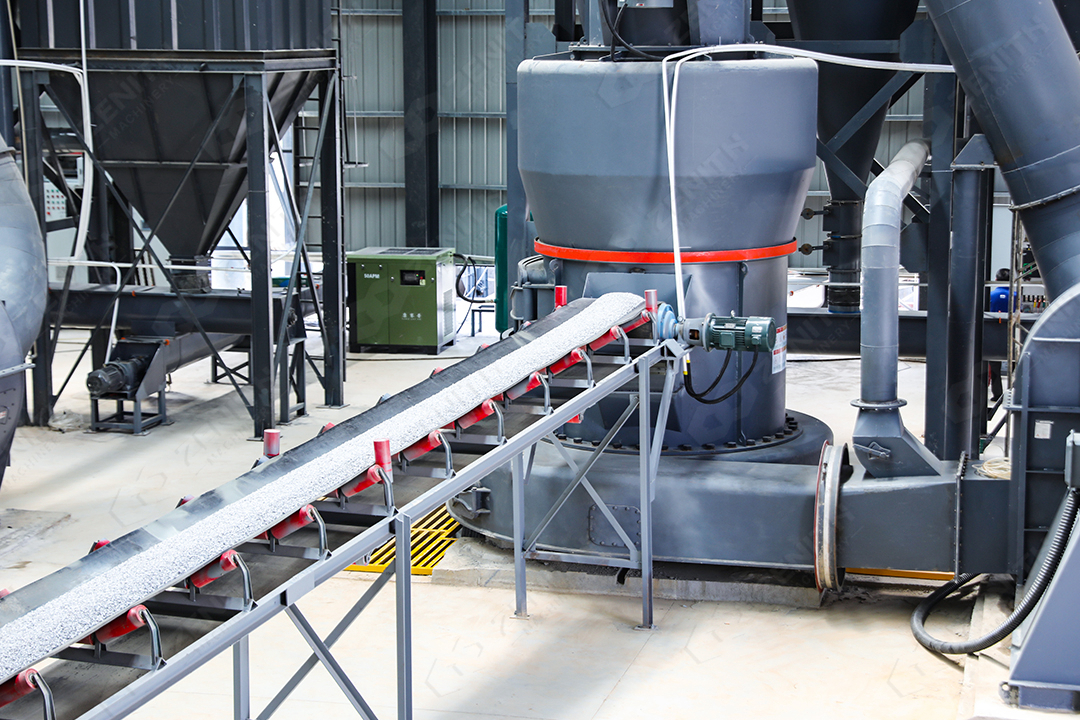
While traditional Ball Mills and Mining Ball Mills remain widely used for their strong material adaptability and reliability, the advanced grinding solutions from Zenith offer ceramic manufacturers a path to greater efficiency, precision, and sustainability. The choice of equipment—from trapezium mills for high-volume fine powder to ultrafine vertical mills for premium products—enables producers to tailor the potassium feldspar powder's characteristics to exact ceramic formulations, ensuring batch-to-batch consistency, superior final product quality, and a competitive edge in the global market.
Frequently Asked Questions (FAQs)
- What is the typical fineness range of potassium feldspar powder used in ceramics?
It varies by application. General body and glaze components often use 200-400 mesh powder. High-gloss glazes and advanced technical ceramics may require ultrafine powder from 1250 mesh up to 2500 mesh or finer. - Why is iron content control so critical when grinding potassium feldspar for ceramics?
Iron impurities can introduce unwanted color (yellowish or brownish tints) into white or brightly colored ceramic bodies and glazes, compromising aesthetic quality. Equipment like LM and LUM Vertical Mills are designed to minimize iron contamination. - How does the energy consumption of an MTW Trapezium Mill compare to a traditional ball mill for feldspar grinding?
Under ideal working conditions, the MTW series mill consumes more than 60% less energy than a ball mill of the same grade, leading to significant reductions in operational costs. - Can one grinding mill produce multiple fineness grades of potassium feldspar powder?
Yes. Mills like the MTW/MTM series with modular impeller adjustment, and the XZM mill with a variable frequency drive (VFD) classifier, allow for arbitrary adjustment of output fineness within their designed range, enabling flexible production. - What are the advantages of a vertical grinding mill (like the LM series) for a large-scale ceramic powder plant?
Key advantages include a smaller footprint (≈50% of a ball mill system), high automation for constant running and stable quality, sealed negative-pressure operation for dust-free eco-friendly production, and excellent control over product purity. - Is Zenith's grinding equipment suitable for processing other ceramic raw materials besides potassium feldspar?
Absolutely. Their mill range is designed for various non-metallic minerals, including quartz, kaolin, dolomite, talc, and limestone, which are all essential in different ceramic formulations. - How does the working principle of an ultrafine mill (e.g., LUM) ensure a uniform particle size distribution?
It integrates grinding, classification, and transportation. Material is ground between rollers and a disc, then immediately carried by airflow into a high-efficiency powder selector. Only particles meeting the target fineness exit as product; coarse particles are returned for re-grinding, ensuring tight size distribution.