Coal gangue is ground into powder and used as a soil conditioner.
2025-12-04 16:11:54
In the global pursuit of sustainable agriculture and circular economy practices, an unlikely hero is emerging from the mining industry: coal gangue. Long considered a problematic waste material, coal gangue is now being recognized for its remarkable potential as a soil conditioner. When processed into fine powder, this mineral-rich byproduct can revitalize degraded soils, improve crop yields, and contribute to significant environmental remediation. The key to unlocking this potential lies in advanced grinding technology that can transform coarse, heterogeneous gangue into consistent, bioactive powder suitable for agricultural applications.
Coal gangue, the solid waste discharged during coal mining and washing, constitutes approximately 10-15% of raw coal production. Traditionally, these piles have represented environmental liabilities—occupying land, potentially leaching contaminants, and posing stability risks. However, gangue's mineral composition, typically including clay minerals, quartz, feldspar, and various trace elements, makes it chemically similar to many natural soil amendments. The transformation process begins with crushing and meticulous grinding to specific particle sizes, which dramatically increases its surface area and reactivity. This processed powder can improve soil structure by enhancing porosity and water retention, supplement beneficial minerals, and even help neutralize acidic soils.
_1764835914904.jpg)
At Shanghai Zenith Machinery, we have dedicated decades to perfecting the grinding systems that make this sustainable transformation not just possible, but efficient and economically viable. Our engineering philosophy centers on creating equipment that meets the precise technical demands of turning industrial byproducts into valuable resources. For coal gangue soil conditioning, the target fineness typically falls between 80 mesh (180μm) for general soil structuring and 325 mesh (45μm) for enhanced nutrient release and microbial activation. Achieving this consistently, at scale, and with minimal energy input is where our specialized grinding mills excel.
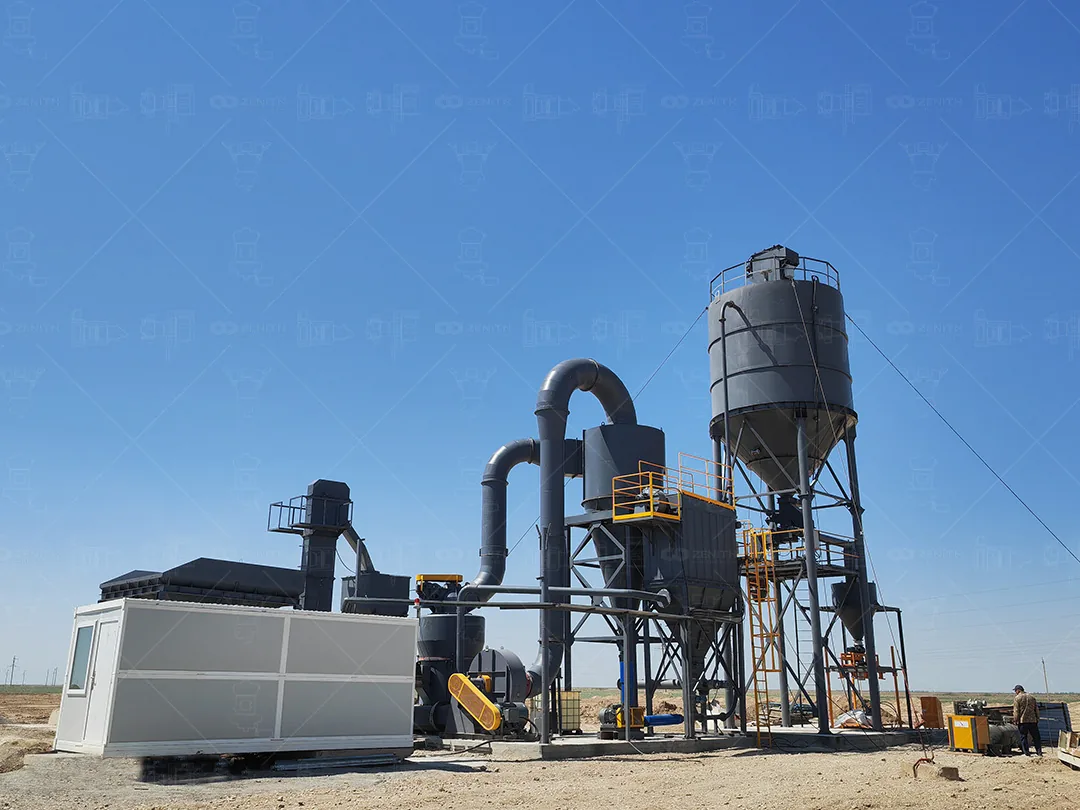
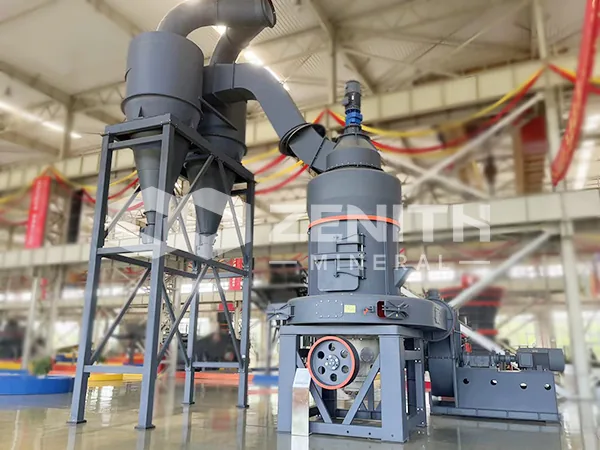
Consider our MTW European Trapezium Mill, a workhorse in mineral processing. Its ability to produce 80-400 mesh powder with capacities up to 50 TPH makes it ideal for large-scale gangue processing operations. One of its standout features for this application is its 60% lower energy consumption compared to traditional ball mills. For an industry focused on sustainability, this efficiency translates directly into a lower carbon footprint for the final soil amendment product. The MTW's modular impeller system allows operators to fine-tune output fineness—crucial when adjusting for different soil types, from sandy loams to heavy clays. The system's high induced-air efficiency (85%) ensures effective classification, producing a uniform powder that behaves predictably when incorporated into soil.
For operations requiring robust, proven technology, our MTM European Trapezium Mill offers over 30 years of refinement. Its stability and adaptability to varying gangue hardness and moisture content make it a reliable choice. Like the MTW, it operates as a complete system from bulk material to finished powder, reducing the need for extensive plant infrastructure and keeping initial investment manageable—a critical factor for projects repurposing mining waste.
_1764835914905.jpg)
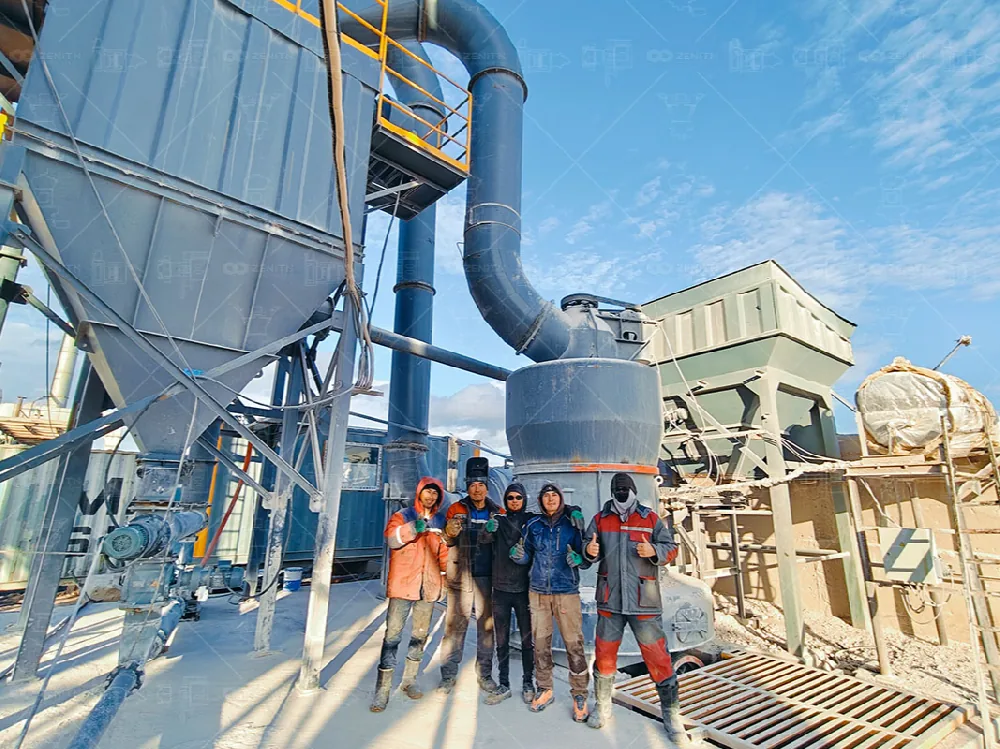
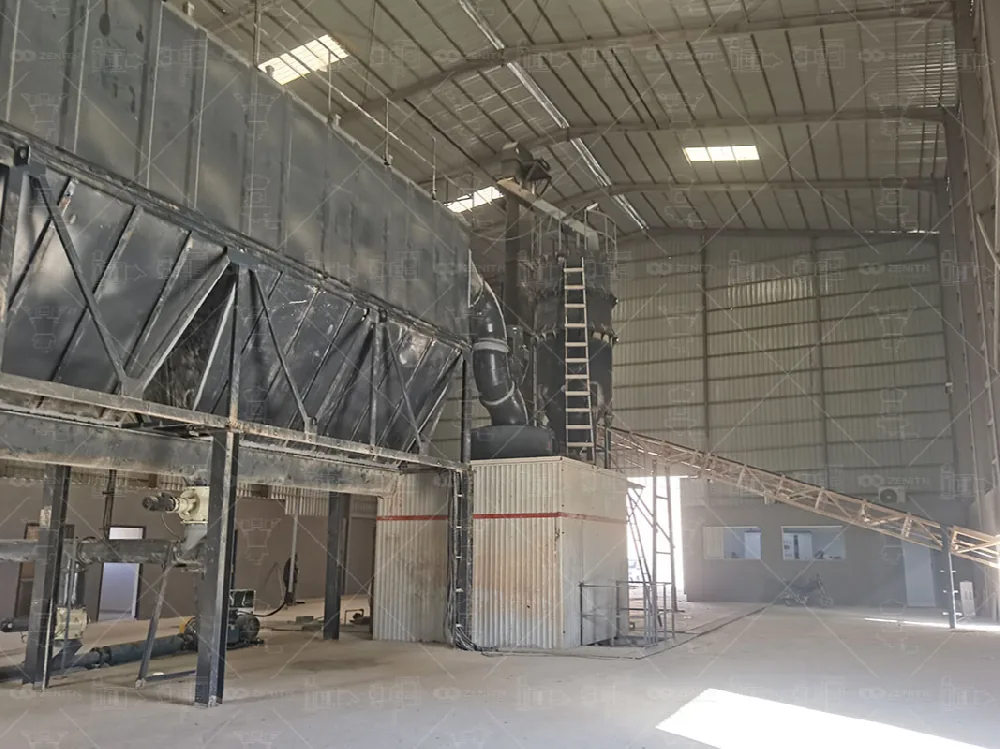
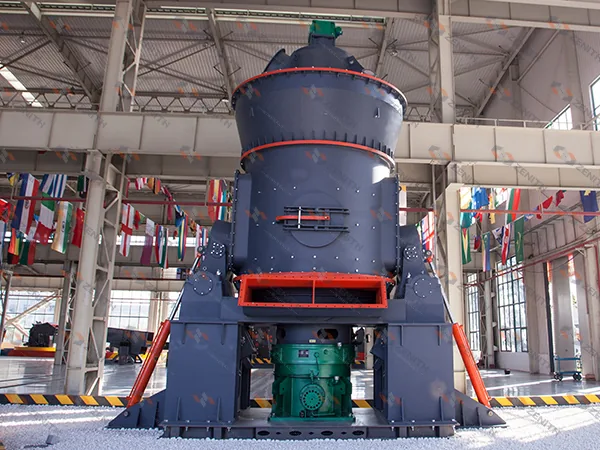
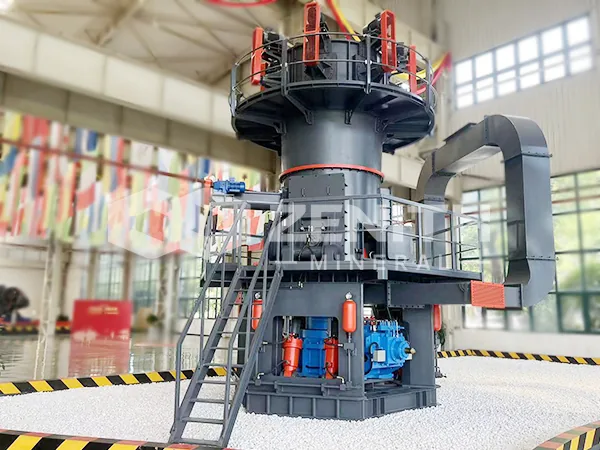
When project demands point toward maximum automation and continuous operation, our LM Vertical Grinding Mill presents a compelling solution. Its capacity for 24-hour constant running aligns perfectly with the needs of a dedicated gangue processing facility supplying regional agriculture. The LM mill's sealed, negative-pressure operation is a significant advantage, ensuring no dust spillage during grinding—maintaining a clean working environment and preserving the quality of the powder. Its compact design reduces the footprint by about 50% compared to ball mill systems, an important consideration for sites with space constraints.
The journey from raw gangue to soil-ready powder follows a precise mechanical path. In our grinding systems, pre-crushed gangue is fed into the main chamber. Here, grinding rollers exert pressure on the material bed, achieving efficient inter-particle crushing. An integral classifier immediately separates particles by size, returning coarse material for re-grinding while allowing fine powder to be collected. This closed-loop system, operating under controlled pressure, ensures high yield of the target fraction and full compliance with environmental standards through integrated pulse dust collectors.
The benefits of using properly processed coal gangue powder are multifaceted. Agronomically, it improves soil's physical properties—aeration, drainage, and water-holding capacity. Chemically, it can slowly release silicon, potassium, and other trace elements. Environmentally, it represents a massive diversion of industrial waste from landfills, closing the loop in coal production. Economically, it creates value from waste and reduces dependence on mined or manufactured soil amendments.
_1764835914907.jpg)
Our commitment extends beyond equipment manufacturing. With a marketing network spanning over 180 countries and overseas offices in more than 30 nations, Zenith is positioned to support global projects that aim to rehabilitate mining landscapes and enhance agricultural soils simultaneously. Our mills carry ISO, CE, and CU-TR certifications, providing assurance of quality and reliability for large-scale, long-term soil amendment projects. By providing the technology to transform coal gangue from an environmental burden into a agricultural resource, we contribute to a more sustainable model for both mining and farming industries.
The transformation of coal gangue into a valuable soil conditioner is a powerful example of industrial ecology in action. It requires a partnership between mining operators, technology providers, and the agricultural community. With the right grinding technology, this abundant material can cease to be waste and begin a new life as a foundation for fertile, productive land.
Frequently Asked Questions
- What is the ideal fineness (mesh size) for coal gangue powder used as a soil conditioner?
The optimal range is typically between 80 mesh (180μm) and 325 mesh (45μm). Coarser powder (80-200 mesh) is excellent for improving soil structure and porosity, while finer powder (200-325 mesh) increases surface area for better mineral release and reactivity with soil microbes. - Can Zenith grinding mills handle the variable hardness and moisture content of coal gangue?
Yes. Our MTM and MTW European Trapezium Mills are specifically designed for adaptability to different material characteristics. The grinding pressure and airflow can be adjusted to accommodate variations in gangue composition, ensuring consistent output quality. - How does the energy consumption of your mills impact the sustainability claim of the final soil amendment product?
Our advanced mills, like the MTW series, consume over 60% less energy than conventional ball mills for the same output. This drastically reduces the operational carbon footprint, making the overall lifecycle assessment of the gangue-based soil conditioner significantly more sustainable. - Is the grinding process environmentally safe? Does it generate dust pollution?
Our systems are designed as closed-loop processes operating under negative or controlled pressure. They are equipped with high-efficiency pulse dust collectors (like in the LM Vertical Mill) that capture airborne particles, ensuring no dust spillage and full compliance with international environmental standards. - What capacity range do you offer for setting up a coal gangue processing line?
We offer solutions from pilot-scale to large industrial production. Capacities range from 3 T/H (e.g., MTM Mill) up to 340 T/H (LM Vertical Mill), allowing for projects of any scale, from local mine-site rehabilitation to regional soil amendment supply chains. - Do you provide guidance on the mineral analysis of gangue to determine its suitability for soil conditioning?
While we specialize in grinding technology, we recommend and can collaborate with third-party agronomic laboratories to analyze the specific gangue source. Key parameters include heavy metal content, pH, and the presence of beneficial minerals like silicates and alumino-silicates. - How automated are your grinding systems? What is the required operational labor?
Our modern mills, such as the LM Vertical Grinding Mill, feature high degrees of automation with intelligent control systems. They allow for remote monitoring and control, enabling largely unmanned operation in the grinding workshop, which significantly reduces labor costs and improves safety.