What types of cement clinker grinding equipment are available?
2025-12-02 17:54:52
For professionals in the cement and construction materials industry, selecting the right clinker grinding equipment is a critical decision that impacts productivity, product quality, and operational costs. The grinding stage is where the final properties of the cement are largely determined, making the choice of mill a cornerstone of an efficient plant. At Shanghai Zenith Machinery, we have dedicated decades to researching, developing, and refining a comprehensive portfolio of grinding solutions. Our equipment is engineered to meet the diverse needs of modern production, from high-capacity primary grinding to ultrafine finishing, all while prioritizing energy efficiency, reliability, and environmental compliance.
Our philosophy is rooted in providing tailored solutions. We understand that no two operations are identical. Factors like desired fineness (from coarse 1-3mm powder to superfine 3250 mesh), required capacity, plant footprint, and energy availability all play a role. Therefore, we offer a spectrum of technologies, each with its own strengths. Our product range, backed by ISO, CE, and CU-TR certifications, is trusted by clients in over 180 countries, a testament to its global performance and adaptability.
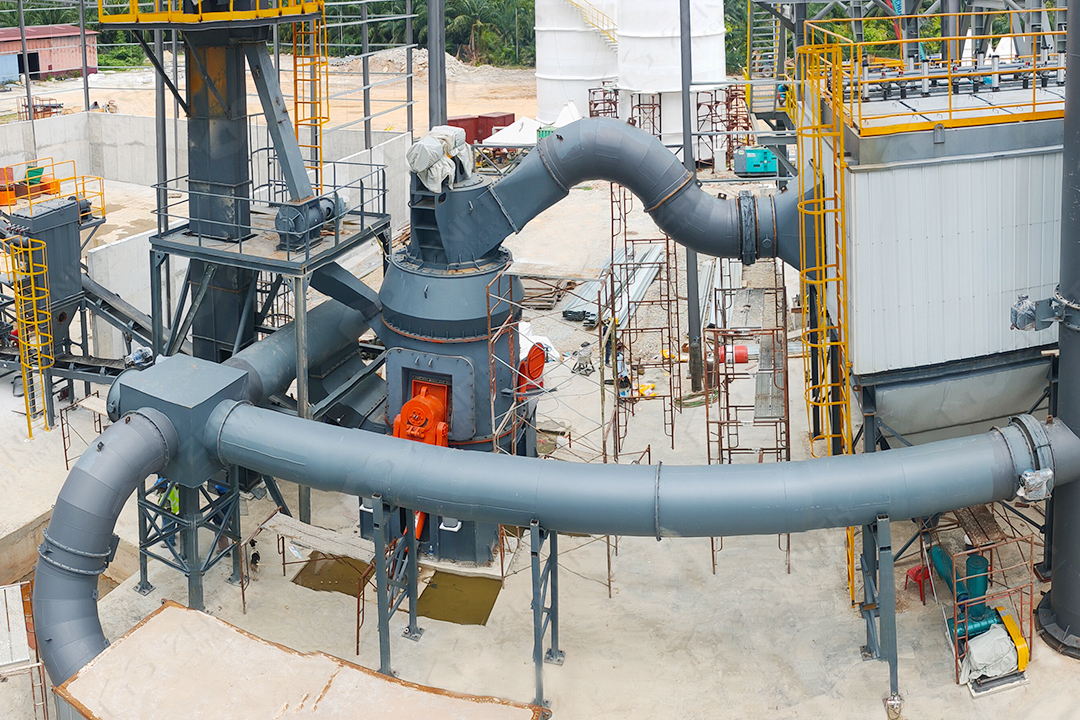
Core Technologies for Clinker Grinding
The heart of any grinding circuit is the main mill. For cement clinker processing, several proven technologies form the industry's backbone.
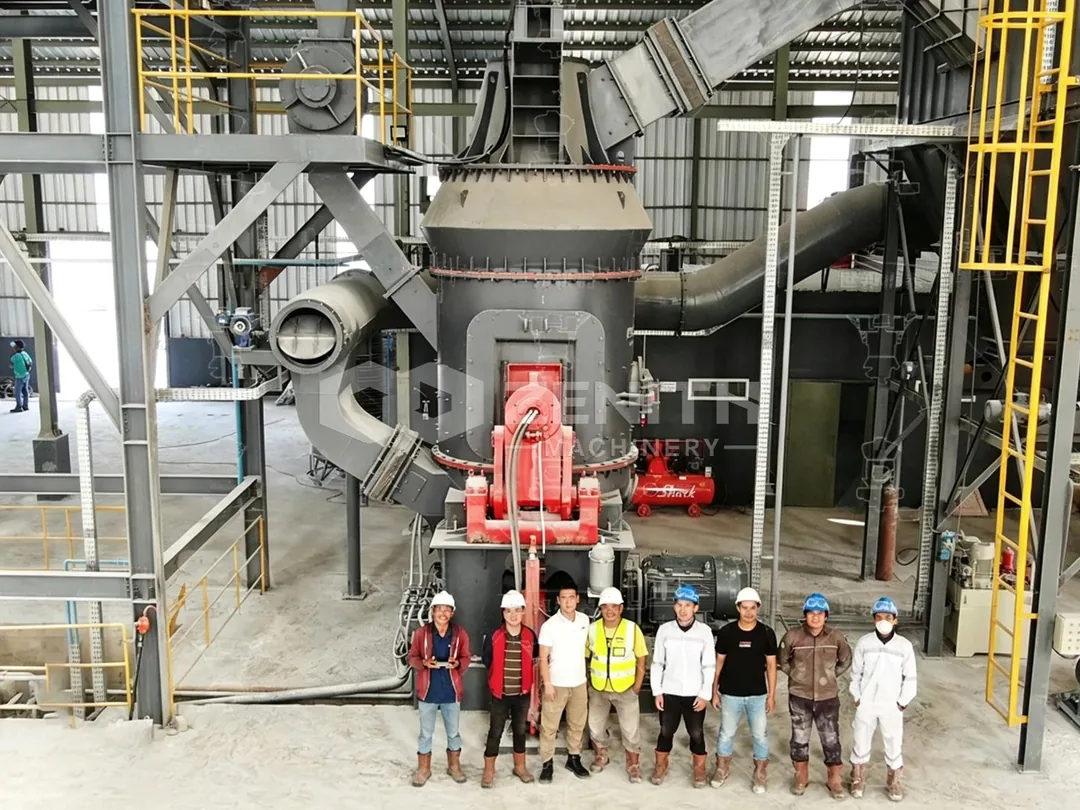
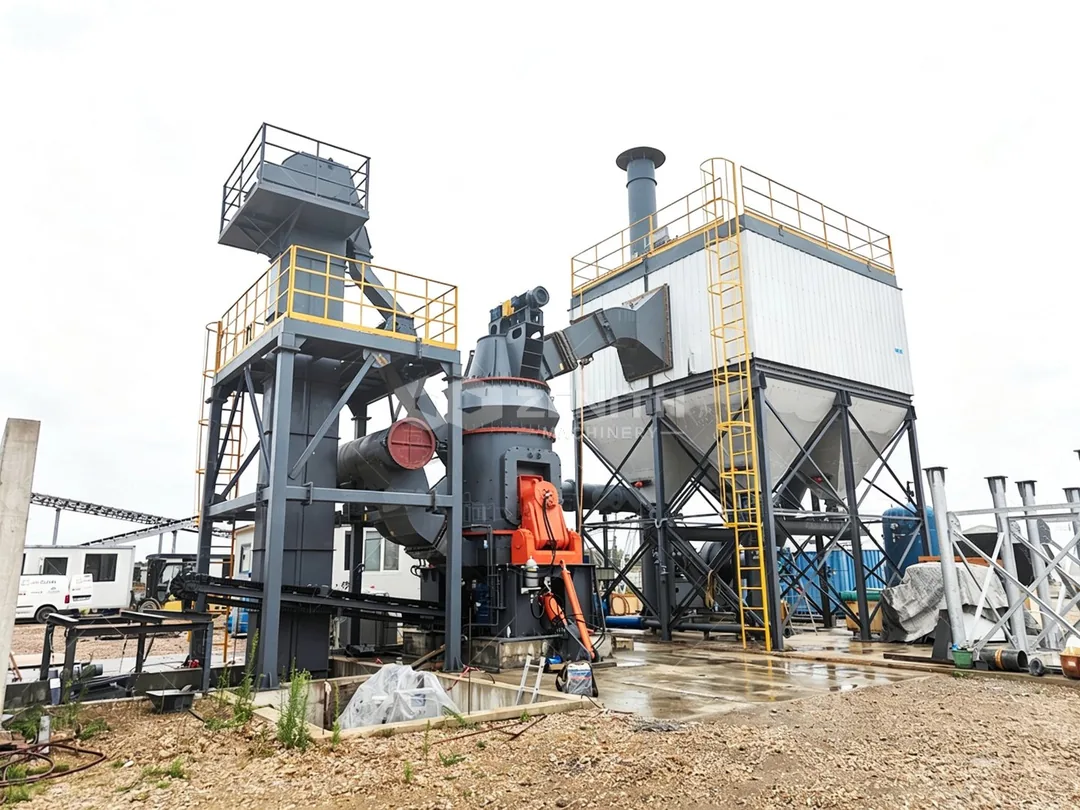
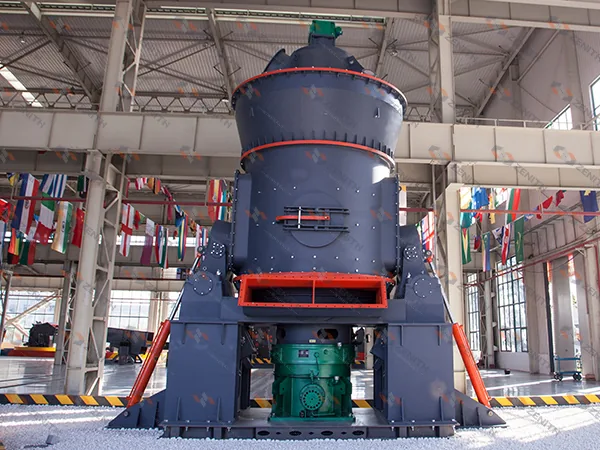
Vertical Roller Mills (VRMs), such as our LM Vertical Grinding Mill, have become the industry standard for new installations and major upgrades. Their principle is elegant and efficient: material is fed onto a rotating grinding table and crushed under pressure by hydraulically loaded rollers. The key advantages are profound. They offer significantly lower energy consumption—often 30-50% less than traditional ball mills. Their compact, integrated design reduces the plant footprint by about 50%, and their high degree of automation allows for stable, 24/7 operation with minimal manual intervention. Furthermore, operating under negative pressure ensures an environmentally friendly process with minimal dust emission.
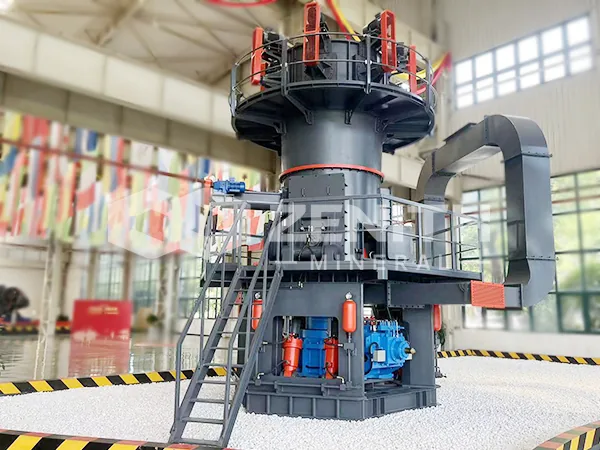
For operations requiring exceptional fineness or processing of blended cements with supplementary materials, our LUM Ultrafine Vertical Grinding Mill is the pinnacle of technology. Integrating advanced German powder separating and Taiwanese roller technology, it achieves fineness up to 2500 mesh. It is particularly effective for ensuring the high purity and whiteness of finished products, making it ideal for specialty cements and mineral additives.
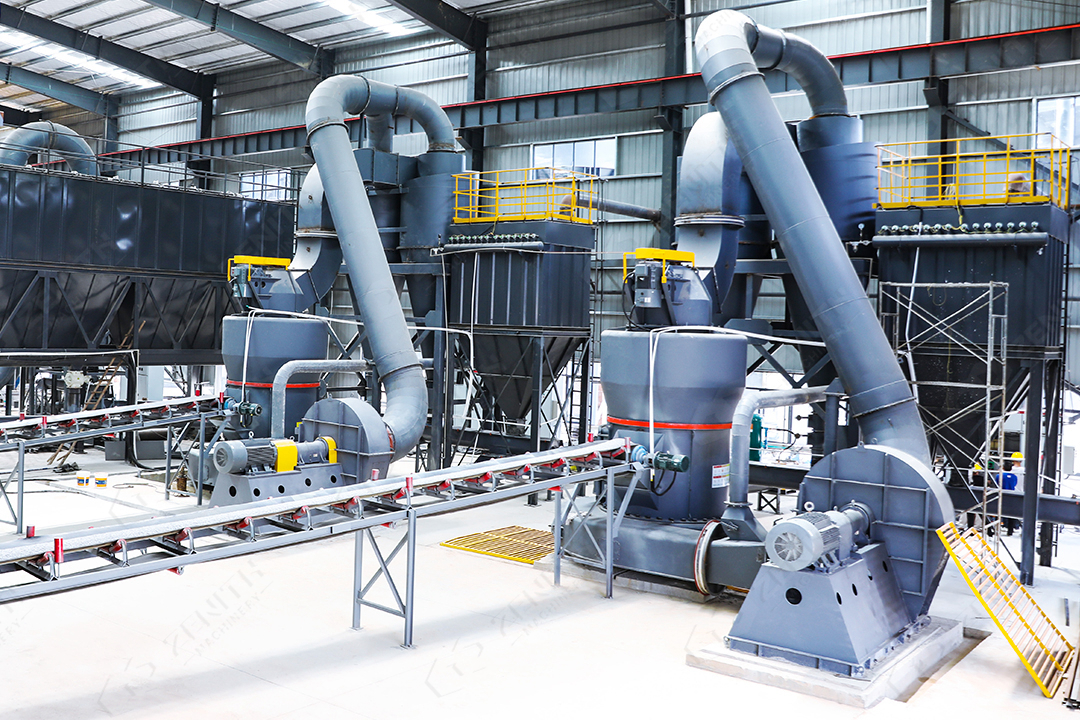
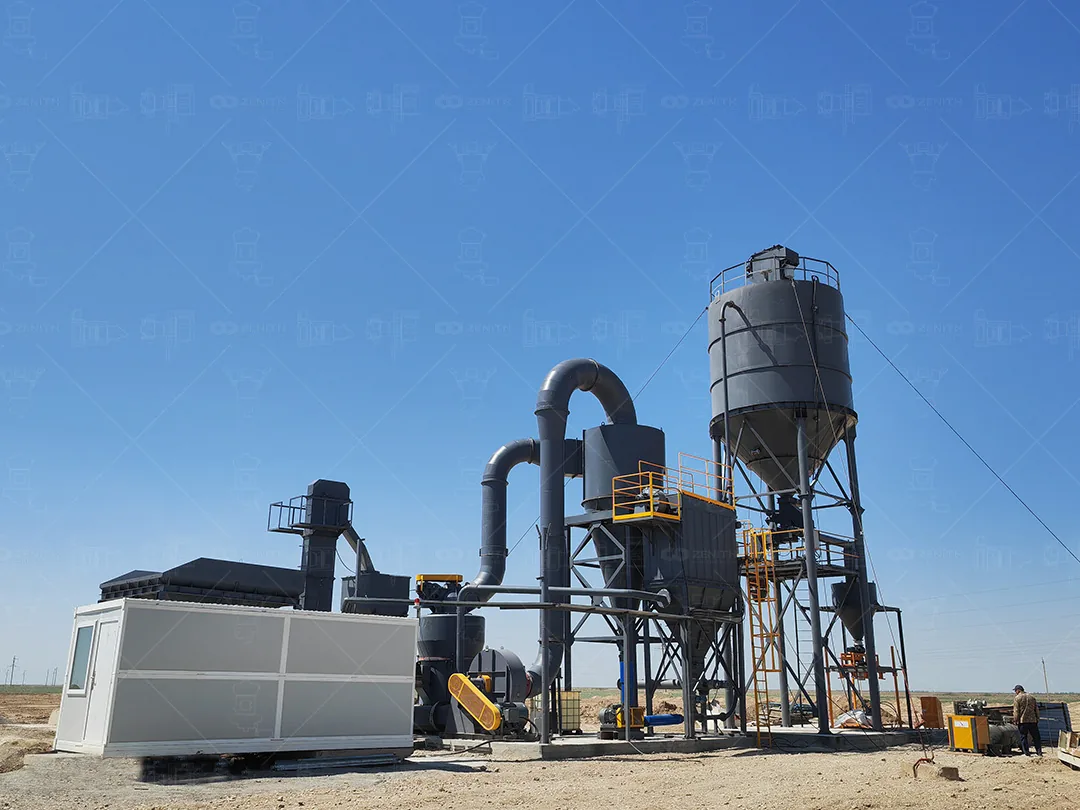
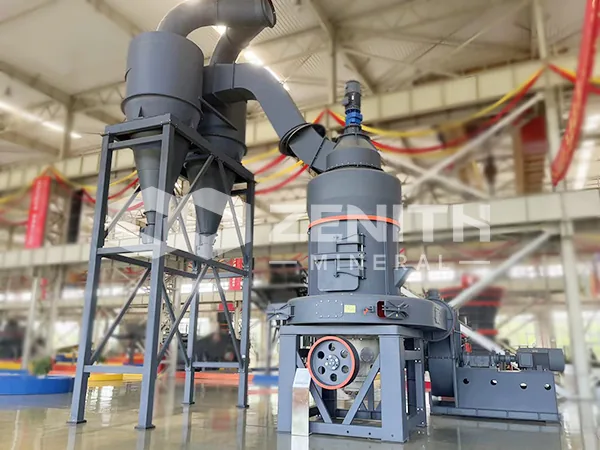
Trapezium Grinding Mills represent another highly efficient and versatile category. Our MTW European Trapezium Mill and MTM European Trapezium Mill are workhorses for producing fine powder in the 80-400 mesh range. A standout feature is their modular impeller adjustment system, which allows quick changes to product fineness without stopping the mill. They boast an induced air efficiency of up to 85%, ensuring effective material circulation and classification. With a self-contained production system from feed to finished powder, they require less investment in auxiliary equipment and foundation work, offering a compelling balance of performance and cost.
Specialized and Supporting Equipment
A complete grinding circuit often involves more than just the main mill. Pre-grinding and coarse grinding stages can dramatically enhance overall system efficiency.
Our LM-Y Vertical Pre-grinding Roller Mill is designed specifically for this role. It can efficiently pre-crush clinker to under 5mm, significantly reducing the load and energy draw on the downstream ball mill or finishing VRM. This "pre-grinding" concept is a proven strategy for boosting the capacity of existing circuits or designing new, highly efficient ones. Its robust construction and easy-maintenance design, including externally flippable grinding rollers, make it a reliable first stage in the comminution process.
For applications requiring the production of coarse mineral additions or specific raw mixes, our Hammer Mill (HM Series) is the optimal choice. It efficiently produces 0-3mm coarse powder with a uniform particle size, overcoming the limitations of traditional coarse grinders. Its simple, robust design ensures stable performance and a long service life with low operating costs.
_1764669292425.jpg)
Despite the rise of newer technologies, the Ball Mill remains a fundamental and highly adaptable piece of equipment. Zenith's Ball Mills are known for their strong adaptability to materials and ability to handle both dry and wet grinding processes. They are a reliable choice for continuous production, offering easy adjustment of product fineness. Our Mining Ball Mill variant is built for durability and efficient grinding in the most demanding environments, serving not only cement but also mining, ceramics, and chemical industries.
Choosing the Right Solution
The optimal grinding system depends on a holistic analysis of your project. Key considerations include the target product fineness and capacity, the moisture content and abrasiveness of the feed material, total investment and operating cost targets (especially energy consumption), available plant space, and environmental regulations. A VRM like the LM series often provides the best overall efficiency for main clinker grinding. A system combining an LM-Y pre-grinder with a ball mill can be ideal for retrofitting and expanding older plants. For superfine or specialty products, the LUM or XZM ultrafine mills are unmatched.
At Zenith, we don't just sell machines; we provide grinding solutions. Our global network of engineers works closely with clients to analyze their specific conditions and recommend the most effective equipment configuration. From the rugged reliability of our trapezium mills to the cutting-edge efficiency of our vertical mills, we have the technology to optimize your cement clinker grinding process for the future.
_1764669292426.jpg)
Frequently Asked Questions (FAQs)
- What is the primary advantage of a Vertical Roller Mill over a traditional Ball Mill for clinker grinding?
The primary advantages are significantly lower energy consumption (30-50% less), a much smaller physical footprint, higher drying capacity for moist materials, and easier maintenance due to its more accessible design. - Can your equipment handle the grinding of clinker mixed with other materials like slag or fly ash?
Yes, absolutely. Our LM Vertical Mills, LUM Ultrafine Mills, and Ball Mills are specifically designed to handle blended cements efficiently. They provide excellent control over product composition and fineness for homogeneous blending. - What fineness range can your mills achieve for standard Portland cement?
For standard Portland cement (typically around 3250-4000 Blaine or 400-500 mesh), our LM Vertical Mill and MTW/MTM Trapezium Mills are perfectly suited. They can reliably and efficiently produce powder in the 80-400 mesh range, with the ability to fine-tune for specific Blaine targets. - How does the pre-grinding concept with the LM-Y mill improve overall system efficiency?
The LM-Y pre-grinder reduces clinker to a very fine size (<5mm) before it enters the final ball mill. This drastically reduces the work required by the ball mill, increasing the total system capacity by 30-50% and lowering specific energy consumption per ton of final product. - Are Zenith mills automated, and what level of operational manpower is required?
Our modern mills, especially the LM and LUM Vertical Mills, feature advanced automatic control systems. They can be operated remotely from a central control room, enabling labor-free operation in the mill area and requiring only periodic maintenance checks. - What certifications do your grinding mills hold regarding quality and safety?
All our key grinding equipment holds ISO international quality system certification, European Union CE certification, and the Customs Union CU-TR certification, ensuring they meet stringent global standards for performance, safety, and environmental protection. - What kind of after-sales support and service can we expect globally?
With overseas offices in over 30 countries and a network covering 180+ regions, we provide comprehensive after-sales support including installation supervision, commissioning, operator training, and readily available spare parts supply to ensure minimal downtime.