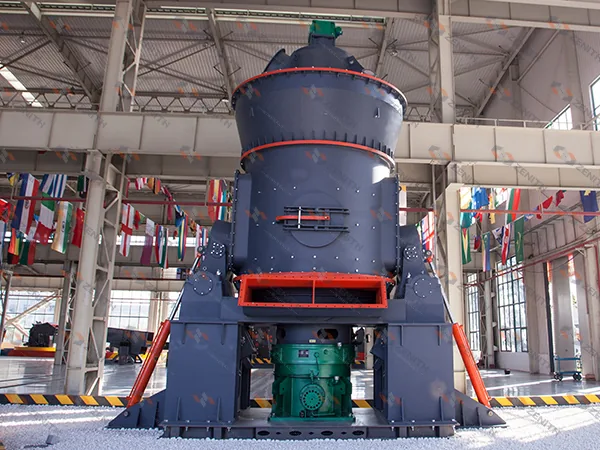
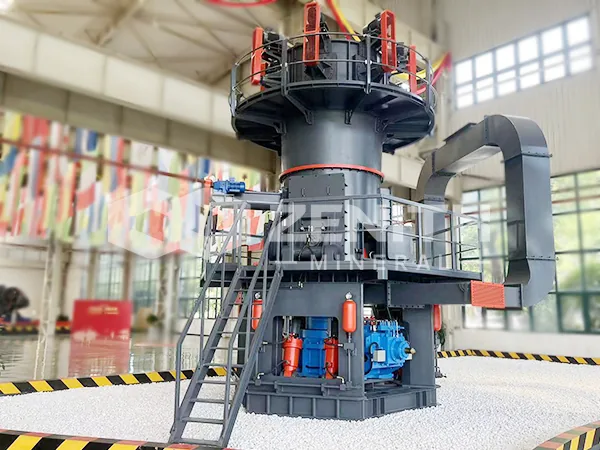
Lime kiln equipped with bituminous coal mill
2025-12-02 00:54:37
In the demanding world of lime production, where consistent high temperatures and precise calcination are paramount, the quality and preparation of fuel are not mere operational details—they are foundational to efficiency, cost control, and product quality. For kilns fired by bituminous coal, the grinding system is the unsung hero of the entire process. A subpar mill can lead to inconsistent particle size, poor combustion, excessive energy waste, and increased pollutant formation. Conversely, a high-performance grinding circuit transforms raw coal into a precisely controlled, reactive fuel that ensures optimal kiln operation.
Shanghai Zenith Machinery, with its deep-rooted expertise in industrial comminution, understands this synergy intimately. Our engineering philosophy is built on the premise that a lime kiln is only as good as the fuel it burns, and the fuel is only as good as the mill that prepares it. We don't just sell grinding equipment; we provide integrated solutions that bridge the gap between raw fuel stockpile and the intense heat of the kiln burner.
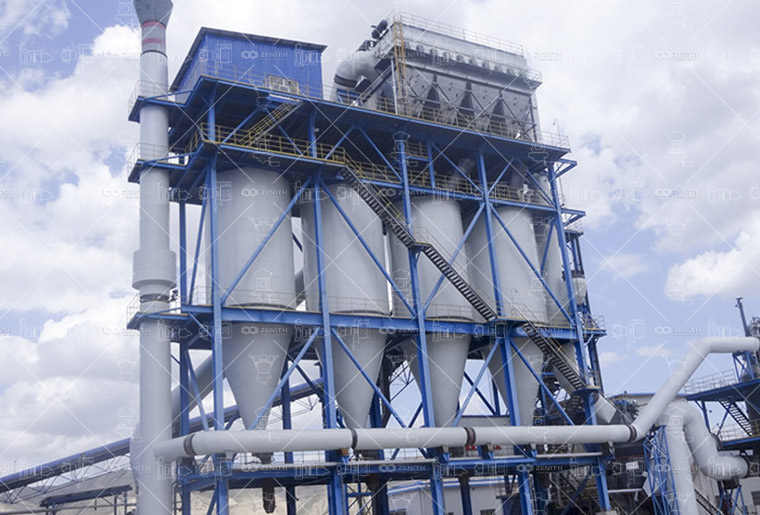
The Zenith Advantage: Precision Engineering for Fuel Preparation
Selecting the right mill for bituminous coal preparation requires a balance of robustness, precision, and energy efficiency. Bituminous coal, with its variable hardness and moisture content, demands a mill that can deliver a consistent fineness—typically targeting 80-200 mesh—to ensure complete and rapid combustion in the kiln. Zenith's portfolio offers several standout technologies tailored for this critical task.
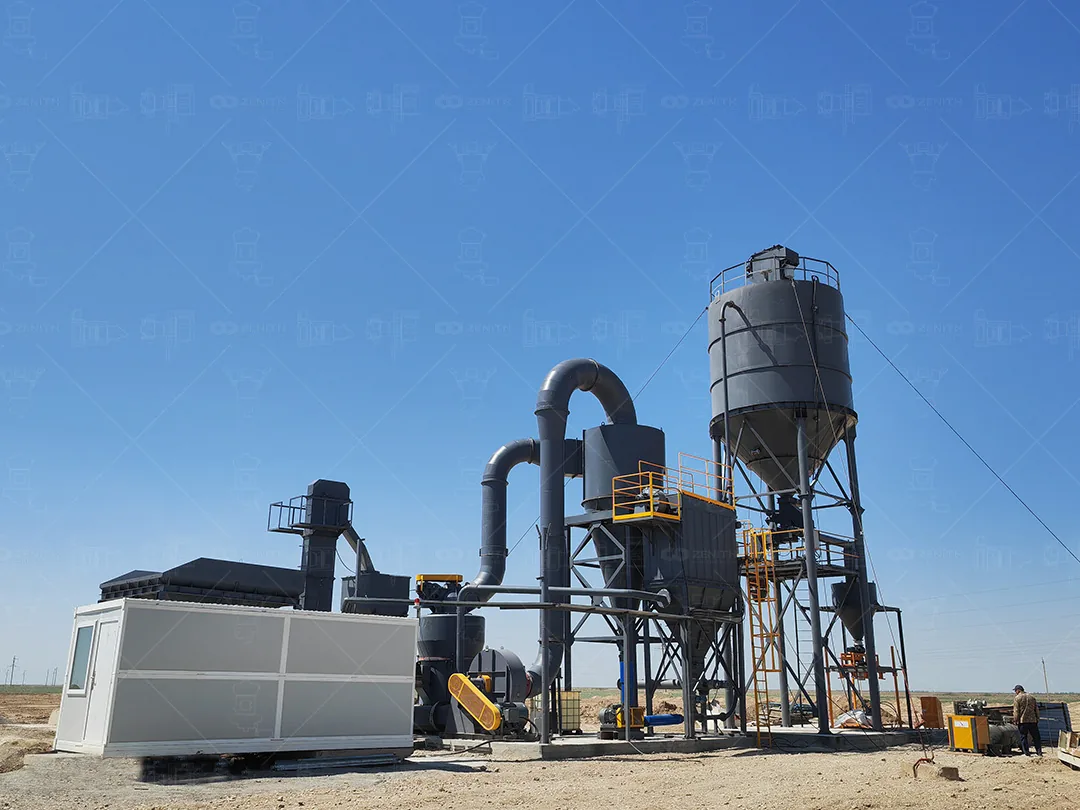
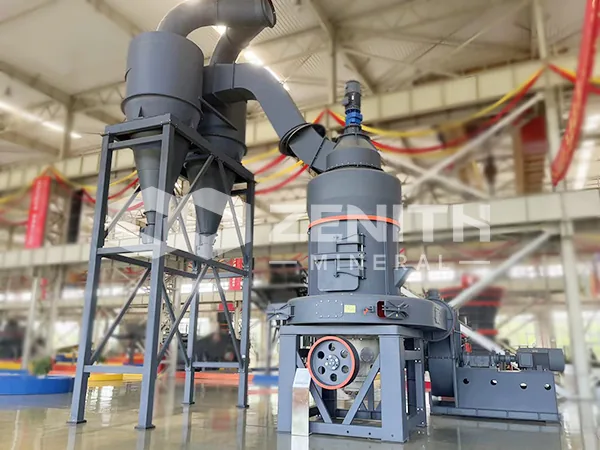
For large-scale lime plants requiring high-capacity, continuous operation, the LM Vertical Grinding Mill presents an outstanding choice. Its ability to run 24/7 with automated control aligns perfectly with the non-stop nature of lime kilns. The mill's sealed, negative-pressure operation is a key benefit, preventing coal dust escape—a major safety and housekeeping concern. With a capacity range up to 340 T/H and the ability to handle input sizes up to 70mm, it can process run-of-mine coal directly, simplifying the feed system. The integrated design also reduces the plant footprint significantly, a practical advantage for site layout.
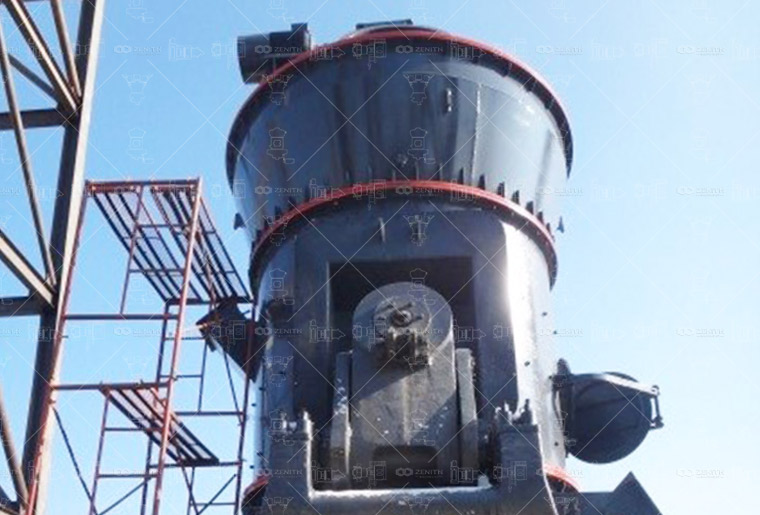
Where proven, adaptable technology is preferred, the MTW European Trapezium Mill and its predecessor, the MTM series, have earned their reputation. These mills are workhorses for producing the 80-400 mesh fine powder ideal for pulverized coal injection. A critical metric for any grinding operation is energy consumption, and here Zenith mills shine: they demonstrate over 60% lower energy use compared to traditional ball mills of the same grade. This translates directly into lower fuel preparation costs for every ton of lime produced. The modular impeller adjustment system allows plant operators to easily fine-tune output fineness in response to changes in coal quality or kiln burner requirements.
Beyond the Main Mill: A System for Success
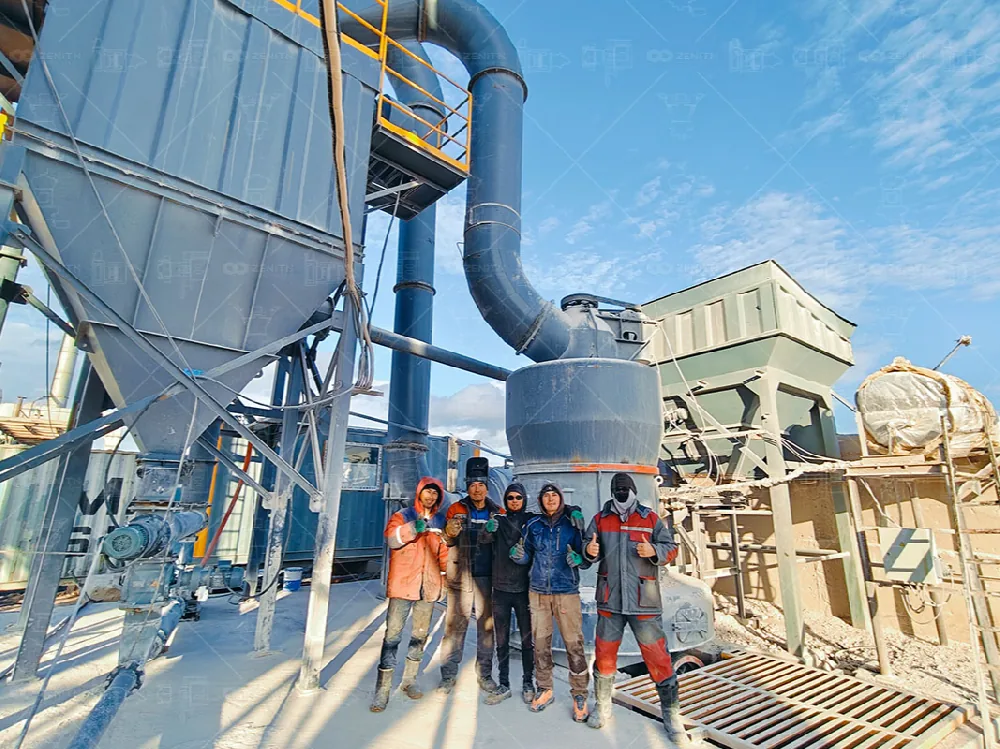
Effective coal grinding is a system-wide endeavor. Zenith's approach encompasses the entire process from feed to collection. The working principle common to our advanced mills—involving crushing, classification by high-efficiency impeller fans, and collection in cyclone and pulse dust collectors—ensures a closed-loop, environmentally compliant operation. The system's design to operate under controlled positive and negative pressure conditions is crucial for managing airflow, which directly impacts classification efficiency and dust control.
For operations that also require coarse coal grinding for other processes or as a preliminary stage, the Hammer Mill (HM Series) is engineered to produce uniform 0-3mm coarse powder, overcoming the traditional challenge of uneven particle size distribution. Its robust design with high manganese steel linings ensures longevity in the face of abrasive materials.
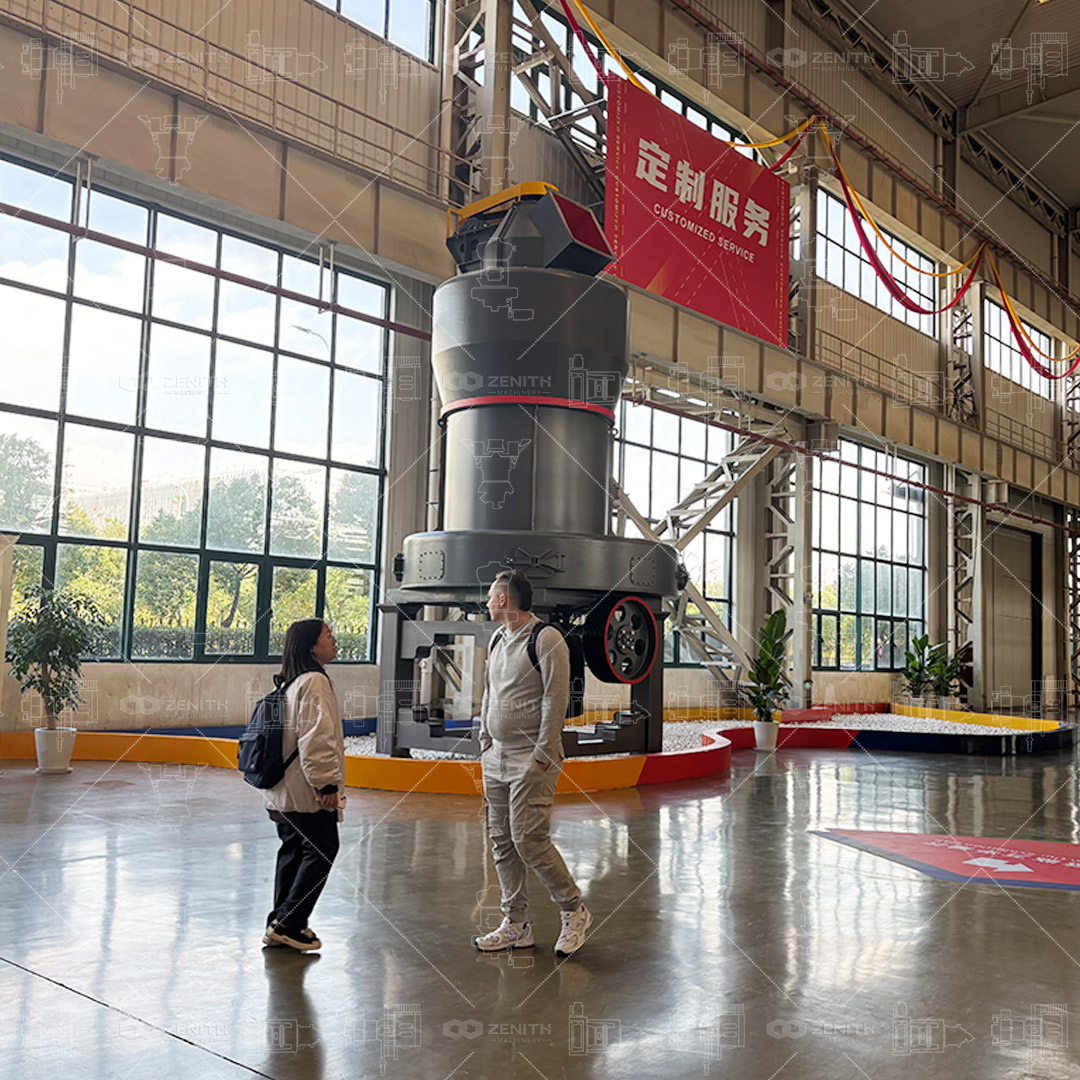
Ultimately, integrating a Zenith grinding system into a lime kiln operation is an investment in stability and predictability. Consistent coal fineness leads to stable flame geometry and temperature profile in the kiln, which in turn promotes uniform calcination, higher lime quality, and reduced refractory wear. The high degree of automation featured in mills like the LM and LUM series reduces labor costs and human error, while the global certifications (ISO, CE, CU-TR) attest to the equipment's reliability and safety standards, facilitating smooth operation anywhere from Asia to Oceania.
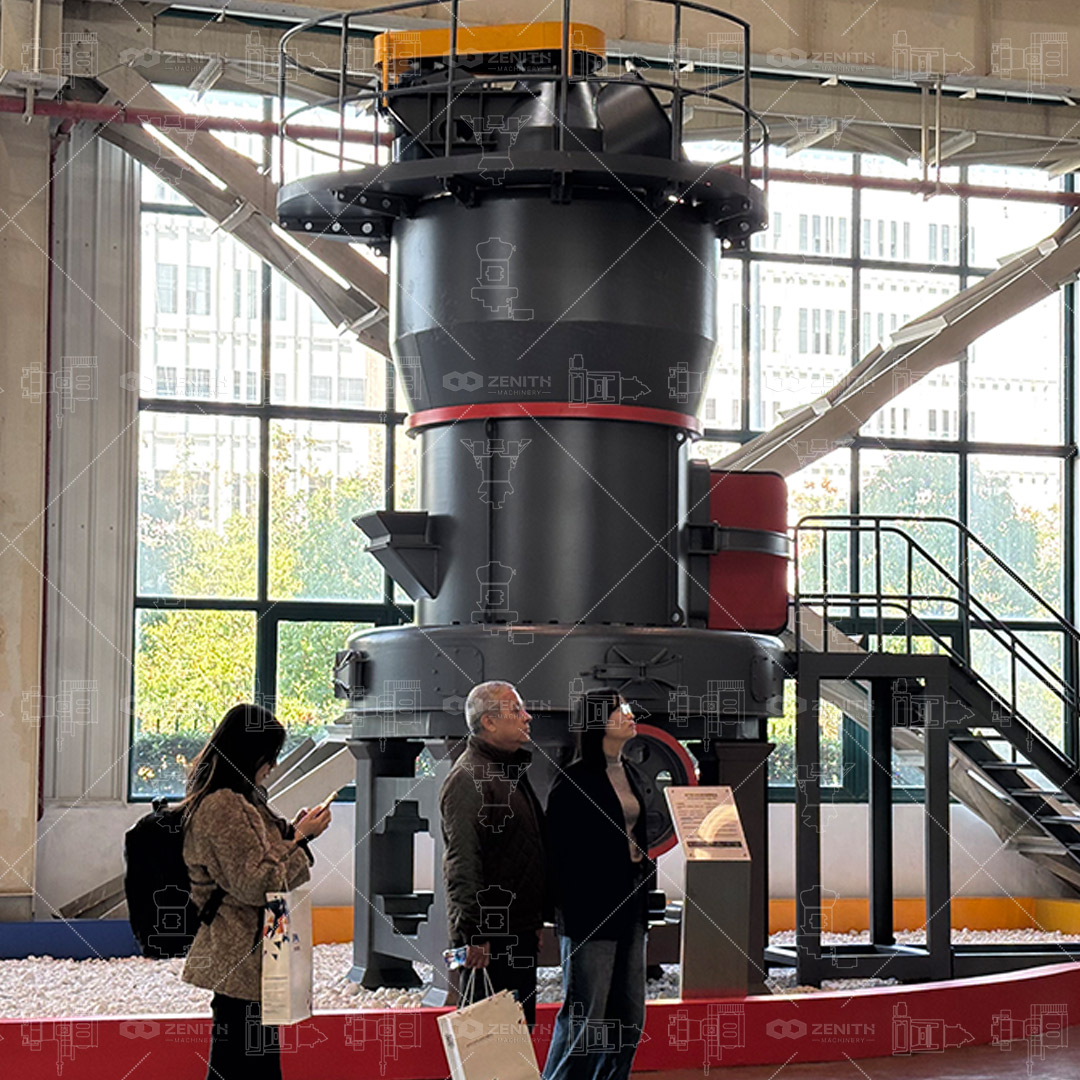
In conclusion, the modern lime kiln, especially one reliant on bituminous coal, demands a grinding partner that offers more than just size reduction. It requires precision, efficiency, reliability, and intelligent design. By leveraging technologies like the LM Vertical Mill or the MTW European Trapezium Mill, producers can transform their fuel preparation from a cost center into a strategic asset for superior lime production.
Frequently Asked Questions (FAQs)
- What is the typical output fineness range required for bituminous coal in a lime kiln, and can Zenith mills achieve it?
Optimal combustion in lime kilns typically requires coal ground to 80-200 mesh. Zenith mills, such as the MTW/MTM series (output: 30-400 mesh) and the LM Vertical Mill (output: 80-400 mesh), are precisely engineered to meet and easily adjust within this critical range. - How does the energy consumption of a Zenith grinding mill compare to a traditional ball mill for coal grinding?
Under ideal working conditions, Zenith's MTW, MTM, and LM series grinding mills demonstrate energy consumption that is more than 60% lower than that of a ball mill of the same grade, offering significant long-term operational cost savings. - Are Zenith coal grinding systems environmentally friendly for plant operation?
Yes. Our systems are designed to operate under negative pressure and are equipped with high-efficiency pulse dust collectors. This ensures no dust spillage, contains particulate matter, and allows the plant to meet stringent national and international environmental protection standards. - Can the fineness of the ground coal be adjusted easily to accommodate different coal qualities or kiln conditions?
Absolutely. Key models like the MTW and MTM mills feature a modular impeller adjustment device. Changing the impeller allows for quick adjustment of product fineness without major downtime, providing excellent operational flexibility. - What is the advantage of the LM Vertical Mill's integrated design for a lime plant?
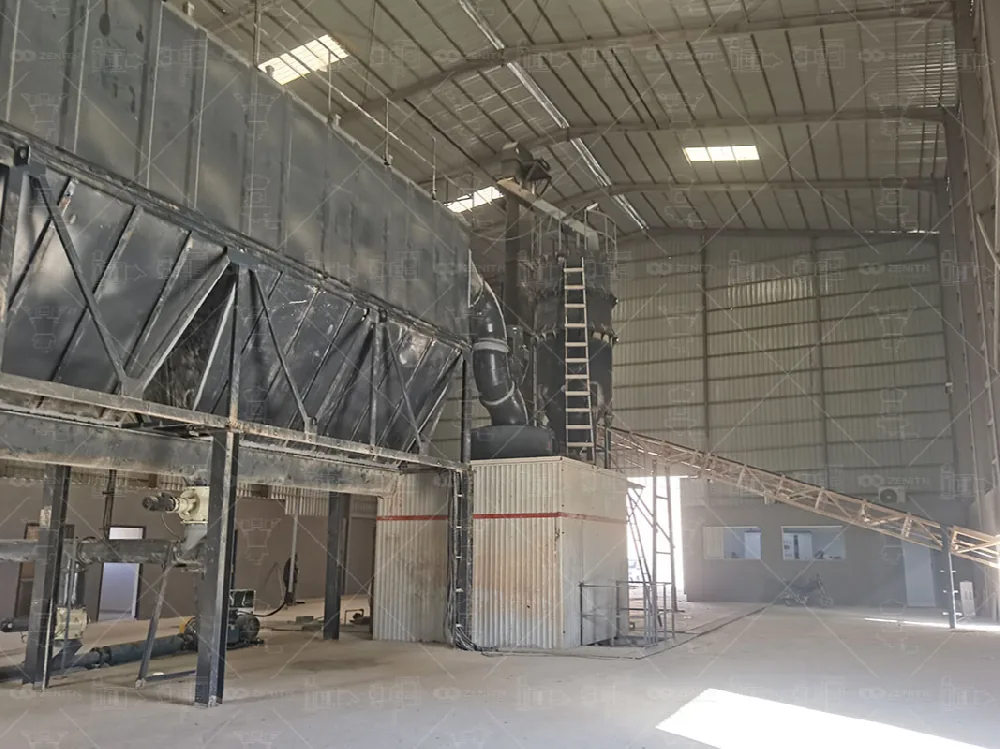
The LM Vertical Mill's compact, integrated design reduces the plant footprint by approximately 50% compared to a ball mill system. It can often be arranged in open air, significantly reducing civil construction costs and simplifying plant layout. - How does Zenith ensure the reliability and after-sales support for its equipment in global markets?
Zenith has a marketing network covering over 180 countries and regions, with overseas offices in more than 30 countries. This global presence, backed by ISO, CE, and CU-TR certifications, ensures professional local support, ready supply of wear parts, and expert technical service. - For a new lime plant project, what key factors should be considered when selecting a coal mill with Zenith?
Primary factors include: required capacity (T/H), desired output fineness (mesh), moisture and hardness of the local bituminous coal, available plant footprint, and the desired level of automation. Zenith engineers can then recommend the optimal model from our range (e.g., LM for high-capacity automation, MTW for cost-effective fine grinding). - Do you offer mills capable of handling very high moisture content in coal?
While our standard mills are highly efficient for typical coal grinding, specific high-moisture scenarios may require pre-drying or a system integration review. We recommend consulting directly with our engineering team for such specialized applications to propose a tailored solution.