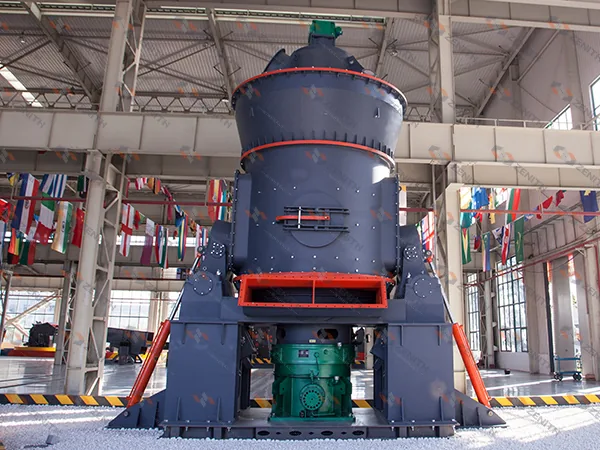
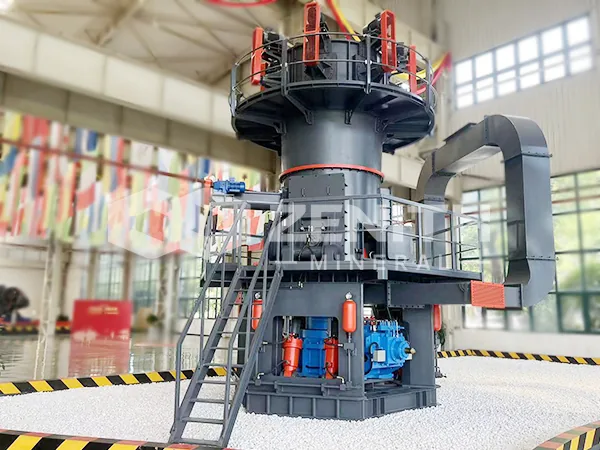
High-titanium slag powder making equipment: finished product specifications 70-200 mesh, capacity 2-3t/h
2025-12-01 22:54:49
In the specialized field of high-titanium slag processing, achieving consistent product specifications within the 70-200 mesh range at a reliable throughput of 2-3 tons per hour presents a distinct set of challenges. The abrasive nature of the material, coupled with stringent requirements for particle size distribution and production efficiency, demands grinding equipment engineered for durability, precision, and operational economy. As a leader in industrial comminution technology, we understand that selecting the right mill is not merely a purchase but a strategic investment in your production line's long-term viability and product quality.
The target fineness of 70-200 mesh places this application firmly in the realm of fine powder production. This range is critical for downstream processes, whether for use in welding flux, pigment production, or advanced ceramics, where particle uniformity directly influences final product performance. Capacity requirements of 2-3 t/h indicate a need for robust, continuous operation without the excessive footprint or energy overhead of oversized machinery.
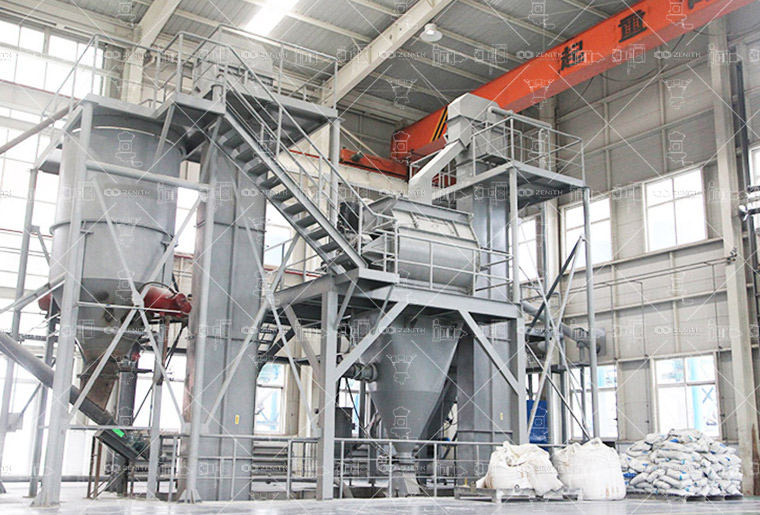
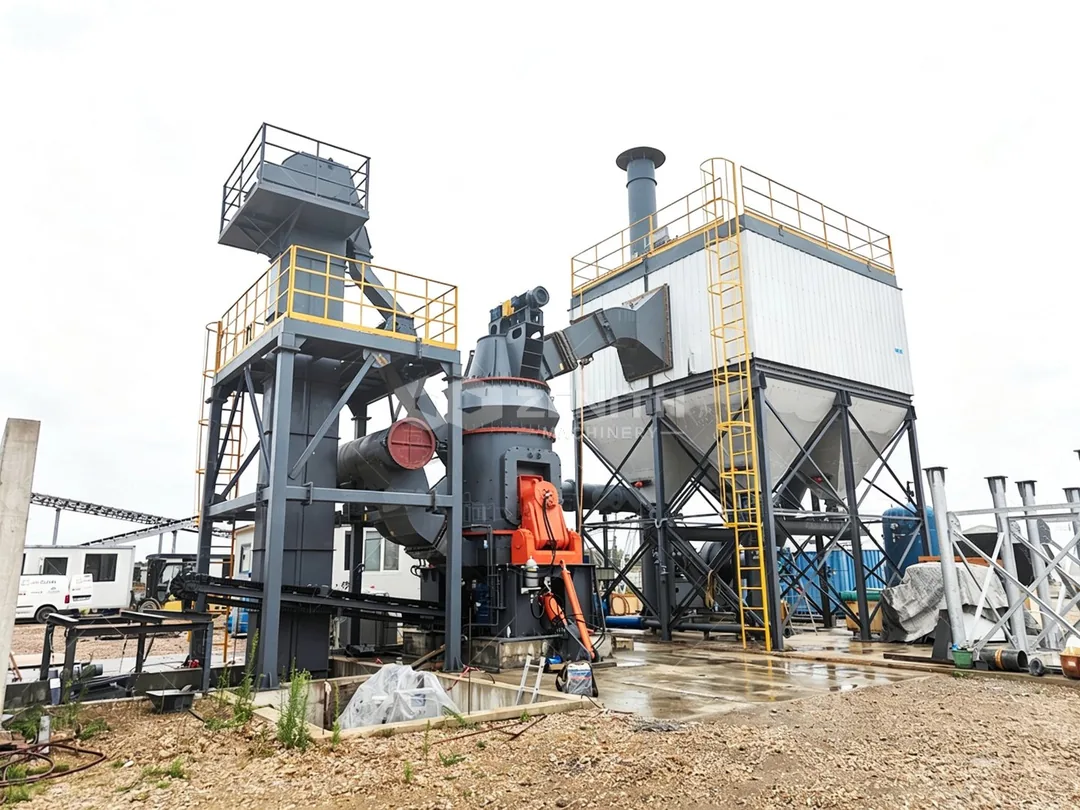
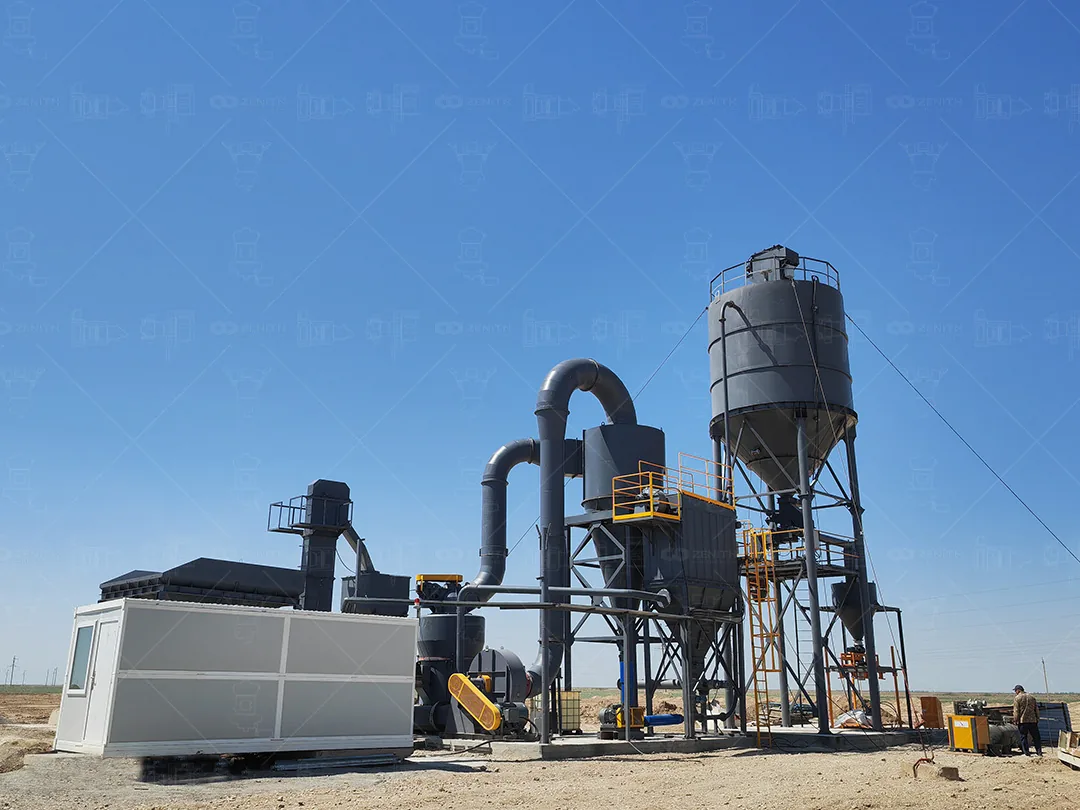
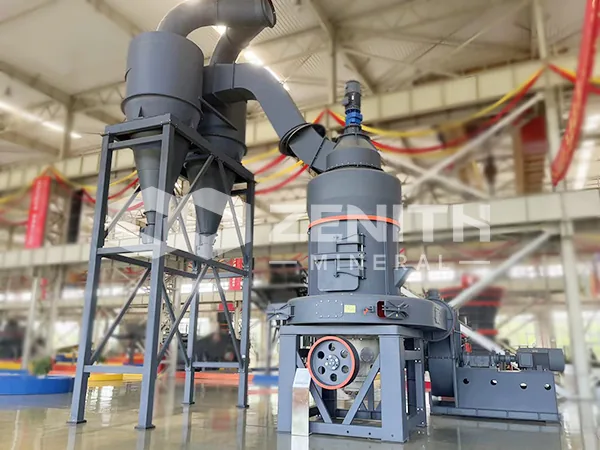
For this specific application, our MTW European Trapezium Mill and MTM European Trapezium Mill emerge as highly suitable candidates. Both series are engineered to excel in the 80-400 mesh range, effortlessly encompassing your 70-200 mesh target. Their design philosophy centers on creating a self-contained production system from bulk material to finished powder, which translates to less investment in auxiliary infrastructure. A standout feature for cost-sensitive operations is their demonstrated energy efficiency, consuming over 60% less power than a traditional ball mill of equivalent output—a critical factor in grinding abrasive materials like high-titanium slag.
The modular impeller adjustment device is particularly valuable for your needs. It allows for swift and precise calibration of output fineness simply by changing impellers, enabling you to shift production between, say, 70 mesh and 200 mesh with minimal downtime. Furthermore, the high-efficiency impeller fan (with induced air efficiency up to 85%) ensures effective material transportation and classification within the closed system, crucial for maintaining a stable product size distribution and a clean, dust-controlled work environment that meets international environmental standards.
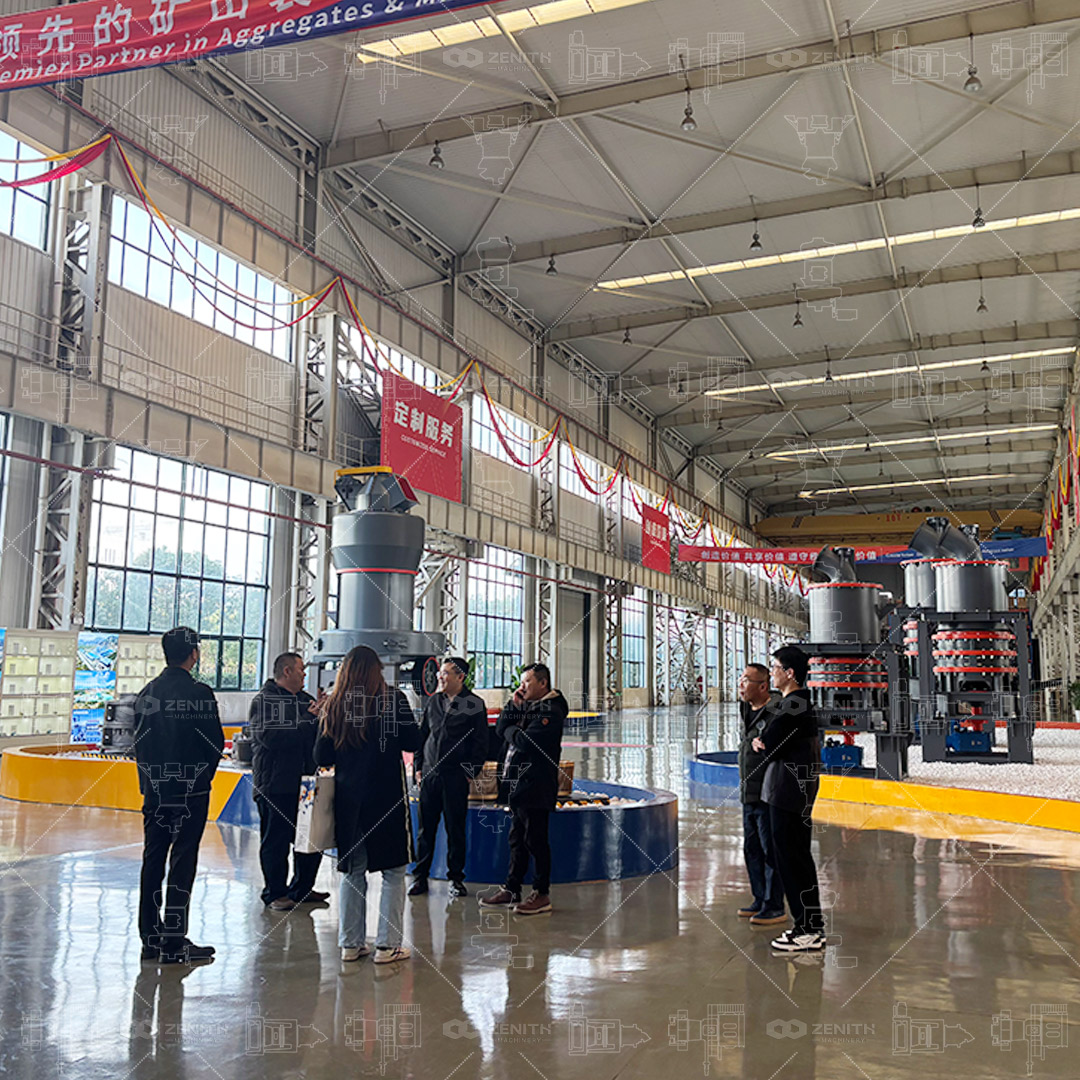
While trapezium mills offer an excellent balance, other technologies in our portfolio provide compelling alternatives depending on specific plant priorities. The LM Vertical Grinding Mill offers exceptional automation and stability for 24/7 operation, with a compact design that reduces footprint by approximately 50%. Its ability to control iron contamination is a notable advantage for applications where material purity is paramount. For operations that might anticipate a future need for even finer products, the XZM Ultrafine Grinding Mill presents remarkable flexibility, capable of producing powder from 325 to 2500 mesh, though its optimal capacity for the 70-200 mesh range would require careful model selection to match the 2-3 t/h requirement.
The working principle common to these advanced mills ensures consistency. Material is fed into the grinding chamber, crushed by rollers/rollers, and then pneumatically transported to an integrated dynamic classifier. Here, the 70-200 mesh separation occurs efficiently: fine, qualified powder is extracted to the cyclone collector, while coarse particles are rejected back to the grinding zone for further processing. This closed-circuit grinding under negative pressure is key to achieving high yield with minimal waste and environmental impact.
_1764600889729.jpg)
Beyond the machine itself, selection must consider the complete system. This includes feed consistency, drying requirements (if the slag has moisture), and final product collection. Our approach is to provide holistic solutions. With over 30 years of specialization in powder grinding, ISO, CE, and CU-TR certifications, and a global service network spanning more than 180 countries, we support your project from initial particle analysis and mill recommendation to installation, commissioning, and ongoing technical support. The goal is to deliver not just a machine, but a guaranteed production capacity of high-quality high-titanium slag powder, tailored to your operational and commercial objectives.
Frequently Asked Questions (FAQ)
- What is the primary advantage of using your trapezium mill over a traditional ball mill for high-titanium slag?
The primary advantages are significantly lower energy consumption (over 60% less), a more compact system with a smaller footprint, and superior airflow classification that provides better control over the 70-200 mesh product range with a narrower particle size distribution. - Can the equipment handle variations in the feed size or hardness of the high-titanium slag?
Yes. Our MTW and MTM mills are designed for a feed size of 0-35mm and are constructed with wear-resistant materials in key areas. The grinding force is adjustable, and the robust design allows it to handle typical variations in feedstock properties common in slag processing. - How is the desired fineness (e.g., 70 mesh vs. 200 mesh) adjusted during operation?
Fineness is precisely controlled by adjusting the speed of the integrated classifier rotor, typically via a variable frequency drive (VFD) from the control panel. For major range changes, the modular impeller system allows for a physical change to optimize classification efficiency for the target mesh. - What dust collection or environmental protection features are included?
The entire grinding system operates under negative pressure. It is standardly equipped with a high-efficiency pulse jet bag dust collector (or cyclone plus bag collector), ensuring dust-free operation and emissions that comply with strict international environmental standards like CE. - What is the typical lead time for such a grinding system?
Lead time depends on the specific model and configuration. For standard models targeting 2-3 t/h, it typically ranges from 30 to 60 days ex-works. We recommend early engagement to finalize technical specifications and planning. - Do you offer after-sales service and technical support globally?
Absolutely. With overseas offices in over 30 countries and a network covering 180+ regions, we provide comprehensive after-sales support, including installation supervision, operator training, remote troubleshooting, and a ready supply of genuine wear parts. - Can you assist with the entire plant design, not just the mill?
Yes, we offer turnkey project consultancy. Our engineering team can assist with layout design for the complete grinding section, including feed systems, grinding, classification, collection, and packing, ensuring all components work in harmony for optimal 2-3 t/h production.