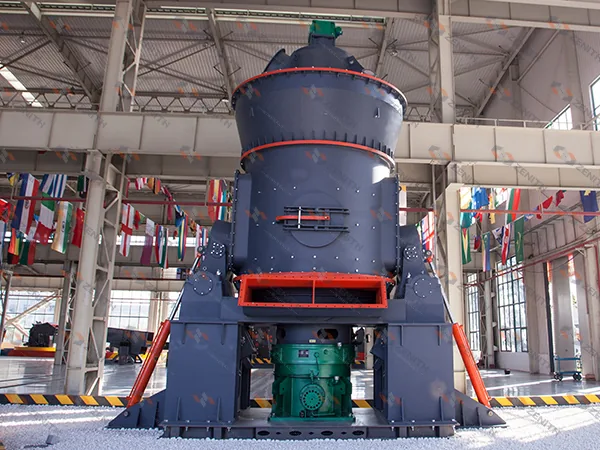
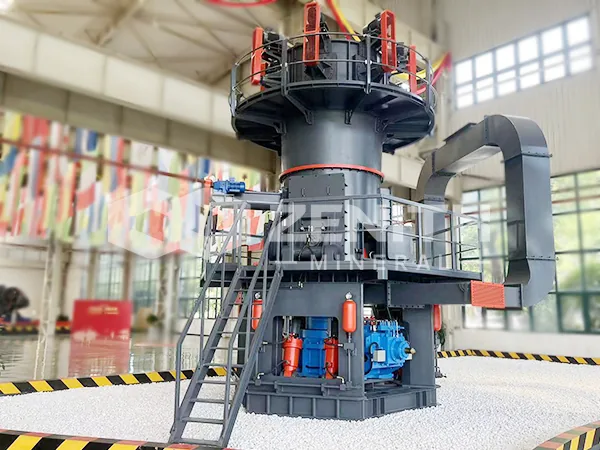
Waste aluminum ash, overhaul slag, and aluminum electrolyte are ground into powder for reuse.
2025-12-01 11:58:28
In today's environmentally conscious industrial landscape, the recycling of industrial by-products has become not just an environmental imperative but also an economic opportunity. Among these materials, waste aluminum ash, overhaul slag, and aluminum electrolyte represent significant challenges and opportunities for the aluminum industry. These materials, when properly processed, can be transformed from environmental liabilities into valuable resources through advanced grinding technology.
_1764561508517.jpg)
The Challenge of Aluminum Industry By-Products
The aluminum production process generates substantial amounts of waste materials that require careful management. Aluminum ash, a by-product of aluminum melting and refining processes, contains significant amounts of metallic aluminum alongside various oxides and salts. Overhaul slag, generated during furnace maintenance and repairs, presents similar composition challenges. Aluminum electrolyte, the spent material from electrolytic aluminum production, contains valuable components that can be recovered and reused.
Traditionally, these materials have posed disposal challenges, occupying valuable landfill space and potentially causing environmental concerns. However, with advancing technology and growing sustainability requirements, the industry is increasingly looking toward circular economy solutions that transform these waste streams into valuable products.
Grinding Technology: The Key to Unlocking Value
The transformation of these challenging materials begins with proper size reduction. Grinding these materials to specific particle sizes enables their effective reuse in various applications, from construction materials to secondary aluminum production. The choice of grinding equipment becomes critical, as these materials often present unique challenges including varying hardness, abrasiveness, and sometimes hazardous characteristics.
_1764561508519.jpg)
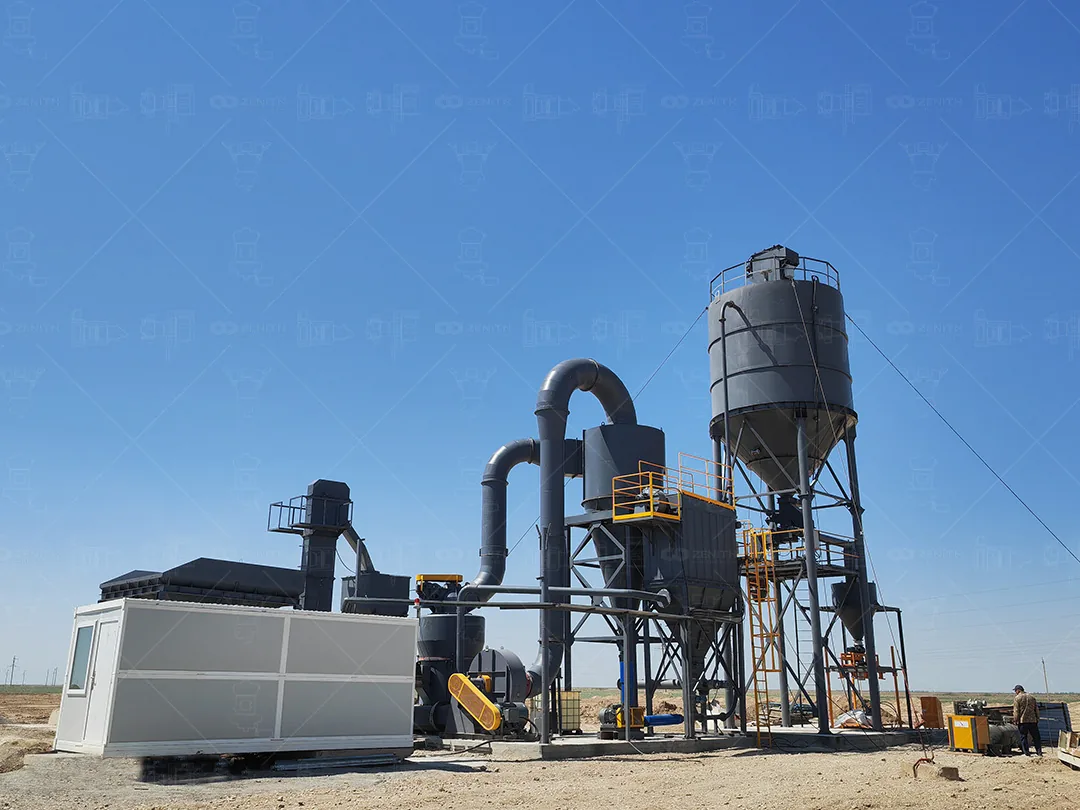
Shanghai Zenith Machinery, with decades of experience in industrial grinding equipment, has developed specialized solutions for processing these challenging materials. Our comprehensive range of grinding mills offers solutions for every stage of the recycling process, from coarse crushing to ultrafine powder production.
Equipment Solutions for Different Processing Requirements
MTW European Trapezium Mill for Fine Powder Production
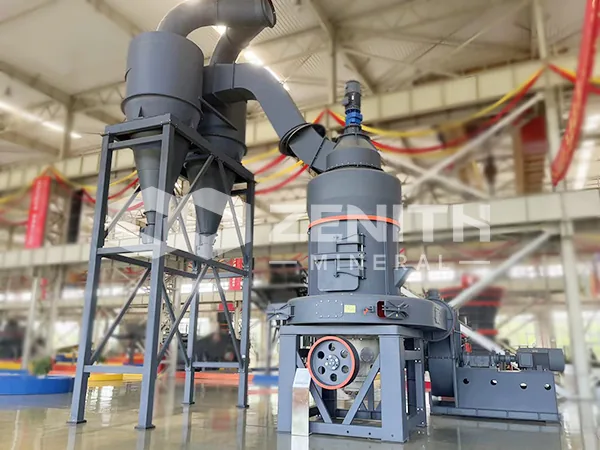
For operations requiring fine powder in the 80-400 mesh range, the MTW European Trapezium Mill provides an optimal solution. With capacity ranging from 3-22 T/H and the ability to handle input sizes up to 35mm, this mill excels at processing aluminum ash and overhaul slag into consistent fine powders. The system's energy efficiency – consuming 60% less energy than traditional ball mills – makes it particularly attractive for cost-conscious recycling operations.
The MTW series incorporates a modular impeller adjustment system that allows operators to easily adjust product fineness by changing impellers, providing flexibility to meet varying customer requirements. The high-efficiency impeller fan improves air induction efficiency from 62% to 85%, enhancing overall system performance.
LM Vertical Grinding Mill for Large-Scale Operations
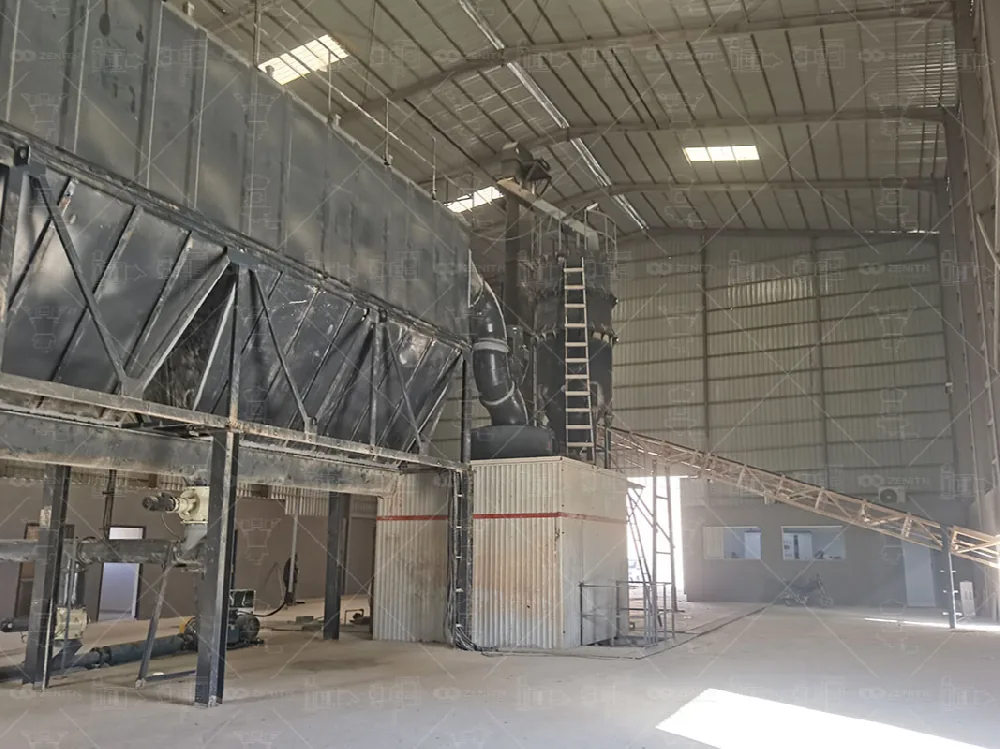
For facilities requiring continuous 24-hour operation and high throughput, the LM Vertical Grinding Mill offers robust performance with capacities from 3-340 T/H. This mill's automated control system enables remote operation and monitoring, reducing labor costs while maintaining consistent product quality. The sealed design operating under negative pressure ensures dust-free operation, meeting stringent environmental standards.
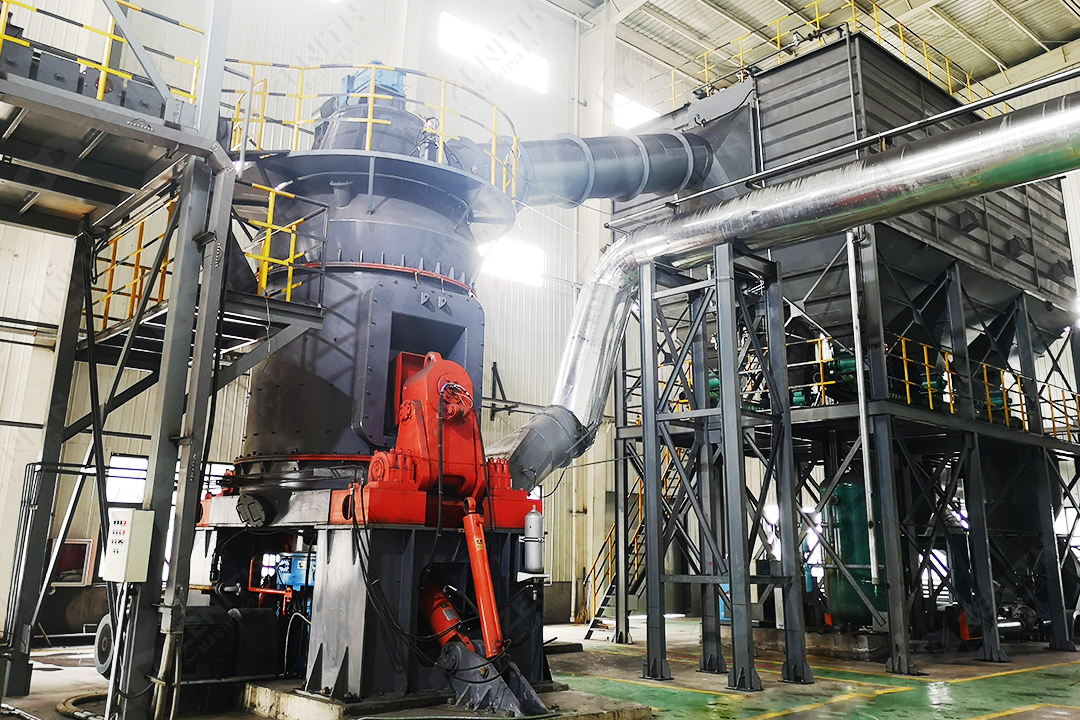
The LM Vertical Mill's ability to control product size, chemical composition, and iron content makes it particularly suitable for applications requiring high-purity recycled materials. Its compact integrated design reduces footprint requirements by approximately 50% compared to traditional ball mill systems.
XZM Ultrafine Grinding Mill for High-Value Applications
When the application demands ultrafine powders in the 325-3250 mesh range, the XZM Ultrafine Grinding Mill delivers exceptional performance. This mill's ability to produce powders with D97 < 5 microns in a single pass makes it ideal for high-value applications where particle size distribution critically impacts product performance.
The XZM series demonstrates remarkable efficiency, operating with 40% higher efficiency and 70% lower energy consumption compared to air-flow mills and stirring mills when producing the same powder under identical power conditions. The innovative chamber design eliminates rolling bearings and screws in the grinding chamber, addressing common failure points in conventional ultrafine grinding equipment.
Application Opportunities for Recycled Materials
The finely ground powders produced from these waste materials find applications across multiple industries. In construction, they serve as additives in cement and concrete production. In the chemical industry, they provide raw materials for various compounds. The recovered metallic content can be returned to aluminum production, closing the material loop and reducing primary resource consumption.
_1764561508524.jpg)
The specific application determines the required particle size distribution, chemical composition, and purity levels, all of which can be controlled through proper selection of grinding equipment and processing parameters. Zenith's range of equipment, capable of producing powders from coarse 3mm particles down to ultrafine 3250 mesh powders, ensures that processors can meet the precise requirements of their target markets.
Economic and Environmental Benefits
The economic case for recycling these materials continues to strengthen as landfill costs rise and raw material prices fluctuate. By implementing efficient grinding solutions, processors can transform disposal costs into revenue streams while contributing to environmental sustainability goals. The energy-efficient designs of modern grinding equipment further enhance the economic viability of these recycling operations.
Environmental benefits extend beyond waste reduction. By reusing these materials, processors reduce the need for virgin raw material extraction, lowering the overall environmental footprint of aluminum production and related industries. The advanced dust collection and emission control systems integrated into Zenith's equipment ensure that the recycling process itself meets the highest environmental standards.
_1764561508527.jpg)
Implementation Considerations
Successful implementation of these recycling processes requires careful consideration of material characteristics, production requirements, and site-specific factors. The varying composition of aluminum ash, overhaul slag, and aluminum electrolyte necessitates flexible equipment capable of handling different material properties. Moisture content, abrasiveness, and chemical composition all influence equipment selection and process design.
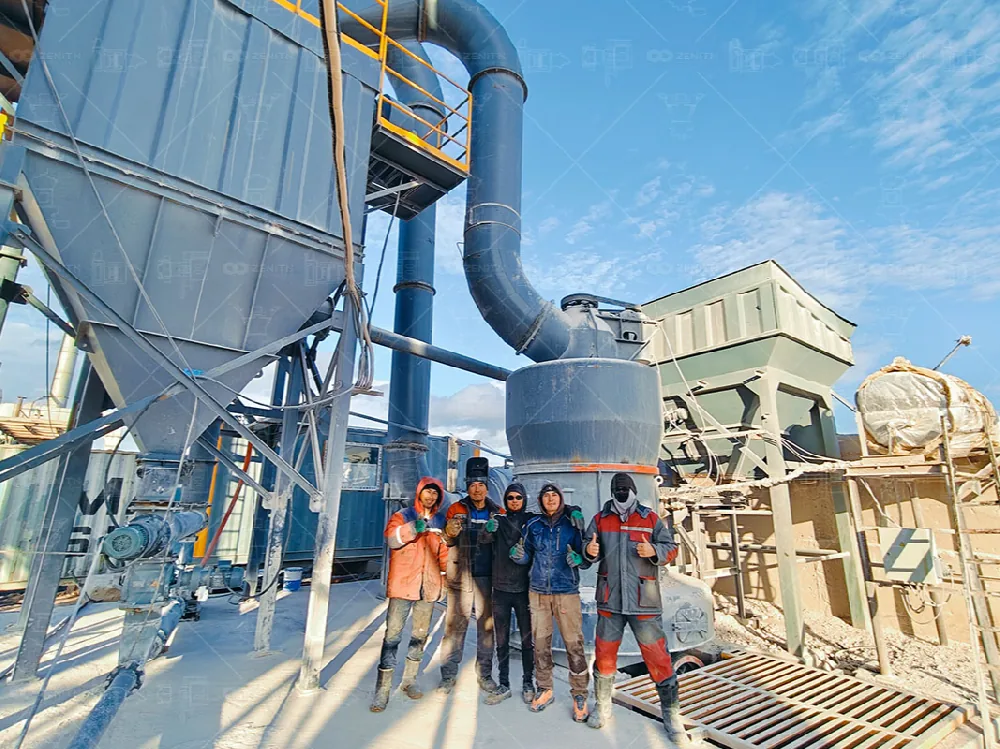
Shanghai Zenith's global experience, with marketing networks covering more than 180 countries and overseas offices in over 30 countries, provides valuable insights into successful implementation across diverse operating environments. Our equipment's certifications, including ISO international quality system certification, European Union CE certification, and Customs Union CU-TR certification, ensure compliance with international standards.
_1764561508528.jpg)
Future Outlook
As circular economy principles gain wider adoption and regulatory pressures increase, the recycling of industrial by-products like aluminum ash, overhaul slag, and aluminum electrolyte will continue to grow in importance. Advancements in grinding technology will further improve the efficiency and economics of these processes, enabling higher-value applications and broader market acceptance of recycled materials.
The integration of digital technologies, including remote monitoring and predictive maintenance, will enhance operational reliability and reduce downtime. Zenith's ongoing research and development efforts continue to push the boundaries of what's possible in material processing, developing increasingly efficient and versatile solutions for the recycling industry.
Frequently Asked Questions
What particle size range can be achieved when processing aluminum industry by-products?
Our equipment range can produce powders from coarse 3mm particles down to ultrafine 3250 mesh powders, allowing processors to meet specific application requirements across this entire spectrum.
How does the energy consumption of your grinding equipment compare to traditional ball mills?
Our advanced grinding mills typically consume 30-70% less energy than traditional ball mills while producing equivalent or superior results, significantly reducing operating costs.
Can the same equipment process different types of aluminum industry waste?
Yes, our mills are designed with flexibility to handle various materials including aluminum ash, overhaul slag, and aluminum electrolyte, though process parameters may need adjustment for optimal results with each material type.
What environmental controls are integrated into your grinding systems?
All our systems include comprehensive environmental controls including pulse dust collectors, negative pressure operation to prevent dust escape, and noise reduction features to ensure compliance with environmental standards.
How does the automation level affect operational requirements?
Our advanced automation systems enable remote monitoring and control, significantly reducing labor requirements and allowing for unmanned operation in many cases, while maintaining consistent product quality.
What is the typical maintenance requirement for these grinding systems?
Maintenance requirements vary by equipment type, but our designs emphasize easy access to wear parts, quick replacement capabilities, and long service intervals to maximize operational availability.
Can your equipment handle materials with varying moisture content?
Yes, our equipment range includes solutions for both dry and wet processing, and we can provide integrated drying systems for materials with higher moisture content that require preprocessing.
What technical support is available after equipment installation?
We provide comprehensive after-sales support through our global network of service centers and technical experts, including remote diagnostics, spare parts supply, and on-site service when required.