Mineral grinding mill for fine mineral powder processing
2026-11-17 00:25:41
Fine mineral powder processing is rarely just about buying a mill and switching it on. The powder must meet a target mesh, maintain consistent whiteness or purity, and fit into a plant that has to run day after day without excessive maintenance. That is why experienced operators look at the whole circuit: feed size, moisture, throughput, classification, dust collection, and the real cost per ton. At Shanghai Zenith, we build grinding equipment for coarse, fine, ultrafine, and micro powder ranges, and the choice usually comes down to matching the machine to the job rather than forcing one design to do everything.
_1794846341676.jpg)
Matching the Mill to the Powder
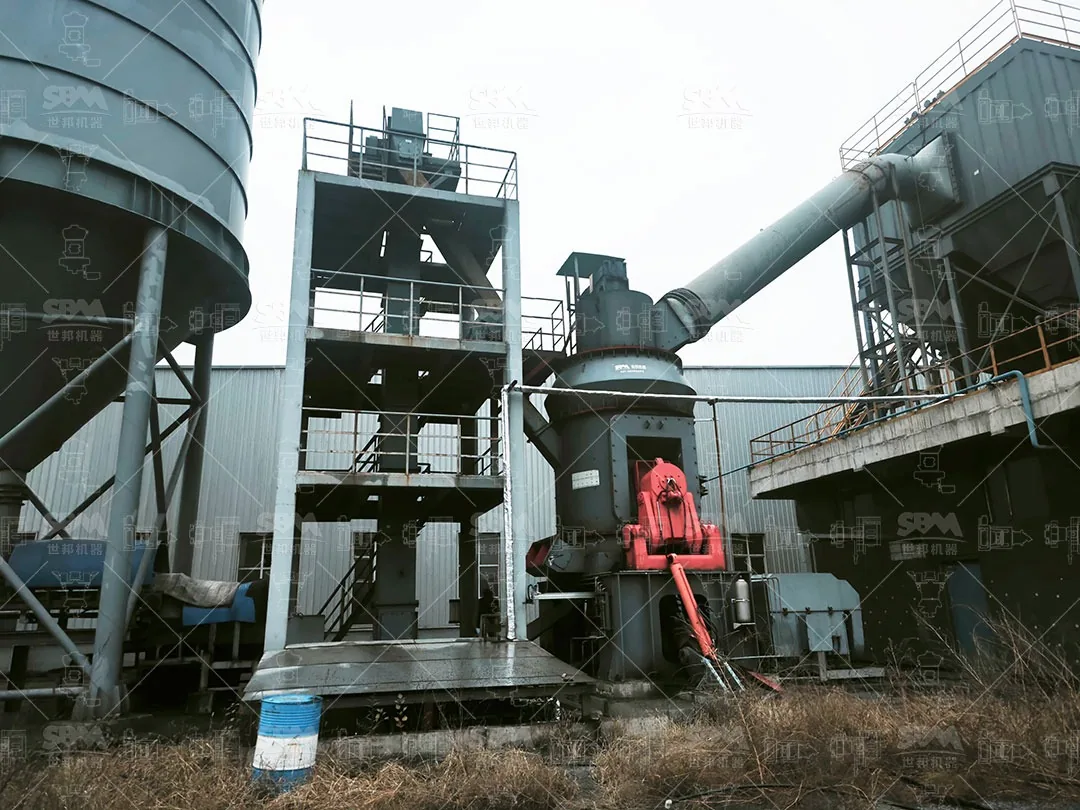
For many fine powder projects in the 80–400 mesh range, the MTW European trapezium mill is a practical starting point. It handles input sizes up to 35 mm and offers capacities from 3 to 22 t/h, with larger models capable of high output under suitable conditions. Its integrated production system reduces foundation work, and the modular impeller adjustment lets operators change fineness by changing impellers rather than rebuilding the entire classifier. The MTM trapezium mill follows a similar logic for 80–400 mesh applications. It has a long practical history, adapts to a wide range of materials, and keeps investment and floor space relatively low. Both designs use an efficient induced-draft fan and a pulse dust collector, which matters when the plant must meet strict environmental standards.
_1794846341678.jpg)
Vertical Mills for Continuous Operation
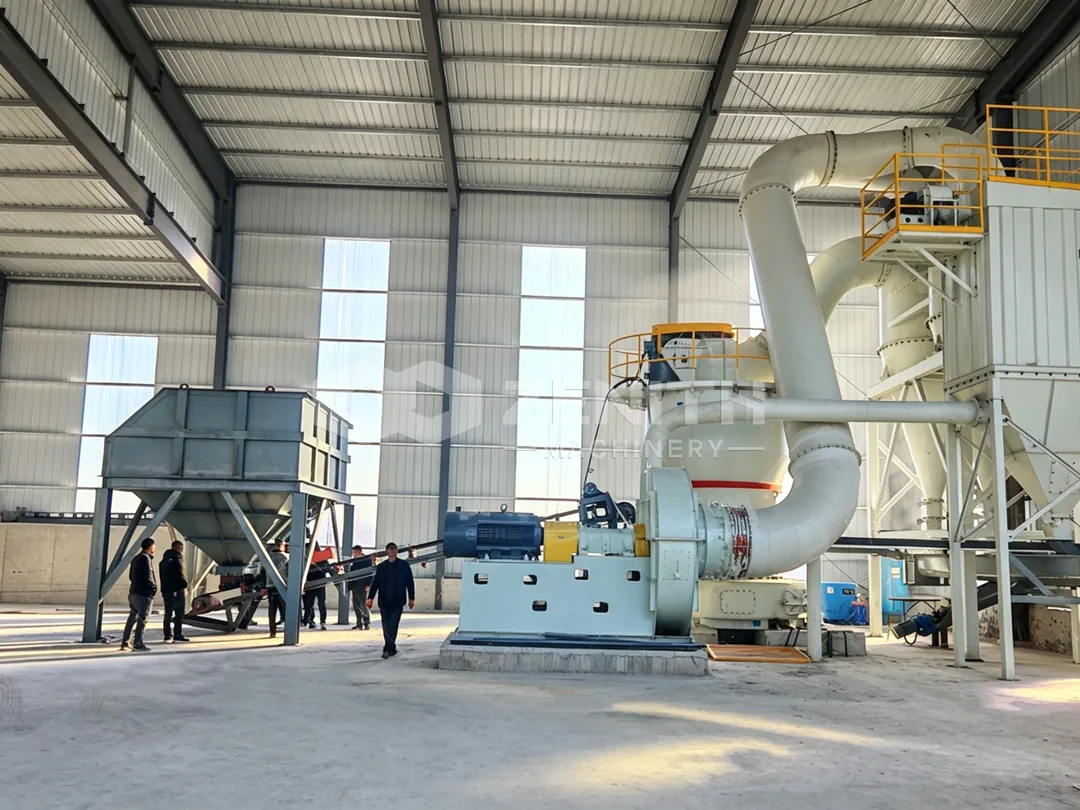
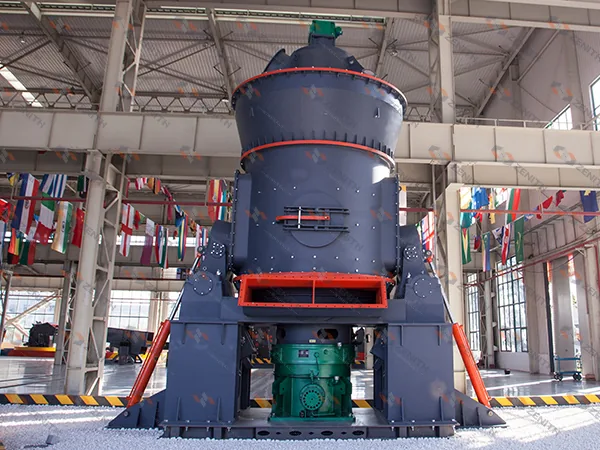
When the project requires continuous operation, large capacity, and stable product quality, the LM vertical grinding mill is often the better fit. Its capacity range reaches up to 340 t/h, with input sizes up to 70 mm and output from 80 to 400 mesh. The compact integrated design covers roughly half the area of a conventional ball mill system, and the automatic control system supports remote or local operation. Because the mill runs under negative pressure and is sealed, dust spillover and noise are minimized. For cement, slag, coal, and large mineral powder plants, that combination of automation and environmental control can be more valuable than a lower initial equipment price alone.
_1794846341680.jpg)
When the Target Gets Finer
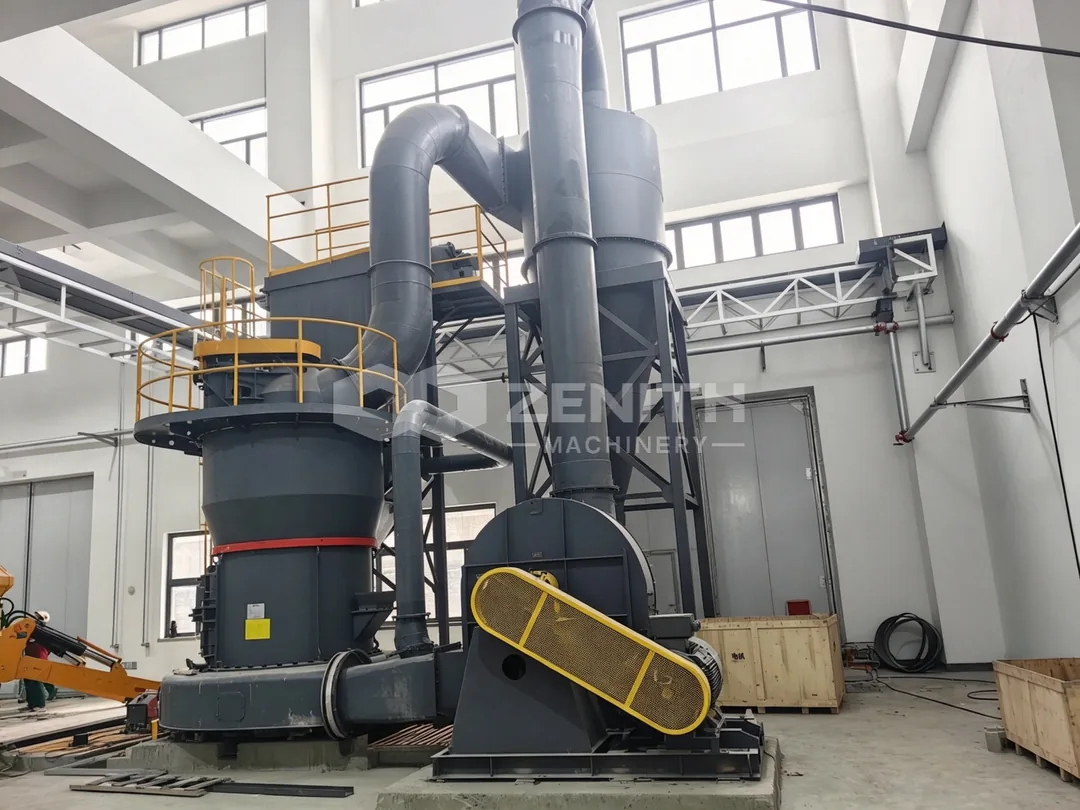
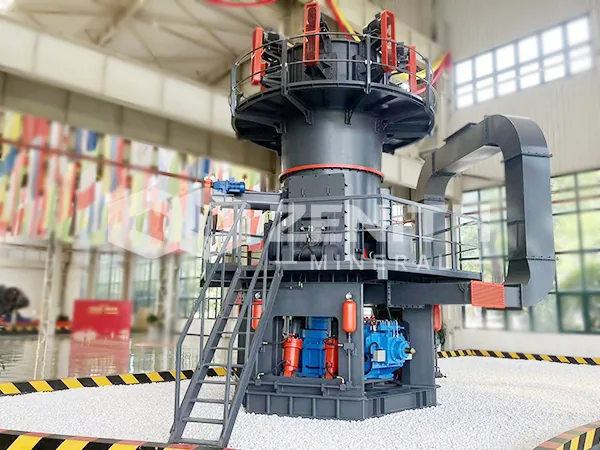
Ultrafine and micro powder applications need a different approach. The LUM ultrafine vertical grinding mill is designed for 325–2500 mesh products and integrates grinding, separation, and transportation. It uses hydraulic adjustment and a reversible structure to make roller and liner maintenance faster, while precise control of grinding pressure and speed helps reduce energy use. For even finer single-classification work, the XZM ultrafine grinding mill covers 325–3250 mesh and can reach D97 below 5 microns in one pass. Its classifier uses a variable-frequency drive, so operators can adjust rotor speed from the control panel instead of changing mechanical parts. These machines are common in paint, PVC, plastic, paper, chemical, and non-metallic mineral processing where consistency and purity are critical.
_1794846341682.jpg)
Practical Selection Notes
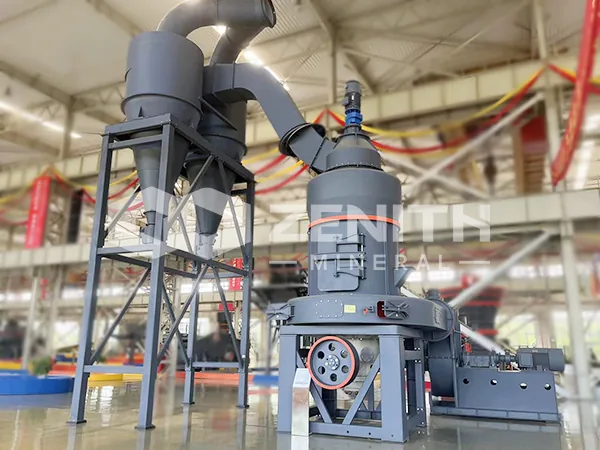
No single mill is best for every mineral. Raymond mills remain useful for 10–325 mesh preparation of mineral powder and pulverized coal, with intelligent electrical control and good screening efficiency. Hammer mills are better placed at the coarse end, producing 0–3 mm material for dry mortar, feed, agriculture, and construction applications. Ball mills still have a role where strong material adaptability, high grinding ratio, and dry or wet grinding are required, and mining ball mills are widely used in mineral processing and refractory, cement, fertilizer, glass, and ceramic operations. The real decision should be based on hardness, abrasiveness, moisture, target fineness, required capacity, and the maintenance resources available on site.
From Pilot to Plant Scale
A sensible fine powder project usually starts with material testing. Once the grindability and target product are clear, the circuit can be sized around the mill, feeder, classifier, fan, dust collector, and finished powder handling. Zenith equipment carries ISO, CE, and CU-TR certification, and our network covers more than 180 countries and regions, with overseas offices in over 30 countries. That local presence helps with installation planning, spare parts, and operator training. The goal is not simply to deliver a machine, but to build a powder line that produces the right fineness at a predictable cost per ton.
Frequently Asked Questions
1. What fineness can these mills achieve for fine mineral powder?
Depending on the model, the range runs from coarse powder below 3 mm to fine powder around 80–400 mesh, ultrafine powder at 325–2500 mesh, and micro powder up to 3250 mesh. The target mineral and required capacity affect the final selection.
2. How do I choose between MTW, MTM, LM vertical, and XZM ultrafine mills?
Start with fineness and capacity. MTW and MTM suit 80–400 mesh fine powder projects with moderate investment. LM vertical mills suit continuous, large-capacity plants. LUM and XZM are for ultrafine and micro powder targets.
3. Can one mill handle both coarse and fine production?
Usually not efficiently. Hammer mills and pre-grinding roller mills are better for coarse preparation, while trapezium, vertical, and ultrafine mills are designed for fine and ultrafine classification. A two-stage circuit is often more stable.
4. What about energy consumption and dust control?
Modern designs such as MTW, MTM, LM, and LUM use efficient fans, integrated classifiers, and sealed negative-pressure operation. Compared with older ball mill circuits, energy use and dust emissions can be significantly lower when the circuit is properly sized.
5. How much maintenance do these grinding mills need?
It depends on abrasiveness and operating hours. Modular impellers, hydraulic adjustment, reversible structures, and accessible wear parts reduce downtime. A planned inspection schedule for rollers, liners, and classifiers is still essential.
6. Can Zenith support projects outside China?
Yes. Zenith has a marketing network covering more than 180 countries and regions and overseas offices in over 30 countries, supporting material testing, configuration, installation guidance, and spare parts.