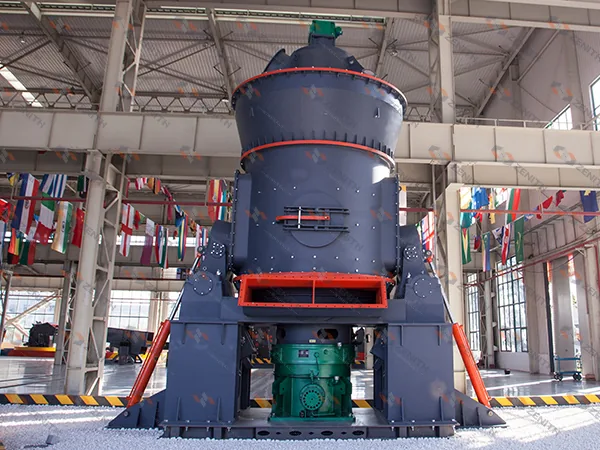
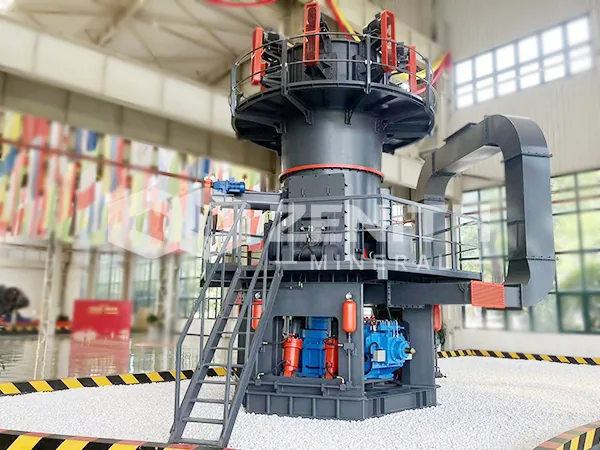
Clay raymond mill for ceramic and industrial applications
2026-11-16 00:27:58
Clay is one of the most common industrial minerals, but its processing requirements are far from simple. For ceramic manufacturers and industrial processors, the real challenge is not only grinding clay, but producing a consistent, clean powder at the required particle size while controlling energy use, dust, and maintenance. A Clay Raymond mill is often a practical starting point because it combines feeding, grinding, classification, and collection in a compact system and can handle a broad range of non-metallic minerals, including kaolin, ball clay, bentonite, fireclay, and other industrial clays.
_1794760078332.jpg)
Why a Raymond Mill for Clay Processing
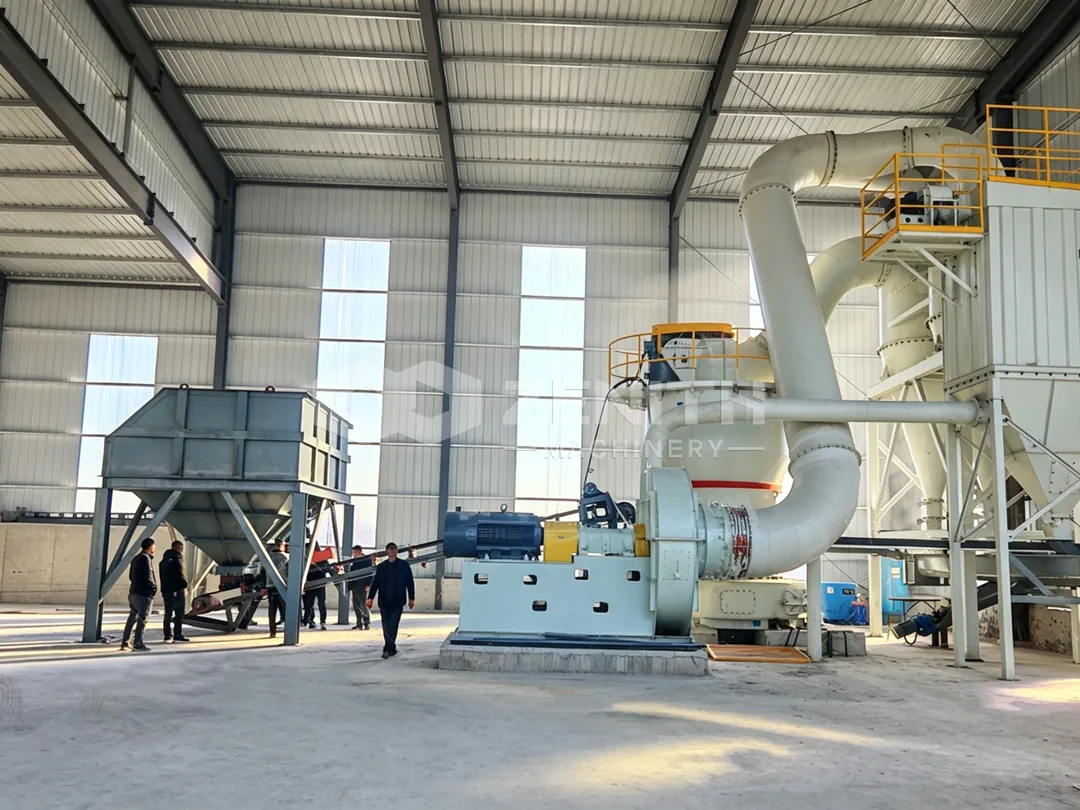
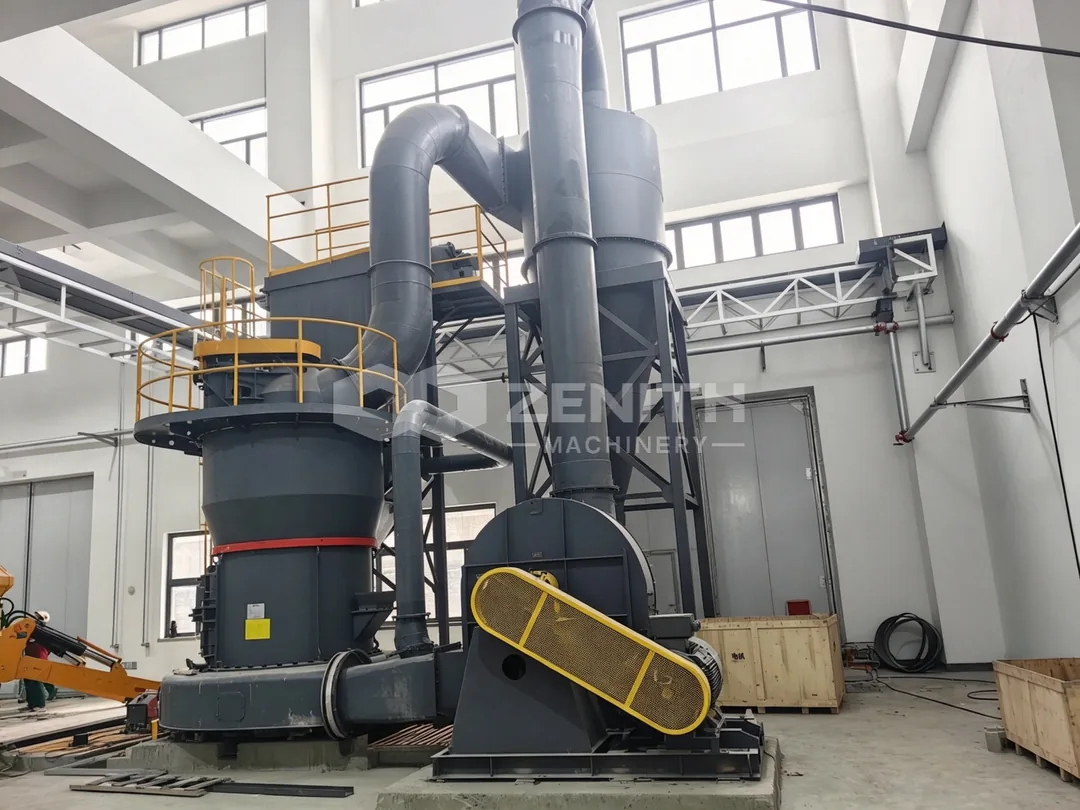
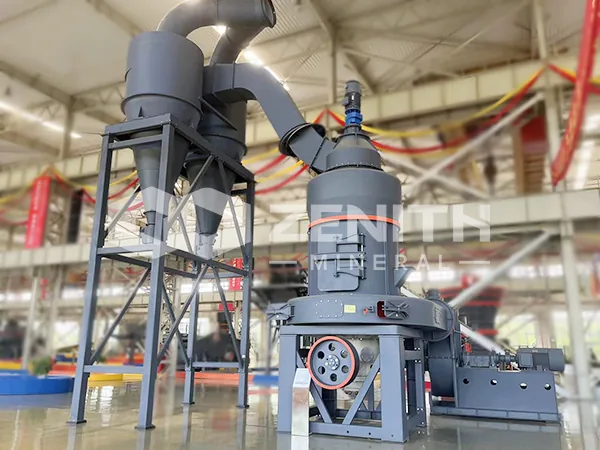
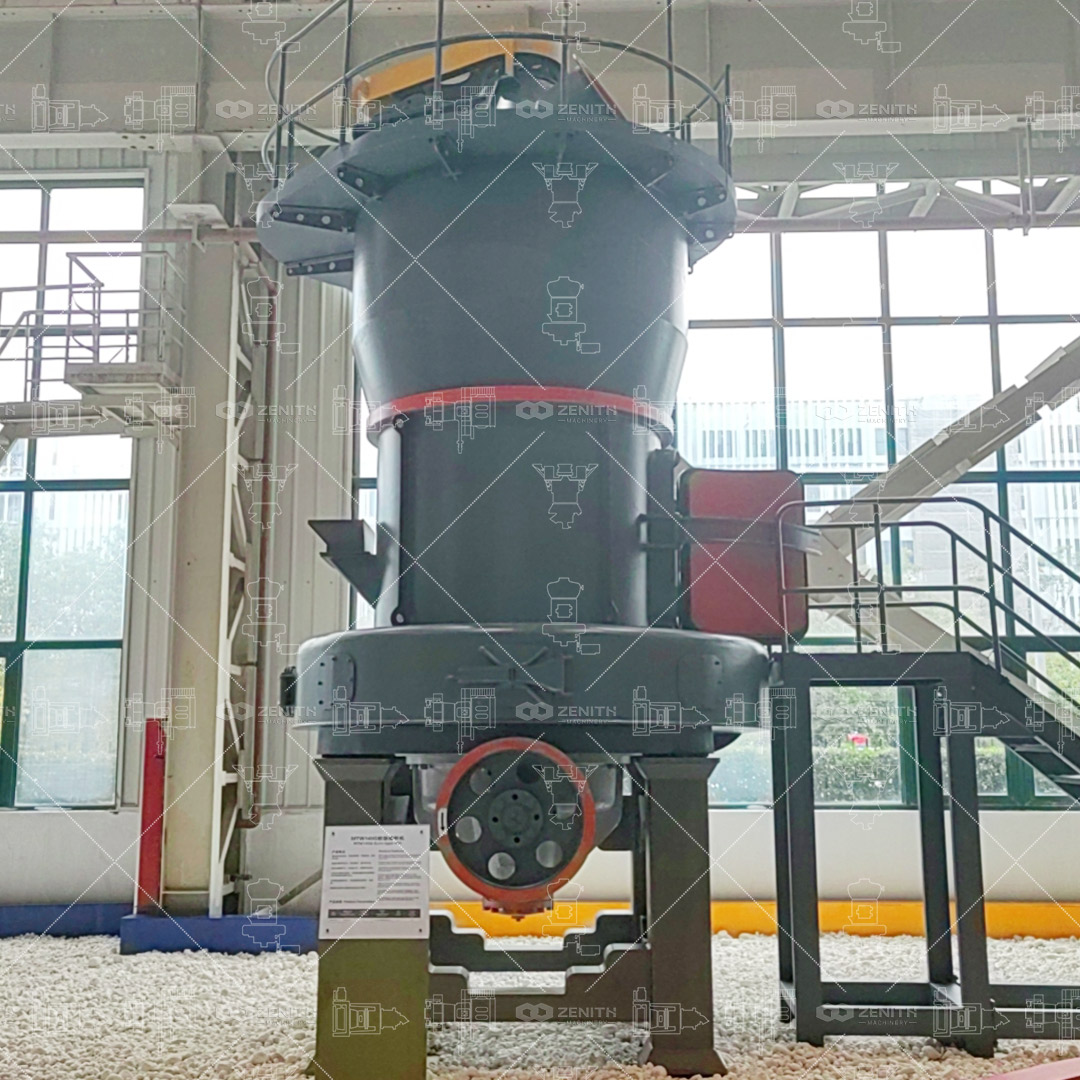
ZENITH Raymond mills are suitable for preparing various mineral powders and pulverized coal. The mill is also known as a high-pressure roller mill, and its long-term development has produced an upgraded design that better meets current production requirements. For many clay applications, the key advantages are straightforward: a small footprint, an independent production system from raw material to finished powder, well-distributed final product, and intelligent electrical control that can reduce manual intervention.
- Capacity: 3-22 t/h
- Input size: 0-35 mm
- Output size: 10-325 mesh
- 99% screening efficiency for well-distributed powder
- High-quality steel and wear-resistant materials for important and vulnerable parts
These features make the Raymond mill a flexible choice for ceramic raw materials, fillers, and general industrial clay powders. However, equipment selection should always be confirmed against the specific clay, moisture level, target fineness, and production schedule.
_1794760078333.jpg)
Ceramic Applications
In ceramics, clay powder quality directly affects forming, drying, firing, and final product appearance. Raymond mills can produce fine clay powders for body preparation, glaze raw materials, sanitaryware, tiles, and other ceramic products. The adjustable fineness range is useful because a tile body, a sanitaryware slip, and a glaze recipe may not require the same particle size distribution. Consistent powder also helps reduce variation in shaping and firing.
Ceramic producers are often sensitive to iron contamination and foreign particles. For these applications, the grinding circuit should be configured with suitable wear-resistant liners, properly selected grinding parts, and magnetic separation where required. A closed, negative-pressure system with a pulse dust collector also helps keep the working environment clean and supports environmental compliance.
Industrial Applications
Beyond ceramics, clay is used in paints, coatings, plastics, rubber, paper, chemicals, wall putty, agriculture, water treatment, and construction materials. A Raymond mill can prepare clay fillers and mineral powders in the 10-325 mesh range, which covers many of these industrial needs. The system's compact layout and relatively low investment make it attractive for plants that need a reliable, dedicated clay powder line.
When the target powder is finer or the capacity is larger, ZENITH offers other grinding options. The MTW European Trapezium Mill can produce 80-400 mesh fine powder, and the largest model can reach capacities up to 50 tph. The MTM European Trapezium Mill is a stable choice for 80-325 mesh mineral powder. For ultrafine clay products, the LUM Ultrafine Vertical Grinding Mill can reach 325-2500 mesh, while the XZM Ultrafine Grinding Mill can produce 325-3250 mesh powder with adjustable classification.
_1794760078335.jpg)
Matching Fineness and Capacity
Choosing a clay Raymond mill is not simply a matter of picking the largest model. The first step is to define the required fineness and particle size distribution. A ceramic body may need a different specification from a coating filler or a drilling mud additive. The second step is to confirm the expected capacity in continuous operation, not only the peak rate. Feed size, clay hardness, moisture, and bulk density all influence actual output.
For moderate capacities and 10-325 mesh products, a Raymond mill is often economical. For high-tonnage plants that require constant running and stable product quality, the LM Vertical Grinding Mill may be more suitable, with capacities from 3 to 340 t/h and output sizes from 80 to 400 mesh. For very fine ceramic fillers or specialty clay powders, the LUM and XZM ultrafine mills provide finer classification options. ZENITH's product range covers coarse powder, fine powder, ultrafine powder, and micro powder, so the process can be matched to the application rather than forced into a single machine type.
Quality Control and Support
ZENITH is a hi-tech engineering group specializing in the research, development, and production of industrial powder grinding equipment. Our equipment has ISO international quality system certification, European Union CE certification, and Customs Union CU-TR certification. Our marketing network covers more than 180 countries and regions, with overseas offices in more than 30 countries. This support network is valuable when a clay processing project requires commissioning, spare parts, and ongoing technical service.
Operational Notes
Stable feeding is essential for stable powder quality. The variable-frequency belt feeder or electromagnetic vibrating feeder should be adjusted to match the mill's grinding capacity. The classifier setting should be checked against the required mesh size, and the dust collector should be maintained to preserve negative-pressure operation. Routine inspection of grinding rollers, rings, and liners helps avoid unexpected downtime and protects product purity.
Frequently Asked Questions
1. What fineness can a Raymond mill achieve for clay?
ZENITH Raymond mills typically produce 10-325 mesh clay powder, depending on the material and configuration.
2. Is a Raymond mill suitable for ceramic-grade clay?
Yes, for many ceramic body, glaze, and filler applications. Iron control and dust collection should be considered in the system design.
3. What capacity range is available?
The Raymond mill range is generally 3-22 t/h. Larger capacity options include MTW and LM series mills.
4. Can the mill handle high-moisture clay?
Moisture should be assessed before selection. In some cases, drying or pre-treatment may be needed to maintain stable grinding and accurate classification.
5. How is powder fineness adjusted?
Fineness is controlled through the classifier and operating settings. The electric control system can help operators maintain the required specification.
6. How is dust controlled?
The system can be equipped with a pulse dust collector and operated under negative pressure to support a cleaner workshop environment.