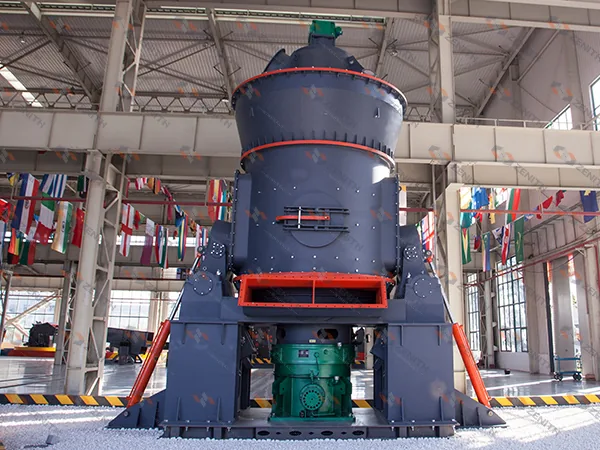
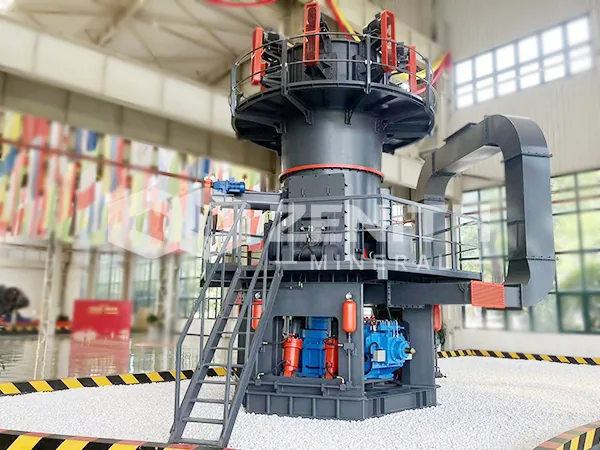
Carbon black raymond mill for industrial carbon black processing
2026-11-02 00:24:19
Carbon Black Processing: A Fine Powder Challenge
Carbon black is one of those industrial materials that quietly makes modern products possible. It reinforces tires, deepens the color of plastics, improves the conductivity of batteries, and gives inks and coatings their jet-black intensity. Yet processing carbon black is not simply a matter of grinding it to dust. The material is extremely light, tends to become airborne, and demands a tight grip on particle size distribution. In many plants, the difference between a smooth-running carbon black line and a constant maintenance headache comes down to the mill at the center of the process.
At ZENITH, we have spent decades working with industrial powder grinding equipment, and our Raymond mill has become a practical workhorse for carbon black processors who need reliable output in the 10–325 mesh range. With a capacity of 3–22 T/H and an input size of 0–35 mm, it fits comfortably into medium-scale carbon black operations without demanding a massive foundation or a sprawling building.
_1793550259832.jpg)
A Closer Look at ZENITH Raymond Mill
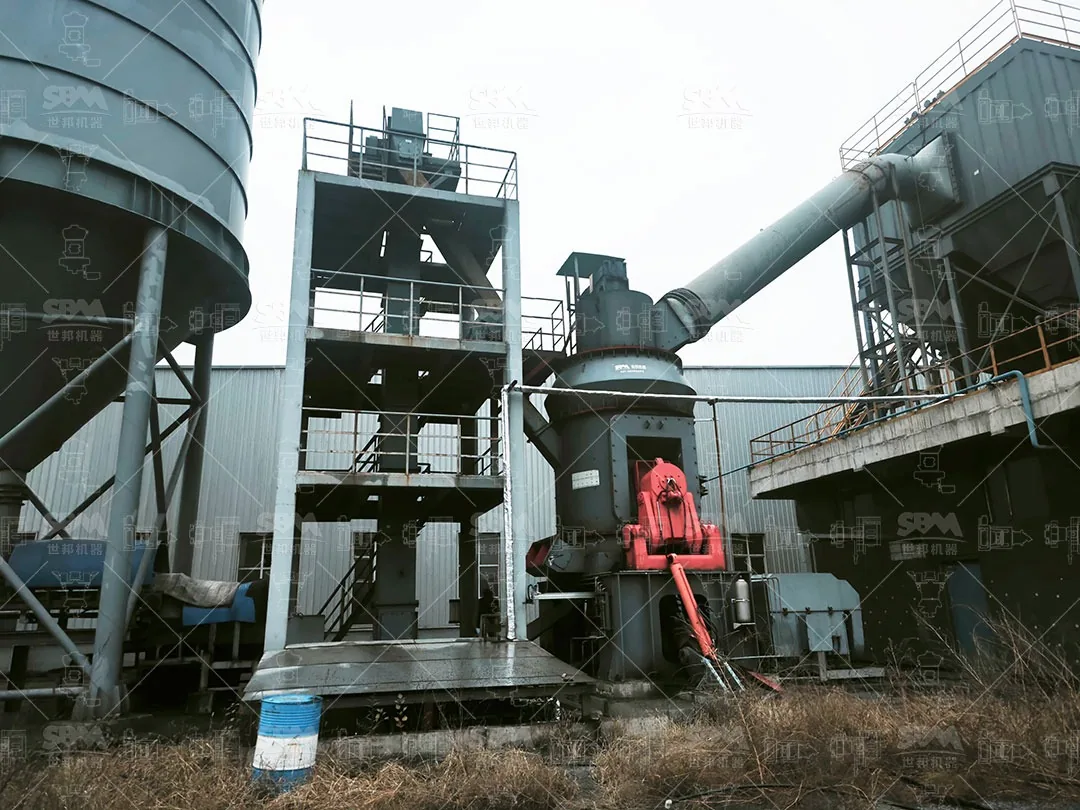
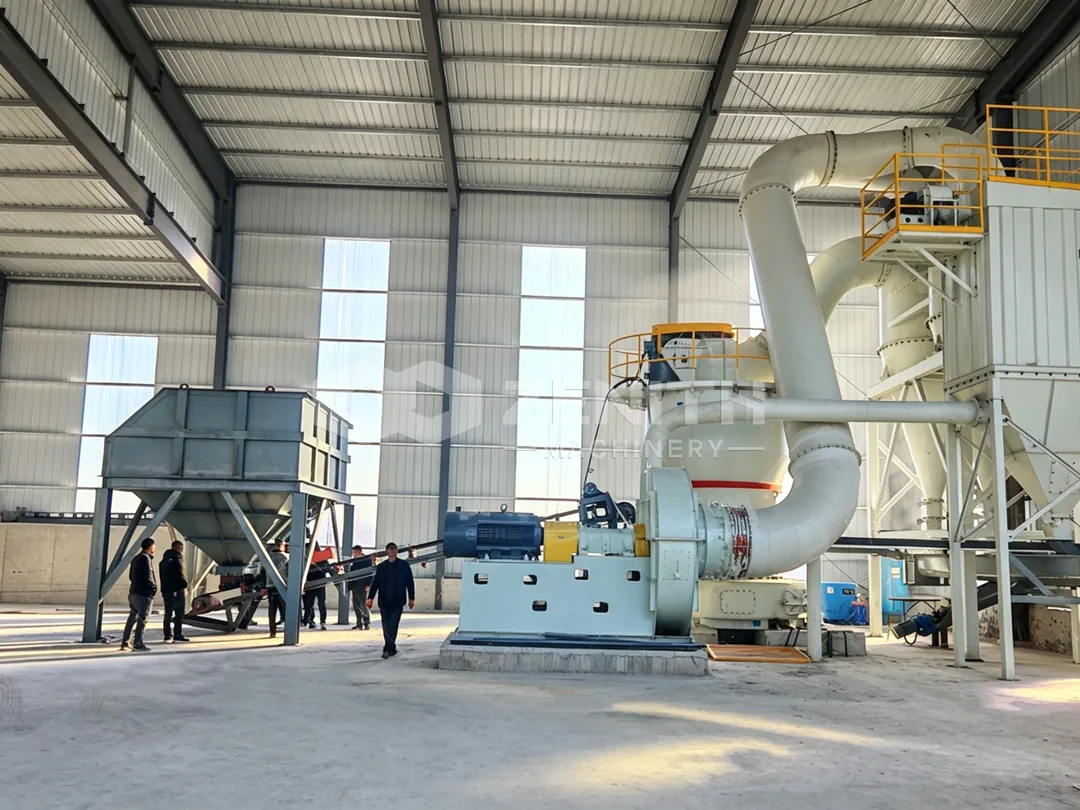
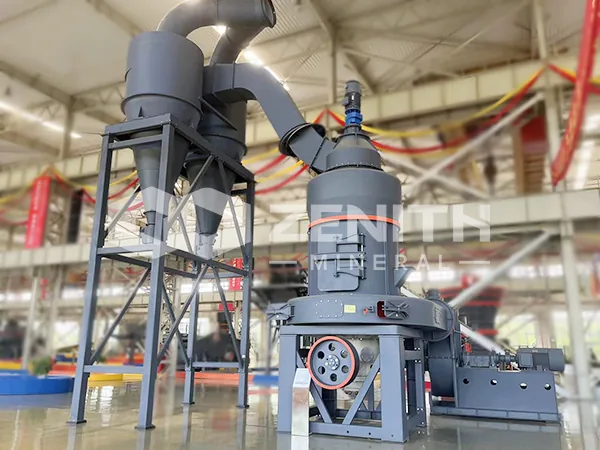
Our Raymond mill, also known as a high-pressure roller mill, is the result of long-term research and development. It is suitable for preparing various mineral powders and pulverized coal, and carbon black is a natural fit when the target fineness falls within its range. The machine is built as an independent production system, from primary material to final powder, yet it covers a relatively small area. That compact footprint matters in existing plants where every square meter has to earn its keep.
One of the details our customers notice first is the fineness distribution. The final powder is well-distributed, and 99% of it can pass through the target screen. In carbon black processing, that consistency is valuable because uneven powder can lead to inconsistent dispersion in rubber, plastic, or ink formulations. The mill also uses high-quality steel for important parts and abrasion-resistant material for vulnerable parts, which helps keep wear-related downtime in check. An intelligent electric control system supports labor-free work and maintenance, reducing the daily operating cost that often gets overlooked during equipment selection.
_1793550259835.jpg)
Inside the Grinding Process
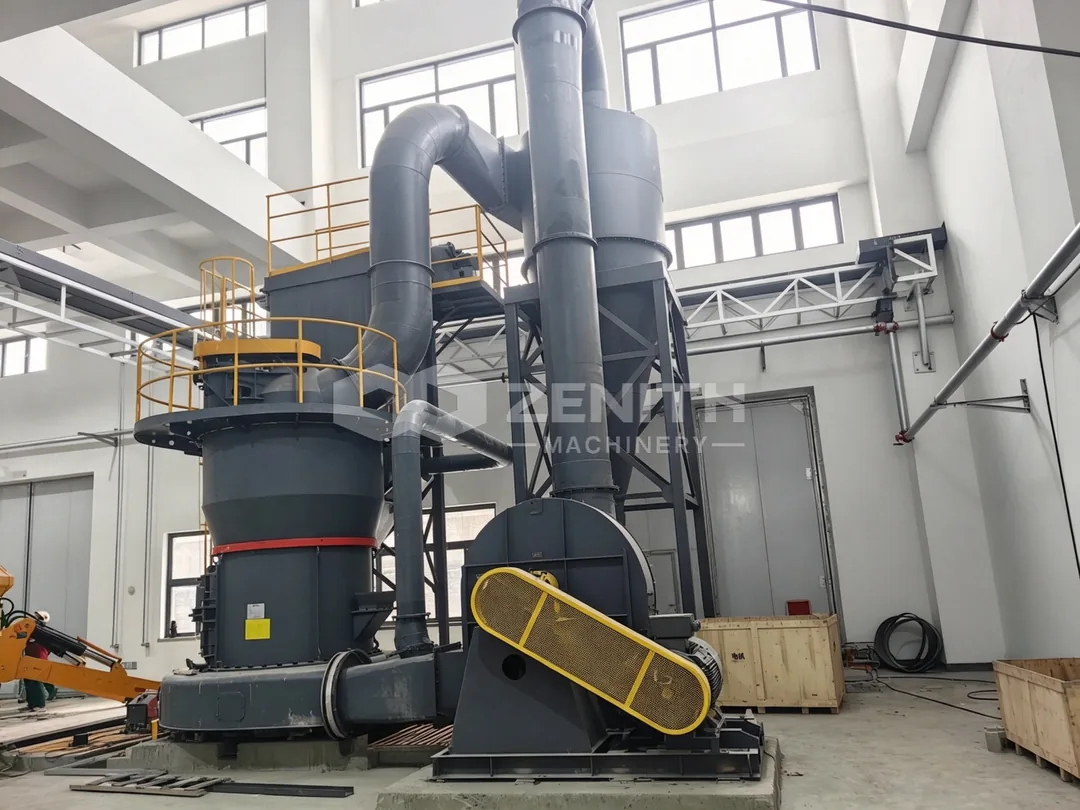
Understanding how the mill works helps explain why it handles carbon black so well. Material is added through the feed hopper on the side of the machine cover. Inside the main machine, the grinding roller device is suspended on a plum blossom frame. It revolves around the vertical axis while also rotating on its own. As it turns, centrifugal force swings the grinding roller outward and presses it against the grinding ring. The scraper scoops up the carbon black and sends it between the roller and the ring, where the material is crushed by rolling and pressing action.
This mechanical simplicity is part of the mill’s appeal. There is no complicated hydraulic circuit to nurse, and the grinding chamber is straightforward to inspect. For carbon black, however, the dust collection system is just as important as the grinding mechanism. Our Raymond mill is configured with a pulse dust collector, and the system operates under positive and negative pressure conditions. That design meets national environmental protection standards, which is essential when handling a material as fine and mobile as carbon black.
_1793550259837.jpg)
Practical Benefits on the Plant Floor
Walk onto a carbon black processing floor and you quickly learn what operators value: stable output, easy maintenance, and a mill that does not demand constant babysitting. The ZENITH Raymond mill checks those boxes in a few ways. The intelligent control system allows the workshop to move toward labor-free operation and maintenance. The high screening efficiency means less rejected powder and fewer rework loops. The compact, independent production system reduces the investment needed for building foundations and plant layout.
For companies that need to go finer than 325 mesh, we also offer complementary equipment such as the LUM ultrafine vertical grinding mill and the XZM ultrafine grinding mill, which can reach 325–2500 mesh and even 325–3250 mesh in some configurations. But for many carbon black grades used in rubber, plastics, coatings, and inks, the Raymond mill delivers the right balance of fineness, capacity, and cost. Our equipment carries ISO, CE, and CU-TR certification, and our marketing network covers more than 180 countries and regions, with overseas offices in over 30 countries. That global presence means spare parts and technical support are rarely a long wait away.
_1793550259839.jpg)
Choosing the Right Setup
No two carbon black operations are identical. Feedstock characteristics, target mesh, moisture content, and plant layout all influence the final configuration. Our recommendation is to start with a clear powder specification and a realistic production target, then let our engineers match the Raymond mill model, feeder, classifier, and dust collection system to your process. A short conversation about your material and output goals can save months of trial and error later.
FAQs
- Q: What fineness can the ZENITH Raymond mill achieve for carbon black?
A: It produces powder in the 10–325 mesh range, with well-distributed fineness and 99% screening efficiency. - Q: What is the typical capacity?
A: Capacity is 3–22 T/H depending on the model and material conditions. - Q: How is carbon black dust controlled?
A: The system is sealed and operates under positive and negative pressure, with a pulse dust collector that meets environmental standards. - Q: What input size does the mill accept?
A: The recommended input size is 0–35 mm after primary crushing. - Q: Does the intelligent control system really reduce labor?
A: Yes. The electric system supports labor-free work and maintenance, which lowers daily operating cost. - Q: Can ZENITH support overseas projects?
A: Yes. We have overseas offices in more than 30 countries and a network covering over 180 countries and regions.