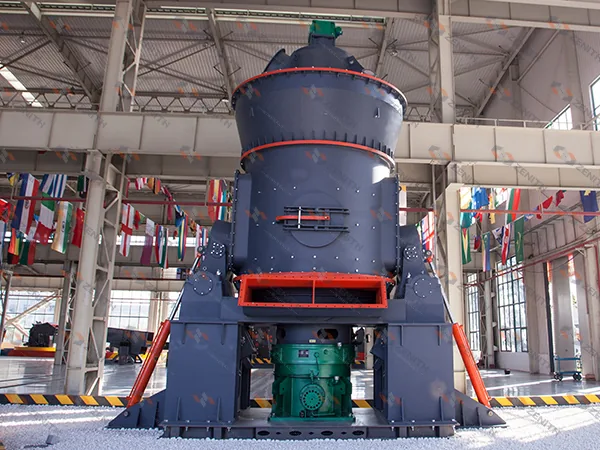
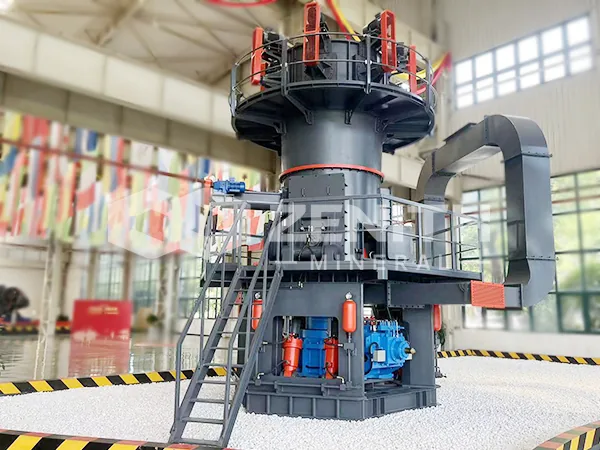
Australia quartz mtw215 grinding mill 28t/h 200mesh refractory material
2026-09-07 02:28:19
Quartz is one of the most abundant industrial minerals in Australia, and it plays a central role in refractory manufacturing. Producing reliable refractory-grade quartz powder, however, demands more than simple crushing. Refractory batches require a stable particle size, controlled contamination and a grinding system that can run at high throughput without frequent interruption. The MTW215 European trapezium mill manufactured by Shanghai Zenith is being used in an Australian quartz application to achieve 28 t/h of 200-mesh powder for refractory material production. This mill gives refractory producers a balanced combination of large capacity, adjustable fineness, lower energy consumption and compact mechanical design.
In high-temperature industries, refractory materials must resist thermal shock, chemical attack, erosion and mechanical wear. Quartz contributes to dimensional stability and thermal expansion control in castables, ramming mixes, gunning materials and kiln furniture. At 200 mesh, quartz powder has a particle distribution that allows dense packing and fewer macro defects after firing. Oversize grains can create localized weaknesses, while excessive ultrafine dust generated by uncontrolled milling can change the rheology of refractory mixes. Therefore, a grinding system capable of clean classification without producing too many fines is an important asset for the refractory producer.
Why 200-Mesh Quartz Powder for Refractory Materials?
Refractory formulations are designed for extreme service. Quartz is a common ingredient in refractory linings and ceramic shells because of its thermal behavior. The 200-mesh specification corresponds to a fine fraction that fills the spaces between coarser aggregates, helping to produce a coherent matrix after pressing, ramming or casting. If the quartz fraction is too coarse, the refractory may have high porosity and poor mechanical strength. If it is ground too aggressively, the production line spends extra energy and may create dust and compaction problems. The MTW215 solves this problem by relying on efficient roller grinding and a modular impeller classifier.
Why the MTW215 Is Suited to an Australian Quartz Project
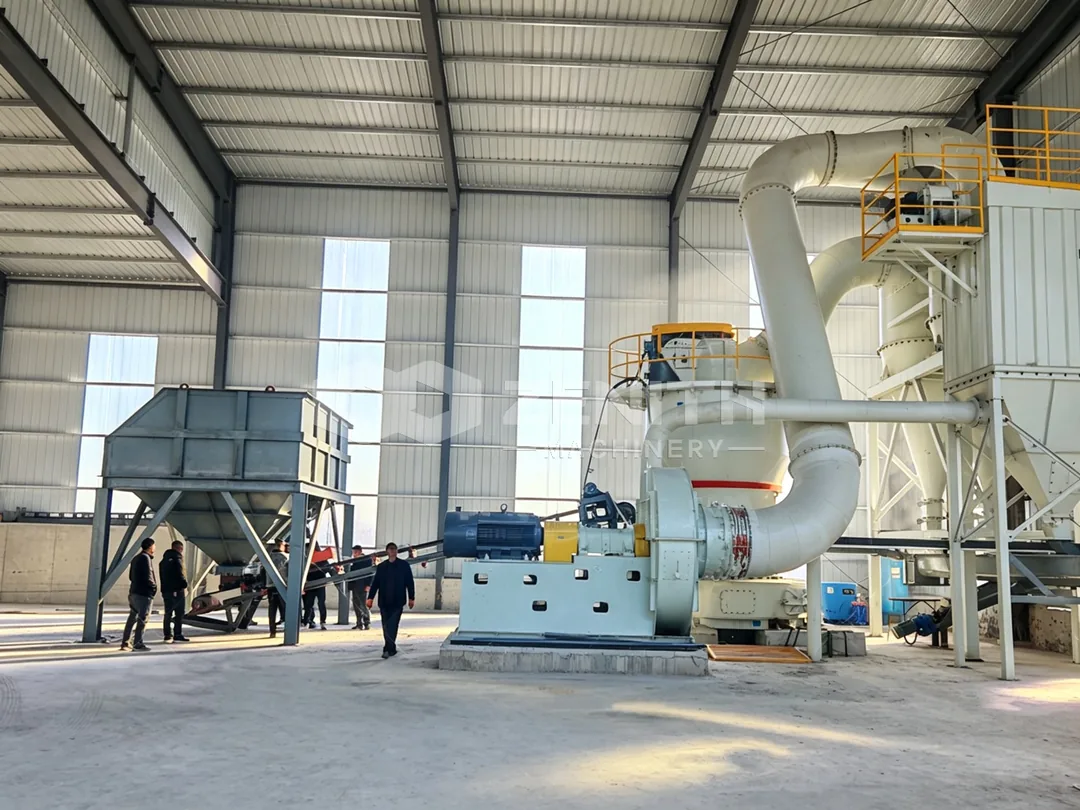
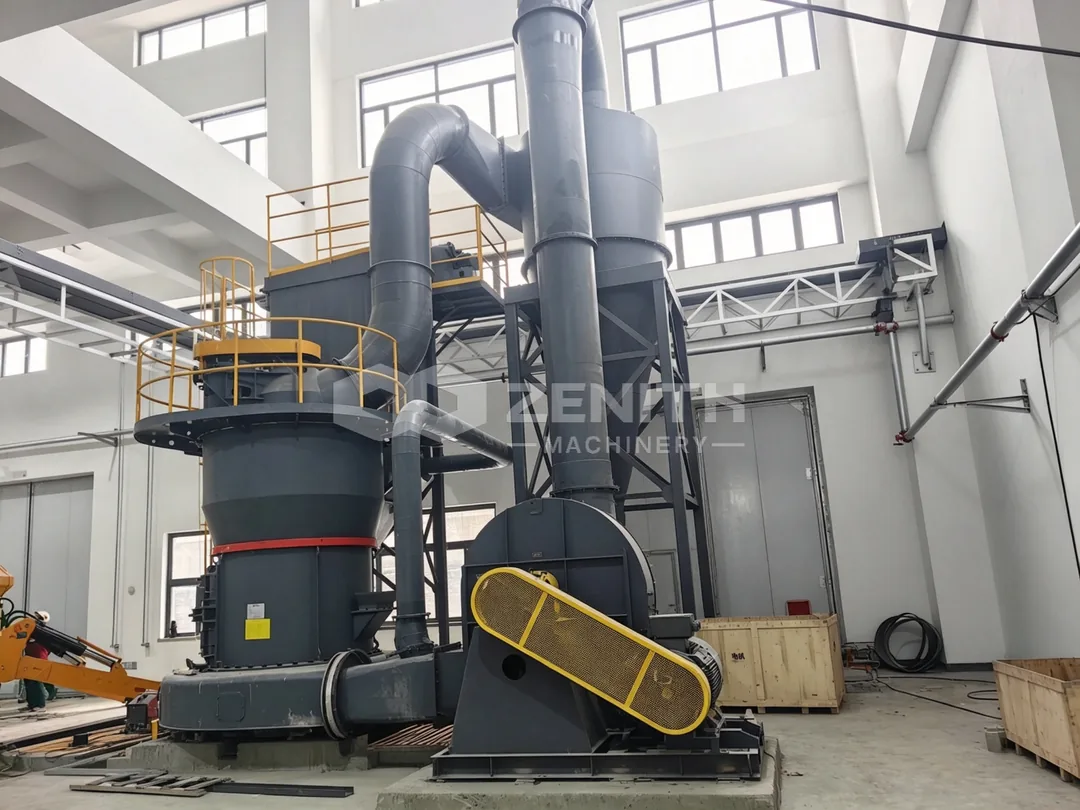
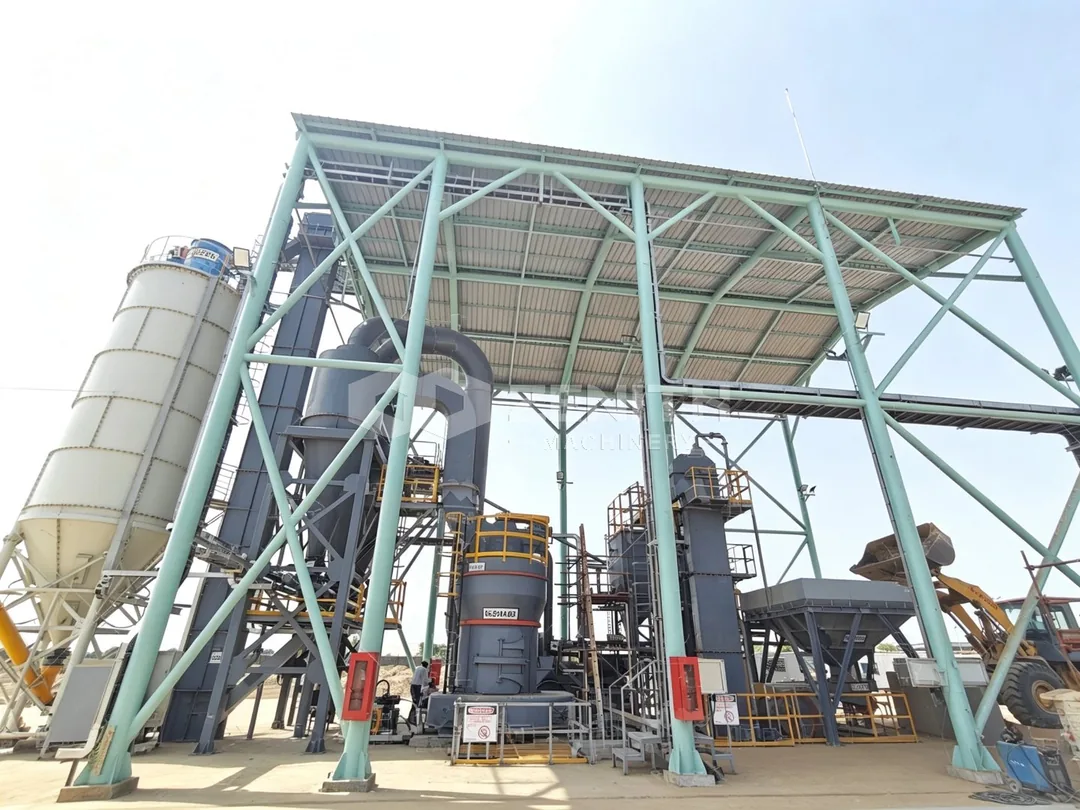
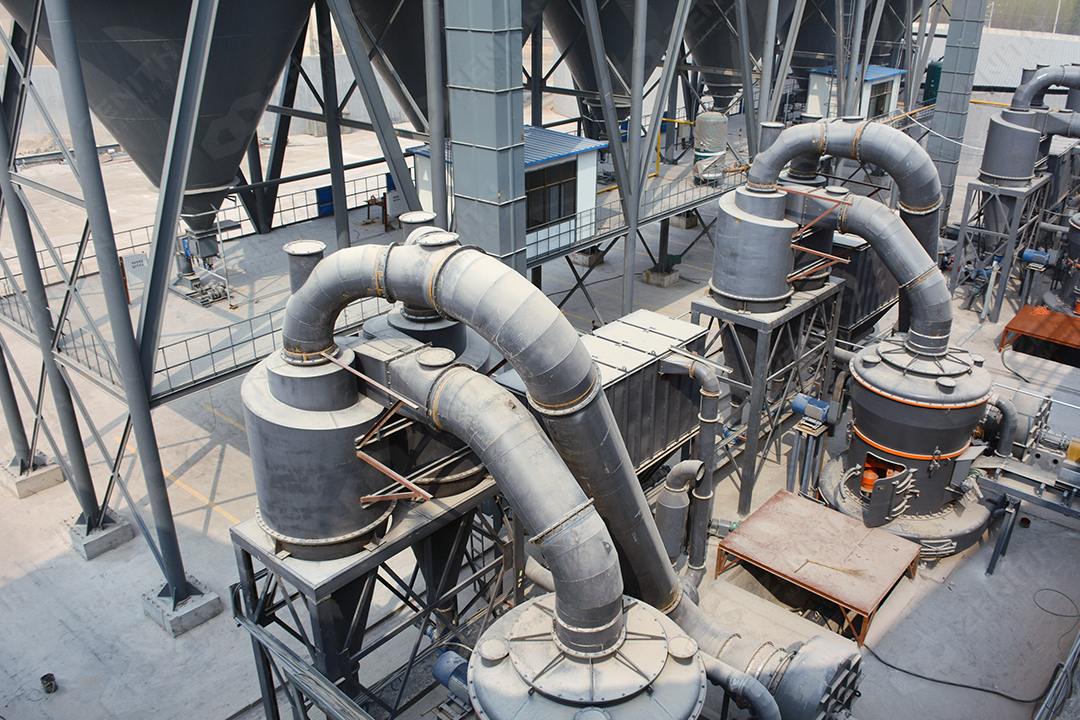
Australian quartz operations are often located in remote areas, where power consumption, maintenance labor and machine availability are decisive. The MTW215 is designed as a complete grinding system with its own material flow arrangement. From the initial feed to the finished powder collection, the mill minimizes the need for separate conveying, classifying and dust removal equipment. As a result, the plant's occupied area is smaller and the customer spends less on foundations and workshop construction.
The MTW series mills are capable of producing 80-400-mesh fine powder. A 200-mesh refractory product is therefore well within the machine's selection range. The classifier uses a modular impeller adjustment device. If the customer later wants 180 mesh, 250 mesh or another intermediate product, the impeller can be changed without an extensive mechanical rebuild. This is valuable for toll grinding plants and refractory material producers that supply different grades.
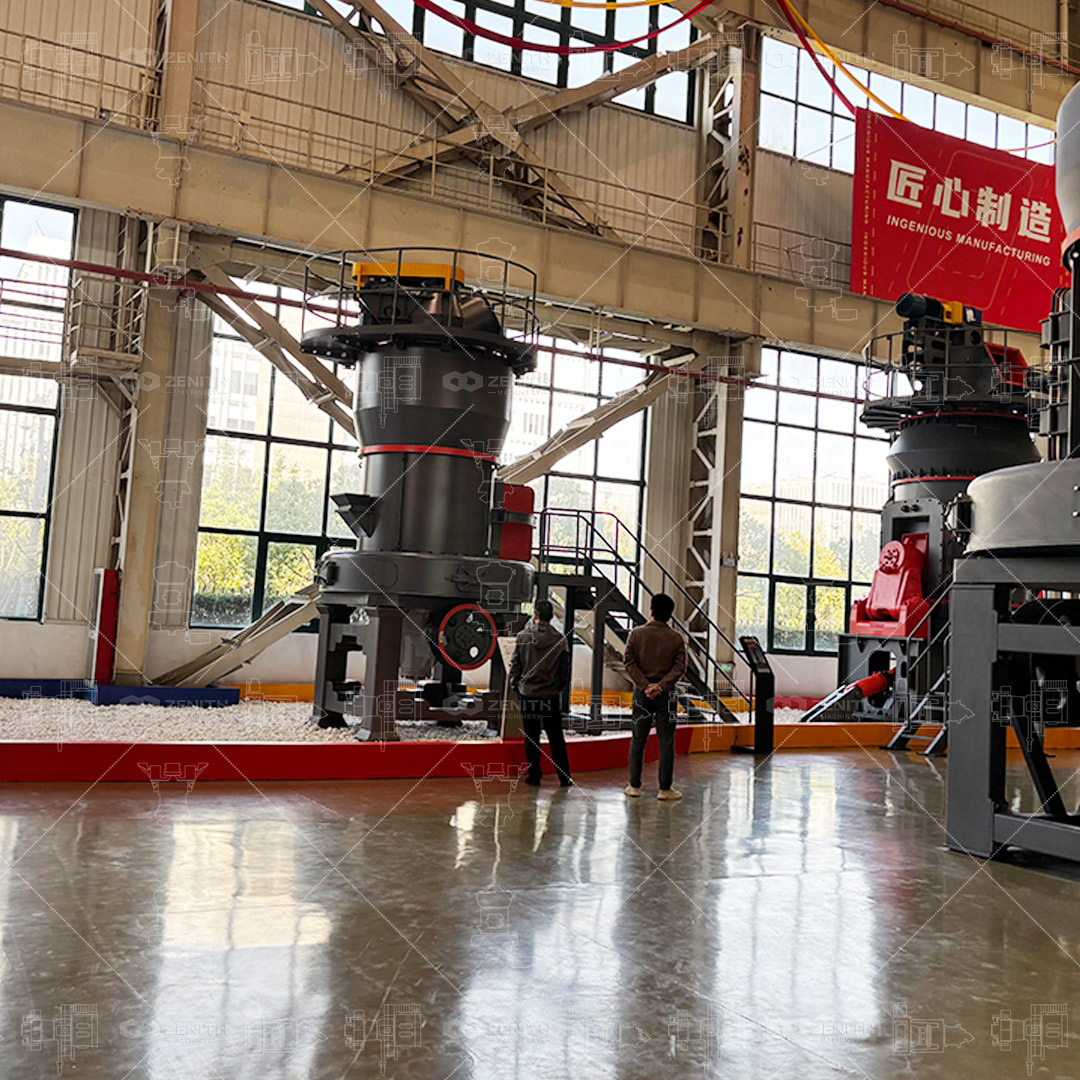
Lower Energy Cost and Higher Air Efficiency
Quartz is highly abrasive, and grinding it with inefficient machinery is costly. Under ideal operating conditions, an MTW series trapezium mill consumes more than 60% less energy than a ball mill of the same grade. For a 28 t/h feed rate, this energy saving can translate into substantial operating savings over a year, especially as Australian electricity prices remain high.
The MTW215 also has a high-efficiency impeller fan that improves induced air efficiency from about 62% to 85%. Better airflow means the powder separator receives a stable stream, the cyclone collector works more predictably and the mill does not lose energy through pressure fluctuation. Stable airflow also supports a cleaner working environment.
Working Principle: From 35 mm Feed to 200-Mesh Product
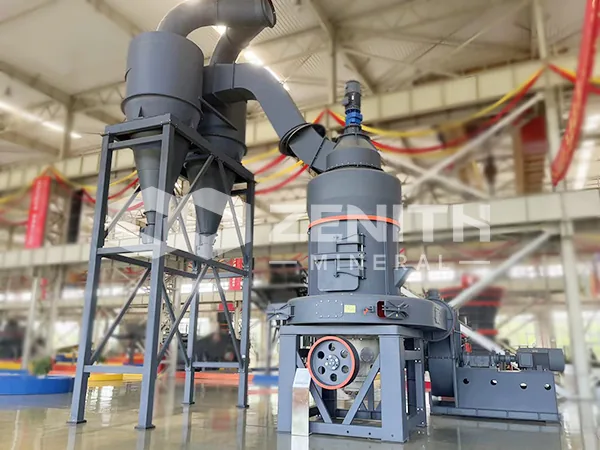
The raw quartz is first reduced to a nominal feed size under 35 mm by a crusher. Then, a variable-frequency belt feeder sends the material evenly into the main mill chamber for grinding. After the material is crushed, the fan airflow carries the ground powder to the powder selector. Qualified 200-mesh powder is separated and collected in the cyclone powder collector, while coarse particles fall back into the grinding chamber for another cycle. This recirculation continues until the full feed has reached the required fineness.
The entire milling circuit runs under controlled positive and negative pressure. The machine is equipped with a pulse dust collector, which controls fine dust and meets environmental standards in modern mineral processing plants. The operator can monitor the classifier speed and adjust production to maintain the 28 t/h target.
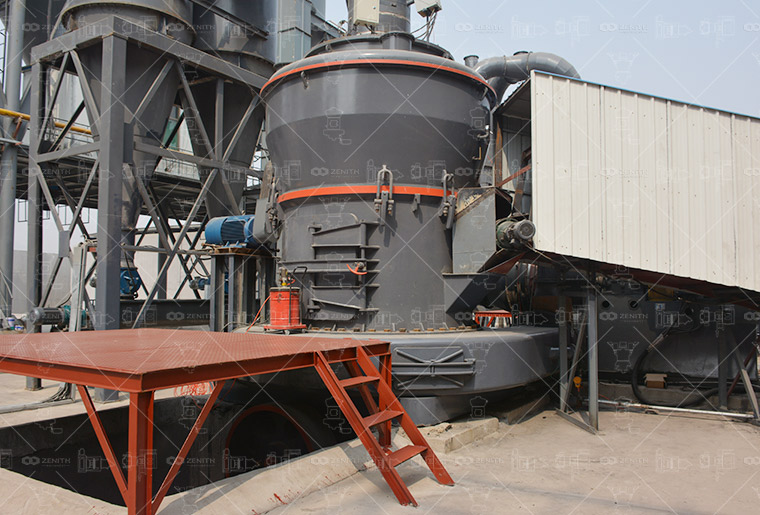
Durable by Design for Refractory Raw Materials
Refractory-grade quartz is often harder and more variable than limestone or clinker. The MTW215 construction is intended for continuous operation, using wear-resistant components and a grinding path that reduces direct metal-to-metal contact. Its internal classification system is compact, and the machine can be integrated into existing crushing and packing lines without major building modifications.
As part of ZENITH's global supply network, the MTW215 is backed by more than 180 countries of sales experience and overseas offices in more than 30 countries. This worldwide support makes it easier to source spare parts, arrange commissioning and obtain technical assistance after start-up. The equipment has received ISO quality management certification, European Union CE certification and Customs Union CU-TR certification, reinforcing its suitability for export projects in Australia and other markets.
Conclusion
Refractory material producers need consistent, manageable quartz powder. The ZENITH MTW215 European trapezium mill answers this need with a compact design, low energy consumption, modular classification accuracy and reliable 28 t/h output at 200 mesh. In Australia, where quartz quality varies and energy costs matter, the MTW215 gives mineral processors the confidence to produce refractory-grade powder without unnecessary complexity. For a material as demanding as quartz, this European trapezium mill is a practical solution for efficient fine grinding.
Frequently Asked Questions
1. Can the MTW215 really produce 28 t/h of quartz powder at 200 mesh?
Yes. In this Australian quartz refractory material project, the MTW215 is configured to produce about 28 t/h at 200 mesh. The exact output may depend on feed hardness, moisture, classifier speed and the condition of wear parts.
2. What is the feed size for the MTW215?
The recommended feed size for the MTW series is around 0-35 mm. A stable feed with less oversize material will give more consistent production and lower energy consumption.
3. What is the output fineness range of the MTW215?
The MTW series can produce fine powder in the range of approximately 80-400 mesh, depending on material and machine configuration. The 200-mesh refractory quartz product is comfortably within this range.
4. How much energy can the MTW215 save compared with a ball mill?
Under ideal operating conditions, the MTW series trapezium mill can use more than 60% less energy than a ball mill of the same grade. This is one of the key reasons it is chosen for high-tonnage quartz grinding in Australia.
5. Is the MTW215 able to meet environmental requirements?
Yes. The mill operates in a sealed system and under controlled negative pressure. It is equipped with a pulse dust collector, which controls dust spillover and contributes to a low-noise, low-dust production environment.
6. Can the same MTW215 be used to produce other powders besides refractory quartz?
Yes. MTW series mills are used for minerals such as limestone, gypsum, barite, phosphate rock, bentonite and many industrial minerals. The fineness adjustment system makes it easy to switch between different products, although cleaning and process adjustments will be required.