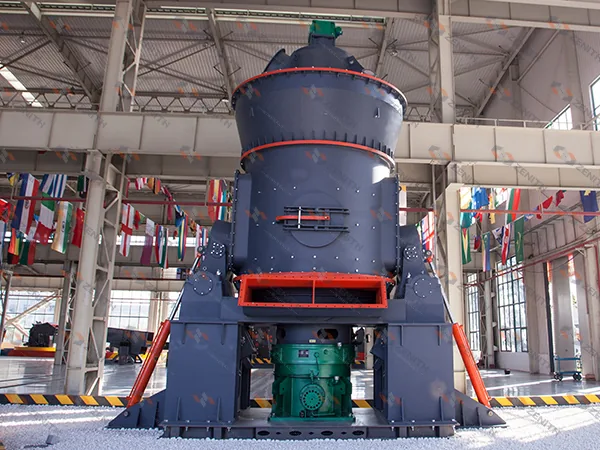
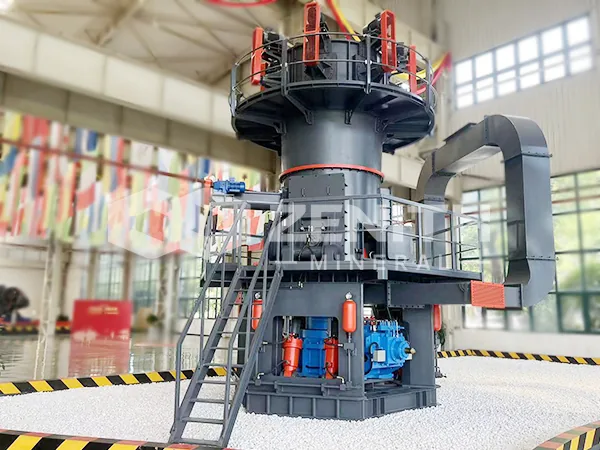
Mw125 micro powder mill australia quartz 4t/h 2000mesh ultra fine silica
2026-09-06 02:28:39
Why I Would Spec an Mw125 for Australian Quartz
Let me put it simply: hard Australian quartz deserves a mill that is not afraid of wear. When your goal is 4 t/h of ultra-fine silica at 2000 mesh, the machine must produce a narrow particle size while handling one of the most abrasive minerals in mining. The Mw125 micro powder mill from ZENITH is built to do exactly that. ZENITH has spent more than 30 years developing industrial grinding equipment, and its product range extends from 1 mm coarse powder down to 3250-mesh micro powder. That background shows up in details you do not always see in a brochure: stable roller pressure, an efficient dynamic classifier, and a system design that keeps dust inside the process.
For an Australian operation, the after-sales footprint also matters. ZENITH has supplied grinding equipment to more than 180 countries and has offices in more than 30 countries. Its equipment carries ISO, CE and CU-TR certifications. This combination does not replace local engineering, but it tells me this mill is not an untested experiment.
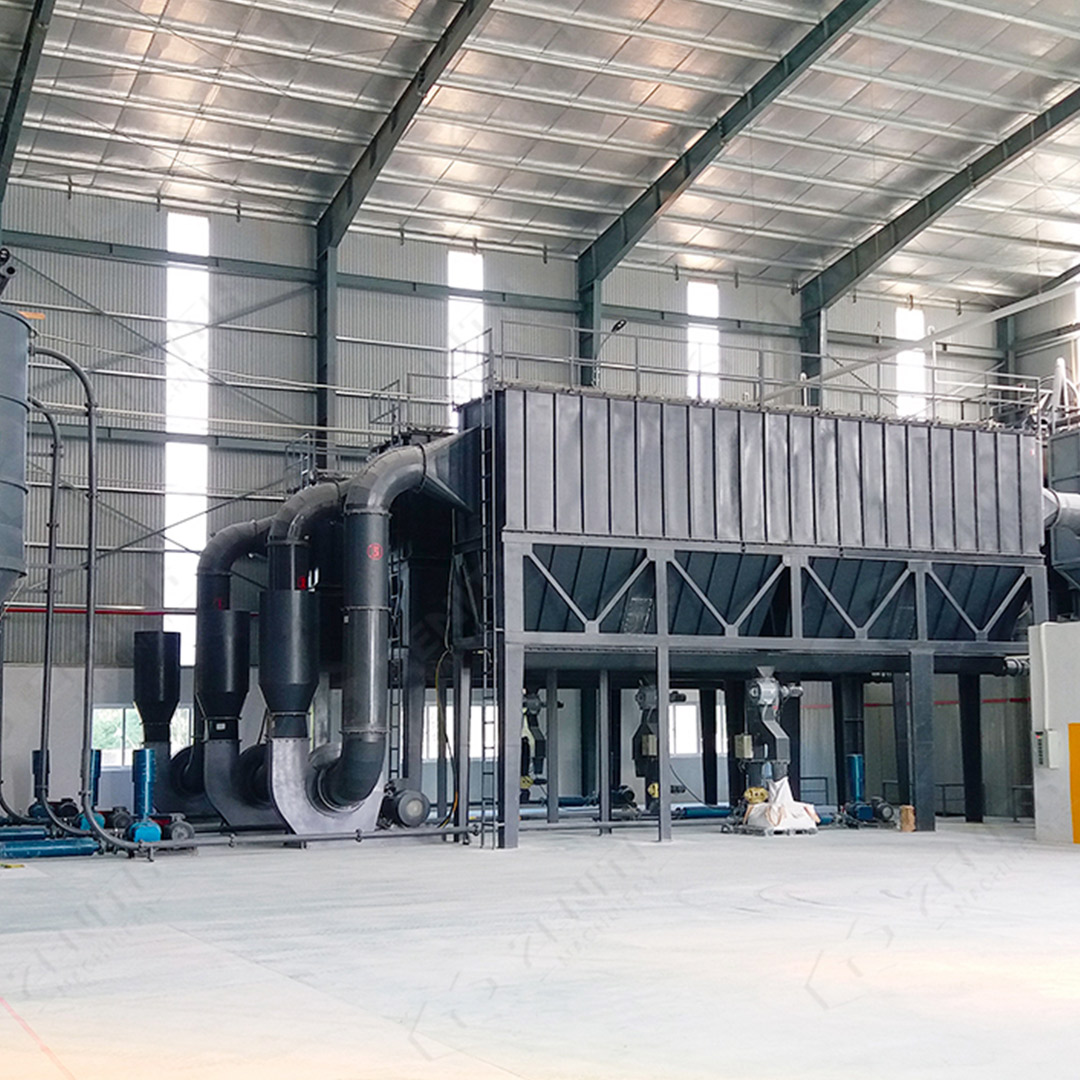
How the Mw125 Produces 4 t/h at 2000 Mesh
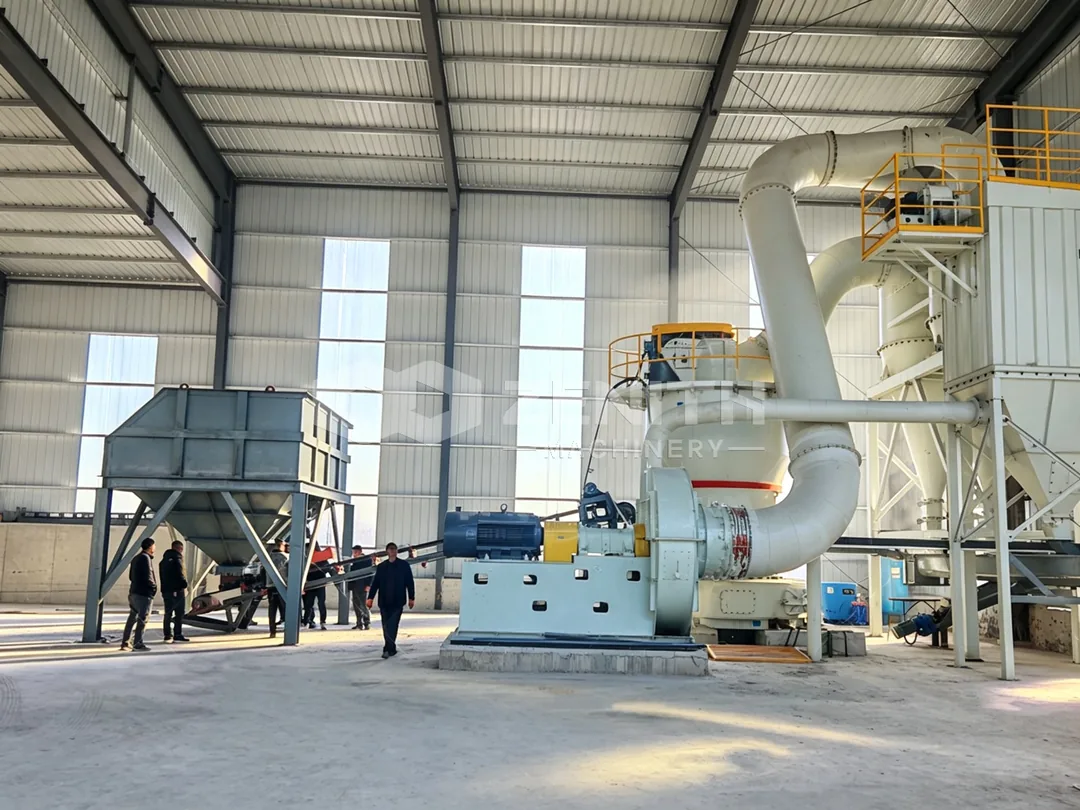
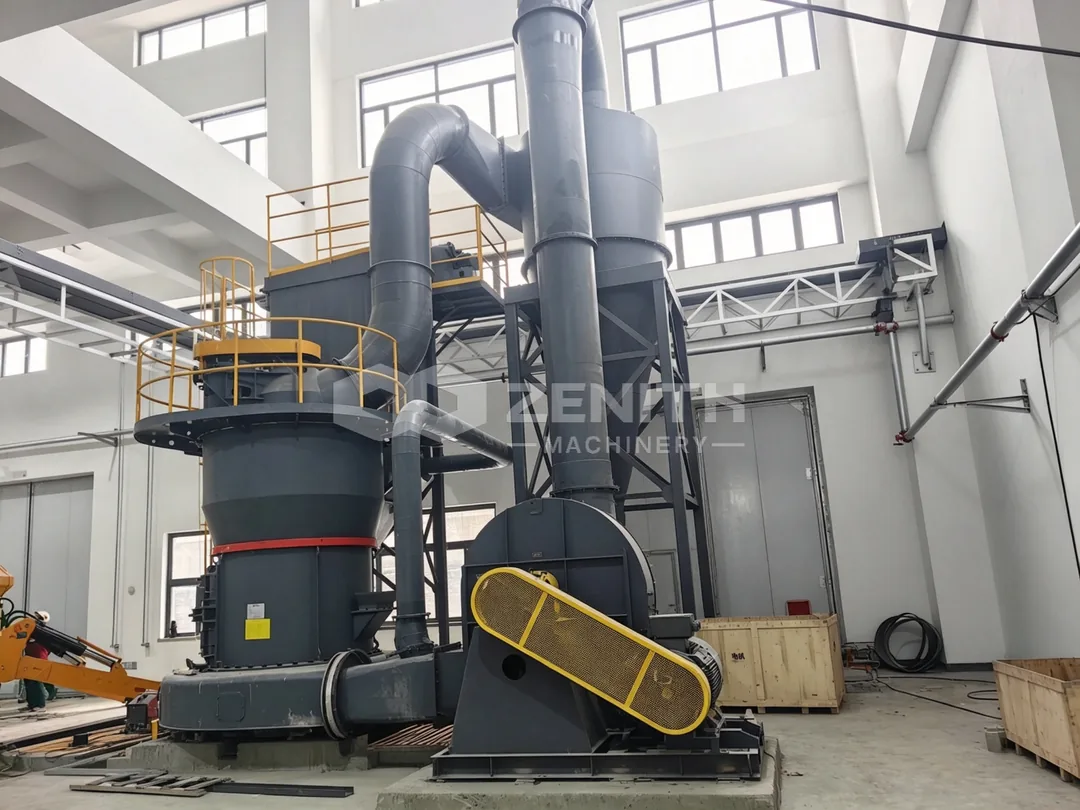
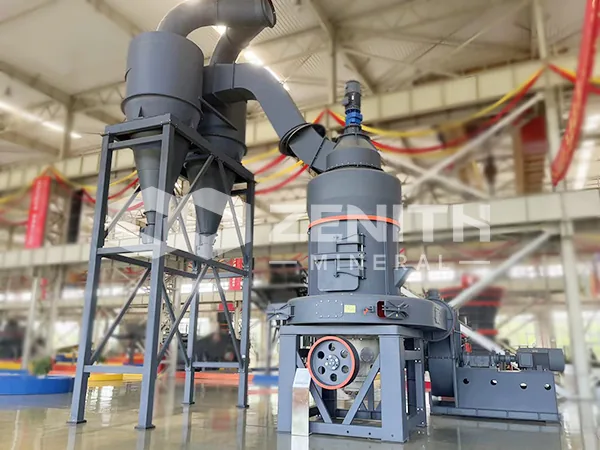
Quartz is hard and brittle, but it is not difficult to classify once the grind is right. In the Mw125, crushed quartz enters the main grinding chamber after passing through a controlled feeder. The grinding roller assembly rotates, centrifugal force pushes the rollers outward against the grinding ring, and the scraper moves material continuously into the grinding zone. The fan airflow then carries the ground powder upward into a high-efficiency classifier. Oversize particles fall back for another cycle, while particles that have reached the required fineness continue to the cyclone collector.
The 4 t/h output rating assumes sensible feed conditions. Feed should be no more than 20 mm, ideally below 10 mm for a target as fine as 2000 mesh, and moisture should be below 1%. If the feed is coarse or wet, the mill still grinds, but capacity and classification efficiency drop. A small surge bin and variable speed belt feeder help keep the grinding bed stable.
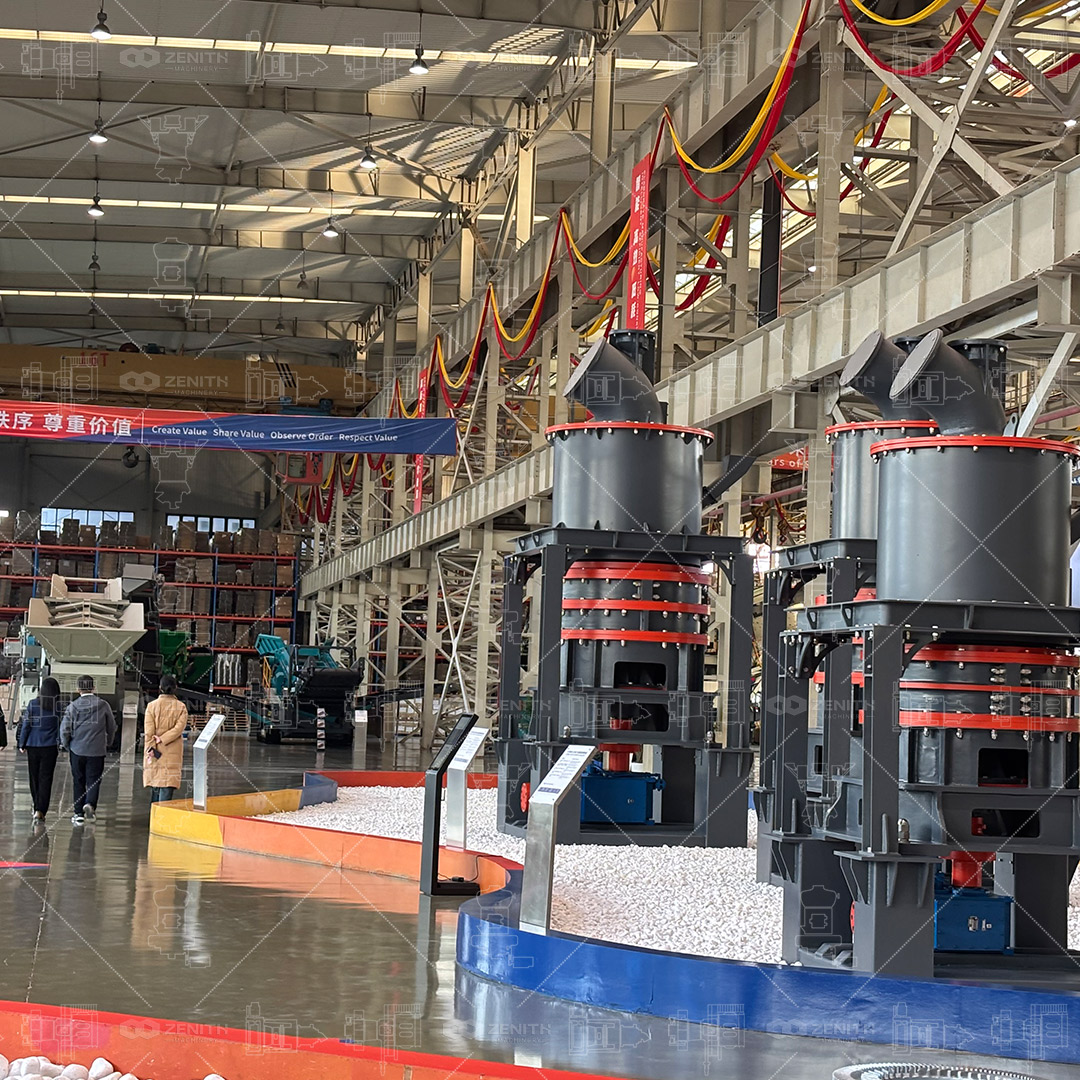
Wear, Maintenance and Remote-Site Reality
In Australia, quartz plants are often far from service centres. An unplanned stop is not simply a repair; it is the cost of sending people and parts to site. That is why the Mw125's design choices matter. There are no rolling bearings and no screws in the grinding chamber, removing the common risk of bearing seal failure and screw loosening. Vulnerable parts are made from high-quality wear-resistant material. When maintenance is eventually required, the mill is arranged so that grinding rollers and rings can be accessed without dismantling the entire system.
I have seen too many fine grinding plants lose money because they bought a machine only on price. The Mw125 is a better long-term choice for abrasive quartz because it is not fighting itself all day.
Lower Energy and Civil Cost than You Might Expect
A jet mill can grind quartz fine, but it demands compressed air and high energy. A stirred mill may also work, but wear and media handling can complicate operations. The Mw125 is a mechanical roller-to-ring mill with a compact air circuit. Under the right conditions, this kind of ZENITH mill is around 40% more efficient than an air-flow mill or a stirred mill and can reduce energy consumption by up to 70%. For an Australian producer, that reduces cost per tonne and makes the project less sensitive to electricity prices.
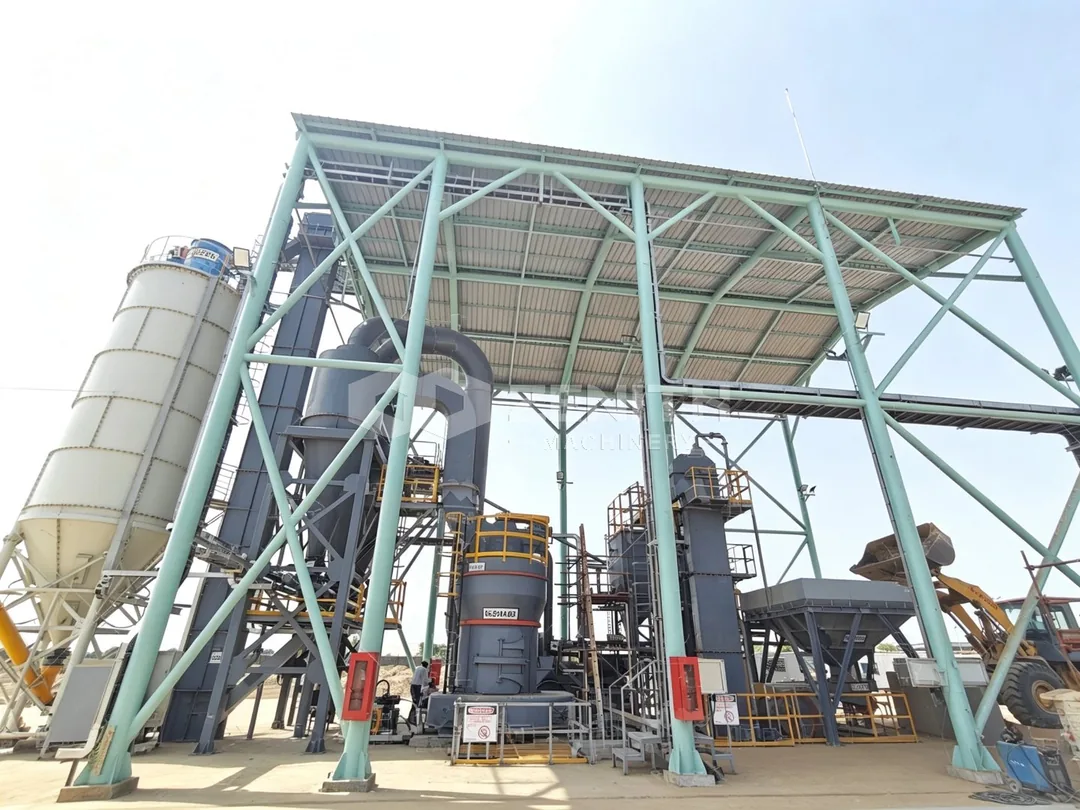
The plant footprint is smaller than many alternative systems. The mill, classifier, fan and collector are arranged as one process train. Because the system is closed and uses a pulse dust collector, the building can be compact and the machine can even be placed outdoors with minimal shelter.
_1788632919125.jpg)
Consistent Particle Size and Product Quality
Ultra-fine silica buyers do not ask only for the right average particle size. They want a consistent final powder from month to month. The Mw125 uses a variable frequency drive on the classifier impeller, so fineness can be set and adjusted electronically. Once the correct classifier speed and airflow are established, the mill can run reliably at a 2000-mesh product. This is also useful for a company that needs different grades. Changing from 1500 mesh to 2500 mesh becomes a control-room adjustment, not a mechanical rebuild.
Because the grinding system operates under negative pressure and has a pulse dust collector, the product remains clean and the working environment meets environmental expectations. Silica dust is controlled at the source, which is important both for compliance and for worker safety.
_1788632919126.jpg)
Project Planning for a Mw125 Silica Line
For 4 t/h of 2000-mesh silica, the whole circuit must be planned, not just the main mill. Start with a jaw crusher or cone crusher to reduce quartz to 0-20 mm. Use a screen to keep oversized lumps out of the feed. Add a hopper with a variable frequency belt feeder to prevent surges. Connect the mill to a cyclone, pulse-jet dust collector, fan and ducting. The system should operate under balanced positive and negative pressure; in practice, the pulse collector protects the atmosphere and keeps the plant clean.
Mw125 Ultra-Fine Silica FAQ
Can the Mw125 really reach 2000 mesh on hard quartz?
Yes. The dynamic classifier in the Mw125 is set to allow only fine particles to pass and sends oversized material back to the grinding zone. With a quartz feed of 0-20 mm and low moisture, a 2000-mesh product is a practical operating point.
What feed size and moisture are recommended for a 4 t/h operation?
Use a feed size below 20 mm and, for best stability, below 10 mm. Feed moisture should be below 1%. Wet or sticky quartz can agglomerate and affect classification.
How does the Mw125 compare with an air jet mill for silica?
The Mw125 uses mechanical grinding and an integrated air classifier. It does not require large compressed air capacity, so operating energy is lower. For a 2000-mesh product, it is often more economical than jet milling.
Will the mill suffer from rapid wear because quartz is abrasive?
Quartz is abrasive, but the Mw125 is designed for this type of duty. The grinding chamber has no rolling bearings or screws, and wear parts use abrasion-resistant materials. Maintenance intervals still need attention, but the mill is not normally the weak link in the circuit.
Can the same mill be used for other minerals after silica?
Yes. The Mw125 is commonly used for calcium carbonate, calcite, talc, dolomite, limestone, gypsum, kaolin and other non-metallic minerals. After cleaning the circuit, you can change product by adjusting the classifier speed.
Does the Mw125 system meet Australian dust control requirements?
In many Australian states, the key is to keep fine silica dust inside the equipment. The Mw125 circuit is sealed and operates under negative pressure, and the pulse dust collector captures fine powder before air is released. Local installation still needs to follow applicable regulations.