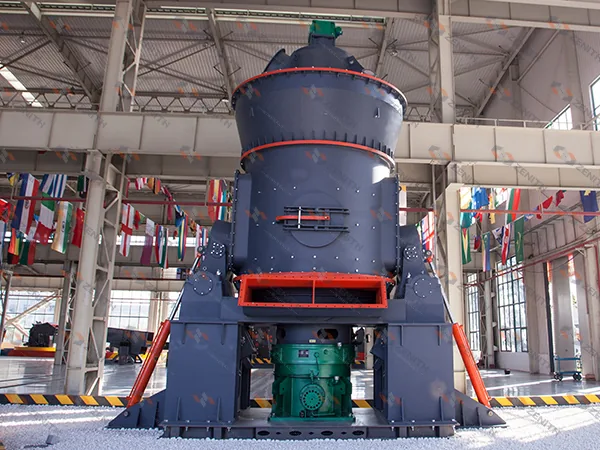
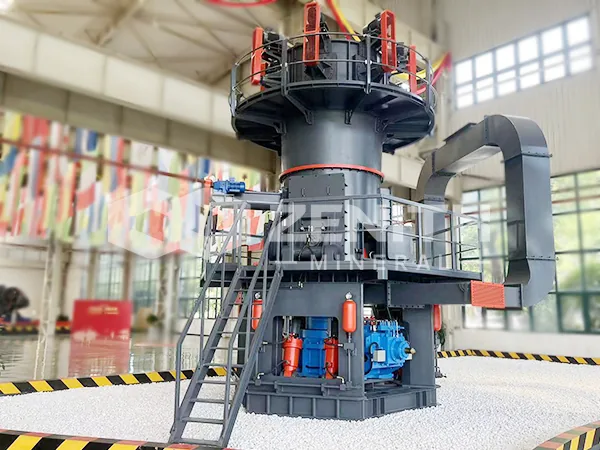
Australia 150t/h quartz vertical mill lm190 for metallurgy silicon powder
2026-09-05 02:27:12
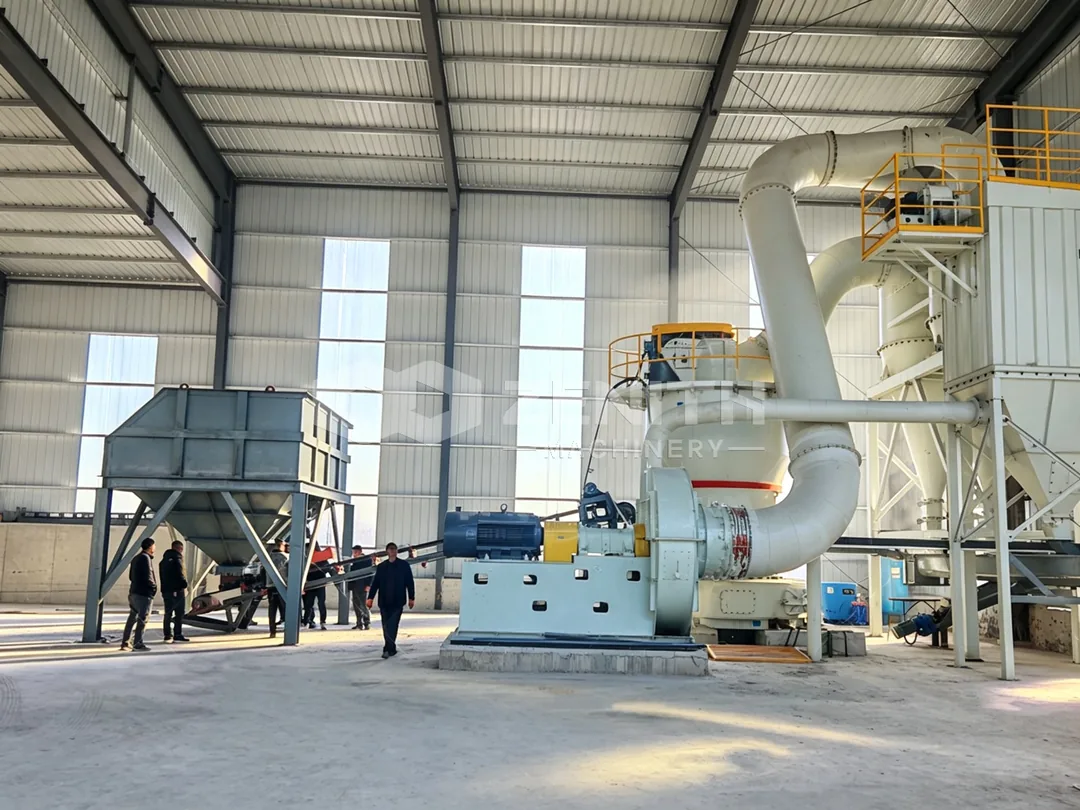
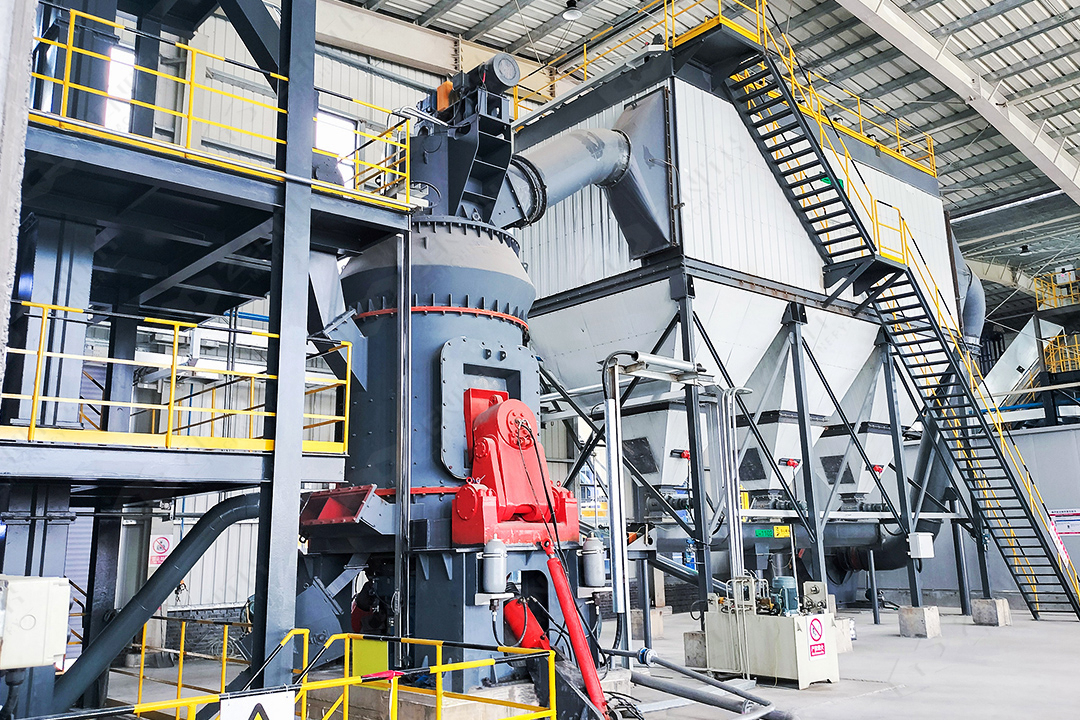
Australia's metallurgy sector is raising the bar for consistent quartz grinding, especially when the final powder is destined for silicon-metal production, ferroalloy dosing and metallurgical additives. To reach 150 metric tons per hour of stable, fine and low-contamination material, a growing number of Australian plant operators are looking at vertical roller mill technology. The ZENITH LM190 vertical grinding mill is the machine that links high capacity with the purity requirements of metallurgical-grade silicon powder.
Why an LM190 for a 150 t/h Quartz Project
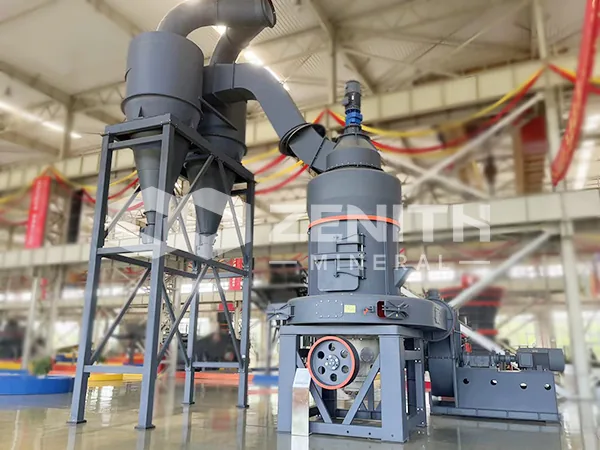
ZENITH LM series vertical grinding mills are engineered for throughputs from 3 to 340 t/h, accepting feed sizes up to 70 mm and producing typical fineness of 80 to 400 mesh. At the requested 150 t/h, the LM190 model provides a well-proportioned grinding table, a powerful reducer and a high-efficiency dynamic separator. The mill is suitable for quartz because the material is hard, abrasive and sensitive to iron contamination. The LM190 brings all grinding stages into one compact housing, reducing transfer points and giving operators a single automated process to control.
Purity Control for Metallurgy-Grade Silicon Powder
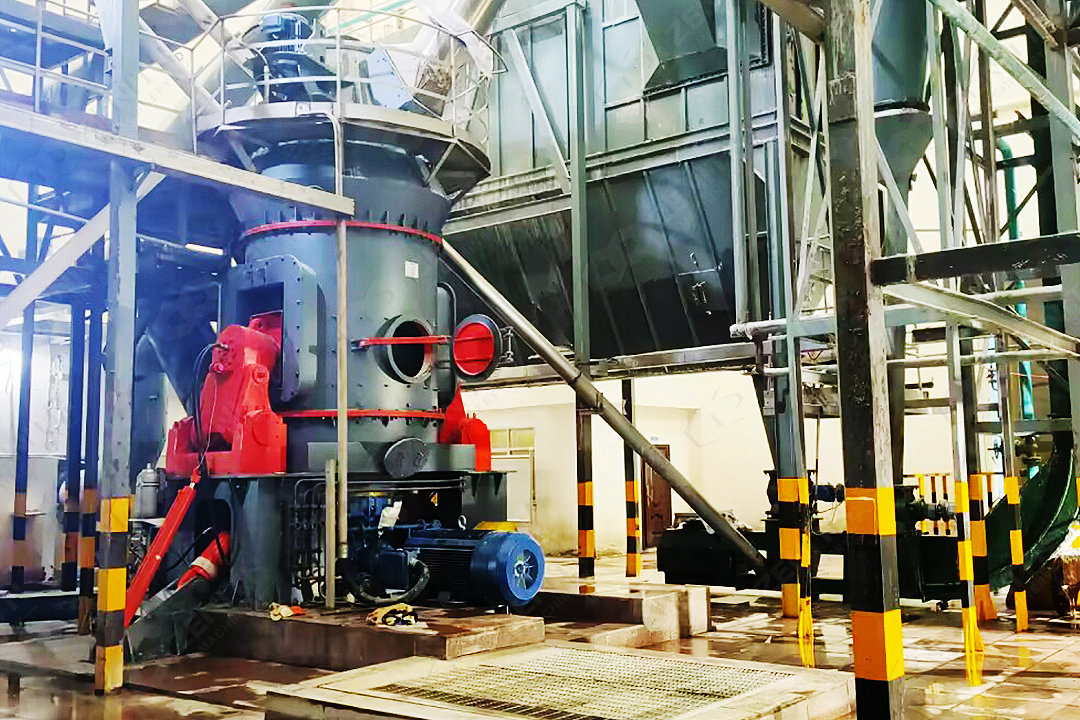
Metallurgical silicon powder must meet strict chemical specifications. Excessive iron from grinding media or liners can change alloy behavior, alter slag viscosity or degrade casting quality. The LM190 vertical mill was designed with this in mind. It uses a material bed grinding principle: the quartz particles crush against each other inside the bed, and this inter-particle action reduces direct metal-to-metal wear. In addition, the grinding table and rollers are protected by wear-resistant liners. Because of the vertical arrangement, heavier impurities such as iron debris fall through the material flow and are collected separately through a scraped discharge port. This prevents tramp metal from circulating inside the powder loop, helping to preserve the chemical purity of the final silicon powder.
Designed for Australian Operating Conditions
Australian mineral processing sites are frequently remote. They demand low staffing, reliable remote monitoring and equipment that can run for long shifts without unscheduled stops. The LM190 is built for 24-hour continuous operation. Its automatic control system supports both remote and local control, which means an operator can supervise the whole grinding line from a centralized control room or from a mobile terminal. The mill is sealed and operates under negative pressure. There is no dust spillage from flanges or inspection doors, and the system is equipped with a pulse dust collector that meets high environmental standards.
_1788546432721.jpg)
Working Principle of the LM190 at the Project Site
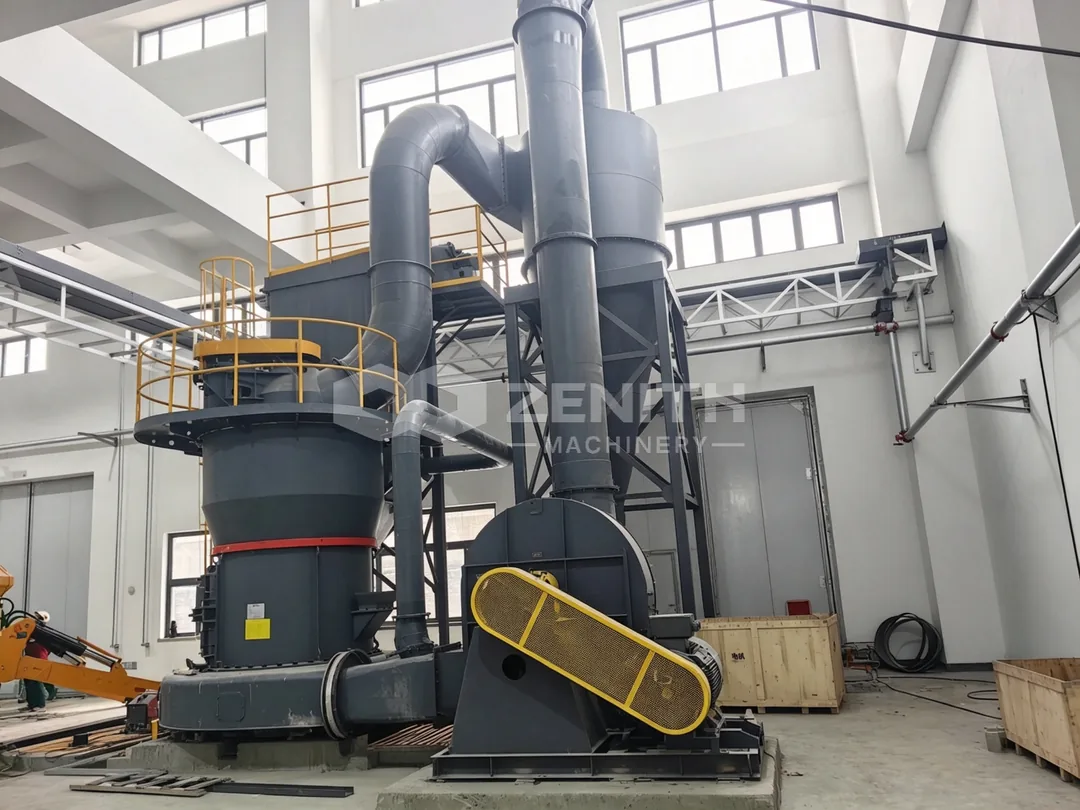
In the LM190 line, quartz is first crushed to a size that the belt feeder can convey. The material then enters the grinding chamber and lands in the center of the rotating grinding disc. The main motor drives the disc through a vertical reducer, and centrifugal force carries the quartz from the center toward the periphery. Large particles are immediately trapped and crushed between the grinding rollers and the disc. Smaller particles form a stable material bed, and inter-particle crushing produces finer powder while also lowering vibration.
Once the quartz has been ground to the target fineness, the upward airflow carries it to the separator. Coarse powder falls back to the table for another pass, while qualified powder moves out of the mill with the gas stream and is captured in the cyclone or the bag-type dust collector. A high-efficiency induced draft fan keeps the entire circuit under controlled pressure. This cleverly designed airflow system also dries the quartz if needed, because hot gas can be introduced directly into the mill inlet.
Lower Comprehensive Investment than Traditional Ball Mill Lines
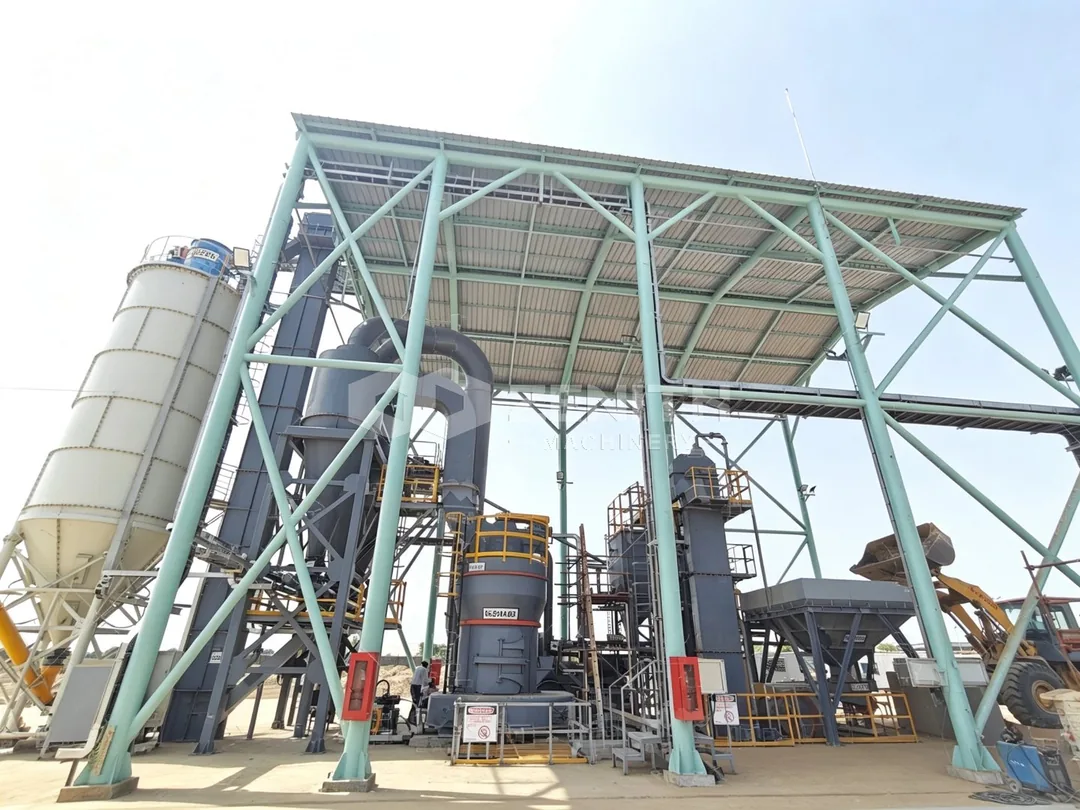
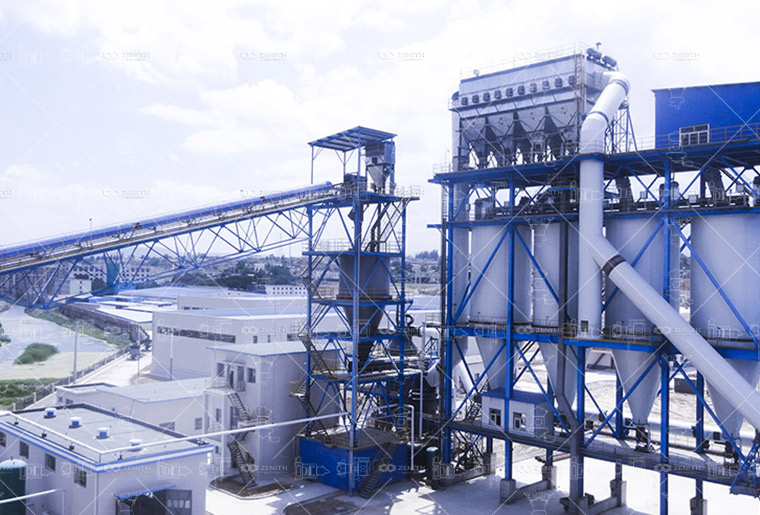
For a 150 t/h metallurgical powder plant, site space and civil works are major budget items. A traditional ball mill system often needs a separate crushing building, a bunker, grinding shop and multiple bucket elevators. The LM190 vertical mill compresses this into one integrated machine. The compact design occupies roughly half the floor area of a comparable ball mill system, and it can be arranged in the open air with a simple enclosure. Because the vertical mill has its own classification system on top, ancillary equipment is limited to a feeder, a fan, a dust collector and a conveying system.
In ideal conditions, vertical roller mill technology consumes noticeably less energy than ball milling when producing powders in the 80 to 400 mesh range. Over a 150 t/h operation, this energy saving translates into a meaningful reduction in operating cost every year. For Australia, where energy prices are volatile and carbon reporting is tightening, this is a decisive advantage.
ZENITH Service Network for Australian Customers
Shanghai ZENITH Machinery Co., Ltd. is a high-technology engineering group focused on powder grinding equipment. Its products have received ISO international quality certification, European CE certification and Customs Union CU-TR certification. Today, ZENITH sales and service coverage extends to more than 180 countries and regions, with overseas offices in over 30 countries. For an Australian quartz project, this means spare parts, process advice and experienced service engineers are available when the plant moves from commissioning to steady production.
The LM190 model, like other ZENITH vertical mills, is built for simple maintenance. Wear parts can be inspected and replaced through well-designed access points, and hydraulic systems allow controlled positioning of the rollers. Combined with intelligent lubrication and vibration monitoring, the LM190 gives plant managers the confidence to run the line unattended during night shifts while knowing that the metallurgical silicon powder quality remains constant.
Final Thoughts on the Australia LM190 Quartz Line
The use of quartz in metallurgical applications is no longer just about crushing rock; it is a matter of controlling fineness, chemical purity and consistent throughput. The Australia 150t/h quartz vertical mill LM190 project demonstrates how modern VRM technology answers all three demands. With ZENITH producing high-capacity vertical mills in a range of models, the LM190 is a credible centerpiece for producers that need reliable silicon powder output for metallurgy. Thanks to its lower comprehensive investment, automated operation, eco-friendly negative-pressure design and low iron contamination, the LM190 fits the Australian mining style and the international metallurgy market at the same time.
_1788546432727.jpg)
Frequently Asked Questions
Q1: What capacity can ZENITH LM vertical mills cover? The LM series can deliver from 3 to 340 t/h, depending on the model and material. The LM190 is well suited for a 150 t/h quartz grinding line in Australia.
Q2: What fineness range can the LM190 produce for silicon powder? The LM190 typically produces powders in the 80 to 400 mesh range. Operators can adjust the classifier speed to obtain the specific particle size required for metallurgical silicon powder applications.
Q3: Why is the vertical mill better than a ball mill for quartz? In ideal conditions, the LM vertical mill uses less energy than ball milling for comparable powder fineness. It also occupies about half the footprint of a ball mill system and reduces iron contamination because it relies on inter-particle crushing.
Q4: How does the LM190 prevent iron contamination? The grinding bed is mostly material against material, which lowers grinding media wear. Iron debris that does enter the circuit falls through the mill and is scraped to the slag outlet, preventing recycled contamination of the powder.
Q5: Can the LM190 run automatically in a remote Australian site? Yes. The LM190 can be switched between remote and local control. Its automatic control system monitors temperature, pressure, vibration, feed rate and separator speed, so the plant can run around the clock with minimal staffing.
Q6: Does ZENITH support after-sales service in Australia? ZENITH has a global marketing network covering more than 180 countries, with overseas offices in more than 30 countries. This supports project planning, spare part supply and technical assistance for Australian installations.