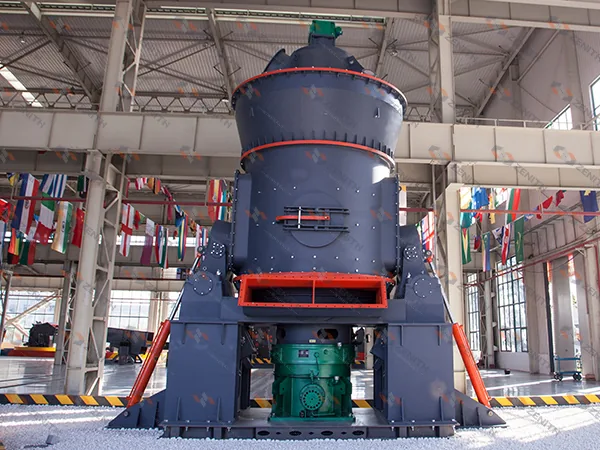
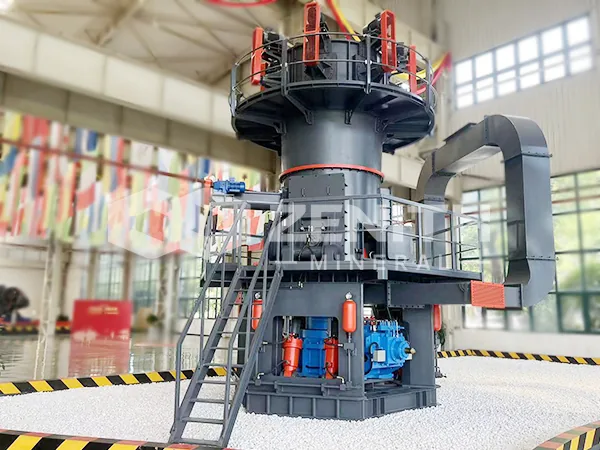
Zenith mtw138 quartz mill australia 14t/h 325mesh industrial silica powder
2026-09-04 02:29:05
When an Australian producer asks me to look at a quartz grinding project, I always begin with the same questions: What feed size is available? What final particle size must the powder meet? And how many tonnes per hour will the plant really need? For a typical industrial silica powder operation, the answers often come back as 0-35 mm feed, 325 mesh product, and roughly 14 tonnes per hour. That exact set of numbers is where the Zenith MTW138 European Trapezium Mill moves from a brochure option to a project definition.
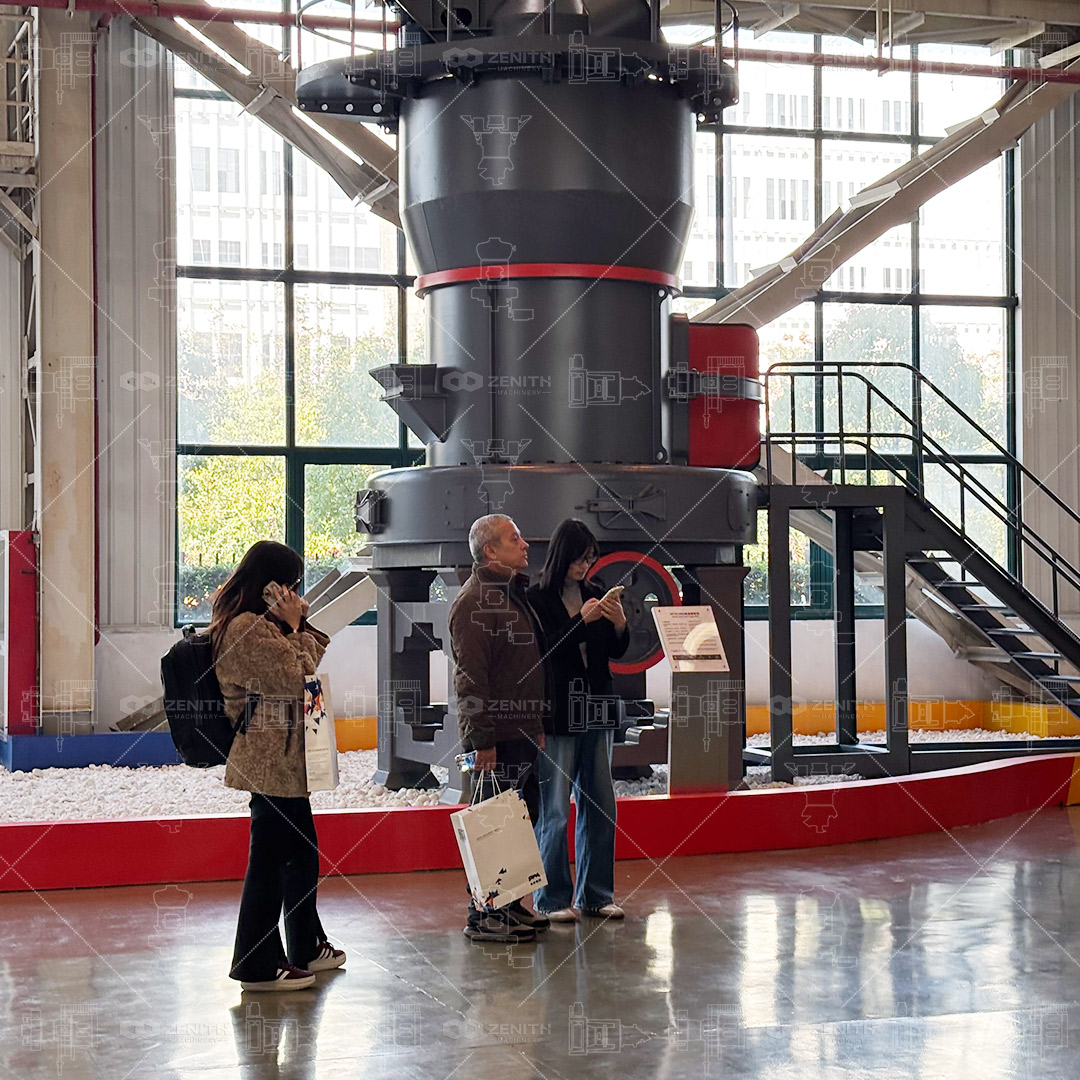
Silica powder at this fineness is used in paint, ceramics, glass fibre, adhesives, putty, plastics and chemical products. In Australia, the same powder also goes into engineered stone, filtration media and high-performance mortar. The common demand is stability. If one hour of mill operation produces coarse particles, the next batch may be rejected. The MTW138 avoids this by making classification and material flow one integrated system.
A complete grinding station, not just a mill
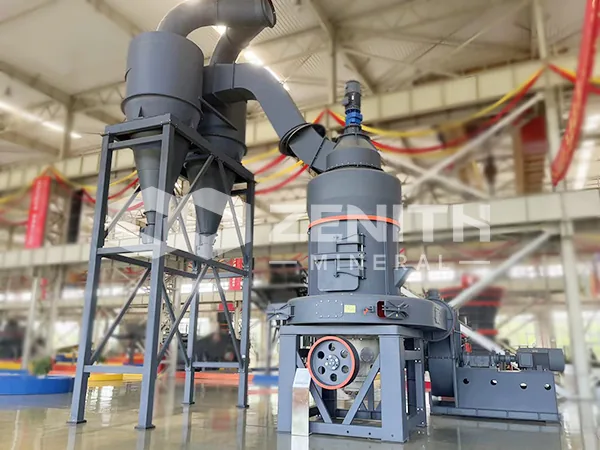
The MTW138 belongs to Zenith's MTW series of European trapezium mills, developed for fine powder from 30 to 325 mesh. The series is rated between 3 and 22 t/h depending on model and material. For a 14 t/h quartz line, the MTW138 is a middle-sized choice with enough margin to handle variations in feed hardness. It accepts feed sizes up to 35 mm, so the output of a secondary crusher can go straight to the mill.
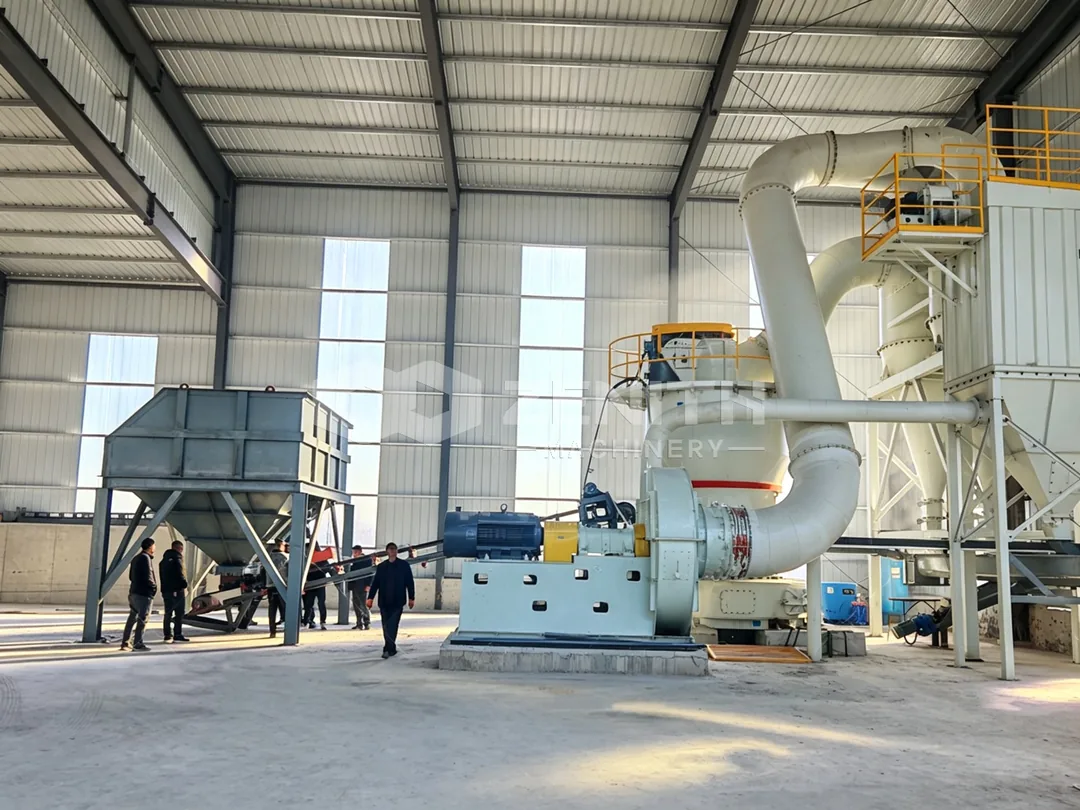
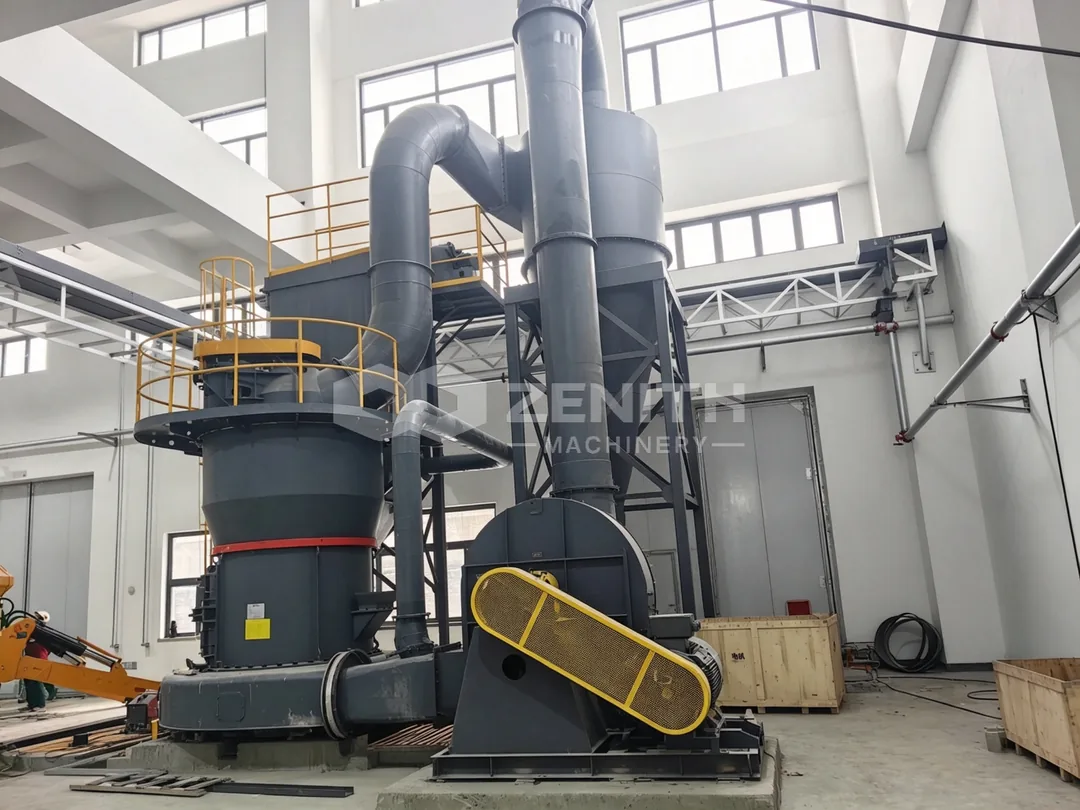
What separates the MTW design is the self-contained process loop. Bulk material enters through a variable-frequency belt feeder. It is ground, lifted by airflow, classified by a powder selector, and captured by a cyclone collector. The air is then cleaned by a pulse dust collector. That arrangement saves conveyors, elevators and transfer points. It also means less occupied area, a smaller foundation, and lower plant investment.
_1788460145758.jpg)
Why the MTW138 is a strong choice for 14 t/h silica
Operators who compare grinders tend to focus on four operating points.
- Lower energy use: The MTW series consumes more than 60 percent less energy than a ball mill of the same grade under ideal working conditions. In a 14 t/h silica line, this saving affects operating cost every shift.
- Stable airflow: The high-efficiency impeller fan raises induced-air efficiency from 62 to 85 percent. Better air movement removes fine quartz quickly and reduces over-grinding.
- Adjustable fineness: The modular impeller adjustment lets you change the fineness range by changing impellers rather than replacing the whole classifier.
- Environmental design: The mill operates under positive and negative pressure with a pulse dust collector, helping the plant meet strict dust-emission standards.
_1788460145760.jpg)
Inside the grinding process
For a project engineer, the operating sequence matters. Crushed quartz is metered into the grinding chamber by the belt feeder. The rollers and grinding rings reduce the particles, and the fan airflow carries the ground material upward to the impeller classifier. Fine powder passes through and moves to the cyclone collector, where it is separated as finished product. Coarser particles fall back to the grinding chamber for another pass. The complete system remains under controlled pressure, so dust stays inside the equipment rather than escaping into the plant.
Meeting Australian operating conditions
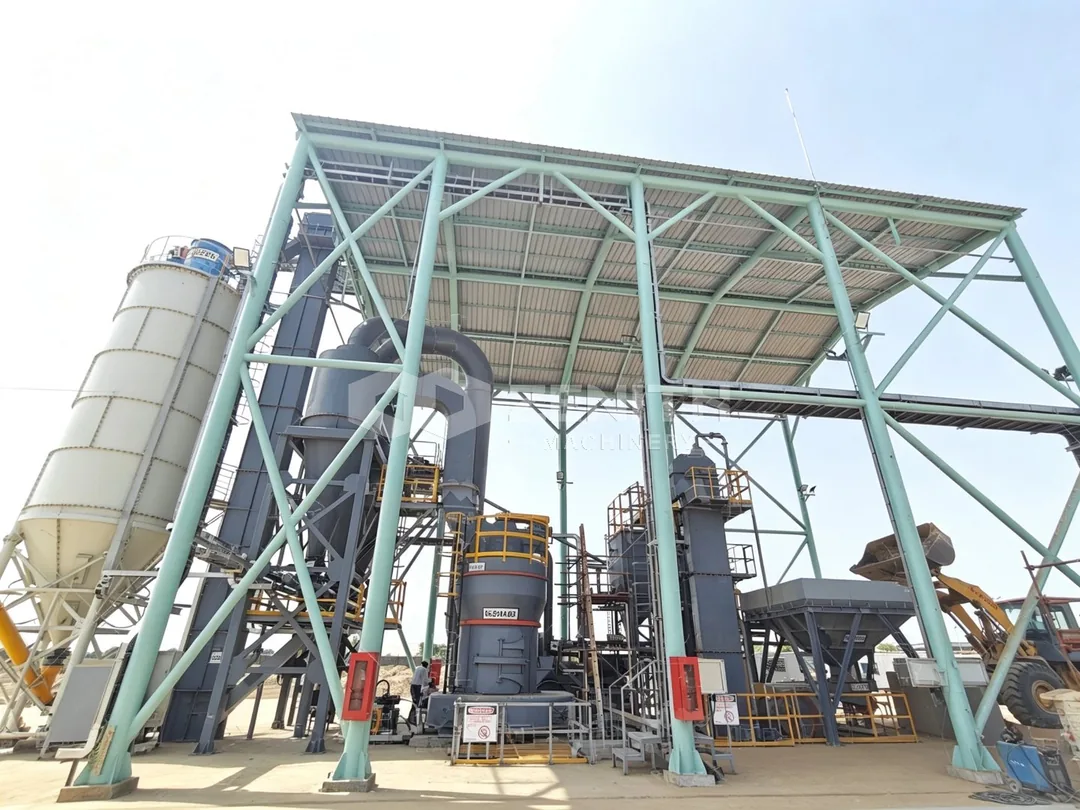
Australian silica plants often run in remote areas, which makes power cost, maintenance time and spare-part access important. The compact MTW138 layout reduces the amount of steel structure, cladding and conveyor galleries needed for a new grinding station. A smaller building is easier to justify on a project budget. Fewer transfer points also mean fewer dust-emission points and less routine wear. For a quartz operation aiming at 14 t/h of 325-mesh product, those details determine whether the promised tonnage is actually reached at the end of the month.
Zenith is a hi-tech engineering group focused on industrial powder grinding equipment. Its mills carry ISO international quality certification, CE certification and CU-TR certification, which gives Australian buyers confidence when they import equipment. Zenith exports to more than 180 countries and maintains overseas offices in more than 30 countries, including Oceania. That network matters in Australia, because after-sales support is part of the production equation.
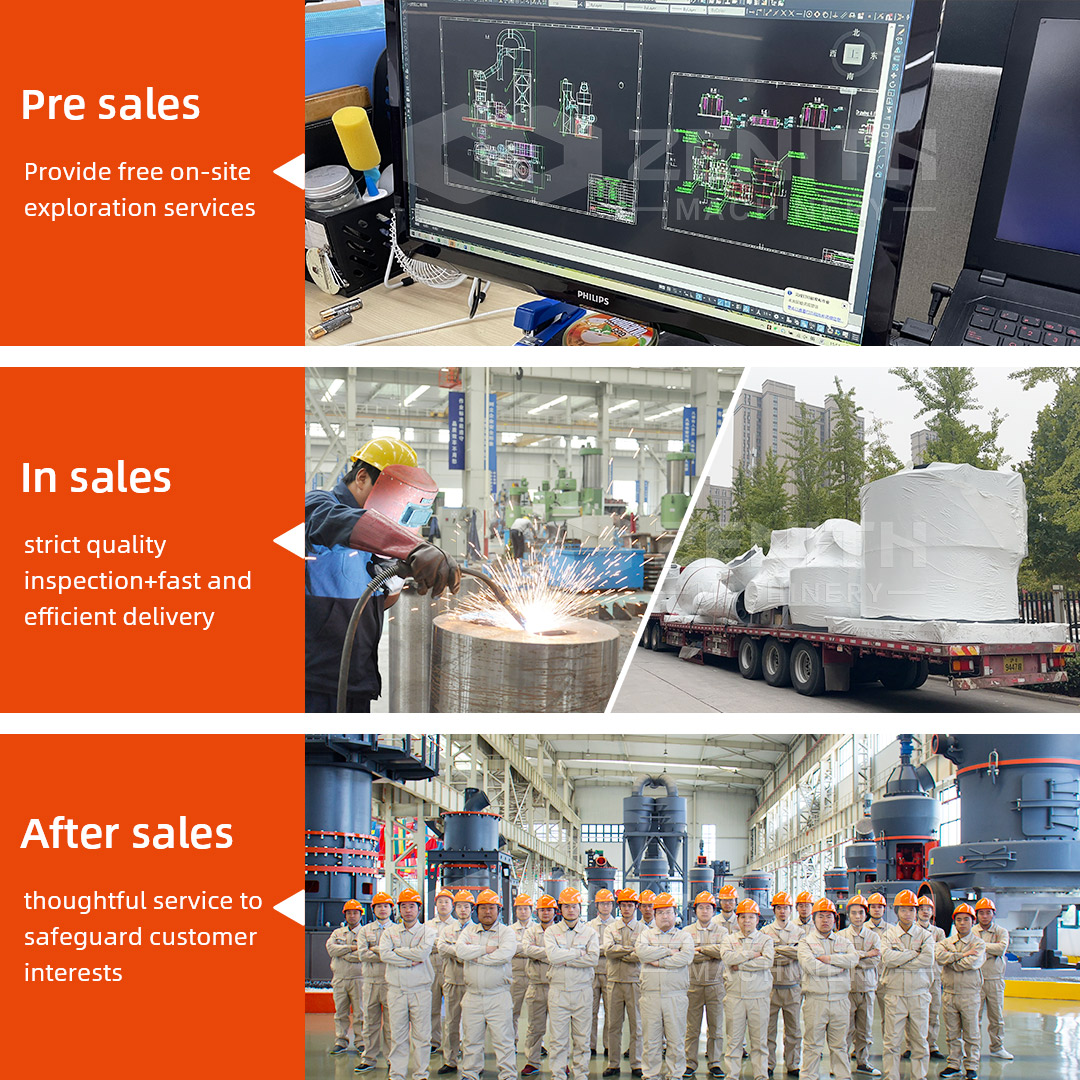
No one should select a mill on reputation alone. Before making a final decision, test the MTW138 with your own quartz sample and verify the 325-mesh particle-size curve. If the mill can hold 14 t/h through an eight-hour shift, it will almost certainly earn its place in the plant. That kind of realistic verification is exactly how good silica projects in Australia should be built.
Frequently asked questions
1. What feed size does the MTW138 accept?
The MTW138 accepts feed up to 35 mm. In a quartz circuit, a secondary crusher or a jaw crusher ahead of the mill is usually enough.
2. Can it really make 14 t/h at 325 mesh?
That operating point is within the MTW series capability for typical quartz conditions. The exact result depends on feed hardness, moisture and particle size distribution, so a test with an actual ore sample is recommended.
3. How much energy can it save compared with a ball mill?
Zenith reports that the MTW series consumes more than 60 percent less energy than a same-grade ball mill under ideal conditions. Actual power savings vary, but the gap is significant.
4. What does modular impeller adjustment mean for the operator?
When product fineness needs to change, the operator can change the impeller set instead of replacing the whole classifier. This makes product changes faster and simpler.
5. Is the MTW138 able to meet dust-emission limits?
Yes. The system operates under controlled pressure and includes a pulse dust collector. This reduces dust spillover and helps the plant meet environmental requirements.
6. Is spare-part support available in Australia?
Zenith exports to more than 180 countries and has overseas offices in more than 30 countries. The Oceania market is covered by that support network, so spare parts and technical assistance can be arranged for Australia.