Australia quartz raymond 5r mill 9t/h 400mesh silicon powder processing
2026-09-03 02:28:12
Australia has become one of the most active markets for high-grade quartz and silicon dioxide powder, driven by demand from engineered stone, ceramics, glass, paint, plastic filler and building material producers. For mineral processors that need a stable 400-mesh product, the ZENITH 5R Raymond mill is a proven solution. It gives a practical balance of capacity, fineness and operating cost. This article discusses how the machine supports quartz and silicon powder processing at about 9 t/h in an Australian plant.
The 5R mill concept
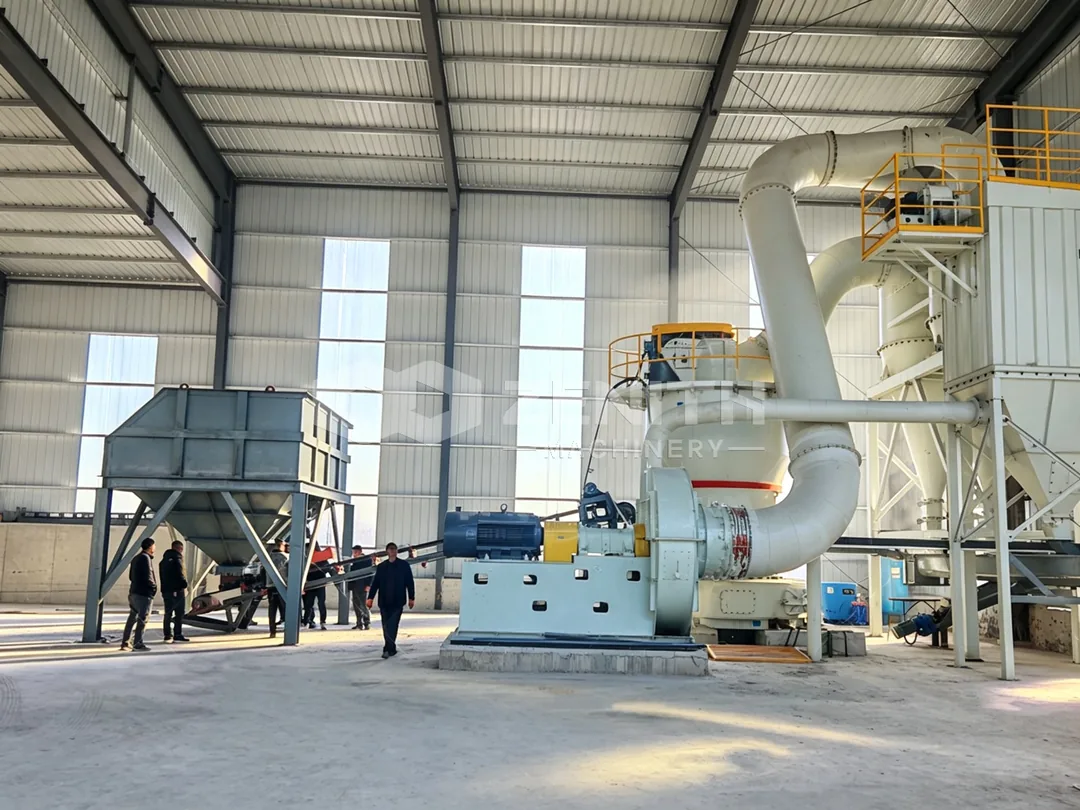
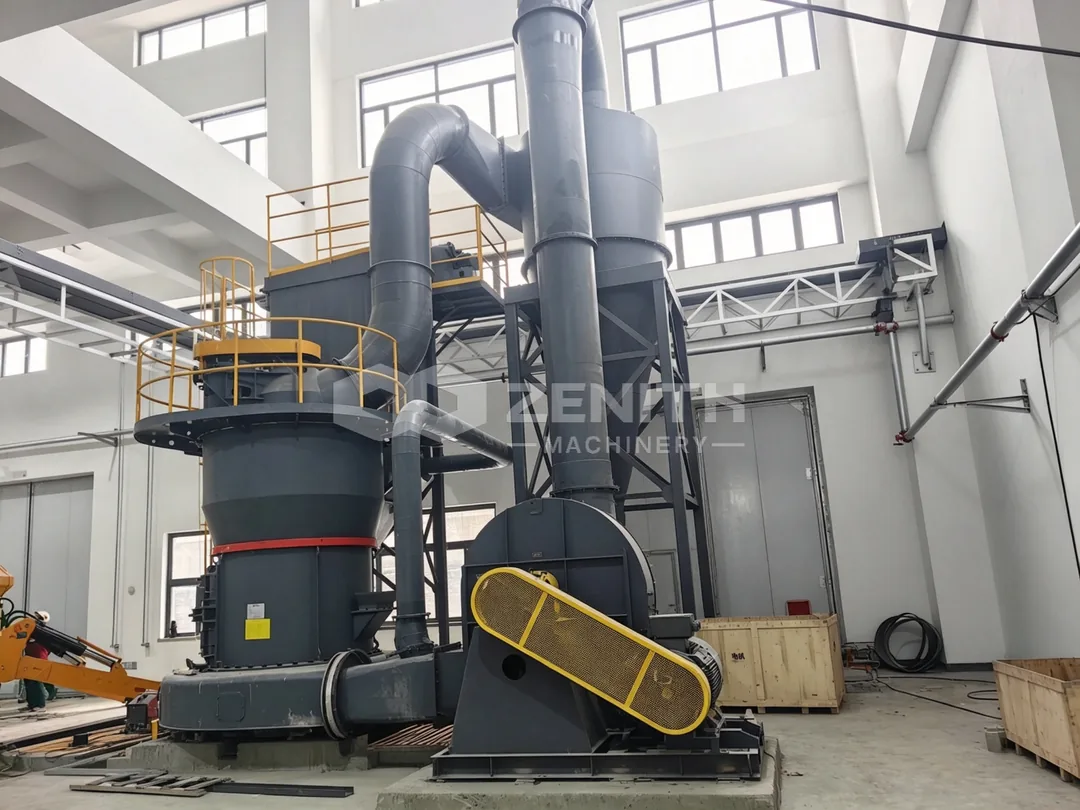
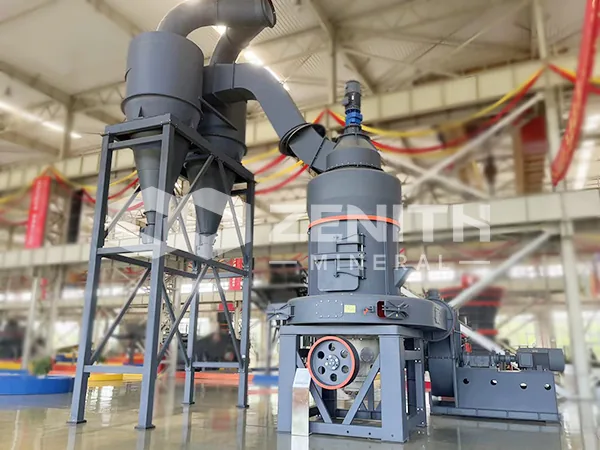
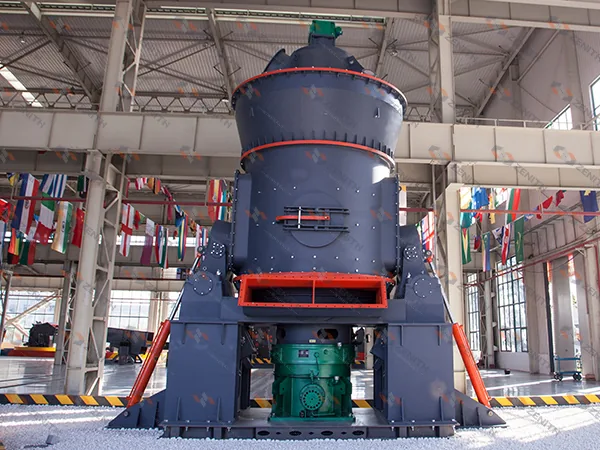
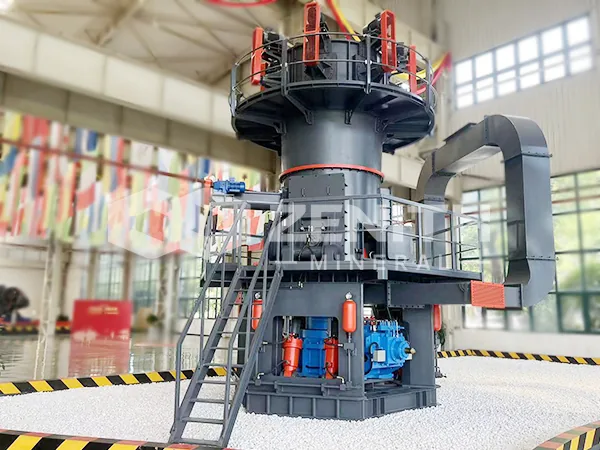
The 5R name refers to five grinding rollers mounted on the plum blossom frame of the main machine. This is not an old-fashioned design in ZENITH's current range; it is a modern upgrade of the classic Raymond mill. The machine grinds by pressure and attrition between the rollers and the grinding ring. For hard quartz, this is often more energy-effective than lifting and tumbling a heavy ball charge. During rotation, each roller is thrown outward by centrifugal force and presses on the ring. A scraper lifts material from the lower part and feeds it continuously into the pressure zone between roller and ring.
_1788373692463.jpg)
400-mesh silicon powder at 9 t/h
400 mesh in industrial screening is approximately 37 micrometres. For quartz-derived silicon powder, this fineness is accepted in filler, ceramic and engineered stone applications. ZENITH's overall product processing range covers coarse powder, fine powder, ultrafine powder and micro powder; the Raymond machine belongs to the fine-powder category. With feed size controlled to 35 mm or below and feed moisture minimized, the 5R Raymond mill can be sized to produce around 9 t/h at 400 mesh. Operators should also pay attention to feed uniformity, and a variable-frequency belt feeder is a good option for keeping the mill load stable.
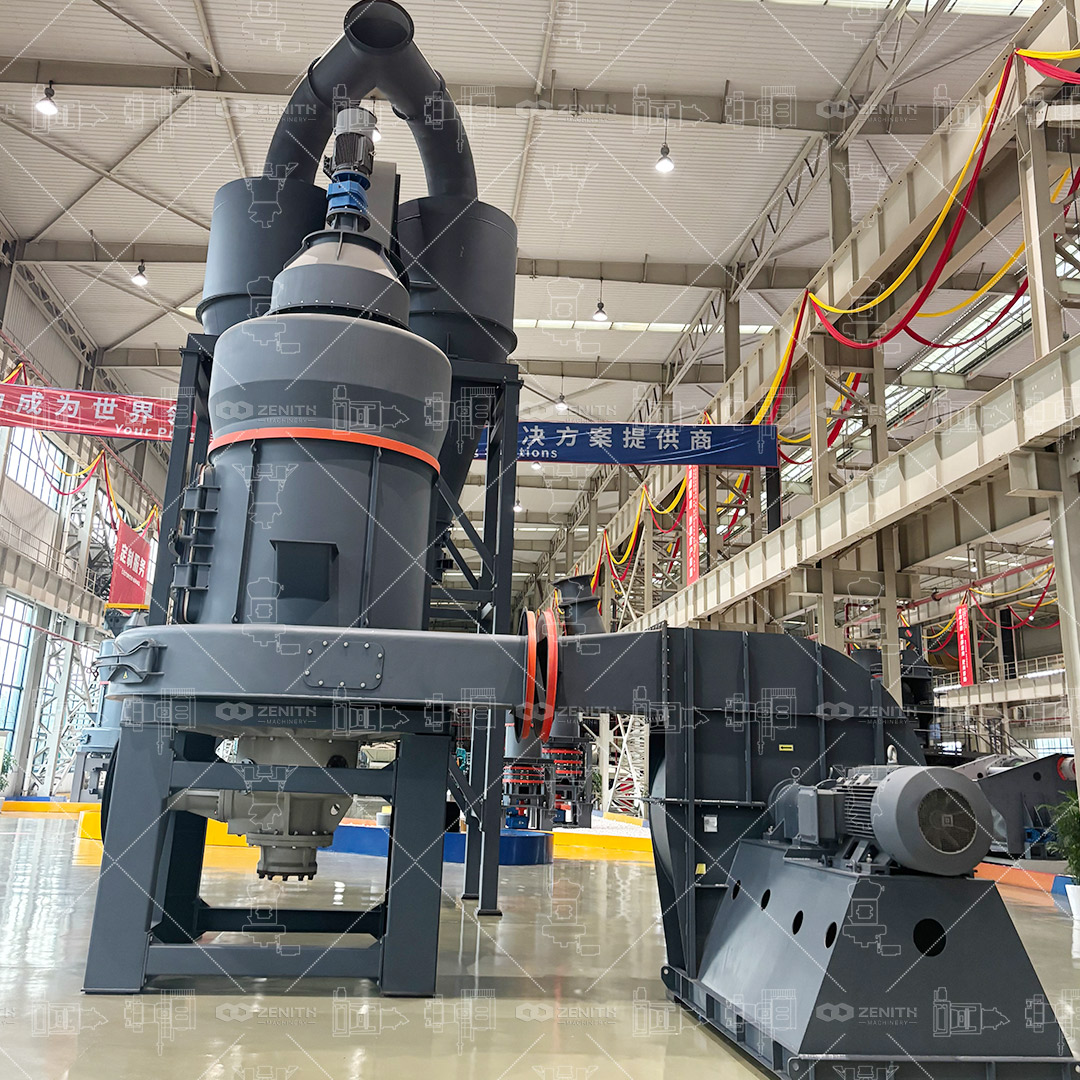
The separator above the grinding chamber determines final fineness. Rotor speed and airflow must match the target particle size. When the goal is 400-mesh powder, the fan should carry only the particles that have already reached the required size. Coarse particles fall back for further grinding. This closed-cycle process gives a uniform final product and keeps the screening pass rate close to 99%.
Engineered for Australian operating conditions
Quartz is hard and abrasive, so wear protection is essential. ZENITH builds the major frame and load-bearing parts with high-quality steel, while grinding rollers, rings, scrapers and other vulnerable parts use special abrasion-resistant material. This extends maintenance intervals and improves machine availability in remote Australian sites. The electric system is designed for intelligent control, which means the workshop can run with fewer operators. Automatic supervision of the mill, feeder and separator helps maintain a steady 9 t/h output even when local conditions change.
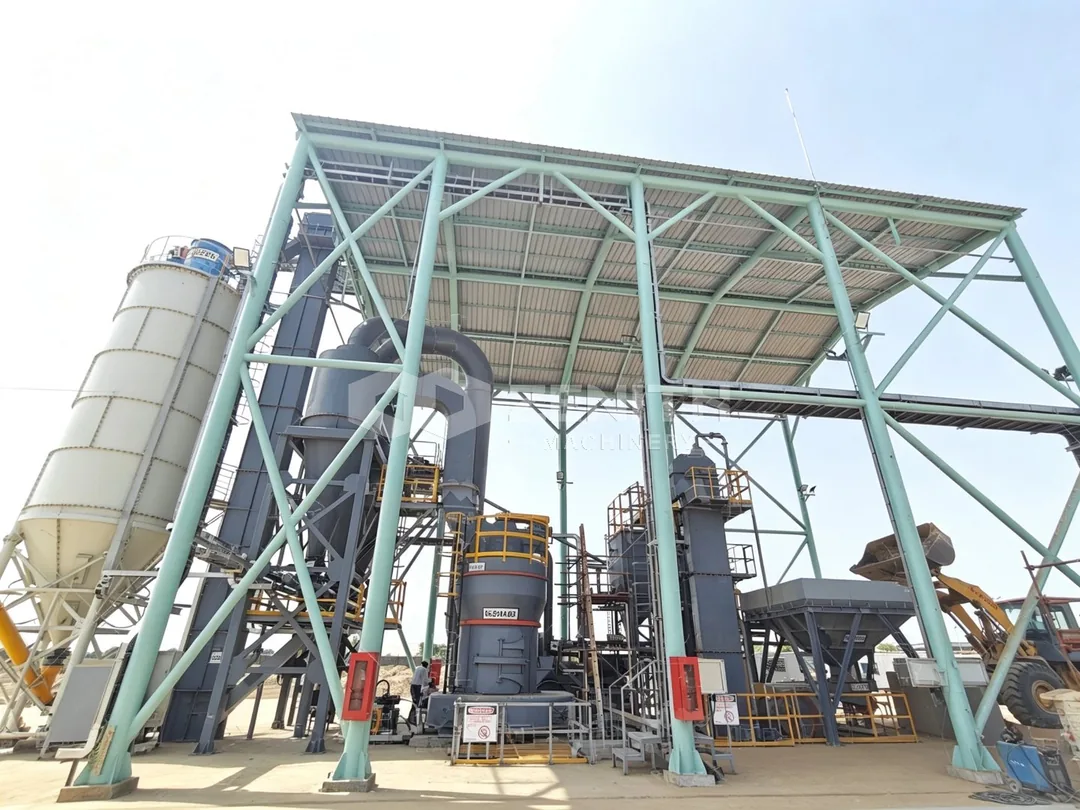
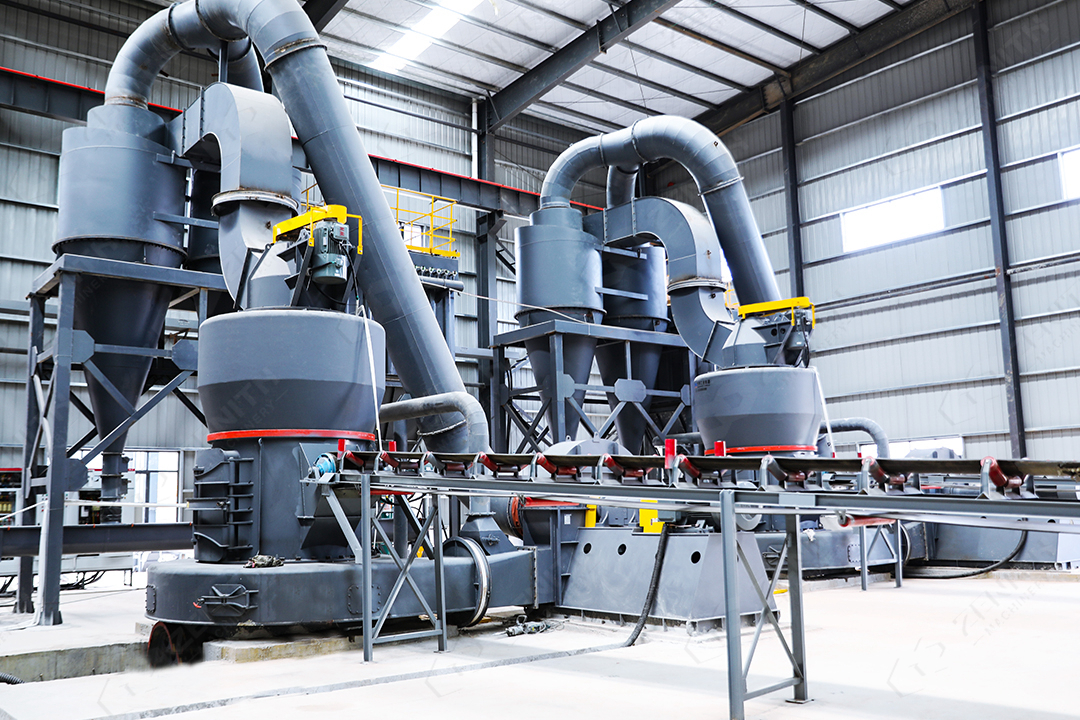
The complete milling system is enclosed and operates as a pneumatic circuit. Ground powder is carried by the fan airflow to the powder separator. Qualified powder enters the cyclone collector and bag-type dust collector, while coarse powder is returned to the grinding chamber. A pulse-jet dust collector prevents dust from escaping, and the whole system is arranged with a small footprint from bulk-material feed to finished-powder discharge. This compact design reduces plant construction cost and foundation work.
_1788373692468.jpg)
Global support and quality assurance
Shanghai Zenith Machinery is a high-tech engineering group specializing in grinding equipment and related processing systems. The mills have passed ISO international quality system certification, European Union CE certification and Customs Union CU-TR certification. ZENITH has built a marketing network covering more than 180 countries and regions, with overseas offices in more than 30 countries. For Australia, this means a quartz processing plant can rely on practical export documentation, timely technical communication and responsive spare-parts service.
Summary
The ZENITH 5R Raymond mill is a realistic choice for an Australian quartz processor targeting 9 t/h at 400 mesh. Its compact layout, wear-resistant design, efficient classification and intelligent control help reduce operating cost. It is also suitable for other mineral powders, including limestone, feldspar, talc and gypsum. For a performance guarantee, the customer's quartz sample should be tested in the ZENITH laboratory so that capacity, power consumption and exact fineness can be confirmed.
FAQ
Can the 5R Raymond mill really produce 400-mesh quartz powder at 9 t/h?
Yes. With correct feed size, low moisture and an accurately adjusted separator, 9 t/h is a realistic design target. A material test is recommended for exact confirmation.
Why choose a Raymond mill over a ball mill for Australian quartz?
The Raymond mill uses pressure and attrition instead of a heavy tumbling ball charge. It has a compact pneumatic classification system, a smaller building footprint and lower energy consumption for fine-powder work.
Is the mill able to handle the hardness and abrasiveness of quartz?
Quartz is abrasive, but ZENITH uses high-quality steel for structural parts and wear-resistant alloys for rollers, rings and scrapers. This is why the mill can operate in hard-mineral plants.
What feed size is recommended before the mill?
The Raymond mill can accept material up to 35 mm, but for 400-mesh output a feed size of 10 to 20 mm is often better. It gives more stable operation and less wear.
Does the Raymond mill system meet dust emission requirements in Australia?
When supplied as a complete ZENITH grinding plant with a pulse dust collector and controlled airflow, the system is designed to prevent visible dust release and can meet strict environmental requirements.
What after-sales support does ZENITH offer in Australia?
ZENITH has a global network covering more than 180 countries and overseas offices in over 30 countries. Customers can obtain technical documentation, spare parts and service support through these channels.