90t/h quartz grinding machine lm170 australia zenith vertical roller mill
2026-09-02 02:26:08
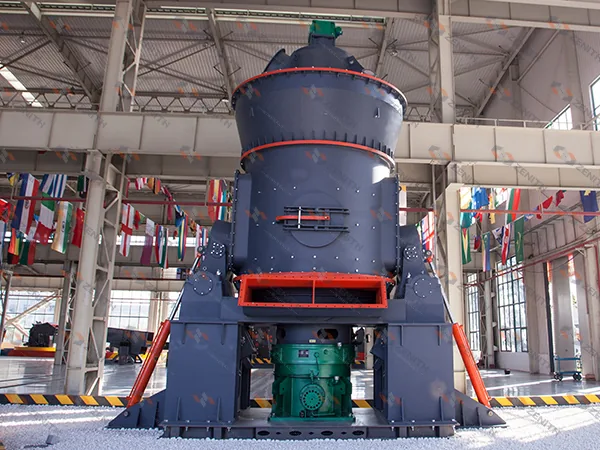
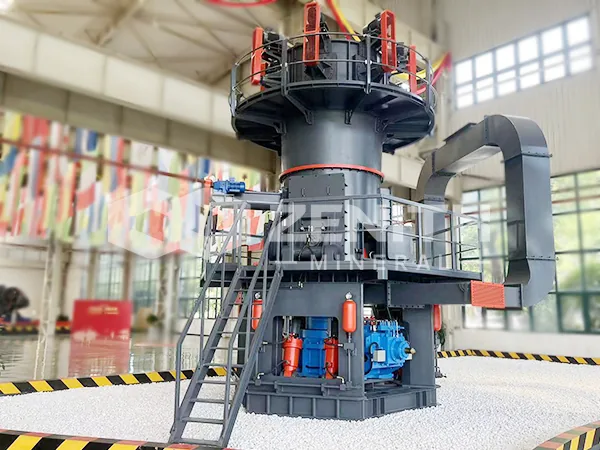
When you are chasing 90 t/h of quartz powder in Australia, you need more than a mill that looks good in a brochure. You need a machine that can run through the night, handle the hardness of quartz, hold stable fineness, and keep operating costs under control. The ZENITH LM170 vertical roller mill is made for exactly that. It is part of the LM series, designed for continuous operation, large capacity, easy monitoring, and stable product quality. For Australian quartz projects, that combination matters.
_1788287168876.jpg)
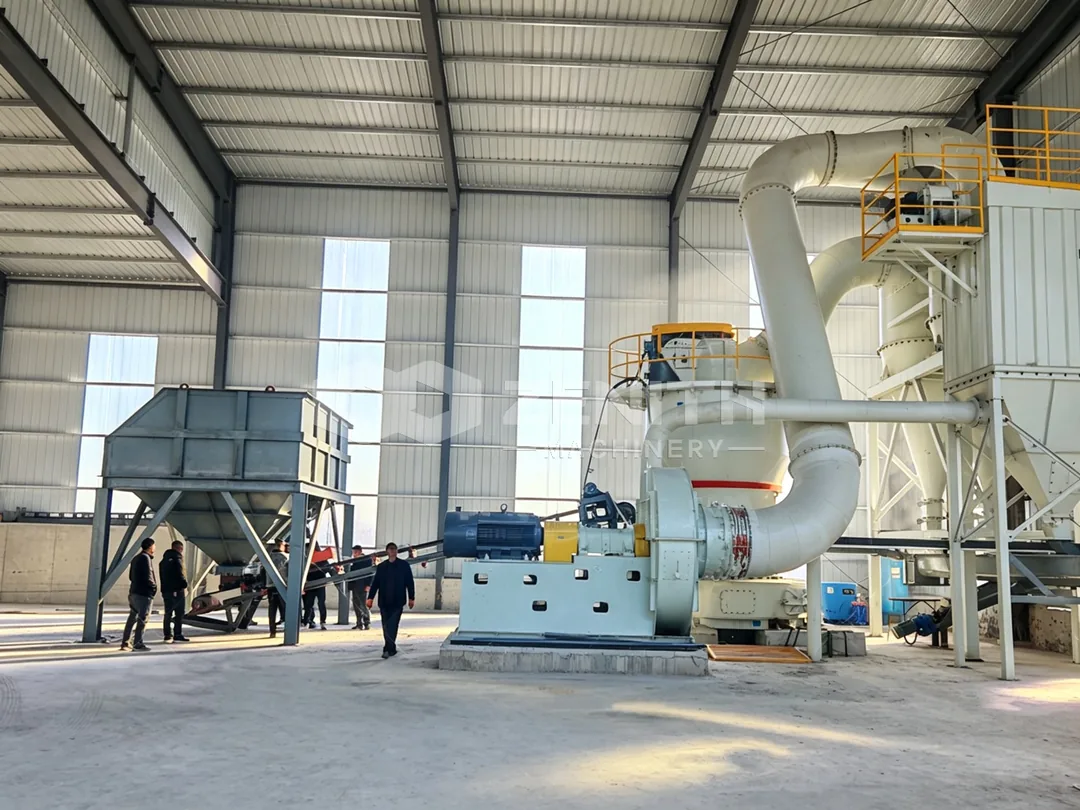
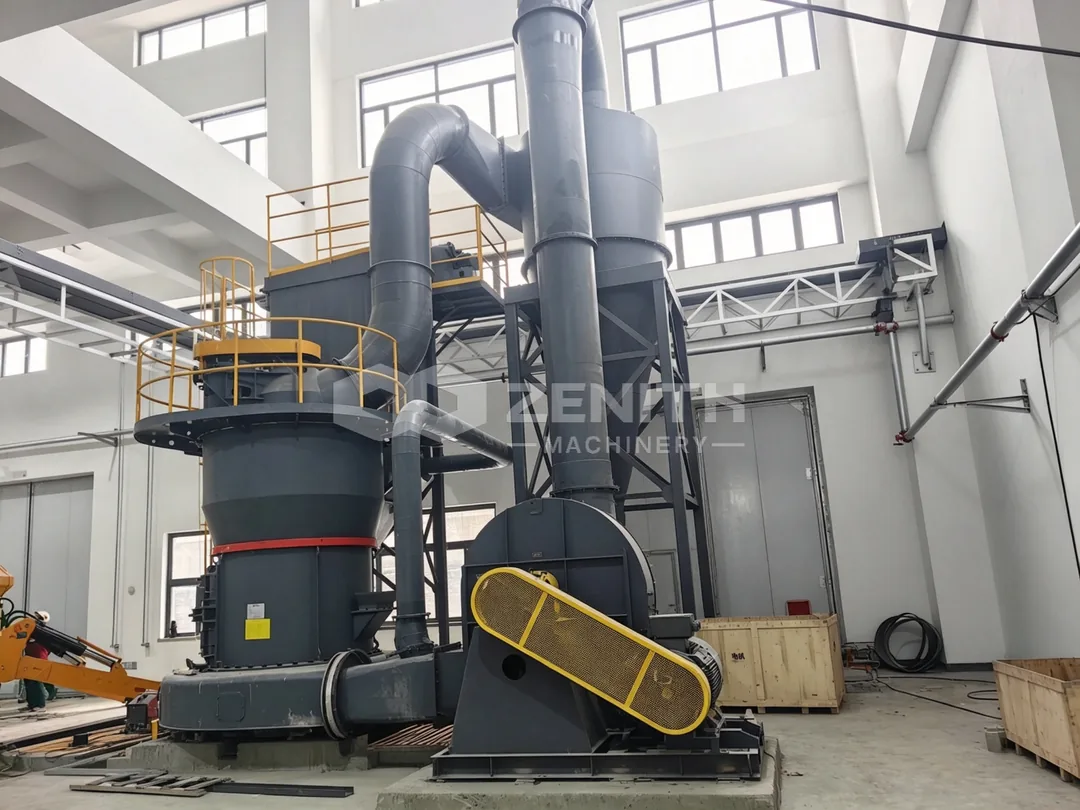
I have seen too many grinding plants where equipment choice creates daily problems: dust leakage, iron contamination, and classifier upsets. The LM170 is different. It uses a sealed negative pressure system with a grinding table, rollers, and a built-in separator. There is no dust spillover, and noise is lower than a ball mill. In an Australian setting, environmental conditions are part of the approval process, so this matters.
Quartz is hard, abrasive, and sensitive to impurities. Old-fashioned grinding machines often create wear and metal pickup. The LM170 controls product size, chemical composition, and iron content. That is important if the quartz powder is going into glass, ceramics, paint, or high-end fillers. Fineness stays in the 80-400 mesh range, and the separator is adjustable. You don't need another machine to change fineness; you adjust the system. The separator design is important because quartz projects often need a specific particle size distribution. An adjustable classifier means you can move between products without stopping production for hours.
The LM170's capacity is also worth talking about. The LM series has a capacity range up to 340 t/h, so the LM170 fits a 90 t/h quartz grinding duty. Feed size can be up to 70mm, so the machine accepts secondary-crushed quartz without pre-grinding. Material falls onto the grinding disc, driven by the main motor through a reducer. Centrifugal force moves it outward, and rollers crush it on the material bed. This inter-particle crushing principle reduces metal-to-metal wear and helps maintain purity. This is particularly useful for quartz, which tends to be abrasive. A mill that relies mainly on metal surfaces to grind quartz will wear faster and contaminate the product.
_1788287168878.jpg)
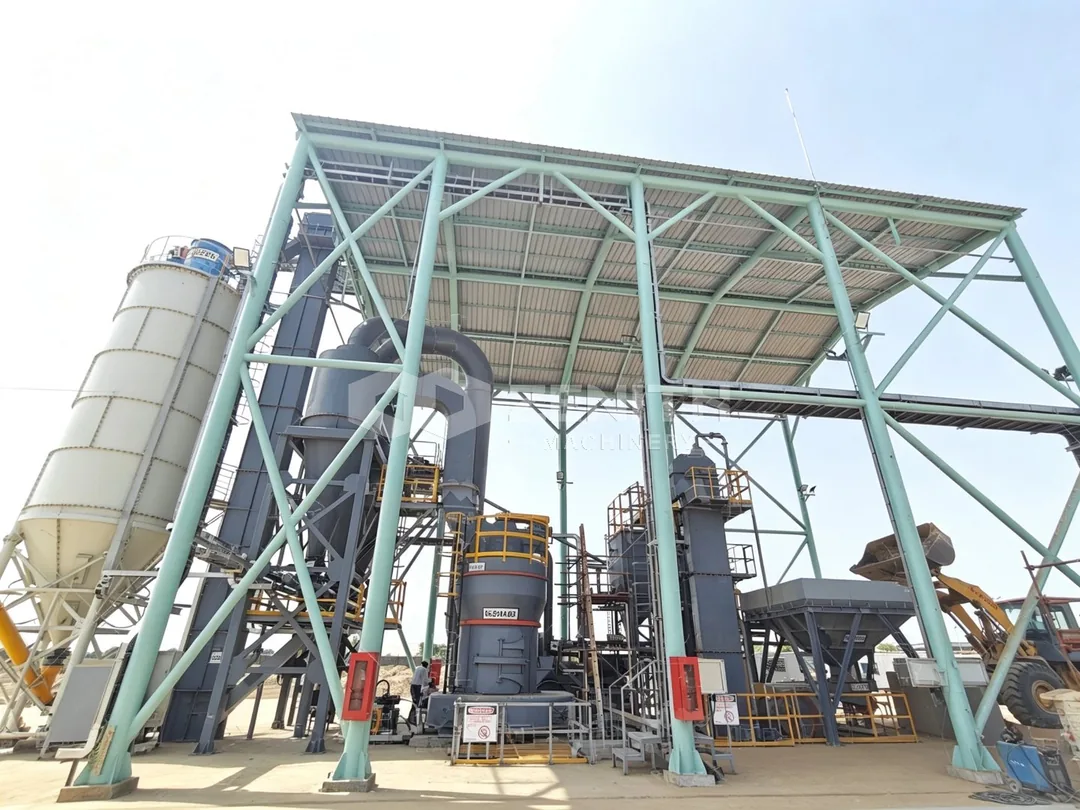
Compared with a ball mill, the advantages are clear. A ball mill needs a large footprint, heavy foundation, and more mechanical complexity. The LM170 is compact and integrated. It takes roughly 50% of the floor area of a ball mill system and can be installed outdoors. For a 90 t/h quartz plant, this lower comprehensive investment can change the project economics. In Australia, civil works and construction labor are expensive, so a smaller foundation and simpler layout are big advantages.
Automation is another strong point. The LM170 has an automatic control system with remote and local control. One operator can monitor a large plant from a control room. The mill is built for 24-hour continuous running, so downtime is minimized. Stable operation, controlled grinding pressure, and precise separator speed all contribute to consistent product quality. In many Australian operations, labor is scarce in remote areas. The LM170's automation reduces the need for constant manual attention, and maintenance tasks are simpler because the system is designed with accessibility in mind.
_1788287168880.jpg)
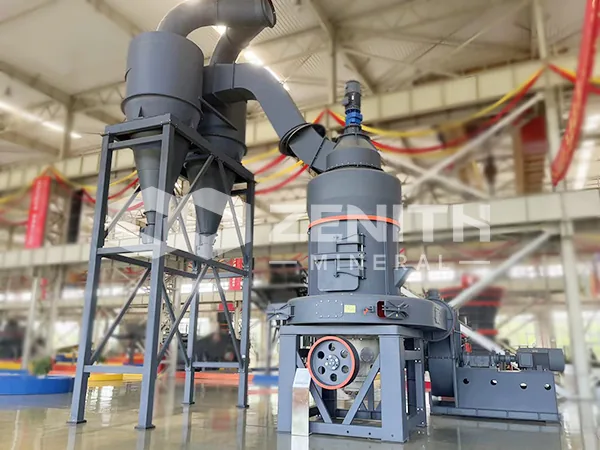
Here is the working principle in simple terms. Primary crushed quartz up to 70mm enters the grinding chamber. Hot air dries surface moisture. Material falls on the disc and moves outward by centrifugal force. Rollers crush it. Fine particles are carried upward by airflow to the separator. Coarse particles fall back for another pass. Fine powder is collected in a cyclone and pulse dust collector. Iron debris falls into the lower chamber and is scraped out. The system operates under negative pressure, so the plant stays clean and meets environmental standards.
What about support in Australia? ZENITH's marketing network covers more than 180 countries and regions, including Oceania. The company has overseas offices in more than 30 countries. Equipment carries ISO, CE, and CU-TR certifications, which makes import and project approvals easier. The LM170 is available with complete grinding plant solutions, including feeders, classifiers, dust collectors, and control panels.
_1788287168882.jpg)
Let's be honest: buying a mill is not the exciting part of a project. Running it is where you feel the difference. At the end of the day, a 90 t/h quartz grinding machine is a long-term investment. The LM170 from ZENITH is a complete grinding, separating, and dust collection system in one unit. It offers capacity, purity, low operating cost, and environmental compliance. If you want less iron contamination and stable fineness, put the LM170 on your shortlist.
Frequently Asked Questions
Can the LM170 handle 90 t/h of quartz?
The LM series is designed for capacities up to 340 t/h. The LM170 is well matched to 90 t/h, but exact output depends on feed size, moisture, quartz hardness, and required fineness. ZENITH engineers can confirm the selection.
What is the maximum feed size for the LM170?
Up to 70mm. A secondary crusher set below that size works well. Material is then fed into the mill with a variable frequency belt feeder or conventional system.
What fineness can the LM170 produce for quartz powder?
80-400 mesh. Common quartz targets are 200 mesh and 325 mesh. The built-in separator can be adjusted to change fineness without costly mechanical modifications.
Does the LM170 meet environmental requirements?
Yes. It is sealed and operates under negative pressure, with no dust spillover, low noise, and a pulse dust collector. Certifications include ISO, CE, and CU-TR.
How does the LM170 reduce iron contamination in quartz?
It uses a material bed and inter-particle crushing, with controlled grinding pressure and minimal direct metal-to-metal contact. This helps keep iron content low in finished quartz powder.
Does ZENITH support quartz grinding projects in Australia?
ZENITH's marketing network covers more than 180 countries and regions, including Oceania. The company has overseas offices in more than 30 countries and provides equipment selection, installation guidance, and after-sales support.