Australia quartz hgm100 ultra fine mill 7t/h 1250mesh coating filler
2026-09-01 02:29:09
Australia's coatings industry is turning to domestic ultra fine quartz powder as a reliable alternative to imported fillers. Quartz is hard, chemically stable and weather-resistant, making it a natural choice for high performance coating systems. To meet the demanding specification of 1250 mesh coating filler at a production rate of 7 t/h, an HGM100 ultra fine mill from ZENITH is an ideal solution. This article explores how the HGM100 combines energy efficiency, adjustable fineness and robust construction to deliver the quality Australian paint manufacturers need.
Why 1250 Mesh Quartz for Coating Filler?
Coating fillers are not simply a way to reduce cost; they directly influence rheology, gloss, abrasion resistance and tint strength. Quartz powder with a fineness around 1250 mesh, often described as D97 = 10 microns, provides a smooth film surface and helps prevent settling in liquid coatings. The particle shape and distribution also affect oil absorption, which is critical for paint formulation. Australian quartz, known for high purity and low iron content, can be processed into premium filler when the milling system avoids over-grinding and iron contamination.
_1788200949257.jpg)
HGM100 Ultra Fine Mill: Built for Consistent Powder
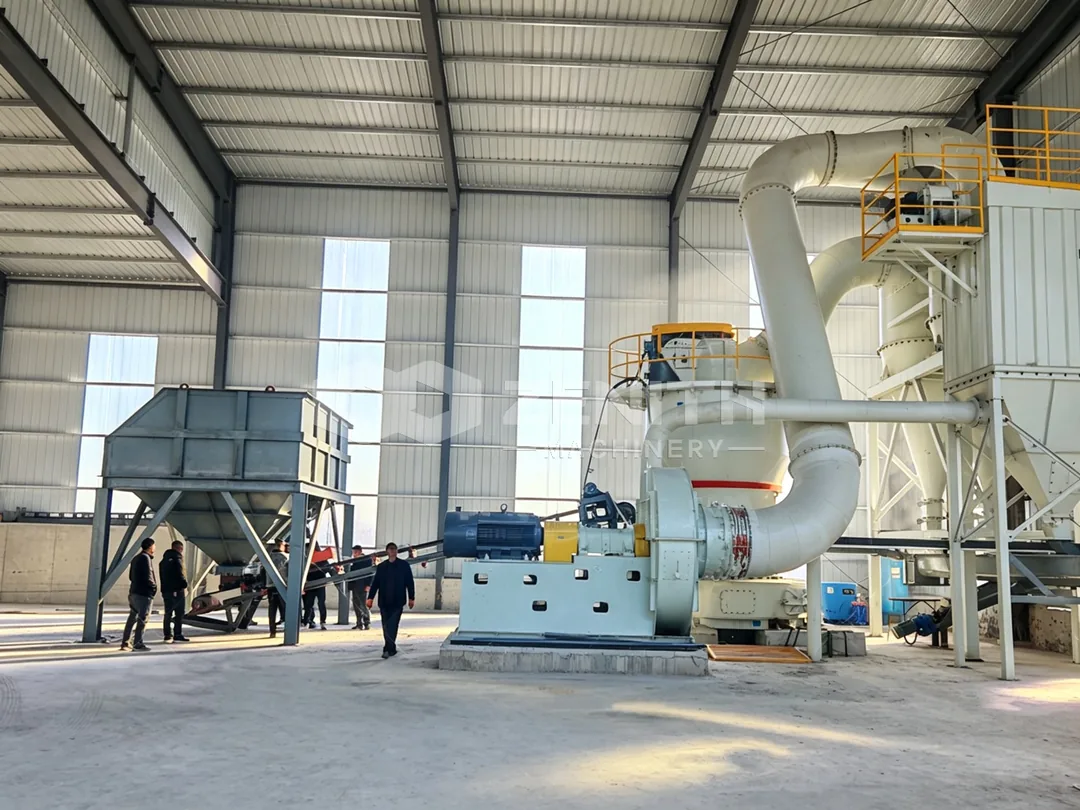
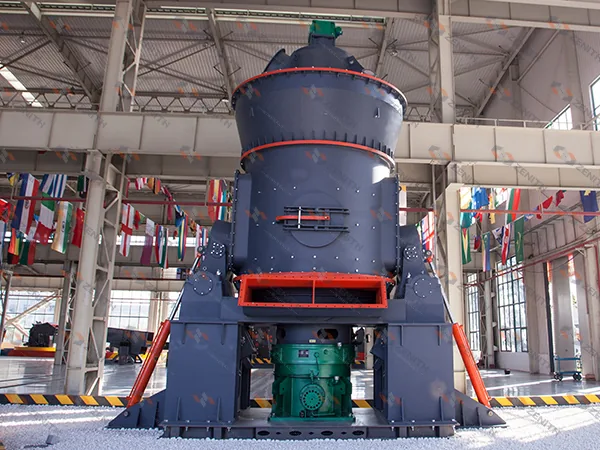
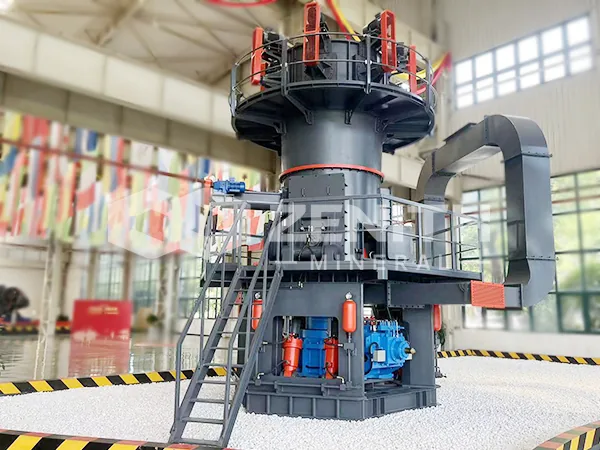
The HGM100 is part of ZENITH's ultra fine grinding range, which covers fineness from 400 mesh to 2500 mesh and beyond. It is designed for non-metallic minerals such as quartz, calcite, marble, talc, dolomite and barite. For a quartz coating filler plant in Australia, the HGM100 can produce 1250 mesh powder at around 7 t/h, depending on feed size and moisture content. The mill integrates grinding, classification and powder collection in a compact system, reducing floor area and civil engineering costs.
- Adjustable fineness: The classifier uses a variable frequency drive, so the operator can switch between different product specifications by changing rotor speed.
- Low iron contamination: The grinding chamber is designed to minimise metal-to-metal wear, while high-grade wear-resistant materials protect both rollers and liners.
- Energy saving: In many cases, the HGM100 uses substantially less energy than a jet mill or ball mill at similar fineness.
- Stable operation: The system operates under negative pressure, with a pulse dust collector ensuring clean production and less product loss.
_1788200949259.jpg)
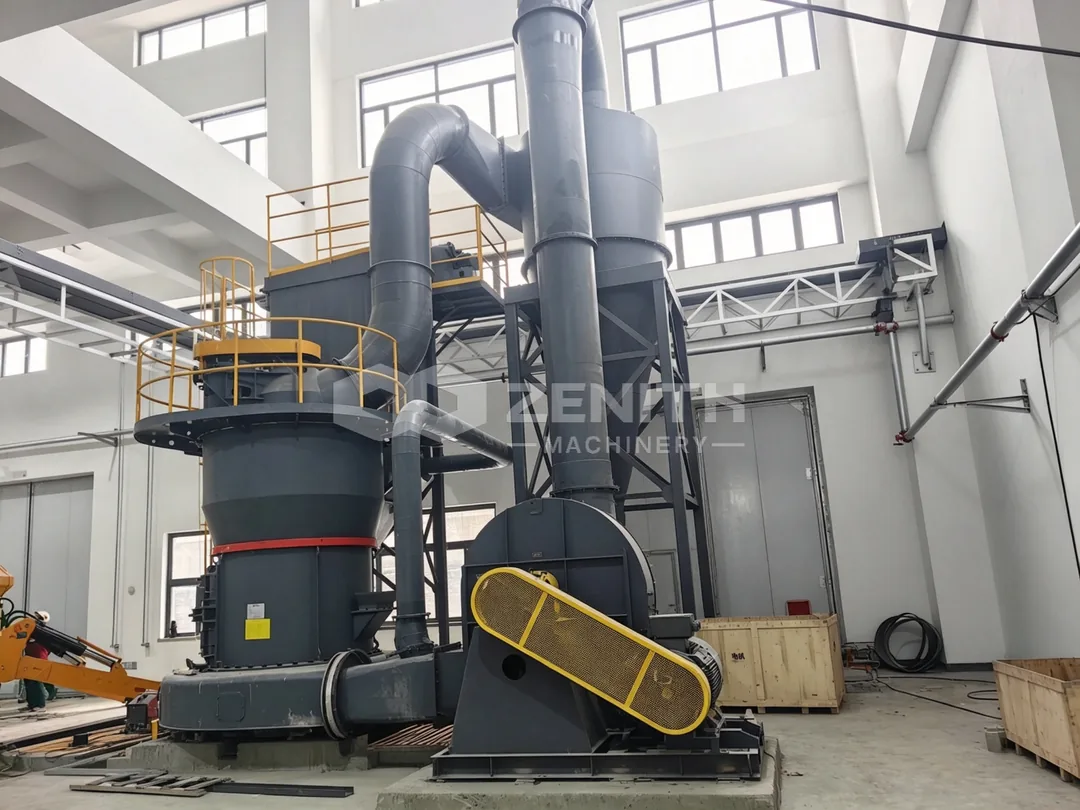
Working Principle: From Lumps to Fine Filler
Material smaller than 10 mm enters the main grinding chamber through a feeder. The rotating turntable throws quartz outward by centrifugal force. Grinding rollers, pressed against the material bed, crush particles by compression and shear. Fine particles are carried by air flow to the classifier. Coarse particles fall back to the grinding table for another cycle; qualified powder passes into the cyclone and pulse dust collector, while clean air is released through the fan. Because the entire system works under positive and negative pressure, dust spillage is avoided. This principle is similar to other ZENITH ultra fine mills, such as the XZM series, but optimised for medium-capacity operations like a 7 t/h quartz line.
_1788200949261.jpg)
Advantages for Australian Coating Filler Producers
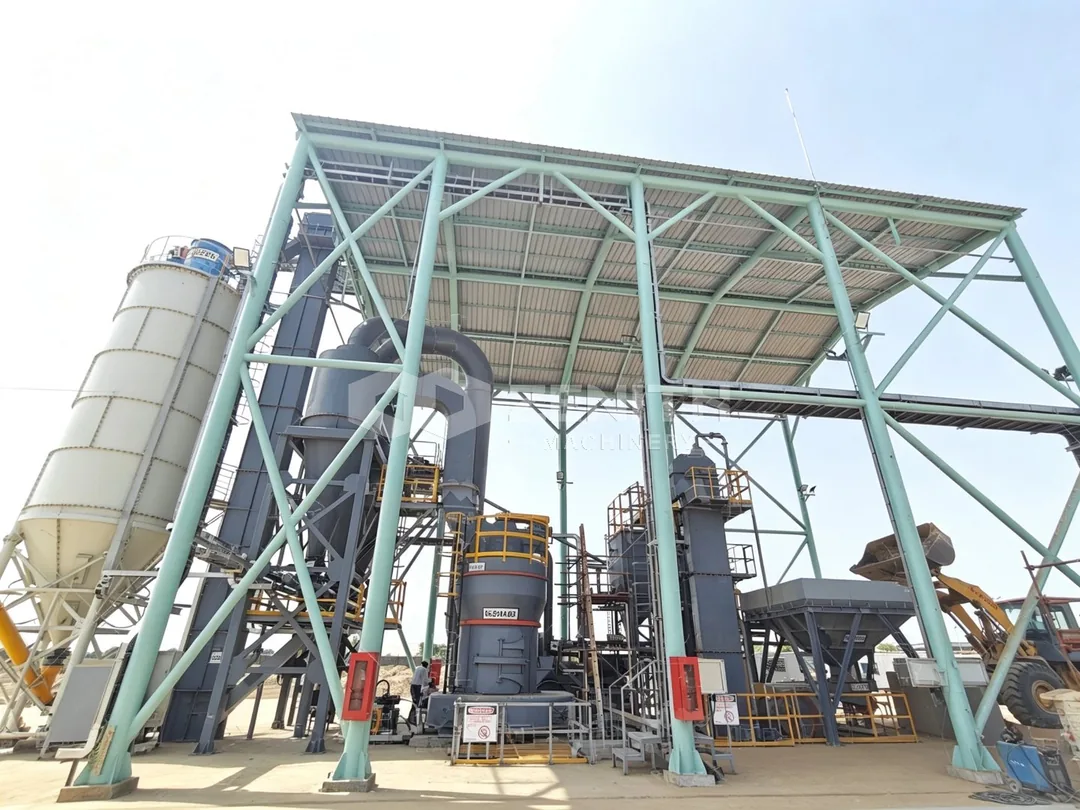
Australia has a strong mining and mineral processing culture, but coating filler producers also face high energy costs and strict environmental rules. The HGM100 addresses both. A sealed negative-pressure system reduces dust and noise; the compact footprint lowers plant construction cost; and the energy-efficient drive train reduces operating expense. ZENITH's international network also supports Australian customers with installation guidance, spare parts and process advice. For a project targeting 1250 mesh quartz powder, the HGM100 offers a practical balance of capacity, fineness and reliability.
Choosing the Right Mill for Quartz Powder
Different grinding needs require different machines. ZENITH's range includes MTW and MTM trapezium mills for 80-400 mesh powders, LM vertical mills for large-capacity 80-400 mesh production, and LUM or XZM ultrafine mills for 325-2500 mesh. The HGM100 sits in the ultra fine category, but with a specific emphasis on moderate capacities and high purity. For a coating filler producer who needs 7 t/h of 1250 mesh quartz, the HGM100 is more economical than a large vertical mill and more productive than a small jet mill. If the product specification changes in the future, the variable classifier allows adjustment over a wide fineness range without changing mechanical parts.
Conclusion
Ultra fine quartz powder is an important functional filler in modern coatings. The HGM100 ultra fine mill from ZENITH provides a proven route to achieve 1250 mesh at 7 t/h in the Australian market. Its combination of adjustable classification, low maintenance, low energy consumption and clean operation makes it well suited for coating filler production. For companies looking to replace imported fillers with local material, the HGM100 is a robust and future-proof investment.
FAQ
- Can the HGM100 produce 1250 mesh quartz powder at 7 t/h continuously? Yes, under typical conditions with feed size below 10 mm and moisture below 5%, the HGM100 can maintain 7 t/h output at 1250 mesh.
- What is 1250 mesh in microns? In industrial practice, 1250 mesh corresponds to approximately D97 = 10 microns, which means 97% of the particles are below 10 microns.
- Why use quartz powder as a coating filler? Quartz offers high hardness, chemical resistance and weatherability, which improve the durability, burnish resistance and anti-settling performance of coatings.
- Does the HGM100 cause iron contamination in white fillers? The mill is designed with high wear-resistant alloy components and reduced metal-to-metal contact, so iron pick-up is effectively controlled for coating-grade quartz.
- Is the HGM100 suitable for other minerals besides quartz? Yes, it can also process calcite, marble, limestone, talc, dolomite, barite and other non-metallic minerals with similar hardness.
- Does ZENITH support installation and after-sales service in Australia? ZENITH has marketing channels in more than 180 countries and overseas offices in over 30 countries, including the Oceania region, so engineering support, spare parts and technical service are available.
- Can the output fineness be changed if I need a different product later? Yes, the HGM100's classifier uses a variable frequency drive, so you can adjust fineness from around 400 mesh to 2500 mesh by changing the rotor speed.