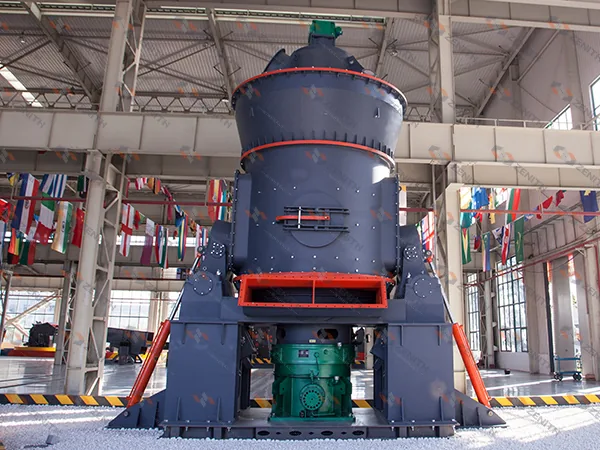
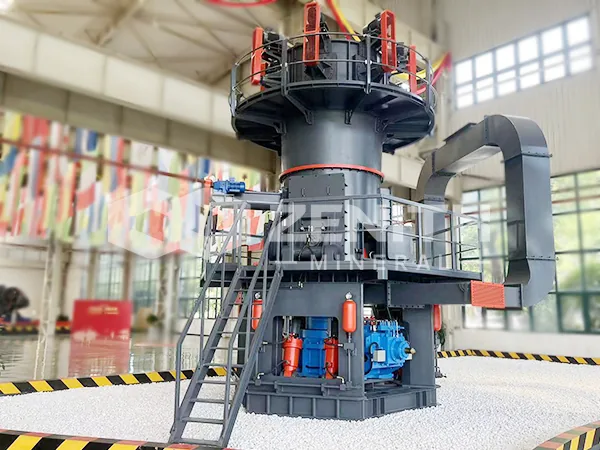
Zenith lm150 vertical mill australia quartz 45t/h 200mesh silica powder line
2026-08-31 02:27:32
Imagine a silica processing plant in Western Australia, where the feed is hard quartz and the target is a steady 45 t/h of 200-mesh powder. The equipment must be compact, the line must run around the clock, and dust cannot escape. For many operators, the Zenith LM150 vertical roller mill has become the centerpiece of such a powder line. This article looks at why the LM150 works well for Australian quartz grinding, how the complete silica line is built, and what the mill's key advantages mean in practice.
Meeting the 45 t/h and 200-Mesh Requirement
The LM150 is one of the proven mid-size vertical roller mills in Zenith's LM series. The full LM series covers capacities from 3 to 340 t/h and output fineness from 80 to 400 mesh, so the LM150 can be configured for 45 t/h of quartz powder at 200 mesh. In simple terms, 200 mesh is a standard specification, and the opening of a 200-mesh sieve is approximately 74 microns. This is a common specification for silica powder used in glass, ceramics, paint, and plastic fillers.
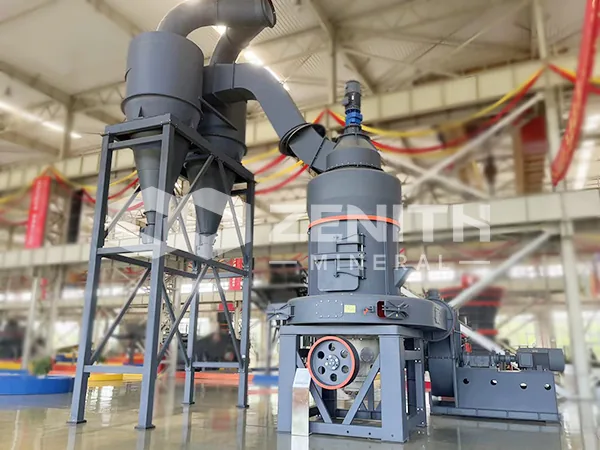
To hold that fineness, the mill uses an internal dynamic separator with an adjustable rotor. By changing the rotor speed or louver angle, the plant can fine-tune the powder without interrupting production. For a silica line, this flexibility is valuable because customers often ask for slightly different particle size distributions while retaining the same daily output.
Compact Design and Lower Comprehensive Investment
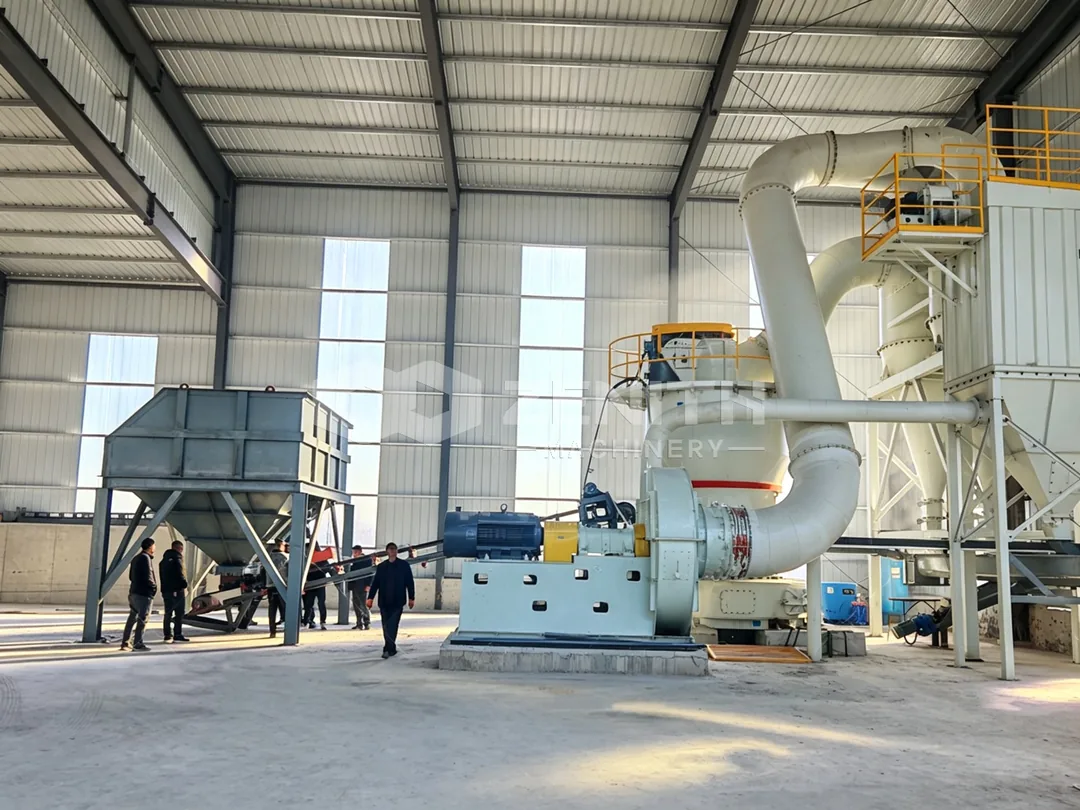
Traditional ball mill systems need a separate classifier, bucket elevators, and large concrete foundations. The LM150, by contrast, is a self-contained vertical system. It receives pre-crushed quartz from a variable-frequency belt feeder and performs grinding, classification, and conveying in one unit. The compact footprint is roughly 50% of a ball mill installation. On an Australian mine site, less area means less civil works, simpler steel structures, and lower installation cost.
Automation and Environmental Safety
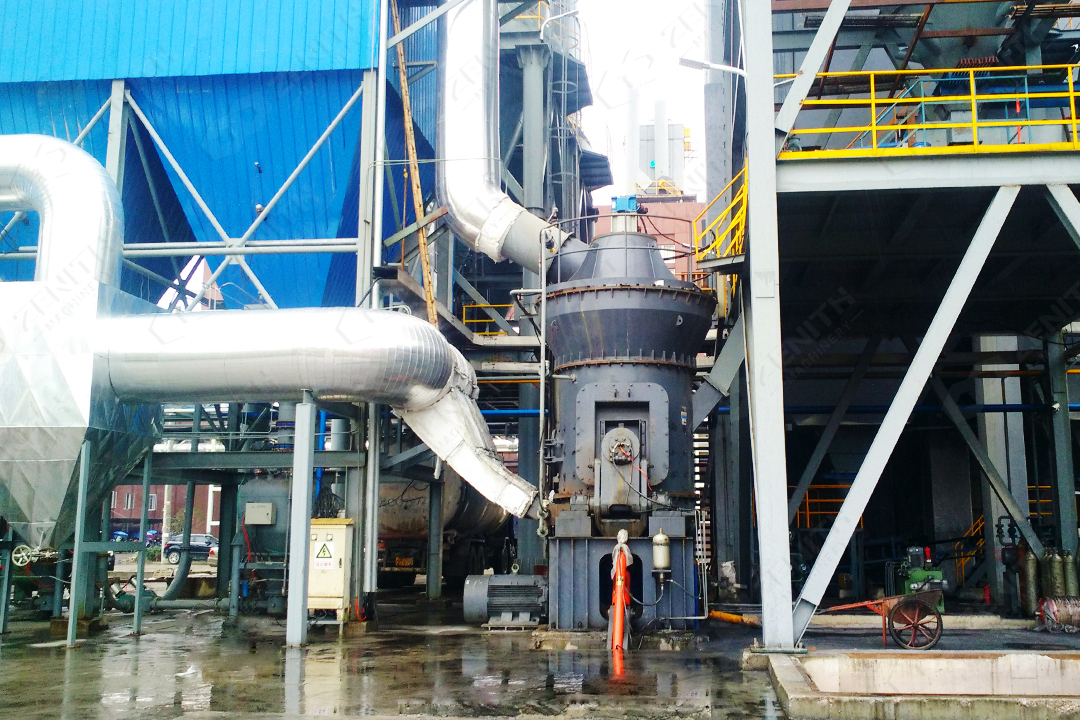
Australian operations face high labor costs and strict environmental rules. The LM150 is equipped with an automatic control system that allows remote control and local control to be switched freely. One operator can monitor the mill from a central control room, start and stop the feed, and adjust grinding pressure or classifier speed without walking across the plant. This reduces manpower and improves safety.
Silica dust is a serious occupational health issue. The LM150 is sealed and operates under negative pressure, so fine dust cannot spill into the workshop. A pulse-jet dust collector cleans the exhaust air before it is released. With small vibration and low noise, the mill fits comfortably into modern Australian environmental standards.
How the LM150 Grinds Quartz
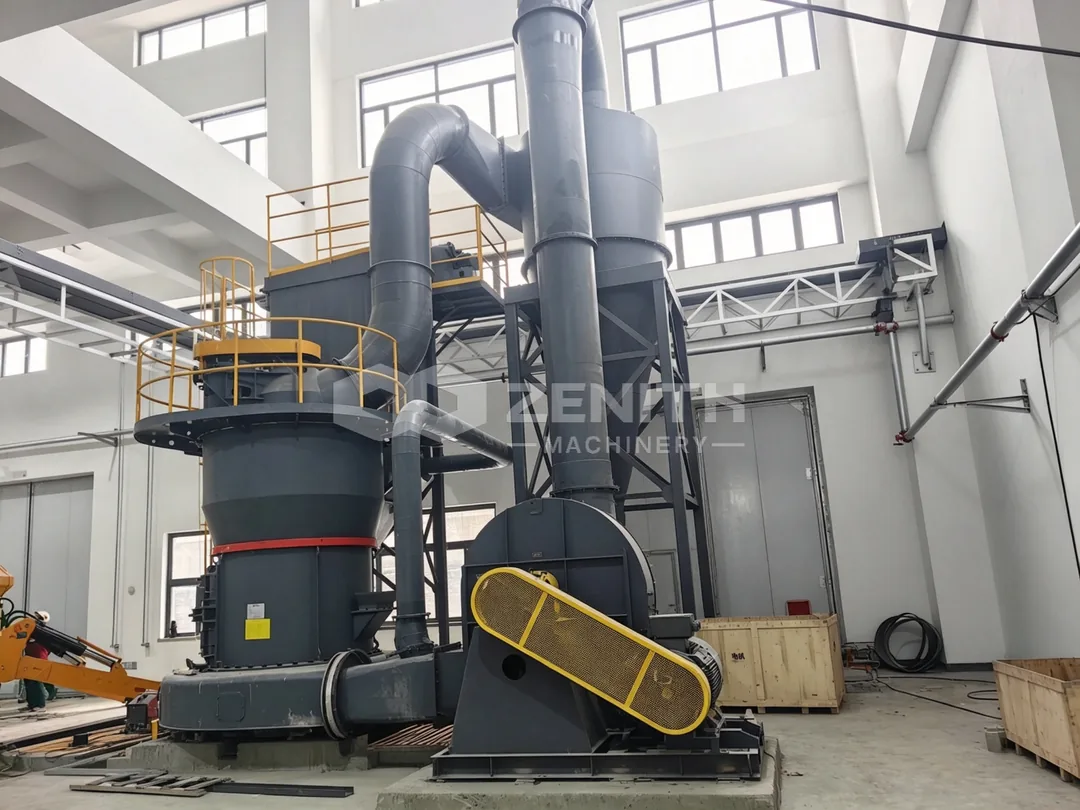
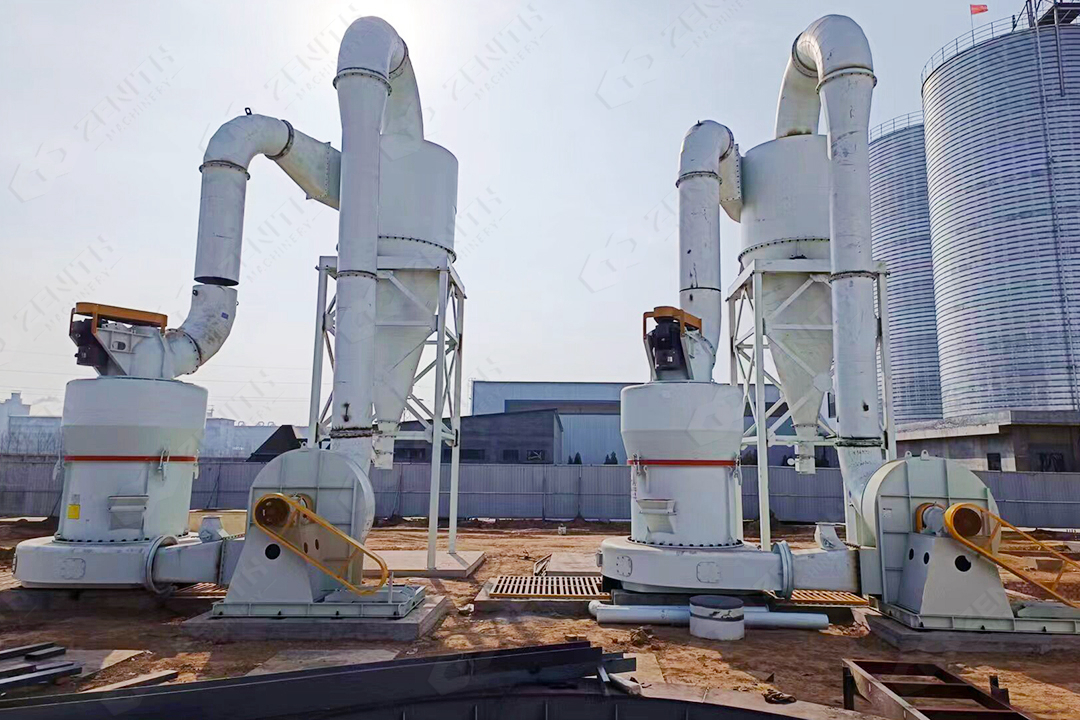
The working principle is centered on a material bed. Pre-crushed quartz falls onto the center of the grinding disc. The main motor turns the disc through a reducer, and centrifugal force pushes the material toward the edge. Grinding rollers press down on the material bed, crushing large particles and creating inter-particle grinding among smaller particles. The ground material continues to the disc edge, where airflow lifts it to the separator. Coarse particles fall back for another pass, while fine powder is carried to the cyclone and dust collector as finished product.
Because the rollers do not contact the disc directly during normal operation, the risk of iron contamination is much lower than in an impact or ball mill. Any iron impurities that enter with the quartz fall into the lower cavity and are scraped out. This helps maintain the purity and whiteness of the final silica powder, which is essential for high-end applications.
_1788114452352.jpg)
Designing the Complete Silica Powder Line
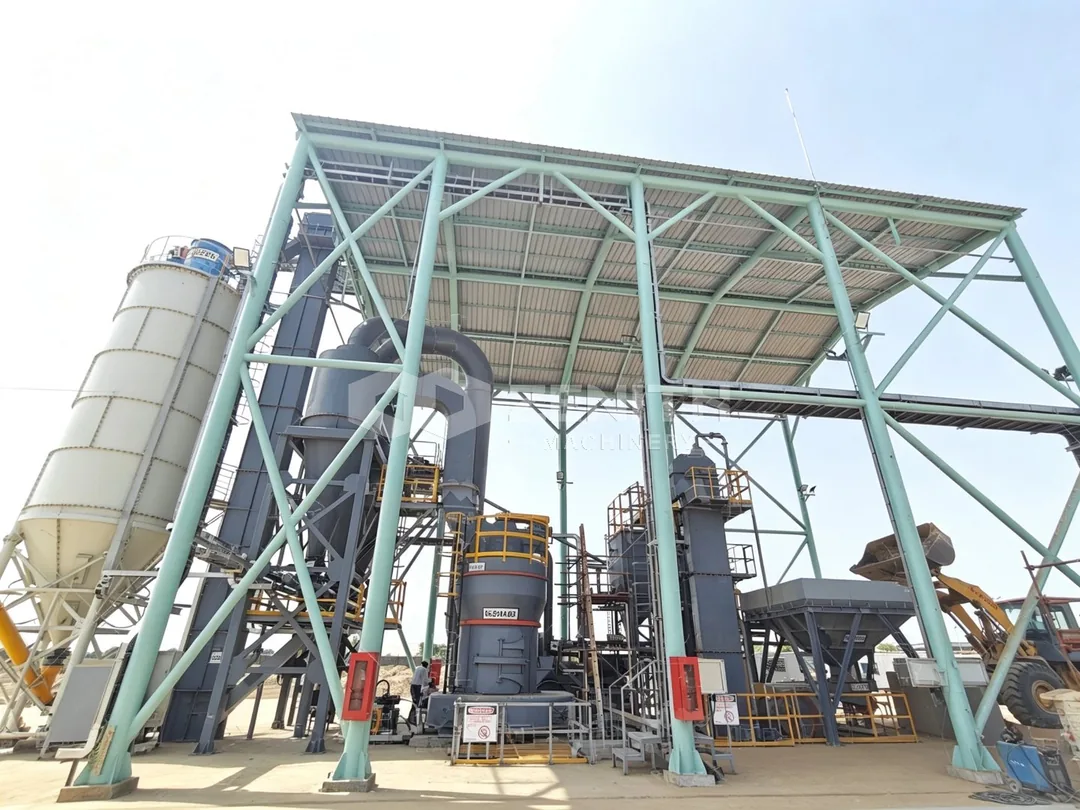
A 45 t/h, 200-mesh silica line is more than just a mill. The typical process starts with primary crushing of raw quartz, then uses a vibrating screen or surge bin to keep the feed size within the LM's 0-70mm range. A variable-frequency belt feeder sends the material into the LM150 at a controlled rate. The system's airflow lifts the ground material to the dynamic separator, which controls fineness. Finished powder is collected by the cyclone and pulse dust collector, then conveyed to storage silos or packing machines.
Zenith also supplies other models if the project requirements change. MTW and MTM trapezium mills are options for smaller capacities, while LUM and XZM ultrafine mills are suitable for finer powder. For this Australian quartz case, the LM150 balances capacity, energy consumption, and investment.
Why Australian Quartz Producers Choose Vertical Roller Mill Technology
Australian quartz is abrasive and hard, but the LM150 handles it with wear-resistant grinding parts and an adjustable grinding pressure system. The vertical mill uses bed grinding, which is inherently more energy efficient than a ball mill of similar capacity. Lower power consumption, lower maintenance cost, and less floor space create a strong business case, especially in remote areas where diesel power or stringent power quotas are common.
In addition, Zenith has a global sales network covering more than 180 countries and regional offices in over 30 countries, including Oceania. This means spare parts and technical support can be arranged quickly for an LM150 installation in Australia.
Conclusion
For an Australian quartz and silica powder project requiring 45 t/h at 200 mesh, the Zenith LM150 vertical mill offers a practical, high-performance solution. Its compact design lowers initial cost, its automation reduces operating labor, and its sealed structure keeps silica dust under control. From the first crusher to the final dust collector, the LM150 can be the reliable center of a profitable silica powder line.
Frequently Asked Questions
- What is 200 mesh in microns? 200 mesh means the powder can pass through a sieve with 200 openings per inch, approximately 74 microns. The LM150's separator can be adjusted to achieve this specification consistently.
- Can the LM150 grind raw quartz directly from the quarry? No. The feed size for the LM series is up to 70mm, so quarried quartz must be reduced by a jaw crusher or similar equipment before reaching the mill. A surge bin and belt feeder create a stable feed stream.
- What capacity can the LM150 reach for 200-mesh silica powder? In this project, the line is designed for 45 t/h. Actual output depends on feed size, moisture, hardness, and fineness. Under comparable conditions, LM150 offers a stable mid-to-high capacity range.
- How does the LM150 control iron contamination in silica powder? The material bed minimizes direct metal-to-metal contact between rollers and disc. Iron impurities are collected in the lower cavity and removed from the system, helping protect the whiteness and purity of the final product.
- Can the LM150 be remotely controlled in an unmanned plant? Yes. The automatic control system supports both remote and local control. A centralized control room can start, stop, and adjust mill parameters without requiring an operator on site.
- What environmental protection equipment is included? The LM150 system operates under negative pressure and is equipped with a pulse dust collector. This prevents dust spillover and meets modern Australian environmental and workplace health standards.