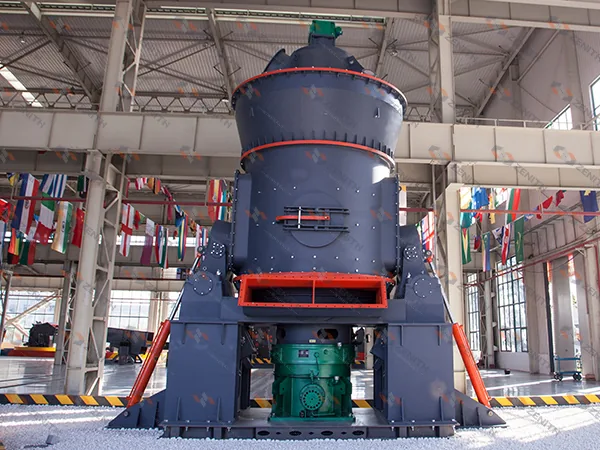
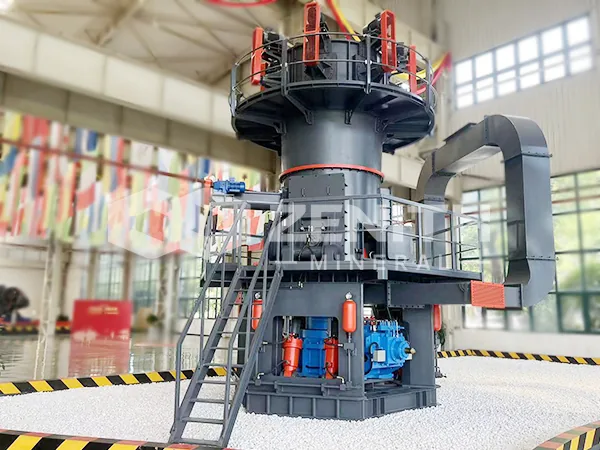
Australia quartz sand mtw175 grinding mill 18t/h 325mesh glass raw material
2026-08-30 02:27:01
Australia is one of the world's richest sources of high-grade quartz sand, and the country's glass manufacturers understand that raw material preparation is where product quality is won or lost. When the target is a steady 18 tonnes per hour of 325-mesh silica powder, the choice of grinding technology becomes critical. ZENITH's MTW European Trapezium Mill - specifically the MTW175 model - offers exactly this kind of dependable throughput while delivering the fine, uniform particle size that glass production demands.
_1788028021557.jpg)
Why the MTW175 is a Natural Fit for Quartz Sand
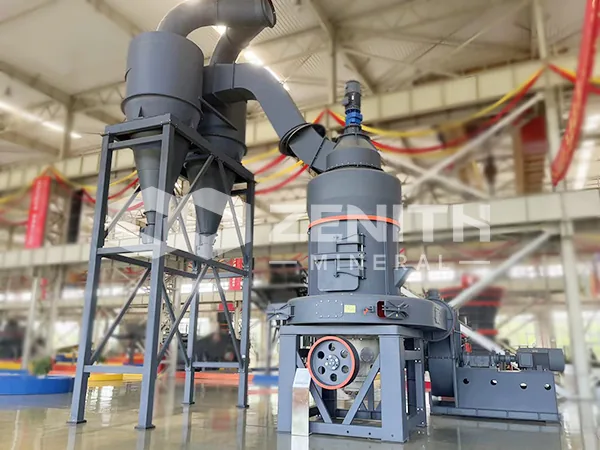
Quartz sand is abrasive and heavy. It demands a mill with robust construction, stable operation and enough power to maintain capacity around the clock. The MTW175 operates within a capacity range of 3 to 22 tonnes per hour, with an input size of up to 35 mm and an output fineness adjustable from 30 to 325 mesh. For an Australian quartz sand project targeting 18 t/h at 325 mesh, the MTW175 works well within its design envelope rather than being forced to its limit. This means less wear, more predictable output and lower risk of production interruptions.
The mill also has a self-contained production system, from feeding to finished powder collection. This avoids a sprawling plant layout. Less occupied area and less civil construction mean lower initial investment - important for a new glass raw material plant.
Energy Efficiency: More Than 60% Lower Consumption than Ball Mills
Electricity is one of the largest operating costs in mineral grinding. The MTW series consumes more than 60% less energy than a ball mill of the same grade under ideal working conditions. For a plant running 18 t/h, that difference adds up to substantial monthly savings. The high-efficiency impeller fan raises induced air efficiency from 62% to 85%, reducing power loss and keeping classification stable. In Australia, where energy prices are high and carbon targets are stricter, this is both a commercial and compliance advantage.
Why 325 Mesh Matters for Glass Manufacturing
In glass production, raw materials must be finely ground to promote rapid, homogeneous melting. Quartz sand at 325 mesh provides a large specific surface area, allowing silica to react efficiently with fluxing agents. The result is a more uniform melt, fewer defects and better optical quality. For Australian exporters of glass-grade silica powder, consistency is what separates a preferred supplier from an alternative.
Adjustable Fineness for Consistent Glass-Grade Powder
Glass raw material does not accept variation. If the silica powder is too coarse, melting becomes slow and inclusions may form. If it is too fine, handling and transport become difficult. The MTW175 uses a modular impeller adjustment device, so operators can change fineness by replacing or adjusting the impeller. The mill can be tuned for 325 mesh today and changed to another specification later without major mechanical modifications.
The final 325-mesh powder is well distributed, with no oversized particles in the product stream. This consistency is essential for glass containers, flat glass or fiberglass.
_1788028021559.jpg)
Working Principle: A Closed-Loop System with Clean Operation
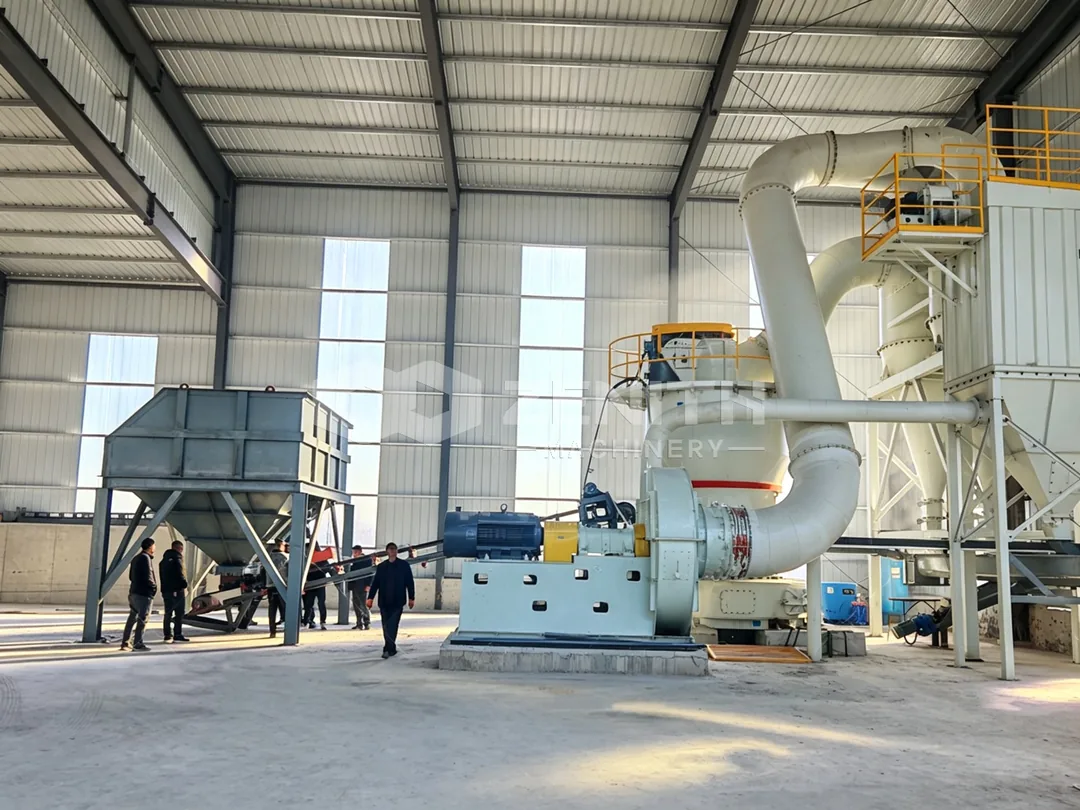
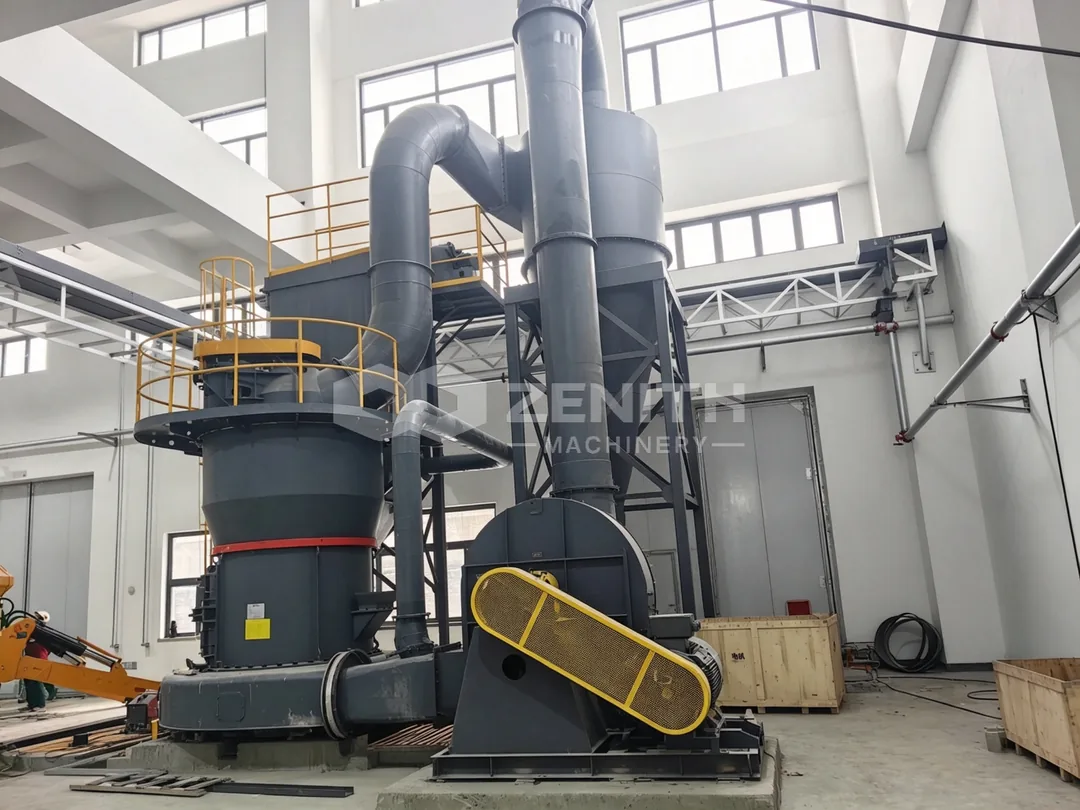
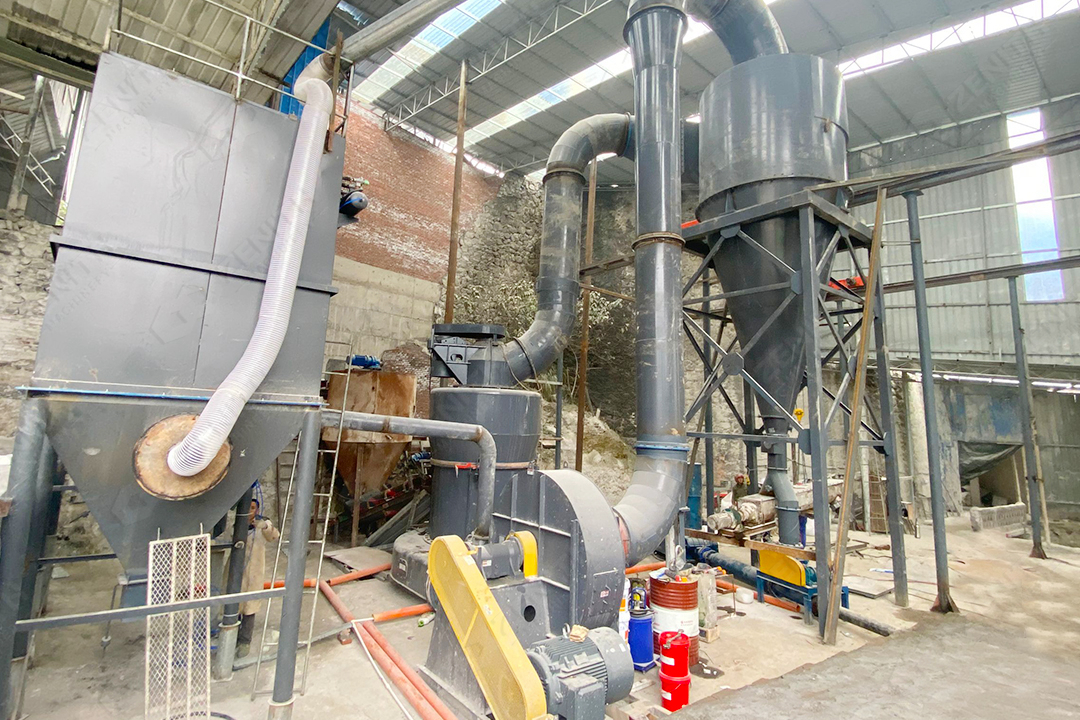
After primary crushing, qualified quartz sand is sent to the main grinding chamber by a variable frequency belt feeder. Material is crushed between the grinding roller and ring, then carried upward by fan airflow to the powder selector. Qualified fine powder is collected in the cyclone, while coarse powder falls back for re-grinding. The system operates under controlled positive and negative pressure and uses a pulse dust collector, keeping the operation clean and meeting environmental protection standards.
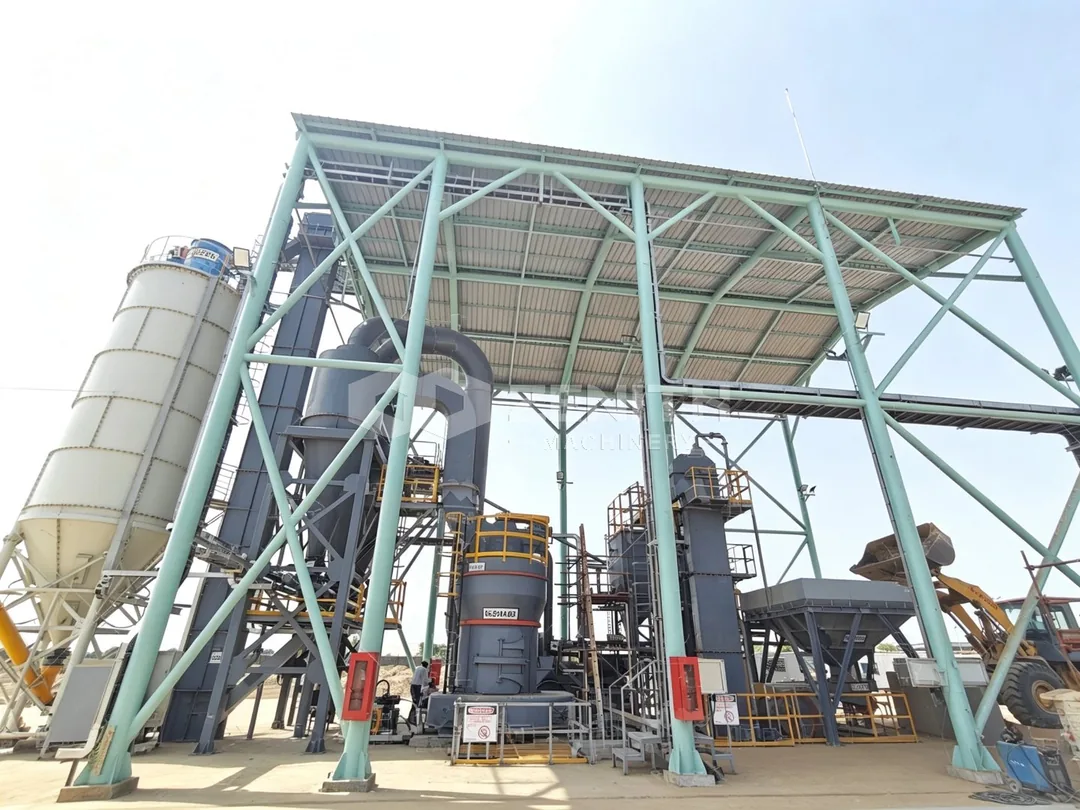
The MTW175 is also designed with the operator in mind. Its modular impeller and replaceable wear parts reduce downtime, and the variable frequency belt feeder ensures a steady feed rate even when raw material size varies. Because the mill is less complicated than a ball mill system, it needs less floor space and simpler foundations. This makes it particularly suitable for Australian sites where remote location and limited site access are common challenges.
_1788028021562.jpg)
Built on Experience, Certified and Globally Trusted
ZENITH is a high-tech engineering group with decades of experience in industrial powder grinding. The MTW series is widely used in agriculture, chemicals, paint, wall putty, steel plants and water treatment. The company holds ISO, CE and CU-TR certifications, and its network covers more than 180 countries with overseas offices in over 30. Australian clients can expect a high-quality machine, responsive service and spare parts availability.
For the country's quartz sand industry, the MTW175 is a practical answer to modern glass manufacturing: 18 t/h at 325 mesh, low energy consumption, compact layout and environmentally sound operation.
Frequently Asked Questions
Can the MTW175 produce 325 mesh quartz sand at 18 t/h?
Yes. The MTW175 has a capacity of 3-22 t/h and output fineness of 30-325 mesh, so 18 t/h at 325 mesh is within range.
What is the maximum input size?
The maximum input size is 35 mm. Material must be crushed below this size before feeding.
How much energy can be saved compared with a ball mill?
The MTW series consumes more than 60% less energy than a ball mill of the same grade under ideal conditions.
How is output fineness adjusted?
By changing the modular impeller. This allows different fineness levels without major machine modification.
Does the system meet environmental standards?
Yes. It operates under positive and negative pressure and includes a pulse dust collector to satisfy environmental requirements.
Can ZENITH support Australian projects?
Yes. ZENITH has offices in over 30 countries and a network in more than 180 countries, including Australia.