Lm220 vertical roller mill australia limestone 180t/h cement grinding station
2026-08-23 02:25:57
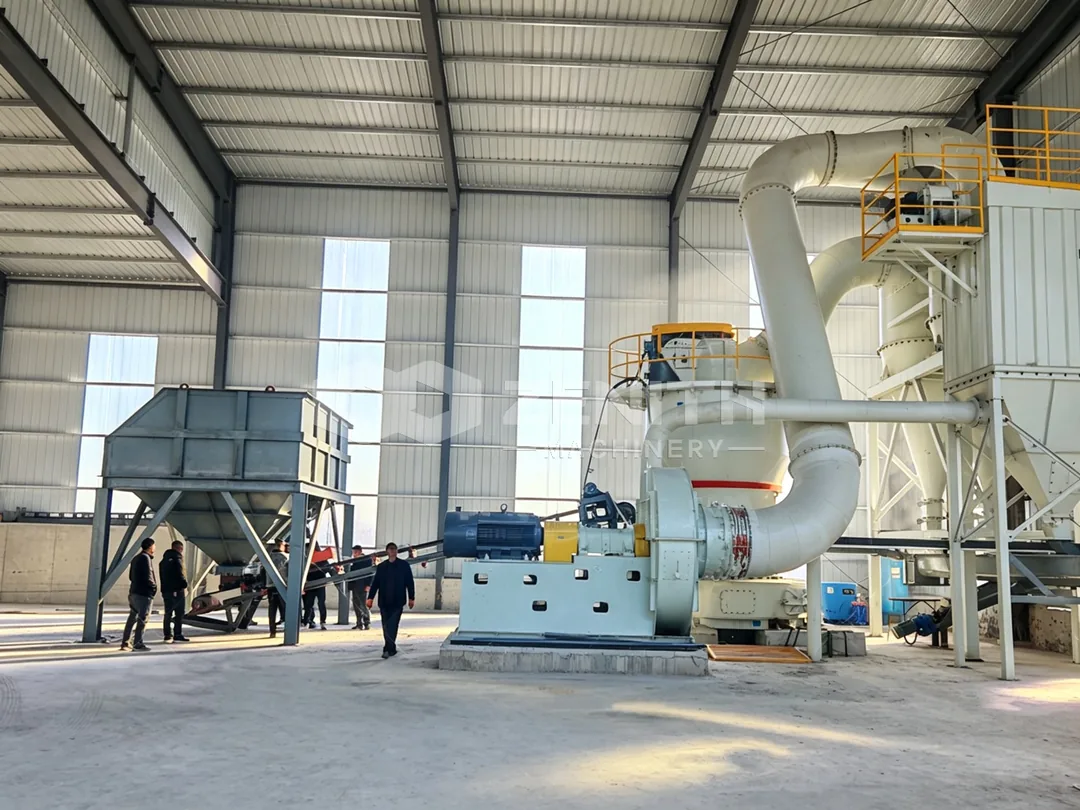
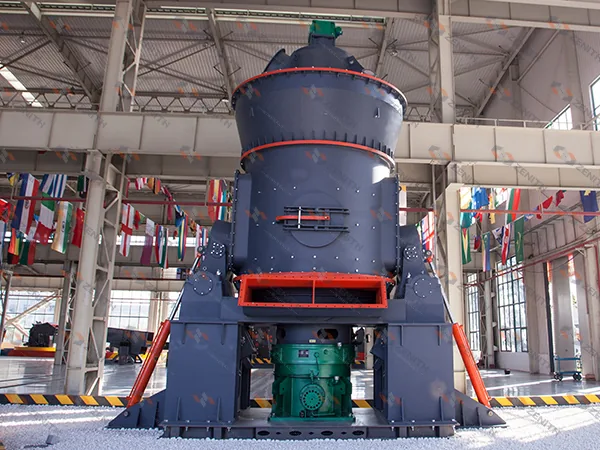
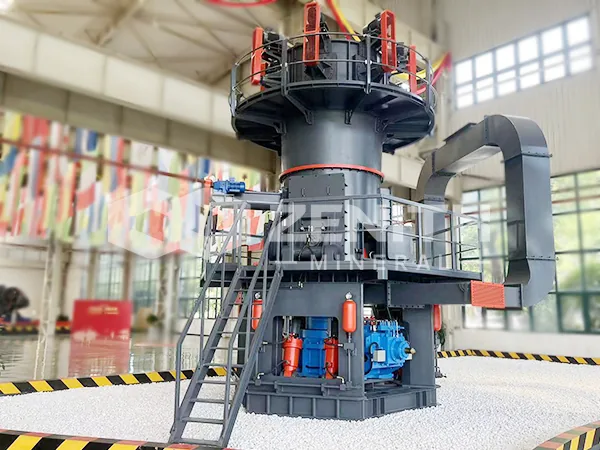
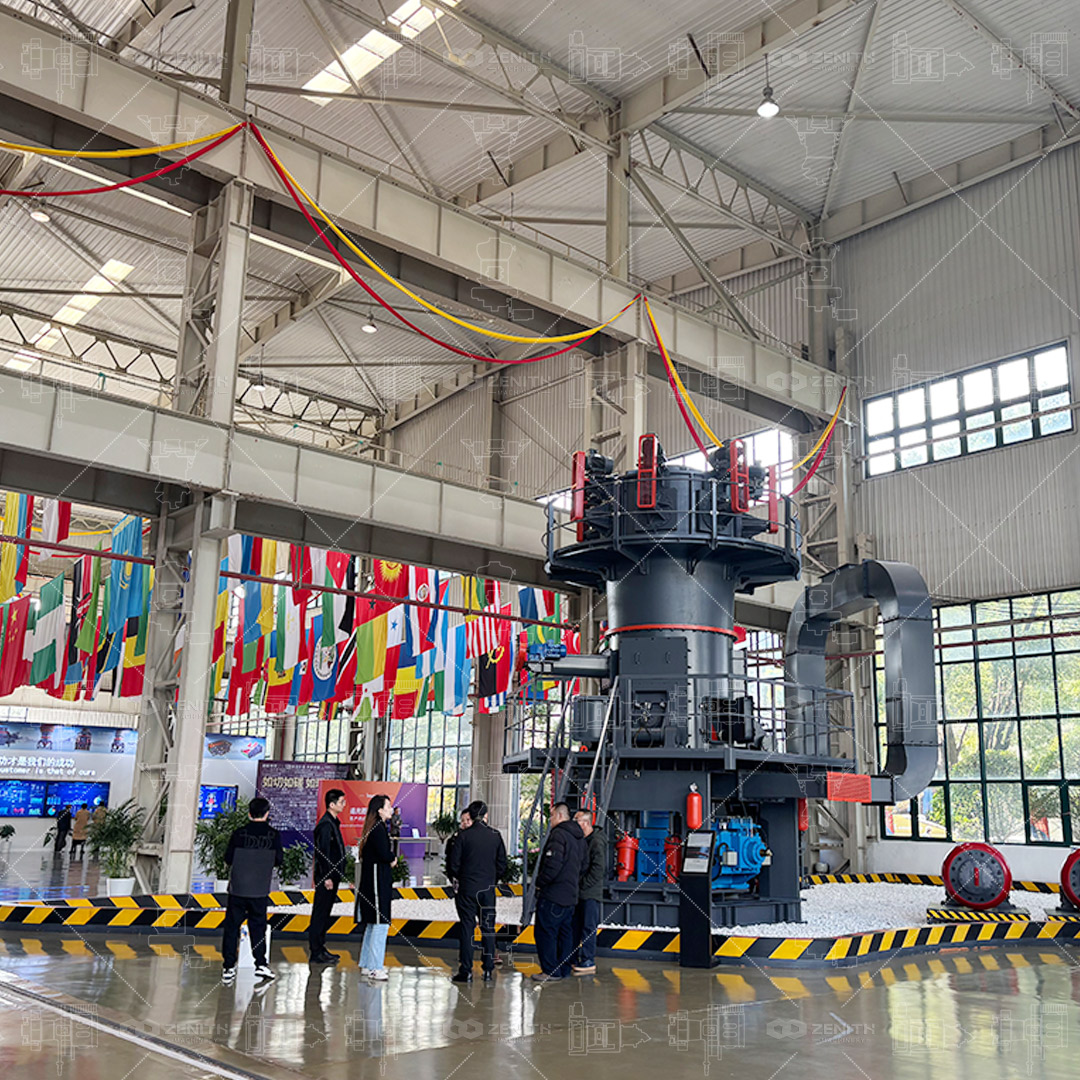
The LM220 vertical roller mill from Shanghai Zenith Machinery is the core of a 180 t/h limestone cement grinding station in Australia. Chosen for its large capacity, stable operation and compact layout, this mill produces fine limestone powder while meeting strict environmental and safety standards. In an industry where continuous operation dictates profitability, the LM220 has become a dependable workhorse.
Why the LM220 fits this project
In cement grinding stations, a mill must run continuously, handle feed variations and keep operating costs low. The LM220 is part of Zenith's LM vertical roller mill series, designed for 24-hour operation with capacities from 3 to 340 t/h and feed sizes up to 70 mm. It can produce powder between 80 and 400 mesh, which is suitable for cement additives and limestone filler. This Australian installation is configured at 180 t/h, giving the plant reliable output for a large cement grinding operation.
The integrated arrangement also reduces peripheral equipment. Unlike a ball mill circuit, the LM220 does not need a separate drying unit, bucket elevators or external classifier. Hot gas enters the mill, and the separator does the classification internally. This simplifies the process and lowers civil engineering costs, an important advantage in a project such as an Australian limestone grinding station.
How the LM220 works
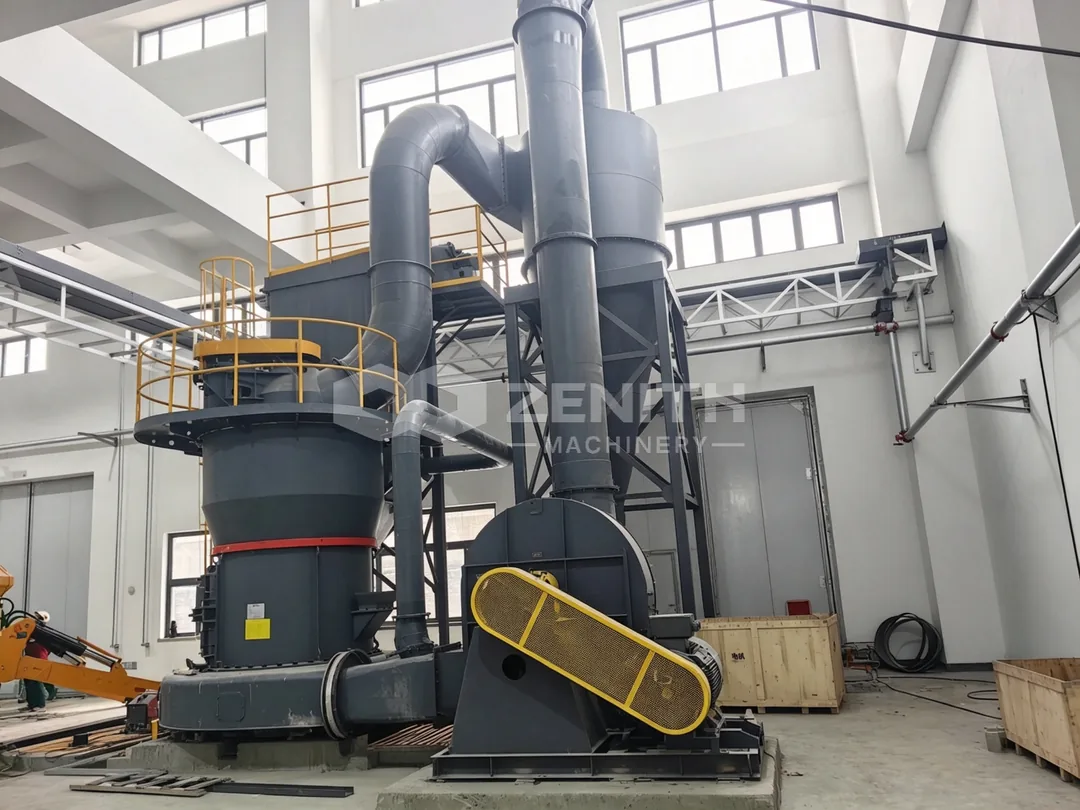
The main motor drives the grinding disc through a gearbox. Limestone falls from the feed inlet to the centre of the rotating disc and moves outward by centrifugal force. Rollers crush large pieces, while smaller particles form a material bed and are ground by inter-particle crushing. Hot air entering around the disc dries and lifts the ground material into the separator. Coarse particles return to the disc; fine powder passes through and is collected by a cyclone and bag filter. Iron impurities fall into the lower cavity and are removed automatically.
This bed grinding mechanism is more efficient than impact grinding alone. It also dampens vibration when feed moisture or particle size changes, helping operators hold stable product quality.
_1787423157030.jpg)
Key advantages for cement plants
The LM220's design addresses the factors that affect total cost and product quality in cement grinding stations.
High product purity
It controls particle size and minimizes iron contamination, protecting the whiteness and purity of limestone powder.
Lower investment and footprint
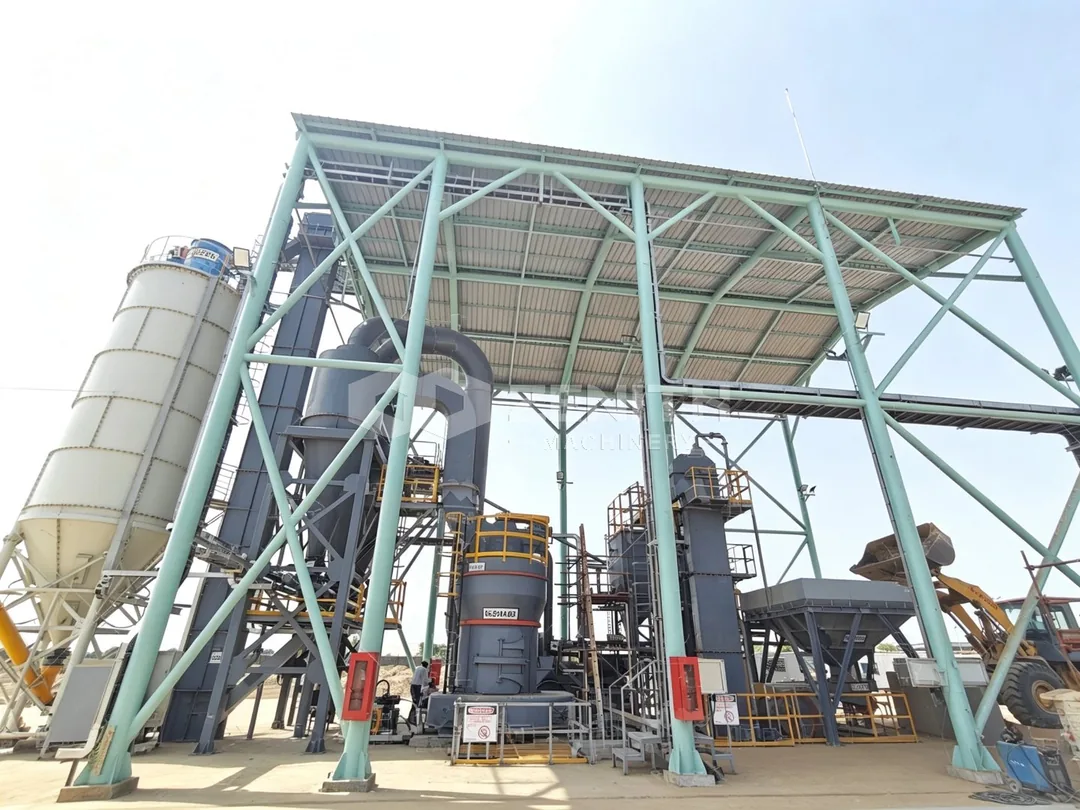
The integrated design has a footprint about half that of a ball mill system. It can be placed outdoors, reducing building and foundation costs.
Automation reduces labour
The automatic control system allows remote or local switching. One operator can supervise the mill and ancillaries, improving consistency and lowering labour costs.
Environmentally responsible operation
Sealed, negative-pressure operation and a pulse dust collector keep dust, vibration and noise low, meeting Australian environmental requirements.
_1787423157032.jpg)
Project support from Zenith
Zenith has ISO, CE and CU-TR certifications and a service network covering more than 180 countries, with overseas offices in over 30 countries. For this Australian project, Zenith provided process design, equipment configuration and commissioning support. This local support means spare parts and technical assistance are available when a 24-hour grinding station needs them.
The team also reviewed the limestone feed size, moisture and target fineness before finalising the mill configuration. This front-end engineering reduces surprises during startup and operation.
_1787423157034.jpg)
Maintenance and reliability
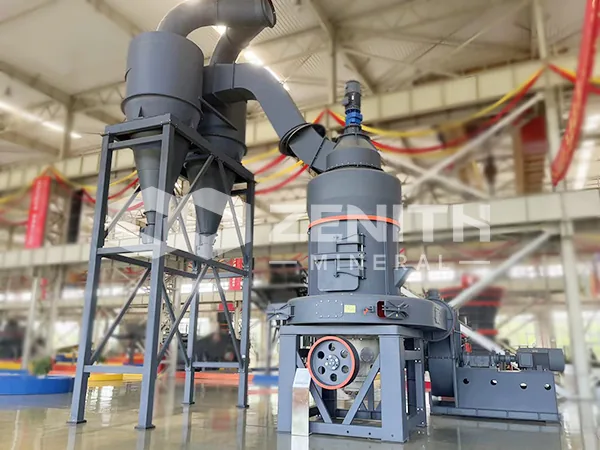
Because the LM220 uses a material bed and avoids metal-to-metal contact, wear is manageable and predictable. The hydraulic system makes roller and liner maintenance easier than with a conventional ball mill. With fewer auxiliary conveyors and separators, operators can maximize uptime and simplify planned maintenance. Routine inspections focus on rollers, table liners, classifier blades and the hydraulic system. This simple maintenance routine is especially valuable in remote Australian sites where specialist labour may be scarce.
Conclusion
The LM220 vertical roller mill delivers stable 180 t/h limestone grinding for this Australian cement station. Its compact design, low environmental impact, automation and simple maintenance make it a practical solution for modern cement production. As cement plants in Australia and worldwide move toward lower-cost, cleaner processes, vertical roller mills like the LM220 are likely to remain central to grinding operations.
Frequently Asked Questions
1. What capacity does the LM220 vertical roller mill have?
In this Australian limestone grinding station, the LM220 is configured for 180 t/h; the LM series can be selected for capacities from 3 to 340 t/h.
2. What feed size can the LM220 accept?
The LM220 accepts feed material up to 70 mm, with primary crushing normally installed ahead of the mill.
3. What output fineness is possible?
The LM series produces powder in the 80 to 400 mesh range, adjustable through separator speed, airflow and grinding pressure.
4. Is the LM220 suitable for continuous operation?
Yes. The LM series is built for 24-hour operation in mineral powder, cement, GGBS and coal grinding plants.
5. How does the LM220 control dust and noise?
It operates under negative pressure with a sealed housing and pulse dust collector, keeping dust low. Bed grinding reduces vibration and noise.
6. What after-sales support does Zenith provide in Australia?
Zenith has a global network covering over 180 countries and more than 30 overseas offices, supplying spare parts, installation guidance, commissioning and technical service.