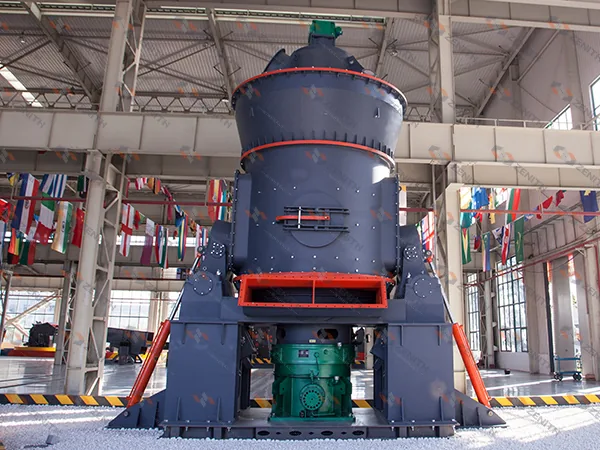
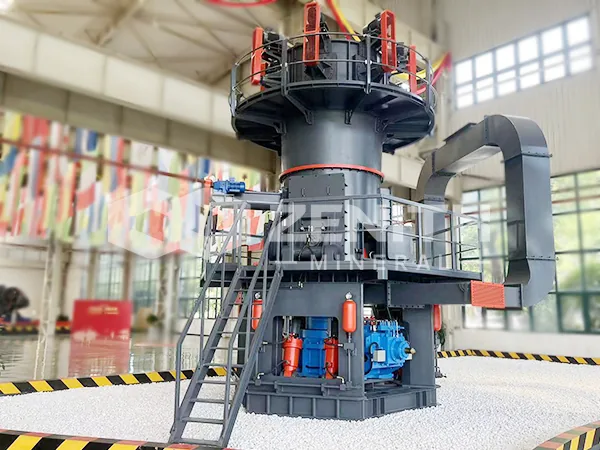
Australia large capacity limestone mill zenith mtw110 12t/h 325mesh
2026-08-22 02:30:36
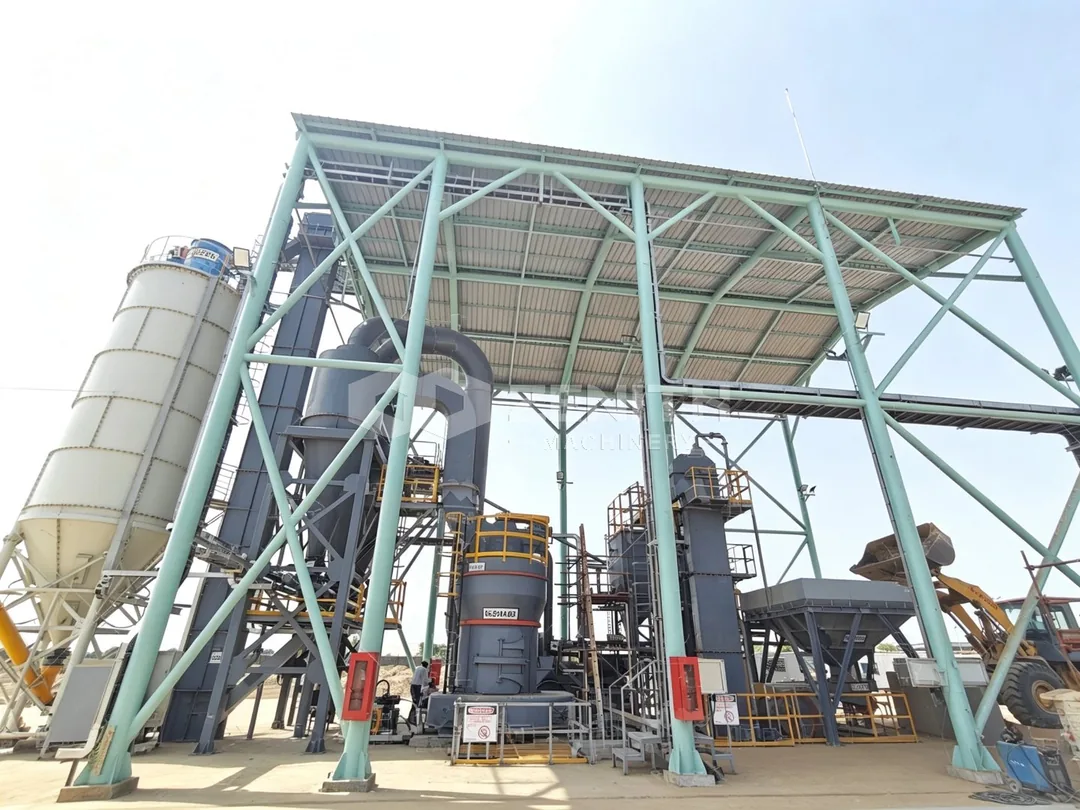
Choosing a limestone mill in Australia means more than comparing power ratings. It requires balancing throughput, operating cost, and product consistency. For many Australian processors, the ZENITH MTW110 European Trapezium Mill is a proven option, delivering about 12 t/h at 325 mesh while keeping energy use and plant footprint under control.
Why 325-Mesh Limestone Powder Is in Demand
Limestone powder at 325 mesh is widely used in agriculture, power plants, industrial fillers, and water treatment. In Australia, limestone deposits are processed in Western Australia, Queensland, and New South Wales for soil conditioning and other applications. The 325-mesh specification usually means most of the powder passes through a 44-micron screen. Achieving this consistently requires precise classification and stable grinding, which is exactly what the MTW110 is designed to do.
MTW110 at a Glance
_1787337036471.jpg)
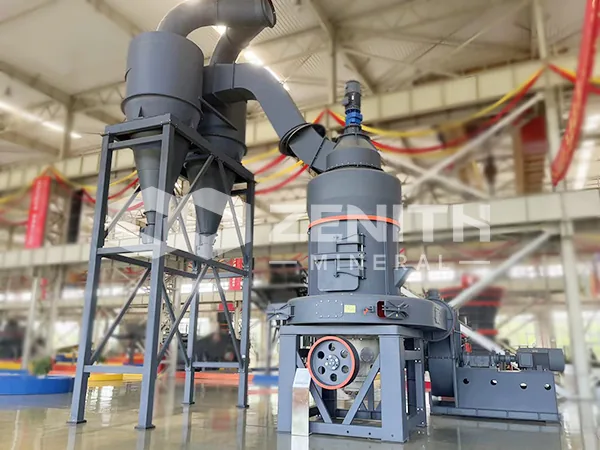
The MTW series produces fine powder from 80 to 400 mesh. The MTW110 model has a rated capacity of 3 to 22 t/h depending on feed material and fineness. In an Australian limestone plant with feed below 35 mm, it can run steadily at 12 t/h with the classifier set for 325 mesh. Its trapezium structure increases the grinding area, while the impeller fan and modular classifier give operators direct control over particle size.
Because the mill has its own production system from bulk feed to finished powder, it simplifies plant layout and reduces auxiliary equipment. This is important for remote Australian projects where reducing civil works is a major advantage.
Key Advantages in Real-World Operation
Lower Energy Cost than Ball Mills
The MTW110 consumes more than 60 percent less energy than a ball mill of the same class under ideal conditions. In a large plant running 12 t/h for many hours, that difference creates meaningful savings in electricity.
Adjustable Fineness
The modular impeller adjustment device lets operators change fineness by replacing the impeller or adjusting the classifier. This is useful for contract grinding and for producing different limestone grades with the same machine.
High Airflow Efficiency
A high-efficiency impeller fan lifts induced-air efficiency from 62 percent to 85 percent. Better airflow keeps powder moving through the system and improves collection efficiency in the cyclone and dust collector.
Certification and Global Support
ZENITH equipment carries ISO, CE, and CU-TR certifications. With offices in more than 30 countries and sales to over 180 markets, the company can provide support for Australian projects, including spare parts and engineering guidance.
Working Principle at 12 t/h and 325 Mesh
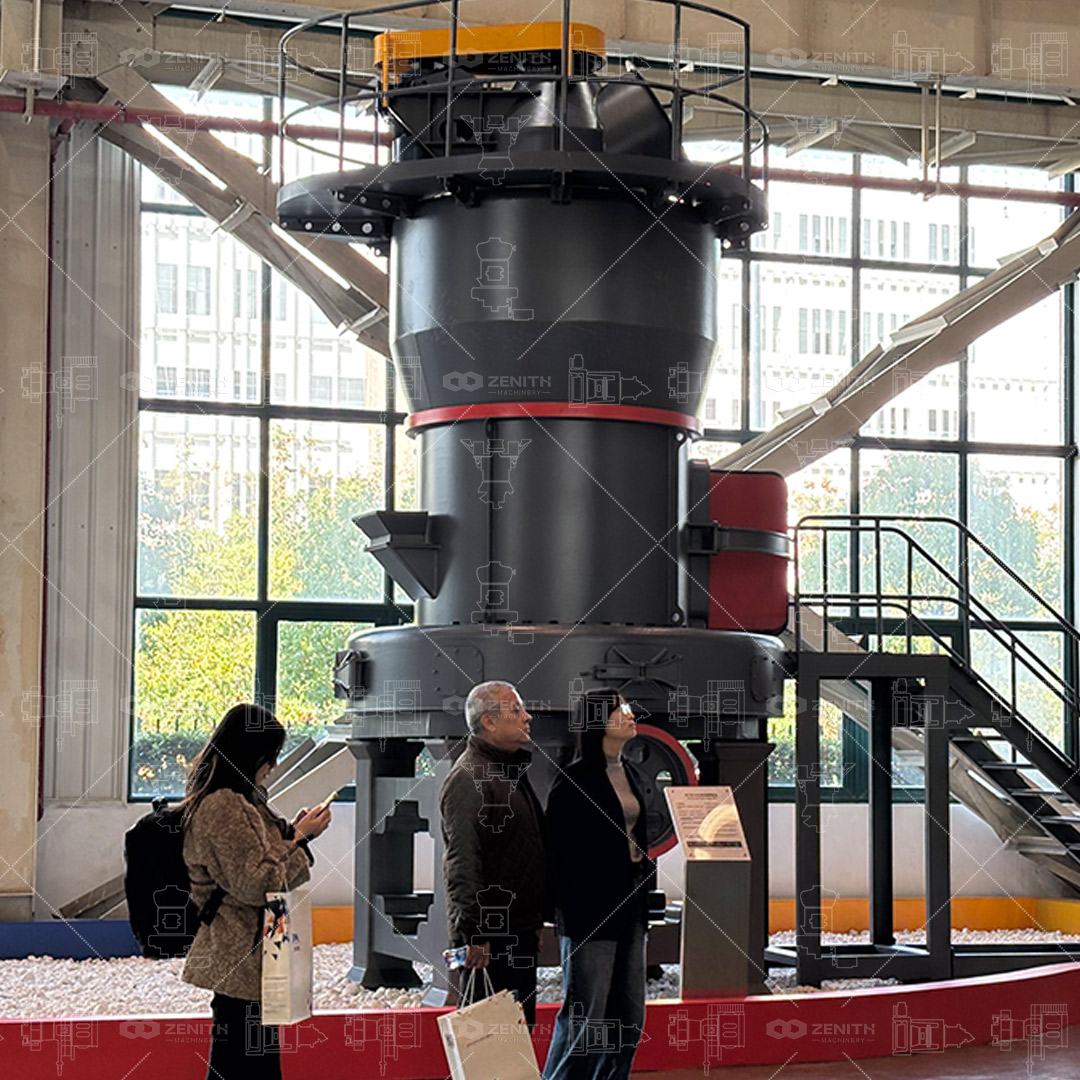
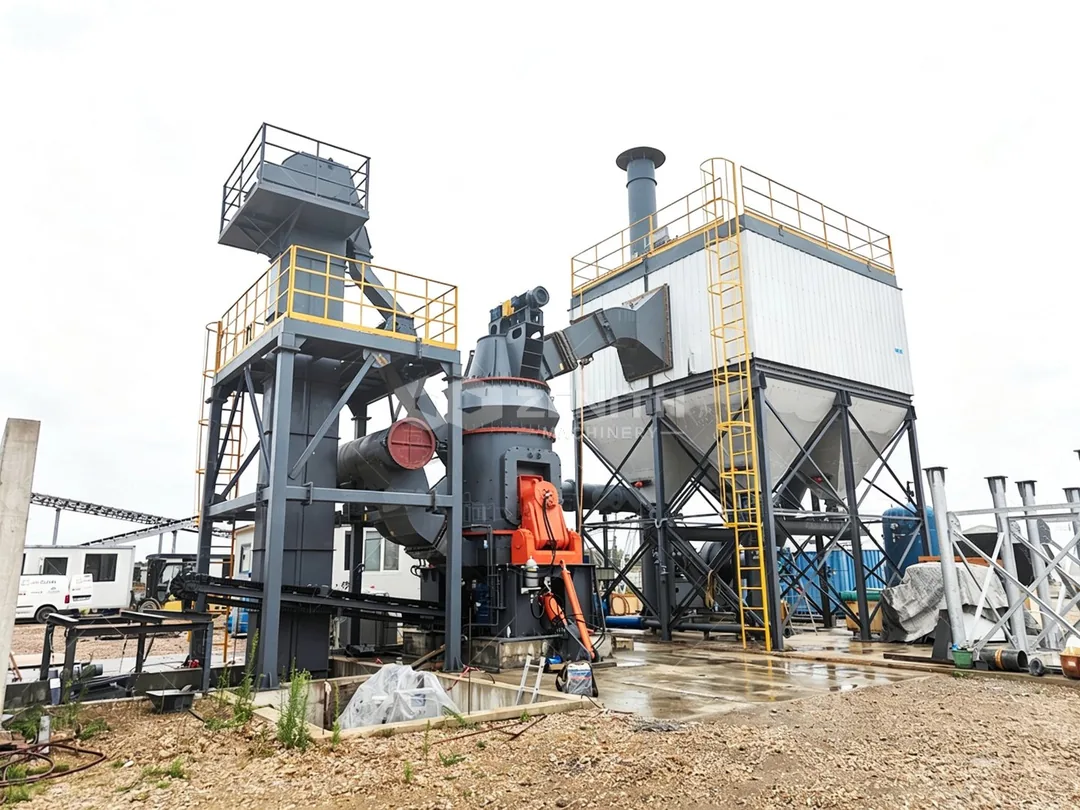
Crushed limestone below 35 mm is fed by a variable-frequency belt feeder into the grinding chamber. The grinding roller crushes the material against the ring. Fan airflow carries the fine particles to the powder selector, where rotating impellers classify them. Qualified 325-mesh powder enters the cyclone collector as finished product; coarse particles fall back for another pass.
The system runs under positive and negative pressure, and a pulse dust collector controls dust. For Australian sites with strict emissions rules, this helps the plant stay compliant and reduces product loss.
Project Planning for Australian Conditions
Before installing an MTW110, check feed moisture and discuss the material characteristics with ZENITH. Decide whether a downstream silo or packing system is necessary, because 12 t/h creates a steady flow of finished powder. Confirm local electric supply: Australia uses 240 V at 50 Hz, and large motors usually need three-phase power.
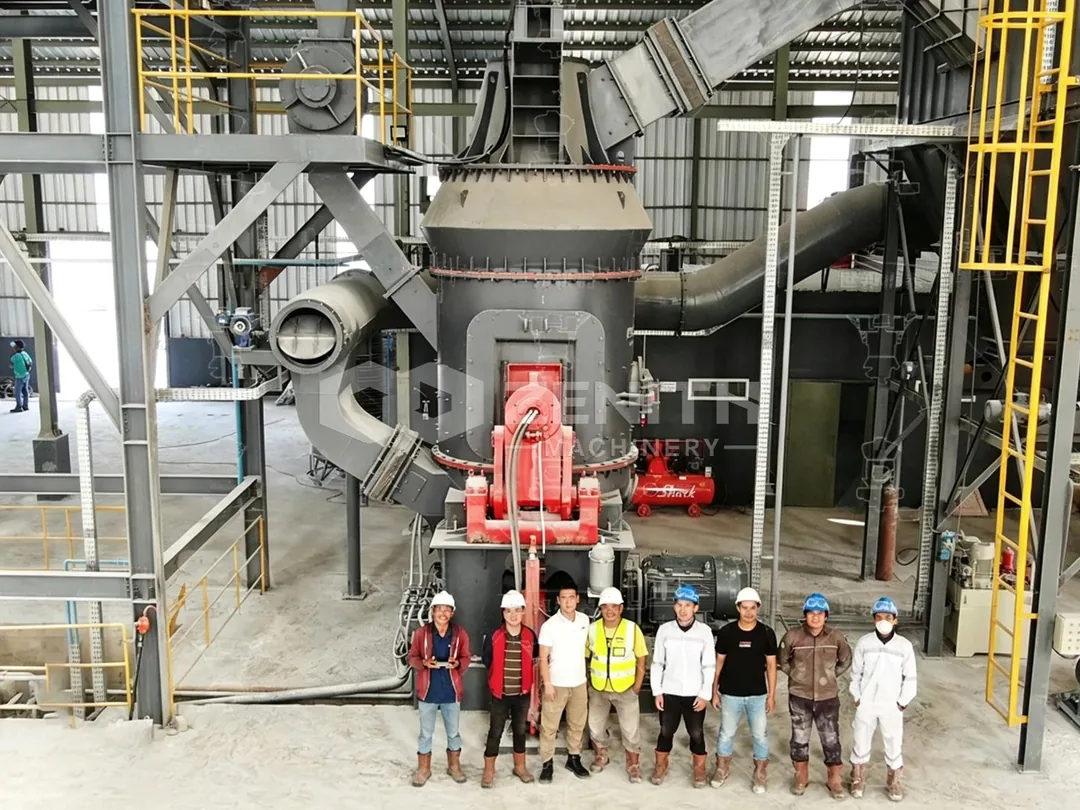
Site access also matters. While the MTW110 is compact, it needs a stable concrete foundation and enough space for maintenance. Keep spare parts for the grinding roller, ring, and impeller on site. Many Australian customers find that the simple mechanical design makes operator training easier in remote locations.
_1787337036478.jpg)
Conclusion
The MTW110 gives Australian limestone producers a practical way to reach 12 t/h at 325 mesh with lower energy consumption and a smaller footprint. It is a dependable, efficient choice for large-capacity grinding lines in agriculture, industry, and environmental applications.
_1787337036480.jpg)
Frequently Asked Questions
Can the MTW110 produce 12 t/h of limestone powder at 325 mesh consistently?
Yes, the MTW110 is capable of reaching this throughput when the feed size, moisture, and grindability of the limestone are within design limits. Many projects use the MTW110 as a 12 t/h machine for 325 mesh material because the internal classifier and grinding pressure maintain stable output over long periods.
What is the maximum feed size for the MTW110?
The standard maximum feed size is 35 mm. If your run-of-mine limestone is larger, a jaw crusher or hammer mill should be installed before the MTW110 to reduce the feed to the specified range.
Is the MTW110 suitable for making limestone powder for agricultural soil treatment?
Yes. Agricultural limestone often requires a fine particle size in the range of 100 to 325 mesh, depending on local regulations. The MTW110 can adjust fineness by changing the impeller, so it is well suited to soil-conditioning products.
Does the MTW110 need a separate dust collector?
The MTW110 system is equipped with a pulse dust collector as part of its integrated production system. This collector helps the mill operate under negative pressure and meet environmental standards without additional major investment.
How much electricity does the MTW110 save compared with a ball mill?
Under ideal conditions, the MTW series consumes more than 60 percent less energy than a ball mill of the same output class. The exact saving depends on material hardness, feed size, and operating hours, but it is usually one of the main reasons customers choose the MTW110 over traditional grinding equipment.
Can ZENITH provide support for a limestone plant in Australia?
ZENITH's marketing network covers more than 180 countries and regions, with overseas offices in more than 30 countries. In Australia, clients can access engineering advice, spare parts supply, and after-sales service through regional channels and the global support team.