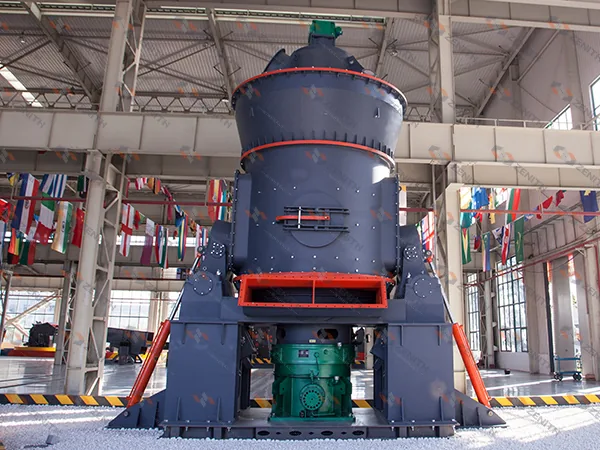
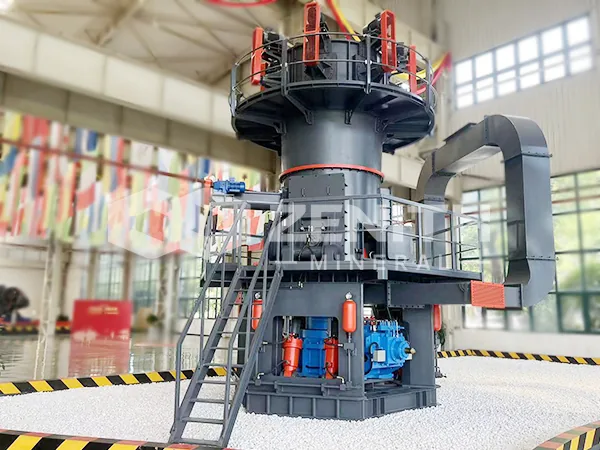
800mesh limestone ultra fine grinder hgm100 australia 6t/h
2026-08-21 02:27:27
For Australian limestone processors, producing 800 mesh ultra-fine powder at a stable 6 t/h is a serious production challenge. It requires a grinding system that can handle feed variation, maintain consistent fineness, and operate reliably in dusty mineral-processing environments. The HGM100 ultra-fine grinder from Shanghai Zenith Machinery Co., Ltd. is designed specifically for this type of duty.
Why 800 mesh limestone powder matters
Ultra-fine limestone powder with 800 mesh particle size has a broad range of applications. It is used as a functional filler in plastics, PVC, rubber, paints, non-woven fabrics, and artificial stone. In agriculture, it is used for soil conditioning and animal feed. In environmental applications, it is used for flue-gas desulfurization and water treatment. For these applications, particle size distribution and purity must be controlled, and the HGM100 is engineered to provide that control.
_1787250447837.jpg)
The HGM100 advantage for 800 mesh production
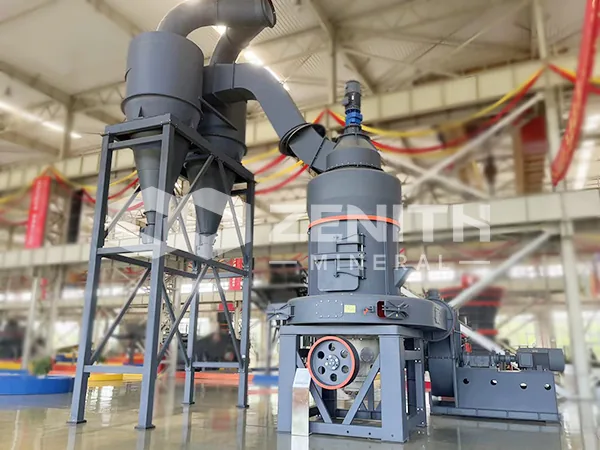
Zenith's product range covers 1-3 mm coarse powder, 20-400 mesh fine powder, 400-1250 mesh ultrafine powder, and 1250-3250 mesh micro powder. The HGM100 sits in the ultrafine powder class. Its grinding roller and grinding ring layout, combined with a dynamic air classifier, make it an ideal choice when the target is 800 mesh and the required capacity is around 6 t/h.
One of the key features of the HGM100 is its adjustable classification system. The classifier rotor speed is controlled by a variable-frequency drive. The operator can set the desired fineness on the electric control panel. This means that switching between, for example, 600 mesh and 800 mesh does not require replacing mechanical parts. That flexibility is valuable for Australian toll millers and powder producers who need to serve different customers with one machine.
Operating principle
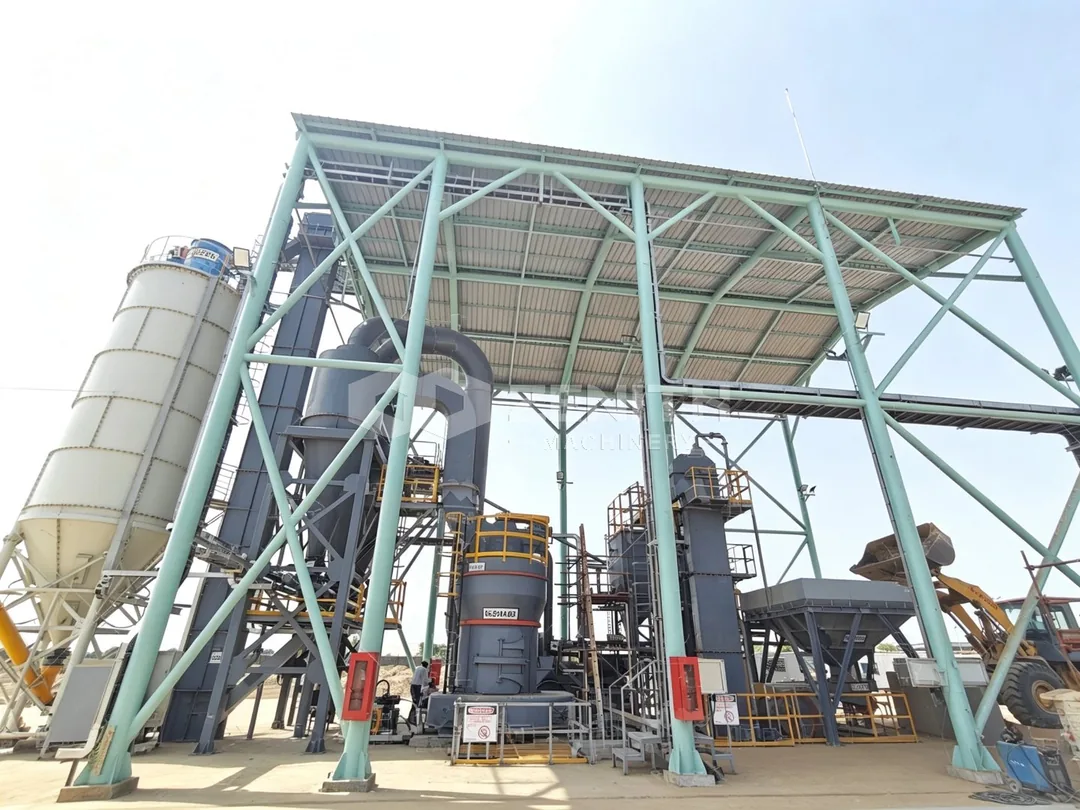
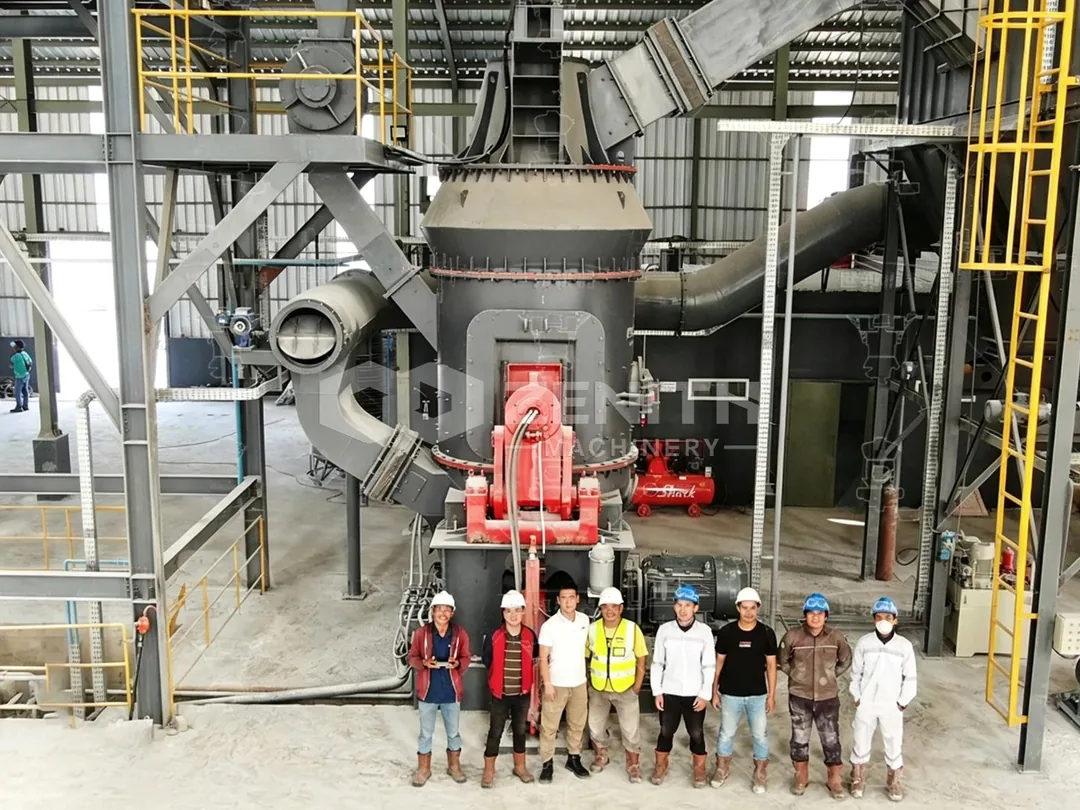
The HGM100 is a roller-type ultra-fine grinding mill. Feed material enters the main grinding chamber through a feeding hopper. The grinding roller assembly rotates around the central shaft, and centrifugal force presses the roller against the grinding ring. Material is repeatedly crushed and ground between the roller and the ring. A blast of air carries the ground powder upward to the classifier. Coarse particles fall back for another pass, while fine powder passes through the classifier and is collected in a cyclone collector and pulse dust collector. The system operates under negative pressure, which prevents dust spillage and helps meet environmental standards.
There are no rolling bearings or screws inside the grinding chamber. This design avoids the common problems of bearing seal failure and screw loosening that can contaminate the product or cause unplanned downtime. The grinding chamber is also configured to minimize stored material, making cleaning and maintenance simpler.
Process design for 6 t/h
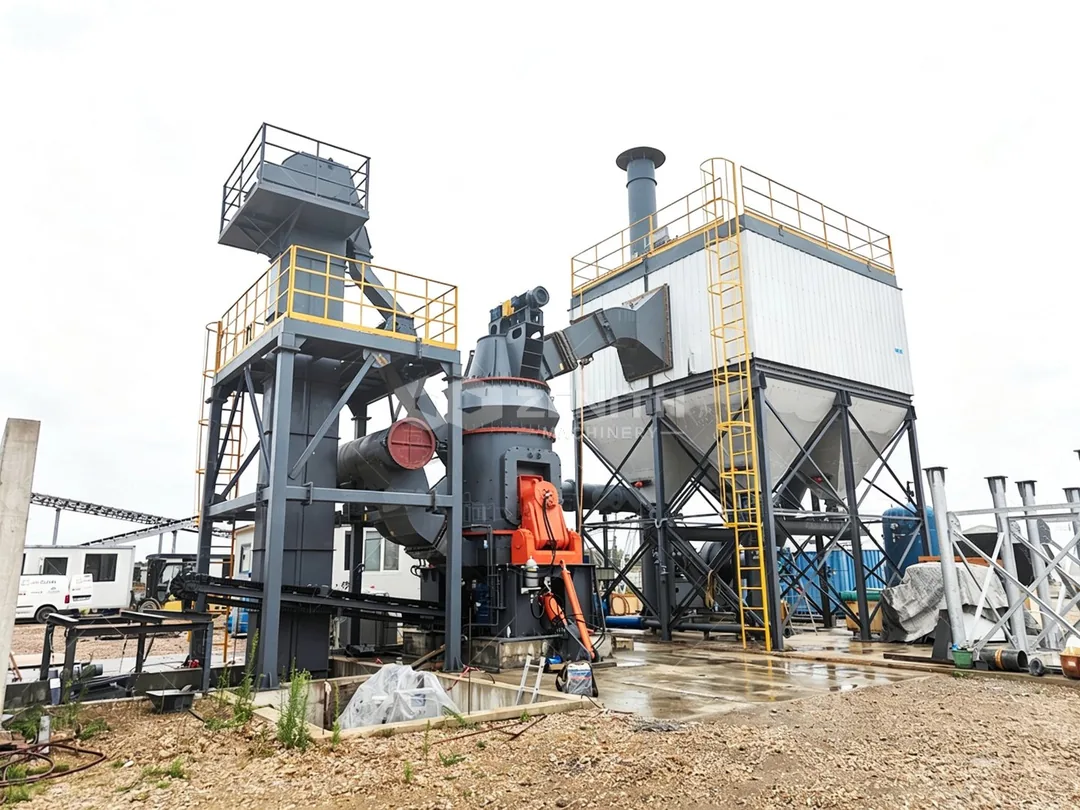
A typical HGM100 grinding line for 800 mesh limestone includes a raw material bin, vibratory feeder, HGM100 main mill, turbine classifier, cyclone collector, pulse dust collector, induced draft fan, discharge silo, and control panel. The exact configuration can be adjusted to fit an existing plant. Because the HGM100 is a complete system from bulk material to finished powder, the user does not need to build a separate vertical tower or a complex conveying line. This reduces the project budget and shortens commissioning time.
For an Australian operation where limestone is quarried on site, a small jaw crusher can reduce the feed to the required size before it enters the mill. If the material comes from a supplier, a simple screen and metal detector can be installed before the feed hopper to protect the grinding chamber from oversized particles and tramp metal.
_1787250447841.jpg)
Australia-specific considerations
Australian limestone projects often have two constraints: distance and uptime. In many parts of the country, the most important cost after power is maintenance labor. The HGM100 reduces this burden through a compact footprint and a complete grinding system from bulk material to finished powder. It requires less floor area than a ball mill system of the same capacity, and the integrated foundation design lowers civil construction costs.
Because the HGM100 can be arranged as an independent production system, the plant can be placed closer to the quarry or within an existing factory without complex process flow. For a 6 t/h operation, a single HGM100 plus feeding and packaging equipment is enough to create a profitable product line.
Energy and operating cost
Energy consumption is a major factor in ultra-fine powder production. Air-flow mills and stirred mills are usually effective, but they can be expensive to run. Zenith's ultra-fine grinding mills have been designed with lower energy consumption in mind. In the same ultra-fine equipment class, Zenith's design can deliver roughly 40% higher efficiency and around 70% lower energy consumption than air-flow mills and stirred mills under comparable conditions. The HGM100 benefits from this design philosophy: it uses a high-efficiency blower and a carefully matched motor, reducing the total installed power required for 800 mesh limestone output.
In addition, the HGM100's grinding pressure is adjustable. For materials with different hardness or moisture, the operator can optimize the roller pressure and classifier speed without stopping the mill. This fine-tuning capability is particularly useful when limestone quality varies within the same quarry.
_1787250447844.jpg)
Quality and support
Shanghai Zenith Machinery Co., Ltd. is a hi-tech engineering group focused on industrial powder grinding equipment. Its equipment has obtained ISO international quality system certification, European Union CE certification, and Customs Union CU-TR certification. Zenith's marketing network covers more than 180 countries and regions in Asia, Africa, Europe, America, and Oceania, with overseas offices in more than 30 countries. Australian customers can therefore expect responsive support, spare part availability, and local knowledge.
Is HGM100 the right choice?
If your target is 800 mesh limestone powder and your required capacity is 6 t/h, the HGM100 is a strong candidate. It provides a single machine solution that combines grinding, classifying, and conveying. It can be automated for low labor cost, and it operates with less dust and noise than traditional grinding systems. For projects that expect to grow later, the HGM100 can also be scaled by adding classification or feeding upgrades, but it is most efficient when the steady-state output is around 6 t/h.
Frequently asked questions
1. What feed size does the HGM100 require for 800 mesh limestone?
For stable 6 t/h performance, the feed is normally recommended at or below 20 mm. A jaw crusher or hammer crusher before the mill is usually sufficient.
2. Can the HGM100 produce finer powder than 800 mesh?
Yes. The HGM100 belongs to the 400-1250 mesh ultrafine range. By adjusting the classifier speed, the same machine can produce products from around 400 mesh to 1250 mesh without changing the grinding roller.
3. How does energy consumption compare with a ball mill?
For ultra-fine powder, the HGM100 is designed to be more energy-efficient than traditional grinding equipment. The direct comparison depends on feed size and moisture, but customers typically report a large reduction in power consumption per ton compared with ball mills or air-flow mills.
4. Does the HGM100 meet dust emission requirements in Australia?
The mill operates under negative pressure and is equipped with a pulse dust collector. It has a sealed housing, so dust spillover is minimal and the plant can meet modern environmental requirements.
5. What is the recommended moisture content for limestone?
Ideally the moisture content should be below 6%. If the quarry material is wetter, a drying or pre-drying step should be installed before the mill.
6. How long does installation take for a 6 t/h grinding line?
The HGM100 is delivered as a system of modular components. For a typical Australian project, site civil work and installation can be completed in about two to three weeks, depending on the local contractor and equipment readiness.
7. Does Zenith provide after-sales service in Australia?
Yes. Zenith has a sales and service network in Oceania and can provide technical guidance, installation supervision, and spare parts through overseas offices in more than 30 countries.
_1787250447847.jpg)